Did Africans Go To Jamaica

BSC Insights Admin
September 30, 2026
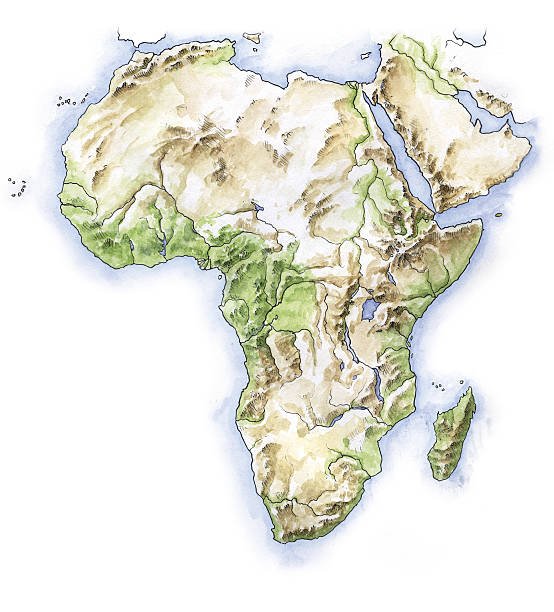
Yes, Africans absolutely went to Jamaica, though their journey was largely a forced one, deeply intertwined with the brutal transatlantic slave trade. The presence of Africans on the island is not merely historical; it is the foundational bedrock of Jamaican society, culture, and identity, influencing everything from its language and music to its cuisine and spiritual practices. Understanding the history of Africans in Jamaica is crucial for comprehending the vibrant nation it is today.
The Forced Migration: Africans and the Transatlantic Slave Trade
The vast majority of Africans who went to Jamaica arrived against their will, forcibly removed from their homelands in West and Central Africa. This devastating period, known as the transatlantic slave trade, spanned from the 16th to the 19th centuries. European colonial powers, particularly the British after their capture of Jamaica in 1655, established vast sugar plantations that required an immense labor force. As the Indigenous Taino population was decimated by disease and forced labor, enslaved Africans became the primary source of labor to fuel the lucrative sugar industry.
Origins and Numbers
- West Africa: Many enslaved people were taken from regions corresponding to modern-day Ghana, Nigeria, Senegal, Gambia, and Sierra Leone. Ethnic groups such as the Akan, Igbo, Yoruba, and Mandinka were prominent among those forcibly transported.
- Central Africa: Significant numbers also originated from the Kongo and Ndongo kingdoms, in areas now known as Angola and the Democratic Republic of Congo.
- Scale of the Trade: It is estimated that between 1.5 and 2 million enslaved Africans were brought to Jamaica over the centuries, though this figure only accounts for those who survived the horrific Middle Passage. A significant portion died during the voyage due to inhumane conditions, disease, and violence.
The journey across the Atlantic, known as the Middle Passage, was a testament to human cruelty. Enslaved Africans were crammed into the holds of ships, often in chains, with little food, water, or sanitation. The aim was not simply transportation but the systematic dehumanization of individuals, stripping them of their identity and culture, to prepare them for a life of brutal enslavement on the plantations.
Life Under Enslavement: Building Jamaica with African Hands
Upon arrival in Jamaica, enslaved Africans were subjected to a system designed to exploit their labor for the economic benefit of their enslavers. They were forced to work under harsh conditions on sugar cane fields, coffee plantations, and other agricultural estates. This forced labor generated immense wealth for Britain, establishing Jamaica as one of its most valuable colonies, often referred to as the “Jewel in the British Crown.”
Plantation Life and Resistance
Life on the plantations was characterized by violence, deprivation, and relentless toil. Yet, despite the extreme oppression, enslaved Africans consistently resisted in myriad ways. This resistance manifested through:
- Passive Resistance: Sabotaging tools, feigning illness, working slowly, or escaping.
- Cultural Resistance: Maintaining African traditions, languages, and spiritual practices in secret, often blending them with European elements to form unique syncretic cultures.
- Active Rebellion: Organized uprisings and revolts were a common feature of Jamaica's slave society. Notable rebellions include Tacky's Rebellion in 1760 and the Baptist War (or Christmas Rebellion) led by Sam Sharpe in 1831-32, which significantly contributed to the eventual abolition of slavery.
- The Maroons: Perhaps the most significant form of resistance was the establishment of Maroon communities. These were groups of escaped enslaved Africans who formed independent settlements in the mountainous, inaccessible interior of Jamaica. They successfully waged guerrilla warfare against the British for decades, eventually forcing them to sign peace treaties in 1739. The Maroons of Accompong, Charles Town, Scott's Hall, and Moore Town remain powerful symbols of resistance and self-determination for African heritage in Jamaica.
The resilience and determination of these individuals ensured that their African heritage would not be extinguished but would instead deeply inform the evolving Jamaican identity.
The Enduring African Influence on Jamaican Culture
The African presence in Jamaica is not just a historical fact; it is a living, breathing component of the island's vibrant culture. Despite centuries of oppression and attempts to erase their origins, Africans embedded their traditions into the very fabric of Jamaican society. The Jamaican culture African roots are undeniable and manifest in numerous ways:
Language and Communication
Jamaican Patois (or Patwa) is a Creole language that draws heavily from West African languages, particularly in its syntax, grammar, and vocabulary, alongside English. Many words and phrases used in everyday Jamaican speech can be traced back to African origins, reflecting the ingenuity of enslaved people in creating new forms of communication.
Music and Dance
Music is arguably one of the most visible and impactful areas of African influence in Jamaica. The rhythmic complexity, call-and-response patterns, and spiritual depth found in African music are evident in various Jamaican genres:
- Mento: An early form of Jamaican folk music with strong African rhythmic and lyrical traditions.
- Kumina and Revivalism: These Afro-Jamaican religious and spiritual practices feature drumming, singing, and dancing that are direct retentions of West African traditions.
- Reggae and Dancehall: While modern, these globally recognized genres have deep roots in African storytelling, rhythm, and protest music, embodying a sense of identity and liberation.
Dance forms also echo African origins, with movements that are grounded, fluid, and often expressive of storytelling or spiritual connection.
Religion and Spirituality
While Christianity is widespread, various Afro-Jamaican spiritual practices like Obeah, Myalism, and Revivalism demonstrate the syncretic blend of African religious beliefs with Christian elements. These practices often involve drumming, spirit possession, healing rituals, and a strong connection to ancestral spirits, reflecting deep spiritual African heritage in Jamaica.
Cuisine
Jamaican food is a delicious fusion of cultures, but its African roots are prominent. Ingredients like ackee (though often debated, its preparation methods are African), callaloo, and okra, and cooking techniques such as slow-cooking stews (like run-down), one-pot meals, and the use of ground provisions (yams, dasheen) are direct legacies from Africa. Many traditional dishes bear a striking resemblance to those found in West Africa.
Oral Traditions and Folklore
The Anansi stories, tales of a trickster spider god, are a cornerstone of Jamaican folklore and are direct retentions from the Akan people of Ghana. These stories, passed down through generations, served as a means of entertainment, moral instruction, and subtle resistance during enslavement.
Beyond Emancipation: Legacy and Modern Connections
Slavery was abolished in Jamaica in 1834, followed by a period of apprenticeship that ended in 1838. While emancipation brought freedom, the legacy of slavery continued to shape the island's social and economic landscape. Despite this, the history of Africans in Jamaica has continued to evolve.
Rastafarianism and Pan-Africanism
The emergence of Rastafarianism in the 20th century further solidified the African connection. This spiritual movement explicitly reveres Emperor Haile Selassie I of Ethiopia and advocates for the repatriation of people of African descent to Africa, emphasizing a strong pan-African identity and connection to the motherland.
Contemporary Cultural Exchange
In modern times, the connection between Africa and Jamaica continues to flourish through tourism, cultural exchange programs, and a growing interest in tracing ancestral roots through DNA testing. Jamaicans proudly celebrate their African heritage, recognizing it as a source of strength, identity, and resilience.
Why Understanding This History Matters
The question, Did Africans go to Jamaica, delves into profound historical truths that are vital for several reasons:
- For Jamaicans: It provides a deep sense of identity, pride, and understanding of their origins, resilience, and cultural richness.
- For Global Understanding: It offers crucial insights into the impacts of colonialism, the slave trade, and the incredible ability of people to preserve and create culture in the face of extreme adversity.
- For Cultural Appreciation: It highlights how African traditions, creativity, and spirit have enriched the world through Jamaican culture, influencing music, art, and spirituality across continents.
The story of Africans in Jamaica is a testament to survival, resistance, and the enduring power of culture. It is a narrative of immense suffering but also of incredible strength, creativity, and the triumphant preservation of identity against overwhelming odds. The island stands as a vibrant testament to the enduring spirit of its African ancestors.
Conclusion
In conclusion, the answer to Did Africans go to Jamaica is an unequivocal yes. Their arrival, predominantly through the tragic transatlantic slave trade Jamaica, irrevocably shaped the island's destiny and laid the foundation for its distinct identity. From the forced labor on plantations to the heroic resistance of the Maroons Jamaica and the pervasive African influence Jamaica in music, language, food, and spirituality, the African presence in Jamaica is not merely a historical footnote but the very essence of its being. Understanding this profound historical journey is essential for appreciating the rich tapestry of Jamaican culture and its significant contributions to the global stage, reflecting a powerful legacy of resilience, creativity, and indelible African heritage Jamaica.
Enjoyed this read?
Share it with your friends and colleagues.