Do Africans Like Black Americans

BSC Insights Admin
September 30, 2026
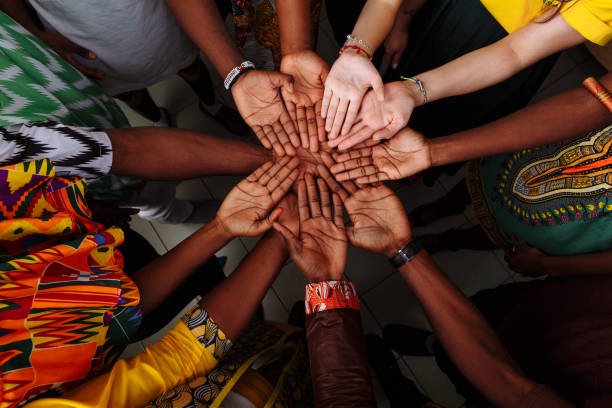
The question, "Do Africans like Black Americans?" is complex and cannot be answered with a simple yes or no, as both groups are incredibly diverse with a wide range of individual experiences, opinions, and historical contexts. Generally, there is a mix of admiration, solidarity, shared heritage, and sometimes misunderstandings or differing perspectives that shape these relationships across the vast African continent and among various Black American communities.
Understanding the Nuance: Diversity Within Both Groups
To truly grasp the dynamics, it's crucial to acknowledge the immense diversity within what is broadly termed "Africans" and "Black Americans." Africa is a continent of 54 countries, thousands of ethnic groups, and hundreds of languages, each with its own unique culture and history. Similarly, Black Americans encompass descendants of enslaved people, recent Black immigrants from various Caribbean and African nations, and people with diverse socio-economic backgrounds and regional identities within the United States.
- African Diversity: From North to South, East to West Africa, cultures, political histories, and socio-economic realities differ drastically. A Nigerian's perspective might be different from a Kenyan's, a South African's, or a Moroccan's.
- Black American Diversity: The Black American community is not monolithic. There are generational differences, regional variations (e.g., Southern vs. Northern Black Americans), and different levels of awareness or connection to African heritage.
Therefore, any interactions or perceptions are highly individualized and shaped by specific encounters, media portrayals, and personal backgrounds rather than a universal sentiment.
Historical Connections and Shared Heritage
The relationship between Africans and Black Americans is deeply rooted in a shared history, primarily the transatlantic slave trade. This brutal period forcibly removed millions of Africans from their homeland, creating the African diaspora, of which Black Americans are a significant part. This shared ancestry forms a foundational, often emotional, connection.
Pan-Africanism and Early Solidarity
- Early Activism: The late 19th and 20th centuries saw the rise of Pan-Africanism, a movement advocating for the political union and solidarity of all indigenous inhabitants and people of African descent. Figures like W.E.B. Du Bois and Marcus Garvey played pivotal roles in fostering connections between Black Americans and independence movements in Africa.
- Civil Rights Era: During the American Civil Rights Movement, many African nations, newly independent from colonial rule, expressed solidarity with Black Americans fighting for equality. This period solidified a sense of shared struggle against oppression and racial discrimination.
These historical bonds have cultivated a sense of shared identity and a mutual desire for racial justice and progress, often leading to admiration and respect.
Contemporary Dynamics: Bridging Continents
In modern times, the interactions are more varied and complex, influenced by globalization, increased travel, and diverse media landscapes.
Areas of Connection and Mutual Admiration
- Heritage Tourism: Many Black Americans undertake "heritage trips" to countries like Ghana, Senegal, and Gambia to reconnect with their ancestral roots, often met with warmth and hospitality by local communities. This can foster strong positive relationships.
- Cultural Exchange: Music, fashion, and art often cross pollinate. African music genres (Afrobeats, Amapiano) gain popularity in the U.S., and Black American culture (hip-hop, R&B) is influential in Africa. This cultural exchange can create mutual appreciation.
- Academic and Professional Collaboration: There are growing partnerships between African and Black American academics, entrepreneurs, and professionals across various sectors, leading to fruitful collaborations and shared understanding.
- Shared Experiences of Racism: Africans living in the diaspora, including the U.S., often face similar forms of systemic racism and discrimination as Black Americans, which can forge a powerful bond of solidarity.
Challenges and Misunderstandings
Despite the historical ties, several factors can lead to misunderstandings or less positive perceptions on both sides.
Stereotypes and Media Portrayals
One of the most significant challenges is the perpetuation of stereotypes, often fueled by media. Hollywood and Western media historically portrayed Africa as a monolithic land of poverty, disease, and war, which can shape some Black Americans' perceptions. Conversely, some Africans' understanding of Black Americans is heavily influenced by American popular culture, leading to generalizations about lifestyles, values, and socio-economic status.
- African Stereotypes of Black Americans:
- Perception of affluence and consumerism.
- Association with specific pop culture trends, sometimes negative.
- Belief that Black Americans have forgotten their African heritage or prioritize Western identities.
- Black American Stereotypes of Africans:
- Misconceptions about "African primitivism" or lack of development.
- Lack of awareness about the diversity and modernity of African nations.
- Sometimes, a sense of being culturally distant or different.
Cultural and Linguistic Differences
While sharing a racial identity, the lived cultural experiences between many Africans and Black Americans can differ significantly. Language barriers (even within English-speaking countries, accents and dialects can be a hurdle), social norms, and ways of communicating can sometimes lead to friction or misinterpretation.
Immigration Dynamics
The growing population of African immigrants in the United States adds another layer to this dynamic. While some integration is seamless, there can be social friction or a sense of competition, particularly over identity and resources. African immigrants sometimes face pressure to assimilate into Black American culture, while also navigating their own distinct heritage.
Table: Common Perceptions and Realities
| Source of Perception | Common Perception (African towards Black American) | Common Perception (Black American towards African) |
|---|---|---|
| Media Influence | Wealthy, materialistic, pop culture icons. | Poor, tribal, underdeveloped. |
| Historical/Heritage | Lost connection to roots, Westernized. | Ancestral home, a source of pride and identity. |
| Lived Experience | Often seen through a lens of privilege in the U.S. | Seen as recent immigrants with distinct cultures. |
Building Bridges and Fostering Understanding
Despite the challenges, there is a strong and growing movement towards fostering greater understanding, solidarity, and collaboration between Africans and Black Americans. This involves conscious efforts to overcome stereotypes and build genuine connections.
Key Strategies for Stronger Relationships
- Education and Dialogue: Learning about each other's histories, cultures, and contemporary realities is paramount. Educational programs, cultural festivals, and open discussions can break down barriers.
- Cultural Exchange Programs: Facilitating reciprocal visits, artist residencies, and student exchanges allows for firsthand experiences and builds empathy.
- Economic Partnerships: Encouraging business ventures and investments that connect Black American entrepreneurs with African markets can create mutual prosperity and stronger bonds.
- Diaspora Engagement: African governments and organizations are increasingly recognizing the importance of engaging the diaspora, including Black Americans, as partners in development and cultural exchange.
- Challenging Media Narratives: Actively promoting positive and nuanced portrayals of both African and Black American communities in media, arts, and education can counteract negative stereotypes.
Initiatives like the Year of Return in Ghana (2019) and ongoing efforts to promote ancestral tourism have significantly boosted engagement and positive sentiment between many Black Americans and various African nations. These efforts highlight a growing desire for reconnection and mutual support.
Conclusion: A Complex Tapestry of Relationships
The question of whether Africans like Black Americans is best understood as a spectrum of relationships, rather than a single, unified sentiment. While a deep, historical connection and shared struggle for racial justice form a powerful bond, contemporary interactions are shaped by a mix of cultural pride, diverse lived experiences, historical misconceptions, and media portrayals. Both groups are multifaceted, and individual perceptions vary widely.
Ultimately, there is a clear and growing desire among many within both communities to forge stronger, more understanding, and mutually beneficial relationships. By actively engaging in education, cultural exchange, and direct dialogue, the bridges between Africans and Black Americans continue to strengthen, fostering a rich tapestry of shared identity and future collaboration.
Enjoyed this read?
Share it with your friends and colleagues.