Do Africans Like White People

BSC Insights Admin
September 30, 2026
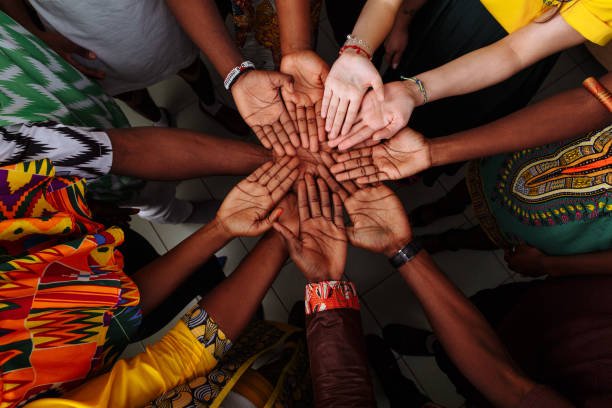
The question, "Do Africans like white people?" does not yield a simple yes or no answer, as attitudes are incredibly diverse and influenced by a multitude of historical, cultural, economic, and individual factors across the vast and varied African continent. In reality, perceptions of white people among Africans are shaped by a complex interplay of historical colonial legacies, contemporary socio-economic interactions, media representation, and personal experiences, making any broad generalization inaccurate and reductive.
Understanding the Nuance: A Continent of Diversity
Africa is not a monolithic entity, but a continent comprising 54 diverse countries, each with unique histories, cultures, and political landscapes. Therefore, the notion of a singular "African" sentiment towards "white people" (who themselves are a diverse group including tourists, expatriates, aid workers, descendants of settlers, and business investors) is inherently flawed. Interactions and perceptions vary significantly from one country to another, from urban centers to rural communities, and across different generations.
The Shadow of Colonialism and its Enduring Legacy
One cannot discuss race relations in Africa without acknowledging the profound and often painful legacy of colonialism. European powers colonized most of Africa, imposing their political systems, economic structures, and cultural norms. This period was characterized by exploitation, suppression, and racial hierarchies that privileged white people while subjugating Africans.
- Historical Grievances: In many regions, there remains a deep-seated memory of colonial injustices, land dispossession, and racial discrimination. This historical context can foster resentment or suspicion towards white people, especially among older generations or in communities directly impacted by colonial violence.
- Post-Colonial Challenges: Even after independence, some African nations struggled with neo-colonialism, where former colonial powers continued to exert influence, sometimes perpetuating economic disparities. This can sometimes be conflated with the presence of white individuals or businesses.
- Specific Cases: Countries like South Africa, Namibia, and Zimbabwe, which experienced settler colonialism and systemic racial oppression (e.g., apartheid), often have more complex and sometimes strained racial dynamics. Discussions around land reform, economic inequality, and historical reparations frequently involve race.
Factors Influencing Perceptions of White People in Africa
Beyond history, several contemporary factors shape how white people are perceived across Africa. These factors can lead to a spectrum of attitudes, from warm hospitality and admiration to distrust or resentment.
Economic Associations and Opportunities
In many parts of Africa, white individuals are often associated with wealth, foreign investment, and economic opportunities. This association can be a double-edged sword:
- Perceived Economic Advantage: White people are frequently seen as holding economic power, either through tourism, foreign aid, multinational corporations, or their own businesses. This can sometimes lead to perceptions of privilege or inequality.
- Job Creation and Investment: White investors or expatriates often bring capital, skills, and create employment opportunities, which can foster positive relations based on mutual economic benefit.
- Tourism: In countries heavily reliant on tourism, white visitors are a vital source of income. This often translates into highly welcoming and friendly interactions, driven by economic necessity and genuine hospitality.
Cultural Exchange and Social Integration
Interactions between Africans and white people extend beyond economics to cultural and social realms.
- Hospitality: Many African cultures emphasize strong traditions of hospitality (ubuntu in Southern Africa is a prime example), and visitors, regardless of race, are often welcomed warmly and treated with respect.
- Interracial Relationships: There's a growing prevalence of interracial friendships, marriages, and partnerships across the continent, particularly in urban areas. These personal connections often transcend racial stereotypes and foster mutual understanding and affection.
- Cultural Differences: Sometimes, cultural misunderstandings or differing social norms can lead to friction, but these are often individual rather than racially motivated.
Media Representation and Global Narratives
Both local and international media play a significant role in shaping perceptions.
- Western Media Influence: Global media often portrays Africa through lenses of poverty, conflict, or as a place needing "saving." This can inadvertently reinforce stereotypes or a "white savior" narrative, which can be resented by Africans seeking agency and respect.
- Local Media: African media outlets provide more nuanced portrayals, but can also sometimes perpetuate stereotypes or highlight issues related to racial inequality, particularly in countries with settler histories.
Regional Variations in Perception
The continent's vastness means that perceptions of white people are not uniform:
Southern Africa (e.g., South Africa, Zimbabwe, Namibia)
These countries have significant populations of white descendants of European settlers, and their racial dynamics are arguably the most complex and charged due to the history of apartheid and land issues. While personal relationships can be strong, systemic inequalities and historical grievances often lead to ongoing racial tensions in the political and economic spheres. Discussions around economic transformation and land ownership frequently bring racial identity to the forefront.
East Africa (e.g., Kenya, Tanzania, Uganda)
Known for vibrant tourism and expatriate communities, these regions often exhibit high levels of hospitality towards white visitors and residents. However, economic disparities and historical memories of British colonialism can still influence underlying perceptions, though often less overtly than in Southern Africa. The presence of white individuals in conservation efforts, for instance, can be viewed positively for its economic benefits or critically for potential land displacement.
West Africa (e.g., Ghana, Nigeria, Senegal)
These countries have strong national identities and, while having their own colonial histories, often have a more pragmatic and less historically burdened view of white people. Interactions are frequently driven by business, trade, and education. There's a general openness to foreigners, often coupled with a clear sense of national pride and self-determination.
North Africa (e.g., Morocco, Egypt, Tunisia)
Culturally distinct from Sub-Saharan Africa, these countries have historical ties to Europe and the Middle East. White visitors (predominantly tourists) are common, and interactions are often transactional within the tourism industry. Perceptions can be influenced by geopolitical relations, historical Ottoman and European influences, and modern migration patterns across the Mediterranean.
Addressing Misconceptions and Promoting Positive Relations
It is crucial to move beyond simplistic narratives and foster an environment of mutual respect and understanding. Generalizing about an entire continent or race is unhelpful and inaccurate.
Dispelling Stereotypes
Neither "Africans" nor "white people" are homogenous groups. Dismissing the diversity within each group leads to harmful stereotypes. It is important to recognize that individuals' experiences and personalities are the primary determinants of their interactions.
The Role of Individual Interactions
Ultimately, individual experiences shape individual opinions. A positive, respectful interaction between an African and a white person can significantly impact their perception of the other group, fostering bridges of understanding and genuine connection. Conversely, negative experiences can reinforce existing biases.
Fostering Equity and Understanding
To cultivate genuinely positive relationships, efforts must focus on:
- Addressing Historical Injustices: Acknowledging and actively working to rectify the lingering effects of colonialism and racial discrimination is essential.
- Promoting Economic Equity: Ensuring fair economic practices and opportunities can mitigate resentment stemming from perceived imbalances.
- Encouraging Cultural Exchange: Programs that promote cross-cultural understanding and dialogue can break down barriers.
- Mutual Respect: Approaching interactions with humility, openness, and a willingness to learn about and respect different cultures.
In conclusion, the question of whether Africans like white people is too broad to be answered definitively. The reality is a complex tapestry woven from diverse historical experiences, socio-economic conditions, cultural norms, and individual interactions. While historical grievances related to colonialism and racial inequality certainly exist in many parts of the continent, they coexist with widespread hospitality, economic partnerships, and genuine personal connections. Perceptions are highly localized and individualized, emphasizing that human relationships, irrespective of race, are built on respect, empathy, and shared experiences.
Enjoyed this read?
Share it with your friends and colleagues.