Did Africans Live In Ancient Greece

BSC Insights Admin
September 30, 2026
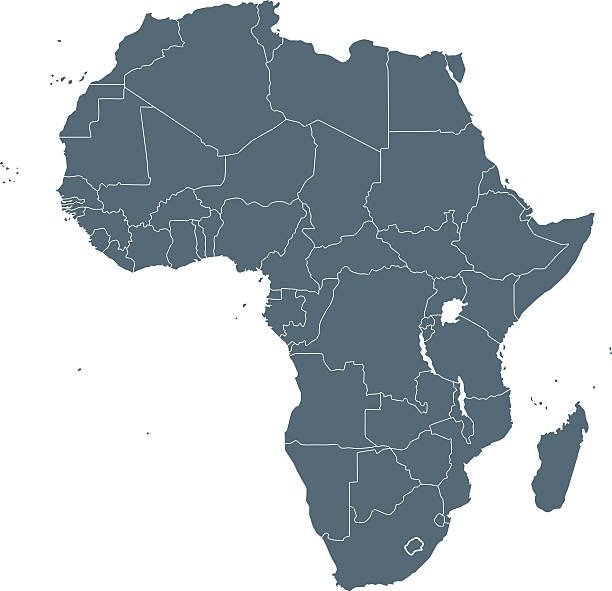
Yes, Africans did live in Ancient Greece, though their presence was multifaceted and varied depending on the era and region. Interactions between Ancient Greece and various African civilizations, particularly Egypt and Nubia, were extensive and well-documented through trade, cultural exchange, diplomacy, and migration, leading to a visible African presence in Greek society.
The Enduring Connection Between Ancient Greece and Africa
The geographical proximity of Ancient Greece to the African continent, particularly North Africa and the Nile Valley, made sustained interaction inevitable. The Mediterranean Sea, far from being a barrier, served as a crucial highway for commerce, ideas, and people. For millennia, civilizations bordering this sea have exchanged goods, technologies, and cultural practices, forging deep, often overlooked connections. Understanding the scope of Africans in Ancient Greece requires acknowledging this historical backdrop of constant interaction.
Geographic Links and Early Interactions
Ancient Greece's southern tip, including islands like Crete and Rhodes, lay relatively close to the North African coast. Egypt, a powerhouse of ancient civilization, was a primary gateway for these interactions. Further south, the Kingdom of Kush (Nubia) in present-day Sudan also played a significant role in ancient trade networks that extended into the Mediterranean world. Early Greek contact with Egypt dates back to the Mycenaean period (c. 1600–1100 BCE), long before the classical age, indicating a long history of reciprocal influence. These early exchanges laid the groundwork for a more pronounced African presence in classical antiquity.
Evidence of Contact and Cultural Exchange
The evidence for the presence of Africans in Ancient Greece and the reciprocal influence between these cultures is substantial, drawn from archaeology, historical texts, and artistic depictions. This evidence paints a picture of dynamic, ongoing interaction.
Trade Routes and Economic Ties
Trade was perhaps the most direct and consistent means by which Africans came to Greece. Greek city-states, especially those with strong maritime traditions like Athens and Corinth, engaged in extensive trade with Egyptian port cities such as Naucratis, a designated Greek trading post in the Nile Delta. Goods flowing from Africa to Greece included:
- Grain: Essential for feeding the growing Greek population.
- Papyrus: Crucial for writing and record-keeping.
- Luxury items: Gold, ivory, exotic animal skins, ebony, and incense, often originating from deeper within Africa (Nubia and beyond) and channeled through Egyptian intermediaries.
- Dye and medicinal plants: Valuable commodities for ancient societies.
In return, Greece exported olive oil, wine, pottery, and silver. This bustling commerce led to the presence of African merchants in ancient Athens and other Greek cities, establishing temporary or permanent residences for trade purposes.
Cultural Diffusion and Intellectual Exchange
Beyond goods, ideas and cultural practices also flowed across the Mediterranean. Greek philosophers and scholars, notably Thales, Pythagoras, and Herodotus, are known to have traveled to Egypt to study. They sought knowledge in areas such as:
- Mathematics and Astronomy: Egyptian advancements were highly respected.
- Medicine: Egyptian medical practices were sophisticated for their time.
- Architecture and Engineering: The monumental scale of Egyptian construction inspired Greek builders.
- Religious Beliefs and Mythology: While distinct, some parallels and influences can be observed.
This intellectual exchange meant that some Egyptians, often educated priests or scribes, might have accompanied Greek scholars back to Greece or traveled there independently, contributing to the diversity of thought in places like the philosophical schools of Athens. These individuals represent a fascinating aspect of African influence on Greece.
African Presence in Greek Society: Diverse Roles
The Africans who lived in Ancient Greece did so in various capacities, reflecting the complex social structures and economic needs of the time. Their presence was not monolithic but encompassed a range of statuses and roles.
Merchants, Sailors, and Skilled Artisans
As noted, trade was a major driver. African merchants established networks and often lived in Greek port cities. Sailors from various North African regions, including Egypt, would have docked in Greek harbors, some perhaps settling temporarily or permanently. Skilled artisans, such as metalworkers or sculptors, whose unique techniques or materials were sought after, also found their way to Greece, contributing to local economies and artistic traditions.
Scholars, Priests, and Diplomats
While less common, there are instances of Egyptian priests or scholars being present in Greece, particularly in cult centers or philosophical schools where their specialized knowledge was valued. Diplomatic missions between Greek city-states and African kingdoms also entailed the presence of envoys and their retinues, fostering connections and facilitating understanding between disparate cultures.
Enslaved Individuals: A Harsh Reality
Unfortunately, a significant portion of the African population in Ancient Greece consisted of enslaved people. Slavery was a widespread institution throughout the ancient world, and people from various ethnic backgrounds, including those from Africa, were subjected to it. Enslaved Africans could be found in various roles:
- Domestic servants: Working in Greek households.
- Laborers: In agriculture, mines, or workshops.
- Specialized workers: In some cases, skilled enslaved individuals might have contributed their expertise.
It's crucial to understand that slavery in Ancient Greece was not based primarily on race in the modern sense; individuals became enslaved through war, piracy, or debt, regardless of their origin. However, people from various parts of Africa were certainly among the enslaved population, and their involuntary presence contributes to the overall history of diversity in Ancient Greece.
Soldiers and Mercenaries
Throughout antiquity, mercenaries were a common feature of warfare. Soldiers from various regions, including parts of North Africa, were employed by Greek city-states. These mercenary forces were often valued for their specific fighting styles or regional expertise. Similarly, Greek mercenaries served in African armies, for example, in Egypt, creating a cyclical movement of military personnel. This military exchange also meant that Africans served in Greek armies, sometimes settling in Greece after their service.
Artistic and Literary Depictions of Africans in Ancient Greece
The visual and written records of Ancient Greece offer further insights into the African presence. These depictions provide valuable, albeit sometimes stereotypical, glimpses into how Africans were perceived and represented.
Vase Paintings and Sculptures
Greek pottery, particularly black-figure and red-figure vases, often depicts individuals with distinct facial features and hair textures that scholars identify as African. These images appear in various contexts:
- Mythological scenes: Featuring figures from North African myths or in scenes related to Egyptian deities.
- Daily life: Depicting enslaved individuals, musicians, or attendees at symposia.
- Exotic characters: Sometimes portraying Africans in a stylized or somewhat caricatured manner, reflecting Greek ethnocentric views.
Statuary, though less common for depicting everyday individuals, also includes examples, such as the famous 'Negroid' head from the Acropolis, hinting at a recognized presence. These artistic renderings are crucial archaeological evidence for Africans depicted in Greek art.
References in Historical Texts
Ancient Greek writers, most notably Herodotus, often referred to various African peoples. Herodotus, considered the 'Father of History,' traveled extensively in Egypt and wrote detailed accounts of its history, customs, and interactions with other African groups, particularly the Ethiopians (a term often used broadly to refer to various peoples south of Egypt). He describes trade, cultural practices, and even military encounters. While his accounts should be read with an understanding of ancient biases and oral traditions, they confirm extensive Greek knowledge of and interaction with African populations.
"For the Egyptians say that from the beginning of man no one has been born in the land, either male or female, without some kind of deformity; but those who are born in Ethiopia are the most beautiful of all men." - Herodotus, The Histories
Other authors, like Homer in the Odyssey, also mention the 'blameless Ethiopians,' indicating a long-standing awareness and even a degree of respect for these distant African peoples in the Greek consciousness. These literary references underscore the long history of Ancient Greek-African relations.
The Concept of "African" in Antiquity
It is important to address how the Greeks understood and categorized people from the African continent. The modern concept of 'race' is a relatively recent construct. In antiquity, distinctions were often based more on geographic origin, cultural practices, and language rather than rigid racial categories.
The Greeks primarily interacted with:
- Egyptians: A distinct and ancient civilization known for its unique culture and religion.
- Libyans: Peoples inhabiting the North African coast west of Egypt.
- Ethiopians: A broader term used to describe dark-skinned peoples living south of Egypt, often associated with Nubia (Kush) and regions further afield.
While physical appearance was noted, it typically did not form the primary basis for social hierarchy or discrimination in the same way it would in later periods. The term 'African' as a monolithic identity did not exist in the Greek lexicon; instead, specific ethnic or geographic labels were used. Understanding this nuanced historical context is key to accurately interpreting the African presence in classical antiquity.
The Impact and Legacy of African-Greek Interactions
The presence of Africans in Ancient Greece, whether as merchants, scholars, enslaved individuals, or diplomats, contributed to the rich tapestry of Greek society. These interactions were not one-sided but represented a mutual exchange that enriched both cultures.
The legacy includes:
- Technological and Artistic Borrowings: Greek art and architecture show clear influences from Egypt, particularly in early archaic sculpture (e.g., the kouros figures).
- Intellectual Growth: The knowledge brought back from Egypt by Greek scholars contributed to the burgeoning fields of philosophy, mathematics, and science in Greece.
- Genetic Diversity: Over centuries of interaction, migration, and settlement, there would inevitably have been some degree of genetic intermingling, though this is harder to quantify definitively through ancient records.
- A More Globalized Ancient World: The connections between Greece and Africa highlight that the ancient world was far more interconnected and diverse than often portrayed, challenging Eurocentric narratives of isolation.
| Area of Interaction | Examples/Details | Impact on Greece |
|---|---|---|
| Trade | Grain, papyrus, gold from Africa; Olive oil, wine from Greece. | Economic growth, introduction of new goods. |
| Knowledge Exchange | Greek scholars in Egypt (math, astronomy, medicine). | Stimulated Greek philosophy, science, and learning. |
| Migration/Presence | Merchants, enslaved persons, mercenaries, scholars. | Cultural diversity, labor force, varied societal roles. |
| Art & Architecture | Egyptian influence on early Greek sculpture (kouros). | Shaped artistic development and aesthetic preferences. |
| Literary Mentions | Herodotus' accounts of Egypt/Ethiopia; Homer's 'blameless Ethiopians'. | Informed Greek perceptions of distant lands and peoples. |
Conclusion: A Diverse Ancient World
In conclusion, the answer to the question, "Did Africans live in Ancient Greece?" is unequivocally yes. Historical, archaeological, and literary evidence confirms a consistent and varied African presence in Ancient Greece. From diplomatic envoys and bustling merchants to esteemed scholars and, tragically, enslaved laborers, individuals from various parts of Africa contributed to the economic, cultural, and social fabric of Greek city-states. These interactions underscore the interconnected nature of the ancient world, challenging simplistic notions of isolated civilizations and revealing a vibrant, diverse human landscape where cultures met, exchanged, and influenced one another in profound ways. The legacy of African presence in Greek history reminds us of the long-standing global connections that shaped human civilization.
Enjoyed this read?
Share it with your friends and colleagues.