Did Africans Live In Caves

BSC Insights Admin
September 30, 2026
Did Africans Live In Caves? Exploring Ancient African Dwellings and Beyond
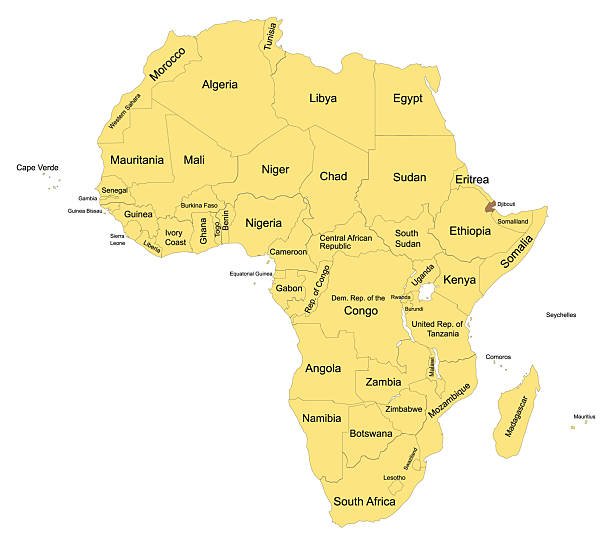
Yes, early Africans did live in caves and rock shelters, particularly during the prehistoric periods, utilizing these natural formations for protection, shelter, and as sites for early human development. However, it is crucial to understand that this practice was not universal across the entire continent or throughout all historical eras. Africa, the cradle of humanity, witnessed an incredible diversity of dwelling types evolve as societies progressed from hunter-gatherer lifestyles to agricultural communities and complex civilizations, developing sophisticated indigenous African architecture far beyond mere cave living.
The Prehistoric Era: Caves as Primary Shelters for Early Humans
For hundreds of thousands of years, during the Stone Age, caves and rock shelters offered invaluable advantages to early humans across Africa. These natural formations provided protection from harsh weather, predators, and served as stable base camps for hunter-gatherer groups. The study of ancient African dwellings within these caves has offered profound insights into human evolution, culture, and survival strategies.
Why Caves Were Essential for Early African Settlements
- Protection from Elements: Caves offered reliable shelter from rain, wind, extreme temperatures, and direct sunlight.
- Security: They provided natural defenses against predators and rival groups.
- Resource Proximity: Many caves were located near water sources, game trails, and raw materials for tool-making.
- Stable Environment: The consistent temperatures inside caves made them ideal for long-term habitation.
- Preservation: Cave environments often preserved archaeological evidence exceptionally well, offering a rich record of early human life.
Key Archaeological Sites and Evidence of Cave Living in Africa
Archaeological sites across Africa provide compelling evidence of extensive cave living in Africa. These sites have unearthed tools, fire hearths, food remains, and even early forms of art, illustrating the lives of our ancestors.
- Blombos Cave, South Africa: Famous for evidence of symbolic thought, including engraved ochre and shell beads dating back about 77,000 years. It showcases sophisticated cognitive abilities of Middle Stone Age humans.
- Klasies River Mouth Caves, South Africa: These caves contain some of the earliest evidence of anatomically modern humans, with remains dating over 120,000 years old, demonstrating complex hunting strategies and dietary habits.
- Pinnacle Point, South Africa: Evidence here suggests humans were exploiting marine resources as early as 164,000 years ago, indicating advanced subsistence strategies and possibly even the earliest use of complex hearths.
- Olduvai Gorge, Tanzania: While not exclusively cave dwellings, the rock shelters and surrounding areas of Olduvai Gorge, often referred to as the "Cradle of Mankind," contain crucial evidence of early hominin occupation, tool production (Oldowan industry), and behavior stretching back millions of years.
- Apollo 11 Cave, Namibia: Home to some of the oldest dated portable art in Africa, including animal figures painted on stone slabs from around 27,000 years ago, reflecting the rich artistic heritage of Stone Age Africa.
These sites highlight that for significant periods, caves were indeed central to the existence of many early human populations, providing stable and protective environments that fostered the development of technology, culture, and social structures.
Beyond the Stone Age: The Evolution of African Dwellings
As human societies evolved, so too did their dwelling practices. The transition from purely hunter-gatherer societies to settled agricultural communities marked a significant shift away from exclusive reliance on natural shelters. The development of farming techniques and animal husbandry led to the construction of more permanent structures.
From Nomadic Shelters to Settled Villages
With the advent of agriculture, communities began to establish settled villages. This necessitated the creation of durable, purpose-built homes. Early constructed homes in Africa utilized readily available local materials, demonstrating remarkable ingenuity and adaptation to diverse environments.
The concept of indigenous African architecture began to flourish, characterized by structures built from:
- Mud and Clay: Often mixed with straw or dung for reinforcement, these materials were used to construct strong, temperature-regulating walls. Techniques like wattle and daub (a framework of woven branches plastered with mud) became common.
- Wood and Thatch: Trees provided timber for frameworks, while grasses and palm leaves were used for roofing, offering insulation and protection from rain.
- Stone: In areas with abundant rock, stone was used for foundations, walls, and even entire structures, showcasing remarkable masonry skills.
These developments signify a departure from the universal reliance on caves, illustrating humanity's capacity to modify its environment to suit its needs, creating diverse historical housing in Africa.
Continuing Cave Use: Cultural and Regional Adaptations
While constructed dwellings became more common, the use of caves and subterranean spaces did not entirely cease. In certain regions and for specific purposes, caves continued to be integral to African life, evolving from primary residences to specialized spaces.
Caves for Refuge, Storage, and Spirituality
Some communities strategically used caves for:
- Refuge and Defense: During times of conflict or invasion, caves served as safe havens.
- Storage: Their cool, stable environments made caves ideal for storing grains, water, and other provisions.
- Spiritual and Ritual Sites: Many caves held deep cultural and spiritual significance, used for ceremonies, initiations, or as burial grounds.
- Rock Art Sites: Caves and rock shelters across the continent continued to be canvases for millennia, with intricate paintings and engravings that tell stories of ancient beliefs, daily life, and the natural world, as seen in the Drakensberg mountains (South Africa) or Tassili n'Ajjer (Algeria).
Modern Cave Dwellings Africa: Niche Habitation
Even into more recent times, some communities have adapted caves or carved out subterranean dwellings. For instance:
- Dogon Country, Mali: The Dogon people, while primarily living in cliffside villages, have historically used caves carved into the Bandiagara Escarpment for burials, granaries, and ritual purposes. Their cliff dwellings blend with the natural rock formations, representing a unique interaction with the landscape.
- Matmata, Tunisia: While not natural caves, the troglodyte homes of Matmata are subterranean pit dwellings carved into the earth, with rooms radiating off a central courtyard. This ancient practice provided excellent insulation against the desert heat and cold.
- Ethiopian Rock-Hewn Churches (Lalibela): Though not residential caves, these magnificent churches carved entirely out of living rock demonstrate an extraordinary mastery of subterranean architecture and a deep connection to the earth's formations, akin to utilizing natural rock for profound purposes.
These examples illustrate that while widespread cave dwelling for daily life diminished, specialized or adapted use of natural and carved rock spaces persisted, evolving with cultural and practical needs. This highlights the adaptability of early African civilizations in their diverse housing solutions.
Diverse Traditional African Homes Beyond Caves
To truly understand African heritage housing, it's essential to look at the vast array of constructed dwellings that emerged across the continent. These structures reflect incredible local innovation, resourcefulness, and social organization.
Examples of Traditional African Architecture:
- Mud and Wattle-and-Daub Houses:
- Round Huts (Tukuls/Rondavels): Common across sub-Saharan Africa, these circular homes with conical thatched roofs offered structural stability against winds and efficient use of space. Examples include Zulu rondavels in Southern Africa and the homes of the Maasai (though Maasai homes, or 'manyattas', are often semi-permanent and made of dung, mud, and branches).
- Rectangular Adobe Homes: Prevalent in North Africa, the Sahel, and parts of East Africa, these homes use sun-dried mud bricks, offering excellent thermal mass against temperature extremes. The Kassena people of Burkina Faso build elaborately decorated mud houses.
- Stone Architecture:
- Great Zimbabwe: A UNESCO World Heritage site, Great Zimbabwe showcases magnificent dry-stone masonry, with massive walls and towers built without mortar. This sophisticated architecture reflects a powerful ancient civilization and its advanced building techniques.
- Funj Sultanate (Sudan): Remains of stone houses and mosques demonstrate advanced construction in the medieval period.
- Tree Houses: In some forested regions, such as parts of Kenya or among the Pygmy communities in Central Africa, elevated structures or tree houses were occasionally built for protection from animals or for observation.
- Grass and Mat Dwellings: Nomadic or semi-nomadic groups, like the Himba in Namibia or some pastoralist communities, construct lightweight, easily transportable dwellings using woven mats, grass, and branches, perfectly suited to their mobile lifestyles.
This rich tapestry of architectural styles underscores that African traditional homes were far from uniform or 'primitive'. They were highly specialized, sustainable, and culturally rich responses to specific environmental and social contexts, making Africa a continent of diverse and innovative housing practices.
Dispelling Misconceptions and Reinforcing Authority
The question "Did Africans live in caves?" often carries an underlying implication of a universally 'primitive' past for the continent. However, the archaeological and historical evidence robustly debunks this narrow view.
- Diversity, Not Uniformity: Africa is a continent of immense geographical and cultural diversity. Dwelling practices varied significantly by region, climate, available resources, and societal development stage.
- Innovation and Adaptation: Africans were early innovators in construction, developing sophisticated techniques for building with earth, wood, stone, and thatch that were perfectly adapted to their environments.
- Evolutionary Journey: While caves were crucial shelters for early hominins, they represented just one stage in a long and dynamic evolutionary journey of human habitation, leading to complex urban centers and empires.
- Modern Relevance: The legacy of African ingenuity in housing continues today, influencing sustainable architectural practices worldwide.
Understanding the full spectrum of African archaeological sites and dwelling types provides a more accurate, authoritative, and respectful perspective on the continent's profound history and human achievement. It highlights that the early human evolution Africa narrative is one of constant adaptation, innovation, and diversification.
Summary: A Rich Tapestry of African Habitation
In conclusion, while early Africans certainly lived in caves and rock shelters during critical phases of human prehistory, particularly the Stone Age, it is an oversimplification to suggest this was the sole or defining mode of habitation. Africa is a vast continent that witnessed an incredible evolution of dwelling types, from sophisticated cave dwellings housing our earliest ancestors to brilliantly engineered mud, thatch, and stone structures of advanced civilizations. The journey of African dwellings reflects humanity's continuous innovation, adaptation, and rich cultural expression, moving far beyond natural shelters to create a diverse and resilient architectural heritage that continues to inspire and inform us today.
Enjoyed this read?
Share it with your friends and colleagues.