Do Africans Marry Indians

BSC Insights Admin
October 01, 2026
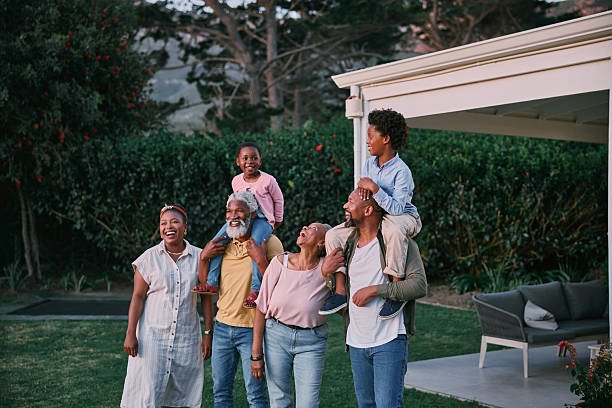
Yes, Africans and Indians absolutely do marry each other. These unions are a beautiful testament to global connectivity, shared histories, and individual love transcending geographical and cultural boundaries. While specific statistics on these exact intermarriages can be challenging to precisely quantify at a global scale, anecdotal evidence, historical contexts, and increasing global mobility clearly demonstrate that marriage between individuals of African and Indian descent is a growing phenomenon, enriching families and communities worldwide. This article will explore the historical roots, modern trends, challenges, and profound benefits of African-Indian marriages.
Historical Intersections: The Deep Roots of African-Indian Connections
The relationship between the African and Indian continents is not a recent development, but rather one steeped in centuries of interaction, trade, and migration. Understanding this shared history is crucial to comprehending why and how individuals from these regions come to form unions today.
Ancient Trade Routes and Cultural Exchange
For millennia, the Indian Ocean served as a vibrant highway connecting East Africa, the Arabian Peninsula, and the Indian subcontinent. Merchants exchanged goods like spices, textiles, ivory, and gold, but more importantly, they facilitated a profound exchange of ideas, technologies, and cultures. This early interaction laid a foundation for mutual awareness and, in some cases, established communities of either African or Indian origin in various coastal towns, influencing local languages, cuisines, and social structures.
The Indian Diaspora in Africa
A significant wave of Indian migration to Africa occurred during the 19th and early 20th centuries, primarily driven by the British colonial empire. Indians arrived as indentured laborers, particularly for railway construction in East Africa (e.g., Kenya, Uganda, Tanzania) and sugarcane plantations in Southern Africa (e.g., South Africa). Additionally, many Indian traders and entrepreneurs settled in various African nations, establishing thriving businesses and contributing significantly to the economies of their new homes. Over generations, these communities have integrated into the fabric of African societies, maintaining distinct cultural identities while also interacting extensively with local populations.
The African Presence in India: The Sidi Community
Conversely, there is a historical African presence in India, most notably the Sidi community. Descendants of East African people, many of whom arrived as merchants, sailors, or enslaved individuals, the Sidis have lived in India for centuries, predominantly in states like Gujarat, Karnataka, and Andhra Pradesh. They have largely assimilated into Indian culture, speaking local languages and often practicing Islam or Hinduism, yet they retain unique cultural elements, particularly in their music and dance. This historical presence further underscores the long-standing cross-continental connections.
Modern Dynamics: Factors Driving African-Indian Marriages Today
In the contemporary era, several factors contribute to the increasing incidence of African-Indian relationships and marriages, extending beyond historical migration patterns.
Increased Global Mobility and Education
The 21st century is characterized by unprecedented global mobility. Many African students pursue higher education in India, drawn by its reputable universities and relatively affordable education. Similarly, Indian professionals, entrepreneurs, and skilled workers seek opportunities in various African nations. These educational and professional exchanges create environments where individuals from both backgrounds interact daily, fostering friendships, relationships, and eventually, marriages.
Urbanization and Diverse Social Spaces
Large urban centers in both Africa and India are melting pots where people from diverse backgrounds live, work, and socialize. In cities like Bengaluru, Mumbai, Nairobi, or Johannesburg, individuals encounter a wider array of cultures than ever before. Workplaces, social gatherings, cultural events, and even online platforms provide ample opportunities for cross-cultural connections to blossom.
Media and Cultural Exposure
Globalization of media, including film, music, and digital content, exposes people to different cultures, challenging stereotypes and fostering curiosity. Bollywood films are popular in many parts of Africa, and African music genres are gaining traction globally, including in India. This cultural exchange can sometimes spark interest and open minds to relationships beyond traditional boundaries.
Navigating the Path: Challenges and Triumphs in Cross-Cultural Unions
While love knows no boundaries, African-Indian marriages, like any intercultural union, often involve navigating a unique set of challenges and celebrating profound triumphs.
Common Challenges Faced by African-Indian Couples
- Family Acceptance: Perhaps the most significant hurdle can be gaining acceptance from both families. Traditional expectations regarding caste, religion, community, and even skin color can pose initial resistance. Open communication and persistent effort are often required to bridge these divides.
- Cultural Differences: While there might be some shared values, significant differences exist in customs, traditions, gender roles, food preferences, and social etiquette. For example, dietary habits (vegetarianism vs. non-vegetarianism) or approaches to festivals can require careful negotiation.
- Language Barriers: Despite English often serving as a lingua franca, differences in mother tongues can sometimes impede deeper family integration or communication nuances.
- Societal Perceptions: Couples may face curiosity, stereotypes, or even prejudice from broader society, requiring resilience and a strong shared bond.
- Religious Discrepancies: Marriages between individuals of different faiths (e.g., Hindu and Christian, Muslim and Traditional African religions) necessitate mutual respect, understanding, and often a decision on how children will be raised religiously.
The Triumphs and Enriching Aspects
Despite the challenges, African-Indian marriages often lead to incredibly rich and rewarding experiences, fostering personal growth and creating unique family legacies.
- Cultural Blending: These unions create a vibrant fusion of traditions, cuisines, music, and languages. Children born into such families often grow up with a dual heritage, experiencing the best of both worlds.
- Expanded Perspectives: Spouses learn immensely from each other's backgrounds, gaining a broader understanding of global issues, human experiences, and diverse ways of life. This intellectual and emotional expansion can be profoundly enriching.
- Stronger Bonds: Overcoming initial challenges often forges exceptionally strong marital bonds built on deep understanding, patience, and mutual respect.
- Promoting Diversity and Tolerance: These families serve as living examples of diversity and tolerance, subtly challenging societal prejudices and promoting greater acceptance in their communities.
- Unique Family Traditions: Couples often create their own unique family traditions, blending elements from both cultures to celebrate holidays, rites of passage, and everyday life in innovative ways.
Supporting Successful African-Indian Intercultural Marriages
For individuals considering or currently in African-Indian relationships, certain approaches can significantly contribute to their success and happiness.
- Open and Honest Communication: Discuss expectations, values, and concerns openly and continuously. Cultural differences are easier to navigate when both partners feel heard and understood.
- Mutual Respect and Empathy: Actively seek to understand and respect each other's cultural norms, even if they differ from your own. Empathy is key to bridging gaps.
- Educate Yourselves and Each Other: Learn about your partner's history, traditions, family dynamics, and language. Share your own culture with them willingly.
- Engage with Both Families: Make an effort to build relationships with both sets of in-laws. While challenging at times, family acceptance can significantly reduce stress on the couple.
- Establish Shared Values and Traditions: While respecting individual heritage, identify or create new traditions and values that both partners can embrace, forming the unique identity of your own family unit.
- Seek Support Systems: Connect with other intermarried couples or communities that can offer advice, understanding, and a sense of belonging.
- Patience and Persistence: Building a strong cross-cultural marriage is a journey, not a destination. There will be ups and downs, requiring patience and a commitment to making it work.
The Future of African-Indian Relationships
As the world becomes increasingly interconnected through digital communication, global migration, and economic ties, marriages between Africans and Indians are likely to become even more common. These unions are not just individual stories of love; they are microcosms of a globalizing world, reflecting the breaking down of old barriers and the building of new bridges. They contribute to a richer, more diverse human tapestry, demonstrating that love, understanding, and mutual respect can indeed transcend any perceived divide.
Conclusion: Love Knows No Continent
In conclusion, the answer to 'Do Africans marry Indians?' is a resounding yes. These marriages are a vibrant reality, rooted in centuries of historical interaction and flourishing in the modern era of global connectivity. While they present unique challenges in navigating diverse cultural landscapes, they also offer unparalleled opportunities for personal growth, cultural enrichment, and the creation of truly unique family legacies. The increasing number of African-Indian couples around the world stands as a powerful testament to the universal nature of love and the enduring human capacity for connection across continents and cultures, enriching societies and fostering greater understanding in our interconnected world.
Enjoyed this read?
Share it with your friends and colleagues.