Did Africans Migrate To Europe

BSC Insights Admin
October 09, 2026
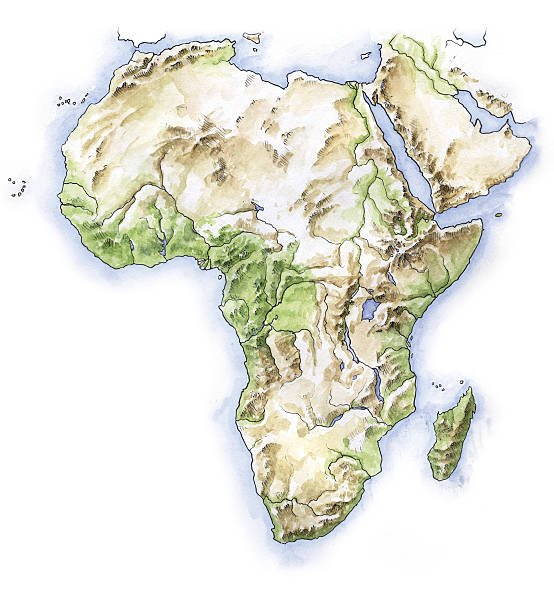
Did Africans Migrate To Europe? A Comprehensive Historical and Contemporary Overview
Yes, Africans have extensively migrated to Europe across millennia, a continuous process driven by a complex interplay of environmental, economic, political, and social factors. From prehistoric human dispersal out of Africa to the movement of people in ancient empires, the significant Islamic expansion into Iberia, and the profound post-colonial migrations, the continent of Africa has consistently contributed to the demographic and cultural landscape of Europe. This movement is not a recent phenomenon but a deeply rooted historical trend that continues to shape both continents today.
Understanding the question of African migration to Europe requires looking beyond contemporary headlines and delving into a rich history that spans epochs. This article will explore the various waves of migration, their underlying causes, the routes taken, and the lasting impact on both African societies and their European destinations.
Ancient and Medieval African Presence in Europe
The story of African migration to Europe is as old as human civilization itself, beginning with the very origins of humanity in Africa.
Prehistoric Movements and Early Human Dispersal
The earliest humans originated in Africa, and the initial wave of human dispersal out of Africa, often referred to as the “Out of Africa” migration, populated the globe. While this was not a direct migration to what we now define as Europe in a contemporary sense, it laid the genetic and anthropological groundwork for all subsequent human presence on the continent. These early movements involved small groups of hunter-gatherers slowly spreading across land bridges and coastal routes.
North Africans in the Roman Empire
During the era of the Roman Empire, North Africa (comprising modern-day Tunisia, Algeria, Morocco, and Libya) was an integral part of the Roman world, serving as its granary and a vital province. This period saw significant interaction and movement of people between North Africa and the European parts of the empire, particularly Italy, Spain, and Gaul.
- Trade and Commerce: Merchants, traders, and artisans from North African cities like Carthage, Leptis Magna, and Alexandria traveled to and settled in major Roman urban centers.
- Military Service: North Africans served extensively in the Roman legions, with units stationed throughout the empire, including various parts of Europe.
- Slavery: A significant, albeit forced, movement of people from various parts of Africa into Europe occurred through the slave trade within the Roman system.
- Intellectual Exchange: Scholars, philosophers, and early Christian leaders like St. Augustine of Hippo (from modern-day Algeria) played crucial roles in shaping European thought and religion, often studying or residing in Rome.
Archaeological evidence, ancient texts, and even genetic studies corroborate the diverse origins of populations within the Roman Empire, including a notable African presence.
The Moorish Conquest of Iberia
One of the most significant and well-documented historical migrations of Africans into Europe was the Moorish conquest of the Iberian Peninsula (modern-day Spain and Portugal) starting in 711 AD. The Moors were a diverse group of people primarily from North Africa (Berbers and Arabs), who brought with them Islamic culture and governance.
- Al-Andalus: For nearly eight centuries, large parts of Iberia were under Muslim rule, creating a sophisticated and tolerant society known as Al-Andalus. Cities like Cordoba, Seville, and Granada became centers of learning, science, art, and philosophy, far surpassing much of contemporary Christian Europe.
- Cultural Exchange: This period led to a rich exchange of ideas, technologies, and agricultural practices. African and Middle Eastern knowledge in mathematics, medicine, astronomy, and architecture profoundly influenced European development.
- Demographic Impact: The settlement of Moors in Iberia led to a significant demographic shift, with African and Arab populations integrating with indigenous Iberian communities. Their legacy is still visible in Spanish and Portuguese language, architecture, and cultural traditions.
The Reconquista, the Christian reconquest of Iberia, eventually pushed the Moors out by 1492, but their indelible mark on European history and culture remains a powerful testament to early African migration.
The Colonial Era and Post-Colonial Migration Waves
The advent of European colonialism in Africa dramatically altered existing relationships and set the stage for subsequent migration patterns, particularly in the 20th century.
Impact of European Colonialism
While European powers exerted control over Africa, leading to a largely extractive relationship, it also created new links and pathways between the continents. Colonial administrators, soldiers, and some African elites traveled to Europe for education or service. However, the true impact on migration became evident after independence.
Post-Colonial Migration to Europe
Following World War II, many European countries experienced labor shortages during their post-war reconstruction and industrial expansion. This demand, coupled with the existing colonial ties, spurred significant waves of post-colonial migration from Africa to Europe. Former colonial subjects were often granted easier entry or actively recruited to fill jobs that native Europeans were unwilling to do.
- France: Saw large-scale migration from its former colonies, particularly Algeria, Morocco, Tunisia, Senegal, and Mali, to work in industries and services.
- United Kingdom: Attracted migrants from West African nations like Nigeria and Ghana, as well as East African countries, to work in healthcare, transport, and manufacturing.
- Netherlands and Belgium: Experienced migration from their former colonies, such as Congo and Suriname (though Suriname is in South America, its post-colonial ties are relevant here), and later Morocco.
- Portugal: Following the Carnation Revolution and the independence of its African colonies in the mid-1970s, significant numbers of people from Angola, Mozambique, Guinea-Bissau, Cape Verde, and São Tomé and Príncipe migrated to Portugal.
These migrations were often driven by the promise of better economic opportunities, but also by the desire for education and family reunification. The communities established during this period have grown and diversified, forming the bedrock of today's African diaspora in Europe.
Contemporary Drivers of African Migration to Europe
In the 21st century, the motivations for Africans migrating to Europe have become even more complex, driven by a blend of persistent and emerging challenges and opportunities.
Economic Opportunities and Disparities
The primary driver for many African migrants remains the search for improved economic prospects. Income disparities between African nations and European economies are significant, leading many to seek higher wages, better job opportunities, and a higher standard of living. The phenomenon of remittances—money sent by migrants back to their home countries—is a critical source of income for many African families and national economies, further incentivizing migration.
Political Instability, Conflict, and Persecution
Conflict, civil wars, and political instability in several African regions force many to flee their homes as asylum seekers and refugees. Countries like Somalia, Eritrea, Sudan, South Sudan, and parts of the Sahel region have experienced prolonged periods of violence and persecution, leading to significant outflows of people seeking safety and protection in Europe.
Climate Change and Environmental Factors
Increasingly, climate change is emerging as a significant driver of migration. Desertification, prolonged droughts, floods, and other extreme weather events in agricultural regions of Africa destroy livelihoods, displace communities, and exacerbate resource scarcity. This environmental degradation often pushes people to seek new opportunities elsewhere, including Europe.
Demographic Pressures and Youth Bulges
Many African countries have rapidly growing, young populations. While a youth bulge can be an asset, without sufficient employment opportunities and economic growth, it can also lead to frustration and a desire to seek prospects abroad. The aspiration for a better future, often influenced by global media and social networks, plays a powerful role in motivating young Africans to migrate.
Family Reunification and Social Networks
Established African communities in Europe create strong social networks. Many individuals migrate to join family members already residing in European countries, facilitating further migration through the principle of family reunification. These networks provide crucial support, information, and resources for new arrivals.
Migration Routes, Challenges, and Integration
The journey from Africa to Europe is often fraught with peril, and integration into European societies presents its own set of challenges.
Perilous Routes: The Mediterranean Crossing
The Mediterranean Sea remains the most prominent and dangerous route for irregular migration from Africa to Europe. Migrants often travel through North African countries like Libya, Tunisia, and Morocco, where they embark on perilous sea crossings in overcrowded and unseaworthy vessels. The primary routes include:
- Central Mediterranean Route: From Libya or Tunisia to Italy (Lampedusa, Sicily) or Malta. This is often cited as the deadliest route.
- Western Mediterranean Route: From Morocco or Algeria to Spain (Canary Islands, mainland Spain).
- Eastern Mediterranean Route: Though primarily used by migrants from the Middle East, some African migrants, particularly from the Horn of Africa, also utilize routes through Turkey to Greece.
These journeys are facilitated by human traffickers and smugglers, who exploit vulnerable individuals, often leading to extortion, abuse, and tragic loss of life at sea.
Land Routes and Border Controls
Land routes, particularly through the Sahara Desert, are equally dangerous, exposing migrants to extreme conditions, violence, and exploitation. European border controls, including fences, surveillance, and increased patrols, aim to deter irregular migration, often pushing migrants towards more dangerous and clandestine methods.
Challenges of Integration and Discrimination
Upon arrival, African migrants often face significant challenges in integrating into European societies. These include language barriers, cultural differences, difficulties in accessing employment commensurate with their skills, and bureaucratic hurdles. Moreover, racism, xenophobia, and discrimination are persistent issues that affect many African communities in Europe, impacting their social mobility, housing, and overall sense of belonging. The debate around immigration policies often overlooks the human aspect of these journeys.
Cultural, Economic, and Demographic Contributions
Despite the challenges, African migrants have made substantial and diverse contributions to Europe, enriching its societies and economies in numerous ways.
Demographic Impact and Youthfulness
Europe faces an aging population and declining birth rates. African migration, often comprising younger individuals, helps to rejuvenate the European workforce and population structure. This influx of a younger demographic can alleviate pressures on social welfare systems and contribute to sustained economic activity.
Cultural Richness and Diversity
African communities have significantly contributed to Europe's cultural tapestry. This includes:
- Music and Arts: African rhythms, genres, and artistic expressions have influenced European music, fashion, and visual arts.
- Cuisine: African culinary traditions have introduced new flavors and dishes, diversifying the European food scene.
- Languages and Traditions: The presence of diverse African languages and cultural practices enriches the multicultural fabric of European cities.
Economic Contributions and Innovation
African migrants often fill labor gaps in sectors ranging from agriculture and construction to healthcare and IT. They contribute to the economy through their labor, consumption, and the establishment of businesses. Many are entrepreneurs, creating jobs and fostering innovation within their adopted countries. The taxes they pay and their contributions to social security systems also bolster European economies.
Conclusion: A Continuous, Evolving Phenomenon
In conclusion, the answer to "Did Africans migrate to Europe?" is an emphatic yes, a truth woven deep into the fabric of history and continuing into the present day. From ancient human movements and the significant impact of North Africans in the Roman Empire, through the transformative era of the Moors in Iberia, to the crucial post-colonial labor migrations, and the complex contemporary movements driven by economic disparities, conflict, and climate change, Africans have consistently moved to Europe. This historical and ongoing process is a testament to the interconnectedness of continents and cultures. While presenting numerous challenges, African migration has profoundly enriched Europe's demographic profile, economic dynamism, and cultural diversity, demonstrating that human mobility, even when arduous, is a fundamental aspect of global development and a continuous force shaping societies on both sides of the Mediterranean.
Enjoyed this read?
Share it with your friends and colleagues.