Did Africans Migrate To Jamaica

BSC Insights Admin
October 01, 2026
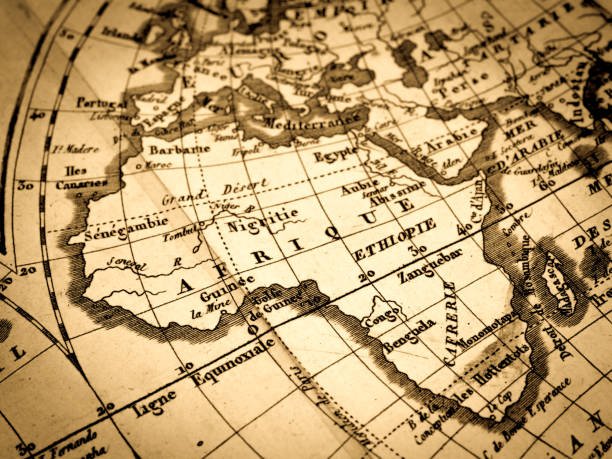
The question, "Did Africans migrate to Jamaica?" carries a complex historical weight, and the answer is a resounding yes, though predominantly through the brutal system of the transatlantic slave trade. From the 16th to the 19th centuries, millions of Africans were forcibly removed from their homelands and transported to the Caribbean, including Jamaica, irrevocably shaping the island's demographics, culture, and identity.
The Forced Migration: Africans in Jamaica Through the Transatlantic Slave Trade
The vast majority of Africans who arrived in Jamaica did not do so voluntarily but were victims of the transatlantic slave trade, an egregious period in human history spanning over 300 years. This massive human trafficking operation was driven by the European colonial powers' insatiable demand for labor to cultivate lucrative cash crops like sugar, tobacco, and coffee in their New World colonies. Jamaica, a British colony for centuries, became one of the primary destinations for enslaved Africans in the Caribbean.
The Middle Passage and Arrival
The journey across the Atlantic, infamously known as the Middle Passage, was a harrowing experience marked by unimaginable cruelty, disease, and death. Chained and packed into unsanitary holds of slave ships, an estimated 1.5 to 2 million Africans perished during the voyage itself. Upon arrival in Jamaica, survivors were subjected to brutal auctions and forced into servitude on plantations.
- Origins of Enslaved Africans: While diverse, a significant portion of enslaved Africans brought to Jamaica originated from West and Central Africa. Regions such as the Gold Coast (modern-day Ghana), the Bight of Benin (Togo, Benin, Nigeria), the Bight of Biafra (Nigeria, Cameroon), and Kongo-Angola (Democratic Republic of Congo, Angola) were major sources.
- Numbers and Impact: Historical records indicate that between 1655 and 1807 (when the slave trade was abolished by Britain), approximately 600,000 to 700,000 Africans were forcibly brought to Jamaica. By the late 18th century, enslaved Africans constituted over 90% of the island's population, profoundly altering its social and demographic landscape.
Life on Jamaican Plantations: Brutality and Resilience
Life for enslaved Africans on Jamaican sugar plantations was characterized by extreme exploitation, violence, and dehumanization. They endured grueling labor, inadequate food and housing, and constant threats of brutal punishment. Yet, despite these abhorrent conditions, Africans in Jamaica demonstrated remarkable resilience, preserving elements of their diverse cultural heritage and actively resisting their oppressors.
Cultural Preservation Amidst Oppression
Despite systematic attempts to strip them of their identity, enslaved Africans found ways to retain and adapt their cultural practices. This included:
- Language: While forced to learn English, elements of West African languages, grammar, and vocabulary influenced the development of Jamaican Patois (Creole), which remains a vibrant part of the island's identity.
- Religion and Spirituality: Traditional African religious beliefs and practices, often disguised or syncretized with Christianity, formed the basis for new spiritual expressions like Myalism, Revivalism, and later, elements of Rastafarianism. Ancestor veneration and spiritual healing were central.
- Music and Dance: Rhythms, drumming, and call-and-response singing from various African cultures survived and evolved, laying the foundation for Jamaican music forms such as Kumina, Mento, and eventually Reggae. Dance was a vital form of expression and communication.
- Cuisine: African culinary traditions, ingredients (like yam, okra, callaloo), and cooking methods (one-pot dishes) became integral to Jamaican cuisine.
Resistance and the Fight for Freedom
Resistance to slavery in Jamaica was widespread and multifaceted, ranging from daily acts of sabotage and feigned illness to daring escapes and large-scale rebellions. The dense interior mountains of Jamaica provided refuge for many who escaped, forming communities known as Maroons.
- Maroon Communities: Led by figures like the legendary Queen Nanny of the Maroons, these independent communities successfully resisted British attempts to re-enslave them for decades. They signed treaties with the British in the 18th century, granting them land and a degree of autonomy in exchange for assisting in the capture of new runaways.
- Major Slave Rebellions: Significant uprisings, such as Tacky's Revolt in 1760 and the Baptist War (also known as the Christmas Rebellion) led by Sam Sharpe in 1831-32, played crucial roles in challenging the institution of slavery and ultimately contributing to its abolition. These rebellions demonstrated the fierce desire for freedom among enslaved Africans.
The Aftermath of Emancipation and Continued Connections
Slavery was officially abolished in the British Empire in 1834, followed by a period of "apprenticeship" which finally ended in 1838. While this marked the end of chattel slavery, the challenges for formerly enslaved Africans and their descendants were far from over. They continued to face systemic discrimination, economic hardship, and social inequality.
Post-Emancipation Migration Patterns
In the post-emancipation era, there was no significant wave of voluntary migration from continental Africa to Jamaica. The focus shifted to internal migration within Jamaica (from plantations to free villages) and external migration from Jamaica to other parts of the Caribbean, Central America, the UK, and North America, as Jamaicans sought better economic opportunities.
- Indentured Labor: To address labor shortages on plantations after emancipation, British colonial authorities brought indentured laborers from India and China to Jamaica. This, however, was a distinct migration flow separate from the African arrival.
- 20th Century Voluntary Migration: In the 20th and 21st centuries, small numbers of Africans have migrated to Jamaica, largely for educational, professional, or diplomatic reasons, reflecting modern global mobility rather than a historical continuation of mass migration. These numbers are comparatively minuscule compared to the forced migration period.
The Enduring African Legacy: Shaping Modern Jamaica
The profound historical experience of Africans in Jamaica, born out of forced migration, has irrevocably forged the very fabric of the nation. The legacy of African ingenuity, resilience, and culture is evident in almost every aspect of contemporary Jamaican life.
Cultural Expressions and Identity
Jamaica's rich cultural tapestry is undeniably woven with strong African threads. This is observable in:
| Aspect of Jamaican Culture | African Influence/Origin |
|---|---|
| Language (Patois) | Syntactical structures, vocabulary, and tonal qualities derived from West African languages (e.g., Twi, Yoruba, Igbo). |
| Music | Rhythmic complexity, drumming traditions, call-and-response patterns, and spiritual themes rooted in African musical heritage (e.g., Kumina, Nyabinghi, Mento, Reggae). |
| Religion & Spirituality | Syncretic religions like Revivalism and Pocomania; elements of ancestor veneration, spirit possession, and healing practices from African traditional religions. Rastafarianism draws heavily on Ethiopianism and Pan-African ideals. |
| Cuisine | Staple foods such as yam, plantain, okra, callaloo; cooking techniques like one-pot stews and slow cooking; dishes like Ackee and Saltfish (ackee fruit originated in West Africa). |
| Folklore & Oral Traditions | Stories featuring trickster figures like Anansi (Spider-man), proverbs, and oral storytelling methods passed down through generations. |
Pan-Africanism and Global Connections
Jamaica has also been a crucible for Pan-African thought, notably through the work of Marcus Garvey, a national hero whose Universal Negro Improvement Association (UNIA) advocated for the unity and upliftment of people of African descent worldwide. His movement, along with the Rastafari movement, profoundly connected Jamaicans with their African heritage and promoted a sense of pride and self-determination.
Today, genetic ancestry tests frequently confirm the strong African roots of the vast majority of Jamaicans, reinforcing the historical narrative. These tests often trace lineage to specific regions in West and Central Africa, providing tangible links to ancestral homelands and cultural origins.
Conclusion: The Indelible African Mark on Jamaica
In conclusion, while "migration" often implies a voluntary movement, the question "Did Africans migrate to Jamaica?" must be understood primarily through the lens of forced relocation during the transatlantic slave trade. This monumental historical event, involving the transportation of hundreds of thousands of individuals from various parts of Africa, fundamentally established the ethnic, cultural, and socio-economic foundations of Jamaica. Despite the horrors of slavery, the resilience, cultural preservation, and persistent resistance of Africans and their descendants forged a unique and vibrant Jamaican identity, one that continues to celebrate its profound and indelible African heritage. The legacy of African migration to Jamaica is not just a historical footnote but the very heart of the nation's being.
Enjoyed this read?
Share it with your friends and colleagues.