Did Africans Own Black Slaves

BSC Insights Admin
September 30, 2026
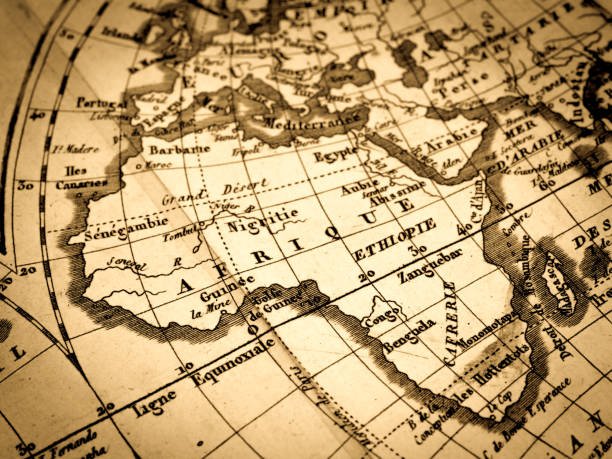
The question, Did Africans own black slaves?, is a complex one with a nuanced answer rooted in centuries of diverse social, economic, and political systems across the African continent. Yes, various forms of servitude, often referred to as slavery, existed within African societies long before and during the transatlantic slave trade, and these systems involved the ownership of people, often fellow Africans.
However, it is crucial to understand that these indigenous African systems of servitude differed significantly from the race-based, hereditary chattel slavery that characterized the transatlantic trade, where enslaved people were treated purely as property with no rights. This article will delve into the historical context, distinguish between different forms of African servitude, and examine their relationship with the devastating transatlantic slave trade.
Understanding Pre-Colonial African Systems of Servitude
Before European colonization and the full impact of the transatlantic slave trade, various forms of coerced labor and human bondage were prevalent across Africa. These systems were often integral to the social and economic structures of many communities, but they were rarely based on racial hierarchies.
Diversity of African Servitude
African societies were incredibly diverse, and so were their forms of servitude. There was no single, monolithic system of 'African slavery.' Instead, there existed a spectrum of arrangements that could include:
- Debt Bondage: Individuals or families could enter servitude to pay off debts, often for a defined period.
- War Captives: People captured during inter-tribal conflicts were often enslaved, serving various roles from laborers to soldiers.
- Judicial Punishment: Enslavement could be a punishment for crimes, particularly severe ones.
- Pawning: Individuals could be 'pawned' as collateral for loans, sometimes temporarily or for an indefinite period.
- Domestic Servitude: Many enslaved individuals served as household members, performing domestic tasks.
- Agricultural Labor: Enslaved people were often used for farming, particularly in societies with large agricultural estates.
Key Characteristics of Pre-Colonial Slavery
While often harsh, most pre-colonial African forms of servitude typically differed from the transatlantic chattel slavery in several critical aspects:
- Integration and Rights: Enslaved individuals were often assimilated into the lineage or family of their enslavers over time. They could marry, own property, hold positions of power, and even attain freedom. Their children were not always born into slavery, and often had better prospects for integration.
- Non-Hereditary (Often): Slavery was not always hereditary in the way it became in the Americas. While children of enslaved people might inherit their parents' status, opportunities for upward mobility and full integration were more common.
- Economic and Social, Not Racial: The primary drivers were often economic (labor, accumulation of wealth) or social (punishment, managing war captives) rather than racial. Enslaved people were typically from different ethnic groups or communities, but not a distinct 'race' in the modern sense.
- Paths to Freedom: Freedom could be achieved through various means, including service, marriage, military valor, or simply the passage of time.
The Impact of the Transatlantic Slave Trade
The transatlantic slave trade fundamentally altered existing African systems of servitude, escalating its scale and changing its nature dramatically. Beginning in the 16th century and lasting until the 19th century, this trade forcibly removed millions of Africans from their homes and transported them across the Atlantic to the Americas, where they were subjected to brutal chattel slavery.
Collaboration and Coercion
European demand for enslaved labor, particularly for plantations in the Americas, created an unprecedented market for human beings. African rulers, merchants, and warriors became involved in the trade, exchanging enslaved people for European goods such as firearms, textiles, and alcohol. This involvement was complex, driven by a mix of factors:
- Economic Incentives: Access to European goods offered significant economic and political advantages.
- Political Power: Acquiring firearms through the slave trade allowed some states to expand their power and defend against rivals, sometimes leading to a vicious cycle of raiding for captives.
- Coercion: Many African communities were themselves victims of slave raids and warfare instigated or exacerbated by the European presence. They might trade captives to avoid being captured themselves.
The Shift to Chattel Slavery
The transatlantic trade transformed the concept of slavery. It became:
- Race-Based: Enslavement became almost exclusively associated with people of African descent, creating a racial hierarchy.
- Hereditary: Children of enslaved mothers were automatically born into slavery, creating generations of bondage.
- Dehumanizing: Enslaved people were considered mere property (chattel) with no legal rights, stripped of their identity, culture, and humanity.
- Massive Scale: The sheer volume of people forcibly removed from Africa was unprecedented, devastating demographic, social, and economic structures.
African Societies' Involvement and Consequences
While some African societies profited from their involvement in the transatlantic slave trade, the long-term consequences for the continent were catastrophic. The trade fueled incessant warfare, depopulation, economic stagnation in many regions, and the disruption of traditional social and political structures. The continent lost millions of its most productive individuals, leading to a profound and lasting developmental setback.
Distinct Features: African Servitude vs. Chattel Slavery
To fully grasp the answer to Did Africans own black slaves?, it's essential to differentiate between the forms of servitude prevalent in Africa and the transatlantic chattel slavery.
Nature of Ownership and Rights
In many traditional African societies, an enslaved person was seen as belonging to a family, lineage, or ruler, rather than being mere disposable property. They often had certain customary rights and protections, even if limited. For instance, in some societies, an enslaved person could testify in court, own property, or even rise to positions of influence.
Conversely, transatlantic chattel slavery legally defined enslaved people as property—movable goods with no inherent rights. Their lives, labor, and reproduction were entirely at the discretion of their owners, with brutal enforcement mechanisms in place.
Economic Drivers and Scale
Pre-colonial African servitude was often driven by the need to integrate outsiders into communities, increase lineage size, or provide labor in an economy where land was plentiful but labor scarce. While it involved exploitation, it was not initially designed for large-scale, industrial-style production of cash crops like sugar, tobacco, or cotton, which fueled the transatlantic trade.
The transatlantic slave trade, however, was a vast, industrialized enterprise, systematically extracting human labor to fuel colonial economies in the Americas. This demand dramatically increased the scale and brutality of enslavement in Africa.
Heredity and Dehumanization
As mentioned, hereditary status was not always a given in African servitude, and the potential for integration and even freedom for children of enslaved people existed. Dehumanization, while present in any system of bondage, was not typically encoded in racial terms in pre-colonial African societies.
Chattel slavery, by contrast, was predicated on the explicit dehumanization of Africans as a distinct racial group, justifying their perpetual bondage and the hereditary transmission of their enslaved status. This ideological framework laid the groundwork for centuries of racial discrimination.
| Feature | Indigenous African Servitude | Transatlantic Chattel Slavery |
|---|---|---|
| Basis | Debt, war, crime, social integration | Race-based, primarily for plantation labor |
| Hereditary | Often not, or with paths to integration | Strictly hereditary (children born into slavery) |
| Rights/Integration | Potential for assimilation, property, marriage | Virtually no rights, considered property |
| Scale | Varied, often localized and smaller scale | Massive, intercontinental, industrial scale |
| Primary Goal | Labor, lineage expansion, social control | Wealth generation through forced labor |
Regional Variations in African Slavery
The forms of servitude also varied significantly across different regions of Africa.
West Africa
In West Africa, powerful states like the Ashanti, Dahomey, and Oyo Empires utilized enslaved labor for agriculture, mining, domestic tasks, and as soldiers. These states also became major suppliers of captives for the transatlantic slave trade, often through warfare and raids on weaker neighbors. The economic incentives from European traders greatly intensified existing patterns of warfare and enslavement.
East Africa (Swahili Coast, Indian Ocean Trade)
Along the East African coast, a long-standing slave trade, predating the transatlantic one, saw Africans enslaved and transported across the Indian Ocean to the Middle East, Persia, and India. This trade was conducted by Arab, Persian, Indian, and later, European merchants. Enslaved people were used for domestic work, pearl diving, sailor roles, and agricultural labor, particularly on clove plantations in Zanzibar. While also brutal, this trade often involved different demographics and routes than the Atlantic system.
North Africa (Barbary Coast, Saharan Trade)
The trans-Saharan slave trade, also an ancient system, involved moving enslaved people from sub-Saharan Africa across the Sahara Desert to North Africa, the Middle East, and Europe. This trade primarily involved women for domestic and sexual servitude and men for military service or labor. The Barbary pirates also captured Europeans for ransom or enslavement in North African states.
The Legacy and Modern Understanding
The history of slavery in Africa, both indigenous forms and the continent's involvement in external slave trades, is a deeply sensitive and complex subject. Acknowledging that Africans did own black slaves within their own societies and participated in the transatlantic slave trade is crucial for a complete and honest understanding of history.
Addressing Historical Nuances
It is important to avoid simplistic narratives. The participation of some African communities in the slave trade does not absolve European powers of their primary role in initiating, organizing, and profiting from the transatlantic system, nor does it diminish the immense suffering inflicted upon millions of enslaved Africans. Similarly, it's vital to differentiate the nature of pre-existing African servitude from the brutal, racialized system of chattel slavery.
Understanding this history requires recognizing the agency of various actors, the complex motivations, and the devastating, long-lasting consequences for both the African continent and the African diaspora.
Contemporary Slavery in Africa
Tragically, forms of modern slavery persist in various parts of Africa today, including forced labor, debt bondage, and human trafficking. These contemporary issues are often rooted in poverty, conflict, and a lack of strong governance, and while they are distinct from historical systems, they highlight the ongoing struggle for human dignity and freedom on the continent.
In conclusion, the question, Did Africans own black slaves?, unequivocally leads to a historical affirmative. Various forms of servitude existed within African societies, where Africans held other Africans in bondage. However, it is paramount to distinguish these often more integrated and less racially defined systems from the unique horrors and global scale of the transatlantic chattel slave trade, which fundamentally altered and intensified existing practices, making race the primary determinant of perpetual bondage. This complex history underscores the need for nuanced understanding and robust education about the diverse forms of human bondage throughout history.
Enjoyed this read?
Share it with your friends and colleagues.