Did Africans Participate In The Slave Trade

BSC Insights Admin
September 30, 2026
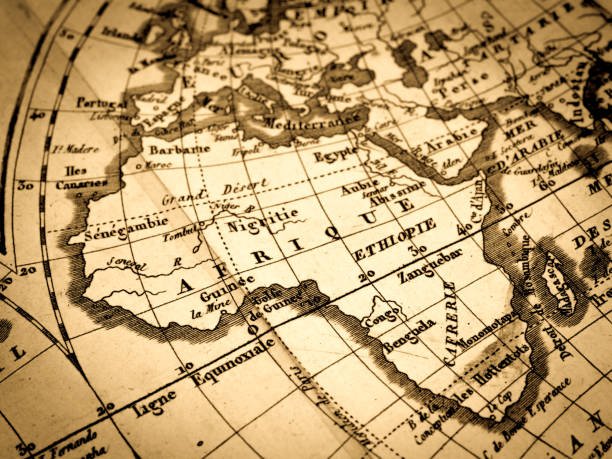
Yes, the historical record unequivocally shows that some Africans participated in the slave trade, specifically in the Transatlantic Slave Trade, by capturing, selling, and transporting enslaved people to European traders. However, understanding this complex history requires careful nuance, distinguishing between pre-existing forms of slavery within Africa and the distinct, devastating nature of the European-driven Transatlantic system.
Understanding Pre-Colonial African Slavery
Before the arrival of Europeans and the advent of the Transatlantic Slave Trade, various forms of servitude and slavery existed across Africa. These systems often differed significantly from the chattel slavery that would become the hallmark of the European-American system. In many African societies, enslaved individuals might be captives of war, debtors, or those who committed certain crimes. Their status was often not hereditary, and they could sometimes gain freedom, integrate into families, or even hold positions of power. They were typically not considered property in the same dehumanized way as those enslaved in the Americas. This internal African slavery was diverse, ranging from mild forms of servitude to more restrictive conditions, but generally lacked the racialized, perpetual, and industrially exploitative characteristics of the Transatlantic trade.
Pre-existing African slavery often served purposes such as labor for agriculture or mining, military service, and as a means of political control. However, these systems rarely involved the systematic commodification of human beings for export on a massive scale, nor were they based on race. The demand for human beings as a primary export commodity, driven by external forces, fundamentally transformed these existing social structures.
The Genesis of the Transatlantic Slave Trade and African Involvement
The Transatlantic Slave Trade began in the 15th century, initiated by European powers—primarily Portugal, followed by Spain, Britain, France, and the Netherlands—who sought cheap labor for their burgeoning colonies in the Americas. The demand for workers on sugar, tobacco, cotton, and other plantations fueled an insatiable need for enslaved Africans, leading to a monumental human catastrophe that lasted over four centuries.
It is in this context that the role of Africans in the slave trade becomes critical. European traders established fortified trading posts along the West and Central African coasts. They rarely ventured into the interior to capture people themselves, largely due to unfamiliarity with the terrain, susceptibility to diseases, and strong African resistance. Instead, they relied on existing African political and economic networks to supply captives.
Key African Actors and Their Motivations
African Rulers and Chiefs
Many powerful African rulers and chiefs played a significant role in the Transatlantic Slave Trade. These leaders controlled territories, commanded armies, and managed trade routes. They would engage in warfare against neighboring groups, often specifically to capture people who could then be sold to European traders waiting on the coast. Kingdoms such as Dahomey, Ashanti, Oyo, and Congo were prominent in these transactions.
- Economic Incentives: The primary motivation for many African leaders was economic gain. Europeans offered highly coveted goods in exchange for enslaved individuals. These goods included firearms, gunpowder, textiles, alcohol, ironware, beads, and shells (cowries, used as currency). The acquisition of such goods provided a significant advantage in wealth and status within their societies.
- Political and Military Power: Firearms acquired from Europeans were crucial for maintaining and expanding power. Rulers could use these weapons to dominate rivals, suppress rebellions, and conduct more effective raids for captives, creating a vicious cycle. The demand for arms often meant increasing the supply of enslaved people.
- Existing Practices: While different, existing practices of taking captives in war were adapted and intensified to meet the unprecedented European demand. What might have previously led to integration or local servitude now led to sale and forced export.
- Coercion and External Pressure: Some African states found themselves in a difficult position. If they refused to participate, their rivals, armed with European weapons, might conquer them and sell their own people. This created an environment where participation, even reluctantly, became a means of survival for some political entities.
African Merchants and Traders
Beyond rulers, a network of African merchants and traders facilitated the movement of enslaved individuals from the interior to the coastal trading posts. These individuals acted as middlemen, negotiating prices and ensuring the safe (though often brutal) transport of captives over long distances to the waiting European ships. This internal trade infrastructure was vital to the slave system's operation.
African Soldiers and Warriors
Armies and warriors commissioned by African rulers were instrumental in raiding villages and capturing individuals. These were often military expeditions specifically designed to procure captives for sale. The scale of these operations was vast, leading to widespread insecurity and devastation across regions of West and Central Africa.
The Mechanics of the Trade: From Capture to Coast
The journey for an enslaved person typically began with a raid on a village or a battle. Captives were then marched, often in chains or yokes, over hundreds of miles to the coast. This forced march, known as the "coffles," was brutal, with many dying from exhaustion, hunger, thirst, or disease before reaching the European trading forts, or "factories." Upon arrival, they were held in barracoons (holding pens) until a European ship arrived, and negotiations between African suppliers and European traders concluded. Once sold, they were branded and packed onto slave ships for the infamous Middle Passage.
It is important to emphasize that while African agents facilitated the capture and sale, the system of the Transatlantic Slave Trade—its financial backing, its maritime logistics, its destination in the Americas, and its ultimate purpose of creating racialized chattel slavery—was entirely European-controlled and driven.
Distinguishing African Slavery from Transatlantic Chattel Slavery
One of the most crucial aspects of this discussion is to delineate the fundamental differences between pre-colonial African forms of servitude and the chattel slavery of the Transatlantic system.
| Feature | Pre-Colonial African Slavery | Transatlantic Chattel Slavery |
|---|---|---|
| Basis | Warfare, debt, crime; not race-based. | Race-based (primarily Black Africans); inherited status. |
| Status | Variable; often retained some rights, possibility of integration/freedom. | Dehumanized property; no rights; perpetually enslaved. |
| Heredity | Often not hereditary; children might be free or have different status. | Strictly hereditary; children born to enslaved mothers were also enslaved. |
| Social Mobility | Possible to achieve freedom, marry into free families, or hold positions. | Virtually impossible; no legal path to freedom or social advancement. |
| Dehumanization | Generally seen as people within a social structure, albeit subordinate. | Treated as commodities, tools, or livestock; stripped of humanity and identity. |
| Purpose | Integration into society, labor, military service, status symbol. | Mass, unpaid labor for plantation economy; wealth generation for enslavers. |
The Transatlantic system transformed human beings into mere merchandise, stripped them of their identity, culture, and future, and subjected them to unimaginable brutality, all while cementing a racist ideology that justified their perpetual subjugation. This was a system of unprecedented scale and cruelty.
The Devastating Impact on African Societies
The impact of the slave trade on Africa was catastrophic and long-lasting. While some African elites initially benefited from the trade in terms of material wealth and political power, the continent as a whole suffered immense losses.
Demographic Catastrophe: Estimates suggest that over 12.5 million Africans were forcibly removed from their homes, with millions more dying during capture, the forced marches, or the Middle Passage. This loss of human capital, particularly of young, productive individuals, stunted population growth and development for centuries.
Social and Political Disruption: The constant demand for captives fueled inter-state warfare, destabilized kingdoms, and destroyed countless communities. Societies were plunged into a state of perpetual fear and insecurity. Trust within and between communities eroded. Existing political structures were often distorted to serve the slave trade.
Economic Underdevelopment: While European goods entered Africa, they did not foster sustainable economic development. Instead, the focus on capturing and selling people diverted labor and resources from productive activities like agriculture, manufacturing, and indigenous trade. African economies became dependent on European manufactured goods, stifling local industries.
Cultural Loss: The removal of so many people, each carrying unique cultural knowledge, traditions, and skills, resulted in an incalculable loss of cultural heritage across the continent.
The Overriding European Responsibility
While acknowledging the participation of some Africans is crucial for a complete historical understanding, it is equally vital to recognize the overriding responsibility of European powers in initiating, organizing, financing, and perpetuating the Transatlantic Slave Trade. European demand created the market, European ships transported the enslaved, and European colonies exploited their labor for immense profit. Without European colonial expansion and demand for cheap labor, the Transatlantic Slave Trade on such a massive, racialized scale would not have occurred.
European traders and governments actively encouraged African leaders to engage in the trade, often using manipulative tactics, exploiting rivalries, and introducing powerful firearms that disrupted traditional balances of power. The profit generated from the labor of enslaved Africans fueled European economic growth and industrialization, creating a stark imbalance of wealth and power between continents.
Conclusion: A Complex and Tragic History
In conclusion, the question "Did Africans participate in the slave trade?" receives a qualified yes. Some African rulers, chiefs, and merchants were indeed involved in the capture and sale of fellow Africans to European traders during the Transatlantic Slave Trade. Their motivations were complex, ranging from economic gain and political power to self-preservation in a brutal system. However, this participation occurred within a system primarily initiated, driven, and profited from by European demand for labor in the Americas.
It is imperative to distinguish between the diverse forms of pre-existing African servitude and the unique, racialized, and dehumanizing chattel slavery of the Transatlantic trade. The latter was an unprecedented catastrophe that devastated African societies, robbed millions of their freedom and lives, and laid the groundwork for centuries of racial inequality. Acknowledging African involvement does not diminish the ultimate culpability of the European powers who created and sustained this inhumane enterprise, nor does it lessen the profound suffering inflicted upon the enslaved and their descendants.
Enjoyed this read?
Share it with your friends and colleagues.