Did Africans Practice Voodoo

BSC Insights Admin
October 08, 2026
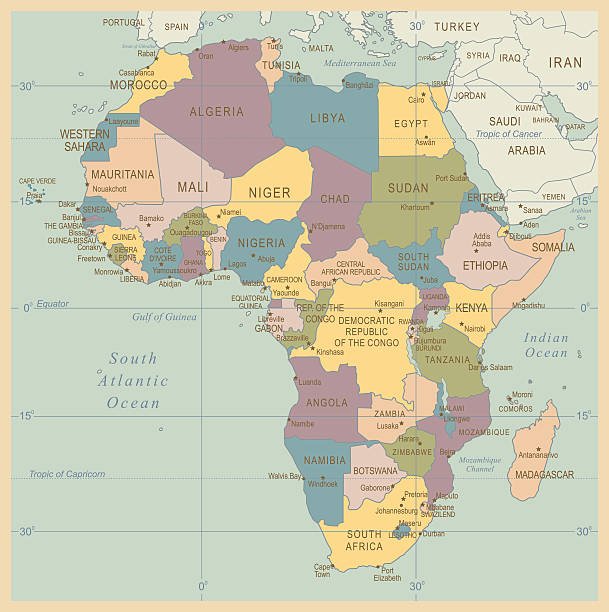
Yes, but the question of whether Africans practiced Voodoo requires a nuanced understanding, as the term "Voodoo" often refers to a syncretic religion developed in the Americas, while its foundational spiritual traditions, known as Vodun, originated and continue to be practiced in specific regions of West Africa. Vodun is an ancient, complex religious system indigenous to the Fon, Ewe, and Yoruba peoples of countries like Benin, Togo, and Ghana, serving as the ancestral bedrock for practices like Haitian Vodou and Louisiana Voodoo.
Understanding Vodun: The Ancestral African Spirituality
To accurately answer whether Africans practiced Voodoo, it is crucial to distinguish between Vodun in West Africa and its New World descendants. Vodun is not a monolithic religion across the entire African continent; rather, it is a specific traditional religion from a particular region. It is a vibrant, sophisticated spiritual system that predates the transatlantic slave trade and continues to thrive today.
The Core Principles of West African Vodun
West African Vodun centers on a profound connection between the living and the spiritual world. Its cosmology includes a supreme being (Mahou or Nana Buluku, often considered too distant for direct worship), lesser deities or spirits known as Vodun (or Orisha in Yoruba traditions), revered ancestors, and a belief in a dynamic, interconnected universe. Key tenets include:
- Reverence for Ancestors: A fundamental belief that deceased ancestors continue to influence and protect their living descendants.
- Spirit Communication: Interaction with Vodun spirits through rituals, offerings, dance, and possession, seeking guidance, healing, and protection.
- Natural World Connection: A deep respect for nature, where spirits often reside in natural elements like trees, rivers, and mountains.
- Community and Balance: Emphasis on maintaining harmony within the community and with the spiritual world.
Unlike the sensationalized portrayals, traditional African religions like Vodun are primarily focused on maintaining balance, healing, and community well-being, not on malevolent magic or curses. Priests and priestesses (Mambo and Houngan in later forms) serve as intermediaries between the human and spirit worlds, conducting ceremonies, offering divination, and providing spiritual guidance.
The Transatlantic Journey: From Vodun to Vodou
The forced migration of millions of Africans during the transatlantic slave trade profoundly impacted the evolution of Vodun. Enslaved people carried their spiritual beliefs, rituals, and knowledge across the Atlantic, adapting them to new, oppressive environments. This process led to the development of syncretic religions in the Americas, blending African traditions with elements of Catholicism and local indigenous beliefs.
Haitian Vodou: A New World Evolution
Perhaps the most well-known descendant of West African Vodun is Haitian Vodou. Developed in the French colony of Saint-Domingue (now Haiti), Vodou became a powerful force for cultural resistance and identity among enslaved Africans. It incorporated Catholic saints as representations or masks for African Vodun spirits (known as Lwa or Loa in Haiti), allowing practitioners to covertly maintain their spiritual practices under the guise of Catholicism.
The origins of Vodou in Haiti are directly traceable to the spiritual practices of enslaved peoples primarily from the Kingdom of Dahomey (modern-day Benin) and the Yoruba lands (modern-day Nigeria). Key characteristics of Haitian Vodou include:
- The Lwa (Loa): A pantheon of spirits that serve as intermediaries to Bondye (the distant supreme creator), mirroring the Vodun of West Africa.
- Ritual and Ceremony: Elaborate ceremonies involving drumming, singing, dancing, and spirit possession to communicate with the Lwa.
- Community Focus: Vodou serves as a communal religion, providing social support, healthcare, and a framework for justice within communities.
- Cultural Resilience: Played a crucial role in the Haitian Revolution, uniting diverse African ethnic groups under a common spiritual banner.
Louisiana Voodoo: American Adaptations
Another significant branch is Louisiana Voodoo, which developed in New Orleans. While sharing roots with Haitian Vodou and West African Vodun, it evolved with distinct characteristics, incorporating French, Spanish, and Native American influences. Louisiana Voodoo is often more focused on individual spellwork, charms (gris-gris), and divination, and less on large communal ceremonies compared to Haitian Vodou. The popular image of "Voodoo dolls" is largely associated with Louisiana Voodoo, though its use is often misunderstood and exaggerated in popular culture.
Debunking Misconceptions: What Voodoo Is Not
The most pervasive misunderstanding is the association of Voodoo with black magic, curses, and evil. This negative portrayal largely stems from colonial narratives, sensationalist literature, and Hollywood films, which sought to demonize African spiritual practices and justify the enslavement and oppression of African peoples. In reality, both West African Vodun and Haitian Vodou:
- Are NOT Black Magic Religions: While protection and justice are sought, the primary aim is spiritual growth, healing, and community harmony. Malicious intent is considered an abuse of spiritual power, not its core purpose.
- Do NOT Focus on "Voodoo Dolls" for Harm: Dolls, if used, are typically for healing, protection, or as representations of spirits or individuals for positive influence, not for sticking pins to inflict pain.
- Are NOT Satanic: There is no concept of "Satan" or the devil in traditional Vodun or Vodou theology. These are monotheistic Christian concepts.
- Are NOT Undisciplined Chaos: These are highly structured religions with complex cosmologies, ethical systems, and trained clergy.
The term "Voodoo" itself has become a loaded word, often used derogatorily. Many practitioners of Haitian Vodou prefer to simply call their religion "Vodou" to distinguish it from the negative stereotypes and popular culture's misrepresentation. In West Africa, the term "Vodun" is consistently used.
The Enduring Legacy and Practice Today
Today, Vodun continues to be widely practiced in West Africa, particularly in Benin, Togo, and Ghana. It is not an outdated belief system but a living, evolving religion integrated into daily life. Benin, often considered the birthplace of Vodun, even recognizes it as an official religion, with annual festivals celebrating its heritage.
Similarly, Haitian Vodou remains a dominant cultural and spiritual force in Haiti, deeply intertwined with the nation's identity and social fabric. Millions of people around the world, particularly in the Caribbean, parts of Brazil (Candomblé), and the southern United States, continue to practice various forms of African-derived religions.
These spiritual systems offer practitioners a sense of identity, community, and connection to their ancestors and the divine. They provide frameworks for understanding the world, coping with life's challenges, and seeking personal and communal well-being. The emphasis is on respect, reciprocity, and maintaining balance between the seen and unseen worlds.
Key Aspects of Modern Practice
Modern practitioners engage in rituals that often involve:
- Offerings: Food, drink, and other items given to spirits and ancestors to show respect and request blessings.
- Divination: Using various methods (e.g., cowrie shells, kola nuts) to gain insight and guidance from the spirits.
- Healing: Spiritual healing through herbs, rituals, and communication with benevolent spirits for physical and mental ailments.
- Community Gatherings: Regular ceremonies bring communities together for worship, celebration, and social cohesion.
The authenticity and richness of these practices stand in stark contrast to the fictionalized narratives propagated by Western media, highlighting the need for accurate representation and understanding.
The Diversity of African Spiritual Practices
It is also important to remember that Vodun is just one of many traditional African religions. The continent of Africa is vast and incredibly diverse, home to thousands of distinct ethnic groups, each with its own unique spiritual beliefs, cosmologies, and practices. Generalizing all African spirituality under the umbrella of "Voodoo" would be a significant disservice to this rich tapestry of faiths.
Other prominent examples include:
- Yoruba Religion (Ifá): Widely practiced in Nigeria, Benin, and globally, focusing on Orisha deities and the wisdom of Ifá divination.
- Zulu Traditional Religion: Centered on ancestor veneration and a supreme being (Nkulunkulu) in Southern Africa.
- Maasai Religion: Reverence for Enkai (God) and a strong connection to cattle and nature in East Africa.
Each of these religions, like Vodun, provides a holistic framework for understanding existence, ethics, and the relationship between humanity and the divine, rooted in specific cultural and historical contexts.
Conclusion: A Legacy of Resilience and Spirituality
In conclusion, while the term "Voodoo" as commonly understood largely refers to the syncretic religions developed in the Americas, its foundational spiritual traditions, known as Vodun, undeniably originated and continue to be practiced by Africans in specific West African nations like Benin, Togo, and Ghana. These traditional African spiritual practices are complex, deeply communal, and focused on maintaining harmony, healing, and a strong connection to ancestors and nature.
The journey of Vodun from the ancestral lands of West Africa to the Caribbean and beyond is a testament to the resilience of African cultures in the face of immense adversity. Debunking the pervasive myths and understanding the true nature of Vodun and Vodou reveals a rich spiritual heritage that continues to shape the lives of millions, emphasizing community, balance, and profound spiritual engagement rather than the sensationalized and often fear-mongering stereotypes.
Enjoyed this read?
Share it with your friends and colleagues.