How Did Africans Resist Colonial Rule

BSC Insights Admin
September 30, 2026
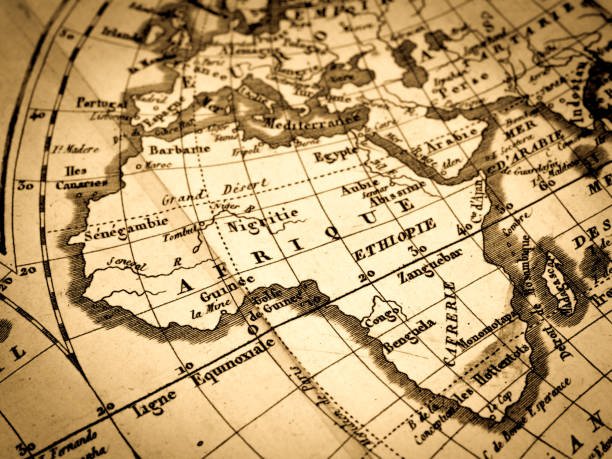
Africans resisted colonial rule through a vast array of multifaceted strategies, encompassing armed struggle, sophisticated political movements, economic boycotts, and the steadfast preservation of cultural identity. This unwavering resistance, often overlooked or downplayed in historical narratives, was instrumental in shaping the eventual decolonization of the continent and establishing the independent nations we know today.
The Dawn of Colonialism and Initial Resistance
The infamous Scramble for Africa in the late 19th century saw European powers carve up the continent, often without regard for existing ethnic, linguistic, or political boundaries. This imposition of colonial rule was met with immediate and often fierce resistance by various African communities and kingdoms, who fought to maintain their sovereignty and traditional ways of life.
Early Armed Resistance
Many of the initial responses to European encroachment were military in nature. African leaders and their armies, despite often being outmatched by superior European weaponry and organizational tactics, bravely confronted the invaders. These early forms of armed resistance in Africa demonstrated a deep commitment to independence.
- Samory Touré (Mandinka Empire): In West Africa, Samory Touré led a protracted and highly organized resistance against French colonial expansion for nearly two decades (1882-1898). A brilliant military strategist, he repeatedly outmaneuvered the French, even establishing his own arms factories to counter European technological superiority. His resistance, though eventually overcome, remains a powerful symbol of African agency.
- Maji Maji Rebellion (German East Africa): From 1905 to 1907, various ethnic groups in German East Africa (modern-day Tanzania) united under the belief that a sacred water (maji) would protect them from German bullets. This spiritual motivation fueled a massive uprising, one of the largest African resistance movements against colonial forces, which, despite its tragic suppression, profoundly impacted German colonial policy.
- Ethiopia's Victory at Adwa: A unique and inspiring instance of successful colonial rule resistance was Ethiopia's decisive victory over Italian forces at the Battle of Adwa in 1896. Under Emperor Menelik II, Ethiopian forces, armed and well-led, inflicted a crushing defeat on a European colonial power, ensuring Ethiopia's independence and serving as a beacon of hope for other African nations.
- Anglo-Zulu War: In Southern Africa, the Zulu Kingdom, under King Cetshwayo, mounted formidable resistance against British imperial ambitions in 1879. The Zulus famously defeated British forces at the Battle of Isandlwana, highlighting the strength and discipline of African armies, even if they ultimately succumbed to overwhelming British power.
These early engagements, while often ending in colonial victory due to technological disparities and internal divisions exploited by Europeans, were crucial in laying the groundwork for future struggles. They showed that African peoples were not passive recipients of colonial domination but active agents in their own history.
Evolving Forms of Resistance: Political & Economic Strategies
As direct military confrontation became increasingly unsustainable, forms of anti-colonial resistance evolved. Educated Africans, many of whom had been exposed to European political ideas and systems, began to organize politically and economically to challenge the colonial structure from within and without.
Nationalist Movements and Political Activism
The post-World War II era saw a dramatic rise in African nationalist movements. African intellectuals and political leaders, inspired by ideas of self-determination and Pan-Africanism, formed political parties and organizations to demand greater autonomy and eventual independence. These movements were critical in fostering a sense of shared African identity and purpose against the colonial powers.
- Kwame Nkrumah (Ghana): A pioneering figure in the decolonization of Africa, Nkrumah led Ghana (then Gold Coast) to independence in 1957. His Convention People's Party (CPP) used mass rallies, non-violent protests, and political organizing to pressure the British, becoming a model for other independence movements in Africa.
- Jomo Kenyatta (Kenya): Kenyatta was a prominent leader of the Kenya African Union (KAU), advocating for African rights and eventually leading Kenya to independence. His political activism, though intertwined with the Mau Mau Uprising, galvanized national consciousness.
- Nnamdi Azikiwe (Nigeria): A key architect of Nigerian independence, Azikiwe employed journalism and political organizing to promote Nigerian nationalism and advocate for self-rule, playing a crucial role in uniting diverse ethnic groups against colonial domination.
- African National Congress (ANC) in South Africa: Founded in 1912, the ANC initially pursued non-violent means to protest racial discrimination and colonial injustices. Over decades, it evolved into the leading force against apartheid, engaging in both political advocacy and, later, armed struggle to achieve liberation.
Boycotts, Strikes, and Civil Disobedience
Economic and social tools became powerful weapons in the hands of the colonized. Peaceful protest in Africa took various forms, aimed at disrupting colonial economies and demonstrating the collective power of the African populace. These tactics proved effective in drawing attention to grievances and forcing concessions from colonial administrations.
- Economic Boycotts: Africans frequently boycotted European goods, taxes, and services. These actions aimed to hit colonial powers where it hurt most—their economic interests—and demonstrated a collective refusal to cooperate with an oppressive system.
- General Strikes: Urban workers, particularly in industries vital to colonial economies like mining and transportation, organized widespread strikes. These actions brought cities to a standstill, forcing colonial authorities to negotiate and concede to demands for better wages and working conditions, inadvertently empowering nascent labor movements.
- Tax Resistance: Refusal to pay colonial taxes was a common act of defiance, impacting the financial machinery of the colonial state and signaling popular discontent.
Cultural and Intellectual Resistance
Resistance to colonial rule was not solely military or political; it was deeply ingrained in the preservation and assertion of African identity. Cultural resistance in Africa played a vital role in maintaining the dignity and heritage of African peoples in the face of European attempts to impose their own cultural norms.
Preserving Indigenous Cultures and Traditions
Africans actively resisted cultural assimilation by safeguarding their languages, religious practices, artistic expressions, and oral traditions. These acts were not merely passive; they were deliberate affirmations of identity and defiance against the colonial narrative of European cultural superiority.
- Syncretic Religions: Many African communities adapted Christianity and Islam, blending them with indigenous beliefs and practices. This syncretism allowed Africans to embrace new faiths while retaining elements of their spiritual heritage, subtly resisting total cultural domination.
- Maintenance of Traditional Leadership: Even under indirect rule, traditional leaders often found ways to subtly resist colonial directives, interpreting them in ways that benefited their communities or preserving traditional governance structures beneath the veneer of colonial administration.
- Négritude Movement: Intellectuals like Léopold Sédar Senghor (Senegal) and Aimé Césaire (Martinique) spearheaded the Négritude movement, an intellectual and literary movement that celebrated black culture, values, and aesthetics. It was a powerful affirmation of African identity and a rejection of colonial cultural denigration, contributing significantly to African liberation struggles.
Education as a Tool for Empowerment
Recognizing the power of knowledge, many Africans actively sought education, even if initially offered through colonial institutions. They quickly turned this education against the colonial masters, using it to articulate grievances, organize movements, and prepare for self-governance. Independent schools were also established to provide an education rooted in African values and aimed at fostering a sense of national pride and purpose.
Guerrilla Warfare and Nationalist Uprisings
Following World War II, as the promise of self-determination often lagged behind rhetoric, some African resistance movements intensified, resorting to more militant tactics, including widespread guerrilla warfare, particularly against recalcitrant settler regimes. These movements were pivotal in the final push towards independence.
The Mau Mau Uprising (Kenya)
The Mau Mau Uprising (1952-1960) in Kenya was a brutal and protracted anti-colonial insurgency primarily by the Kikuyu people against British rule and white settlers. Though ultimately suppressed with extreme violence, it demonstrated the deep-seated anger and determination of Africans to reclaim their land and sovereignty. It forced the British to accelerate the timetable for Kenyan independence.
Liberation Movements in Southern Africa
In Southern Africa, where settler populations were entrenched and white minority governments resisted decolonization, liberation movements often resorted to armed struggle. These African liberation struggles were prolonged and often bloody.
- FRELIMO (Mozambique) and MPLA (Angola): Both movements engaged in prolonged guerrilla wars against Portuguese colonial rule, eventually achieving independence in 1975 after the Carnation Revolution in Portugal.
- ZANU and ZAPU (Zimbabwe): These nationalist movements fought a protracted guerrilla war against the white minority government of Rhodesia, leading to the establishment of independent Zimbabwe in 1980.
- SWAPO (Namibia): The South West Africa People's Organization fought for decades against South African occupation and apartheid, finally securing Namibia's independence in 1990.
The Role of International Solidarity
African resistance was significantly bolstered by international solidarity. The principles of Pan-Africanism gained traction globally, and nascent international bodies, alongside Cold War dynamics, provided varying degrees of support for decolonization.
United Nations and Decolonization
The United Nations, founded after World War II, increasingly became a platform for advocating self-determination for colonized peoples. Resolutions condemning colonialism and supporting independence movements provided moral and political leverage for African nationalists. The UN's Decolonization Committee played a crucial role in monitoring the progress towards independence and highlighting abuses by colonial powers.
Support from the Cold War Blocs
During the Cold War, both the Soviet Union and China offered material and ideological support to various anti-colonial resistance tactics, particularly those that adopted a socialist orientation. This external backing provided crucial military aid, training, and diplomatic support, enabling liberation movements to sustain their struggles against well-equipped colonial armies.
Legacy and Impact of African Resistance
The diverse and persistent historical resistance in Africa ultimately led to the dismantling of colonial empires. The legacy of African resistance is profound, extending far beyond the achievement of political independence.
Shaping Post-Colonial Africa
The struggle for independence profoundly shaped the political, economic, and social landscape of post-colonial Africa. The leaders who emerged from these resistance movements often became the founding fathers of their nations, attempting to forge new identities and structures from the inherited colonial frameworks. While challenges like neo-colonialism, political instability, and economic dependence persisted, the foundation of self-determination was laid.
Inspiration for Future Movements
The tactics and triumphs of African resistance provided inspiration for other civil rights and liberation movements worldwide. The Pan-African ideal, born out of the struggle against colonialism, continues to influence movements advocating for racial justice and self-empowerment globally.
Conclusion
The question of how Africans resisted colonial rule reveals a compelling narrative of resilience, ingenuity, and unwavering determination. From the initial armed clashes of the 19th century to sophisticated political organizing, economic boycotts, cultural preservation, and ultimately, widespread liberation movements, Africans consistently challenged and ultimately dismantled colonial systems. Their resistance was not monolithic but a dynamic interplay of various strategies, adapted over time and across different regions, ultimately leading to the achievement of independence and forever changing the course of African history. The enduring spirit of these African resistance movements continues to resonate, reminding the world of the power of agency and the universal human desire for freedom.
Enjoyed this read?
Share it with your friends and colleagues.