In What Ways Did Africans Resist Slavery

BSC Insights Admin
September 30, 2026
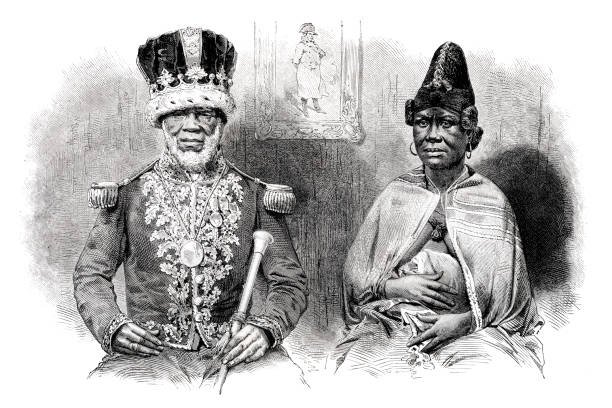
Africans resisted slavery in myriad ways, demonstrating remarkable resilience and an unwavering desire for freedom, ranging from overt and violent rebellions to subtle, daily acts of defiance and the powerful preservation of cultural identity. Their resistance encompassed active revolts, escapes, sabotage, maintaining spiritual practices, and creating maroon communities, all aimed at undermining the brutal system of chattel slavery and reclaiming their humanity. These diverse forms of African resistance to slavery highlighted the indomitable spirit of enslaved people and their persistent struggle against oppression.
The history of slavery is often told through the lens of oppression, but equally important is the narrative of resistance. Enslaved Africans, stripped of their freedom and humanity, consistently sought to defy their captors and reclaim their autonomy. This resistance was not monolithic; it evolved in response to conditions, opportunities, and the ever-present threat of severe punishment. Understanding these forms of slave resistance is crucial to appreciating the agency and determination of those who endured and fought back.
The Spectrum of African Resistance Against Slavery
Resistance to slavery was a continuous thread woven through the fabric of the transatlantic slave trade and the institution it created. It manifested in both direct, confrontational actions and indirect, covert strategies, demonstrating incredible ingenuity and courage. These actions were not merely reactive; they were deliberate choices made to assert identity, maintain dignity, and achieve liberation.
Active and Overt Forms of Resistance
These were the most visible and often most dangerous forms of resistance, directly challenging the authority of enslavers through physical confrontation and flight.
Revolts and Rebellions
Slave revolts represent the most audacious and collective acts of defiance. While many were brutally suppressed, their occurrence sent shockwaves through the slaveholding societies and demonstrated the continuous threat to the system. These uprisings were often meticulously planned, sometimes involving hundreds or thousands of enslaved individuals.
- The Haitian Revolution (1791-1804): Arguably the most successful slave revolt in history, leading to the establishment of the independent nation of Haiti. Led by figures like Toussaint Louverture, it inspired hope among enslaved people globally and struck fear into the hearts of enslavers.
- Maroon Rebellions: Throughout the Caribbean and Brazil, escaped enslaved Africans formed autonomous communities known as maroon communities (e.g., Palmares in Brazil, the Saramaka in Suriname, and various groups in Jamaica). These communities often fought protracted wars against colonial powers to maintain their freedom and often raided plantations to free others.
- Gabriel's Rebellion (1800): An ambitious plot in Virginia, U.S., organized by enslaved blacksmith Gabriel Prosser, which aimed to march on Richmond. Though betrayed and suppressed, it underscored the enslaved people's capacity for organized resistance.
- Nat Turner's Rebellion (1831): A deadly uprising in Virginia, U.S., led by Nat Turner, a literate enslaved preacher. It resulted in the deaths of approximately 55 white people and led to severe white retaliation but cemented Turner's place as a symbol of radical resistance.
- Stono Rebellion (1739): One of the earliest and largest slave revolts in the British North American colonies, occurring in South Carolina. Enslaved people marched south, hoping to reach Spanish Florida for freedom.
Flight and Escape
Individual or small-group escape was a constant form of resistance. The desire for freedom often outweighed the immense risks involved, including brutal recapture, starvation, or death. The network of paths and safe houses known as the Underground Railroad in the U.S. became a powerful symbol of collective escape, facilitated by both free blacks and sympathetic whites.
- Individual Escapes: Countless enslaved Africans simply ran away, seeking refuge in swamps, forests, or distant towns. While many were recaptured, the sheer volume of runaways placed a continuous strain on the slave system.
- Mass Escapes: Occasionally, groups would escape together, sometimes forming small, temporary maroon camps before attempting to reach free territories.
- Seeking International Asylum: Enslaved people in border regions (e.g., Spanish Florida, Mexico, Canada) often attempted to cross into territories where slavery was illegal or less rigorously enforced.
Passive and Covert Forms of Resistance
While less dramatic than revolts, these everyday acts of resistance were insidious, undermining the productivity and morale of the slave system from within. They demonstrated intelligence, adaptability, and a refusal to be completely dehumanized.
Sabotage and Malicious Obedience
Enslaved Africans often employed subtle tactics to disrupt the plantation economy. These acts, though seemingly minor, aggregated to significant economic losses for enslavers.
- Breaking Tools: Deliberately damaging hoes, plows, or other equipment to slow down work or necessitate repairs.
- Feigning Illness or Injury: Pretending to be sick, lame, or pregnant to avoid labor or gain temporary respite.
- Slowing Down Work: Working at a deliberately slow pace, often referred to as 'strike of the hoe,' to reduce productivity.
- Arson: Setting fire to barns, crops, or even slaveholders' homes was a powerful, though extremely risky, act of defiance.
- Poisoning: Infrequently, but significantly, poisoning enslavers or their livestock occurred, often through traditional knowledge of herbs and plants.
Cultural and Psychological Resistance
Perhaps the most pervasive form of African resistance to slavery was the steadfast commitment to preserving cultural identity and maintaining an inner sense of self-worth in the face of relentless dehumanization. This category highlights the resilience of the human spirit.
- Preservation of Language and Oral Traditions: Despite efforts to suppress African languages, elements persisted in pidgins and creoles, becoming codes of communication and identity. Storytelling and folklore were crucial for transmitting history, values, and hope.
- Maintaining Spiritual Beliefs and Practices: African religions (e.g., Vodou, Santeria, Candomblé) often blended with Christianity, creating syncretic faiths that provided comfort, community, and a spiritual framework for resistance. Spirituals, ostensibly Christian songs, often contained coded messages of freedom and rebellion.
- Forming and Protecting Families: Despite the constant threat of family separation, enslaved Africans went to extraordinary lengths to establish and maintain family units, which served as crucial support systems and centers of identity.
- Naming Practices: Retaining or choosing African names, or giving children names that honored ancestors, was a quiet but profound assertion of identity and heritage.
- Suicide and Self-Mutilation: In extreme cases, enslaved individuals chose death over bondage or inflicted self-harm to render themselves unfit for labor, viewing it as the ultimate act of self-ownership and defiance.
- Infanticide: Though a tragic and harrowing act, some enslaved women chose to kill their infants rather than allow them to grow up in slavery, an agonizing decision born of a desperate desire to prevent perpetuating the cycle of bondage.
Spiritual and Community-Based Resistance
Community structures and shared belief systems were vital for sustaining resistance and hope, offering a sense of belonging and collective strength.
The Role of Religion and Music
African spiritual traditions provided a powerful foundation for resistance. Even when outwardly adopting Christianity, enslaved Africans infused it with their ancestral beliefs, finding messages of liberation in biblical stories like the Exodus. Music, especially spirituals and work songs, served multiple purposes:
- Coded Communication: Songs often contained hidden messages about escape routes, meeting times, or impending rebellions.
- Morale and Solidarity: They provided comfort, expressed sorrow, and fostered a sense of community and shared purpose.
- Preservation of Identity: Rhythms, melodies, and lyrical structures often echoed African musical traditions, keeping cultural memory alive.
Building and Sustaining Community
The creation of strong social bonds and networks was a foundational act of resistance. These communities, often formed under dire circumstances, provided mutual support, shared knowledge, and facilitated organized actions.
- Shared Knowledge: Traditional African medical practices, farming techniques, and craft skills were passed down and adapted, offering a degree of self-sufficiency and autonomy.
- Mutual Aid: Community members would look out for each other, sharing food, comfort, and protection, especially in challenging times.
- Underground Networks: Informal networks of communication and assistance facilitated escapes and shared information about resistance efforts.
The Enduring Legacy of African Resistance
The myriad ways Africans resisted slavery had profound and lasting impacts, both during and after the era of bondage. Their courage and ingenuity not only challenged the institution of slavery but also laid the groundwork for future struggles for civil rights and human dignity.
One significant impact was the continuous disruption of the slave economy. The costs associated with controlling enslaved populations – from hiring overseers to funding militias to hunt runaways – were substantial. The constant threat of revolt or sabotage required significant resources and vigilance from enslavers, reducing profitability and increasing anxiety.
Moreover, the narratives and realities of enslaved Africans fighting back directly fueled the global abolitionist movement. Testimonies from formerly enslaved people, vivid accounts of escapes, and the sheer moral repugnance of the institution were powerful tools for activists. The Haitian Revolution, in particular, demonstrated that enslaved people could not only fight for freedom but also successfully govern themselves, profoundly influencing political discourse across the Atlantic world.
Culturally, the forms of resistance – particularly the preservation of language, music, religion, and family structures – ensured that African heritage endured and profoundly shaped the cultures of the Americas. This cultural resilience is a testament to the strength and adaptability of the African diaspora, contributing rich traditions that continue to influence global art, music, and spirituality.
In conclusion, the history of slavery is inextricably linked with the history of resistance. Africans resisted slavery in every conceivable way, from the thunderous cries of rebellion to the quiet dignity of cultural preservation, and from the desperate flight for freedom to the subtle defiance of daily acts. These acts of resistance were not just about physical liberation; they were profound affirmations of humanity, agency, and an unyielding will to survive and thrive. The courageous struggles of enslaved Africans serve as a powerful reminder of the enduring human spirit in the face of unimaginable oppression, a legacy that continues to inspire movements for justice and equality worldwide.
Enjoyed this read?
Share it with your friends and colleagues.