Did Africans Ride Elephants

BSC Insights Admin
October 01, 2026
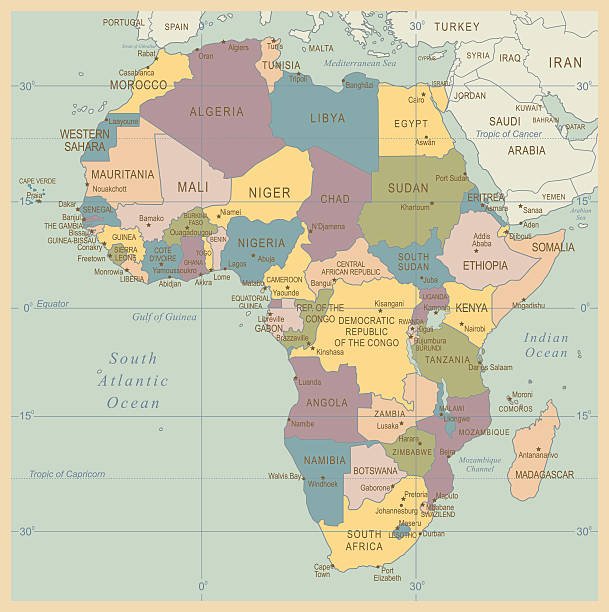
Yes, historically, Africans did ride elephants, primarily in specific regions of North Africa and for particular purposes, most notably military operations during ancient times. While not as widespread or domesticated for labor as in parts of Asia, the use of elephants by African civilizations, particularly the Carthaginians and Ptolemaic Egyptians, is well-documented and forms a compelling chapter in the continent's history of human-animal interaction.
The Historical Presence of Elephants in Africa
Africa is home to the world's largest land animals, the African elephants. There are two recognized species: the larger African savanna elephant (Loxodonta africana) and the smaller, shyer African forest elephant (Loxodonta cyclotis). Both species were historically more widespread across the continent than they are today. Their presence profoundly influenced human societies, providing resources, shaping landscapes, and occasionally becoming subjects of human taming and utilization.
Unlike their Asian cousins, African elephants are generally considered more challenging to tame and domesticate due to their temperament and larger size. However, historical records clearly indicate that some ancient African cultures successfully captured and trained these magnificent beasts.
African War Elephants: A Legacy of Power
Ptolemaic Egypt and the Nubians
One of the earliest and most prominent examples of Africans riding elephants comes from ancient Egypt, particularly during the Ptolemaic dynasty (305–30 BC). The Ptolemies, a Greek dynasty ruling Egypt, heavily invested in elephant warfare, primarily using African forest elephants sourced from Nubia (present-day Sudan) and the Horn of Africa.
- Military Might: These elephants served as formidable war machines, used to intimidate enemies, break enemy formations, and provide a mobile platform for archers or javelin throwers.
- Famous Battles: The Ptolemies famously deployed African elephants against their Seleucid rivals, who typically used larger Asian elephants, demonstrating that even smaller African elephants could be effective in battle.
- Capture and Training: The process involved extensive expeditions to capture wild elephants, often young ones, followed by rigorous training programs led by experienced handlers.
Beyond the Ptolemies, there is some evidence suggesting that earlier Nubian kingdoms also had interactions with elephants, potentially including their use, though less extensively documented for riding in warfare compared to the later Ptolemaic period.
Carthage and Hannibal Barca's Legendary Campaign
Perhaps the most famous instance of Africans riding elephants is associated with ancient Carthage, a powerful North African civilization. The Carthaginians, particularly under the brilliant general Hannibal Barca, employed war elephants to great effect during the Punic Wars against the Roman Republic.
Hannibal's audacious crossing of the Alps in 218 BC with his army included a contingent of war elephants. These were predominantly North African forest elephants, a now-extinct subspecies of the African forest elephant. Though smaller than their Asian counterparts, they were still imposing and capable of wreaking havoc on Roman legions.
Key Aspects of Carthaginian Elephant Use:
- Psychological Warfare: The sheer sight and sound of approaching elephants instilled terror in enemy ranks.
- Battlefield Impact: They were used to charge enemy lines, break formations, and disrupt cavalry.
- Logistical Challenge: Transporting and feeding these animals across vast distances and difficult terrain, as Hannibal demonstrated, was an immense logistical feat.
While many of Hannibal's elephants perished during the harsh journey and subsequent battles, their initial impact was undeniable, securing several Carthaginian victories against the Romans. The Roman general Scipio Africanus eventually learned to counter elephant tactics, leading to their decline in effectiveness.
The Roman Empire's Continued Use in Africa
After the fall of Carthage, the Romans themselves adopted the practice of using elephants, often acquiring them from North Africa. They continued to capture and train African elephants for military purposes, gladiatorial games, and triumphal parades, symbolizing power and conquest.
Why African Elephants Were Difficult to Tame
The historical scarcity of African elephant riding, especially compared to Asia, stems from several factors related to the animals' biology and temperament:
- Size and Strength: African elephants are generally larger and more powerful than Asian elephants, making them physically more challenging to control.
- Temperament: African elephants are often described as more aggressive and less tolerant of human interference than Asian elephants. They have larger ears that facilitate better hearing and are highly attuned to their environment, making them more prone to startling.
- Breeding in Captivity: Historically, breeding African elephants in captivity proved extremely difficult. Most war elephants had to be captured from the wild, making their supply reliant on dangerous and resource-intensive expeditions. Asian elephants, conversely, have a longer history of captive breeding.
- Social Structure: African elephant herds have complex social structures, and removing individuals, particularly calves, can have significant ecological and social impacts, making sustainable capture more challenging.
Despite these challenges, ancient civilizations demonstrated that with sufficient resources, expertise, and determination, African elephants could indeed be tamed and ridden.
Beyond Warfare: Other Uses of Elephants in Ancient Africa
While military use dominates the historical narrative of African elephant riding, there might have been other, albeit less common, applications:
Transportation and Labor:
- Evidence for widespread use of African elephants for heavy labor or civilian transport, similar to logging elephants in Southeast Asia, is sparse. The primary reason for this is likely the difficulty in taming and sustaining them for such purposes.
- However, in specific contexts, particularly during capture and training operations, elephants would have been ridden by mahouts (trainers) for handling and control.
Symbolism and Status:
- In many African cultures, elephants symbolize strength, wisdom, royalty, and longevity. Their ivory was highly prized.
- The ability to control and ride an elephant would have been a powerful display of status and authority for kings, generals, and leaders.
The Decline of Elephant Riding in Africa
The practice of riding elephants, particularly for military purposes, largely faded from Africa after the Roman period for several reasons:
- Changing Warfare: Military tactics evolved, with the rise of more effective cavalry, archery, and infantry formations rendering slow-moving, unpredictable elephants less strategically vital.
- Logistical Costs: Maintaining and deploying war elephants was incredibly expensive and logistically demanding, requiring vast amounts of food, water, and specialized handlers.
- Population Decline: Continuous capture of wild elephants for warfare and other uses, coupled with habitat loss, led to significant declines in elephant populations in North Africa, making sourcing them increasingly difficult.
- Disease: Elephants are susceptible to various diseases, which could decimate a herd, especially when transported across different environments.
By the medieval period, elephant warfare was practically extinct in North Africa, and the species of elephant used by Hannibal became extinct. In Sub-Saharan Africa, where large empires and complex societies flourished, the riding of elephants never took hold on a scale comparable to North Africa or Asia. Interactions were primarily through hunting, resource utilization (ivory), and coexistence.
Modern Human-Elephant Interaction in Africa
Today, the relationship between humans and elephants in Africa is vastly different. The focus has shifted from taming and riding to conservation and protection. African elephants face severe threats from poaching for ivory, habitat loss, and human-wildlife conflict.
Current Interactions:
- Conservation Efforts: Many organizations and governments work tirelessly to protect elephant populations and their habitats.
- Ecotourism: Responsible ecotourism allows people to observe elephants in their natural environment, providing vital funding for conservation. While some elephant-back safaris exist in certain parts of Africa, they are controversial due to welfare concerns. Ethical tourism prioritizes viewing elephants in the wild or supporting sanctuaries that do not involve riding.
- Anti-Poaching Patrols: Rangers and anti-poaching units may use vehicles, aircraft, or foot patrols to monitor elephants, but direct riding for patrol purposes is rare, although elephants are crucial for transport of supplies into remote areas.
The modern understanding emphasizes the wild nature and immense value of African elephants as a keystone species essential for maintaining biodiversity and ecosystem health.
Summary: The African Elephant's Place in History
In conclusion, while the image of elephant riding might be more commonly associated with Asia, Africans did ride elephants in specific historical contexts. The Carthaginians and Ptolemaic Egyptians successfully tamed and deployed African elephants, primarily for military purposes, showcasing ingenuity and mastery over these powerful animals. This practice, largely confined to North Africa, was challenging, resource-intensive, and eventually declined due to evolving warfare, logistical demands, and environmental pressures. Today, the focus has entirely shifted to the urgent imperative of African elephant conservation, ensuring these magnificent creatures continue to thrive in their natural habitats for generations to come, largely free from direct human riding or interference.
Enjoyed this read?
Share it with your friends and colleagues.