Did Africans Ride Horses

BSC Insights Admin
September 30, 2026
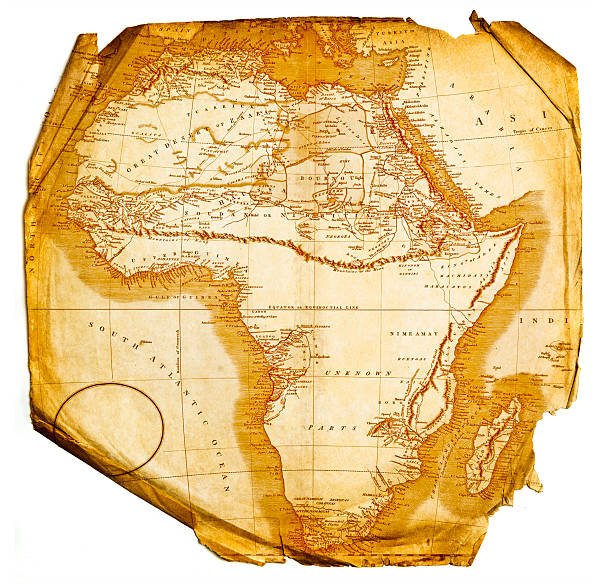
Yes, Africans absolutely rode horses, and their equestrian history is as rich, diverse, and ancient as any on the planet. From the pharaohs of ancient Egypt to the powerful cavalry of West African empires and the resilient horsemen of Ethiopia, horses played a pivotal role in shaping African civilizations, warfare, trade, and culture for millennia. Despite significant environmental challenges in some regions, the relationship between Africans and horses is a testament to adaptation, innovation, and strategic brilliance.
The continent's engagement with horses dates back thousands of years, with archaeological evidence and historical records illuminating a vibrant tradition of horsemanship. This deep connection underscores the crucial role horses played not just as beasts of burden or tools of war, but as symbols of prestige, power, and cultural identity across numerous African societies.
The Ancient Roots of Equestrianism in Africa
The presence of horses in Africa can be traced back to antiquity, significantly impacting the development of some of the continent's earliest and most powerful civilizations. The introduction and subsequent integration of horses into African societies marked a turning point in military capabilities, transportation, and agricultural practices, especially in the north.
Early Domestication and Introduction
Horses are believed to have been introduced to North Africa from the Near East, likely through Egypt, around the second millennium BCE. Initially, their primary use was in pulling chariots, a technology that revolutionized warfare and transportation. This early adoption laid the groundwork for a long and influential equestrian tradition across various regions of Africa.
- Ancient Egypt: The Hyksos are often credited with introducing chariot warfare to Egypt around 1650 BCE. The New Kingdom pharaohs, like Thutmose III and Ramesses II, perfected its use, establishing powerful cavalry units that were integral to their military expansion and control. Egyptian tomb paintings and artifacts frequently depict horses and chariots, showcasing their importance.
- Nubia: South of Egypt, the ancient kingdom of Nubia (Kush) also developed a strong equestrian culture. The Meroitic period, in particular, saw the rise of formidable Nubian archers who fought on horseback, making them a significant military force in the region. Their cavalry was known for its prowess and often clashed with or allied with Egyptian forces.
Beyond military applications, horses in these early civilizations were also used for hunting, transport, and as symbols of royal power and divine connection, highlighting their multifaceted role in society.
Horses in North Africa: A Millennia-Long Tradition
The northern reaches of Africa, particularly the Maghreb, developed some of the most enduring and influential equestrian traditions on the continent. The region's geography, with its vast deserts and fertile coastal plains, proved conducive to horse breeding and horsemanship.
- The Berber Peoples: Indigenous to North Africa, the Berbers are renowned horsemen with a history of equestrianism spanning thousands of years. They developed the famous Barb horse breed, known for its endurance, agility, and docile temperament. The Barb horse became an indispensable asset for travel across the Atlas Mountains and the Sahara Desert, playing a crucial role in trade, warfare, and daily life. Berber cavalry was a formidable force, both in defending their territories and, later, in the Islamic conquests of the Iberian Peninsula.
- Roman and Arab Influences: The arrival of the Romans further integrated horses into North African military and administrative structures. Later, the Arab conquests in the 7th century CE not only reinforced but expanded the existing equestrian traditions, introducing new breeds and horsemanship techniques, further solidifying the horse's central role in the region.
This enduring tradition ensured that horse riding remained a vital skill and a significant cultural element throughout North Africa, influencing subsequent generations and spreading equestrian knowledge further south.
The Age of Empires: Horses as Pillars of Power
As empires rose and fell across Africa, horses consistently emerged as critical assets, shaping the military strategies, economic fortunes, and political landscapes of many powerful states. Their speed, strength, and intimidation factor made them invaluable.
West African Empires: Cavalry, Conquest, and Commerce
West Africa witnessed the rise of several powerful empires that leveraged cavalry to unprecedented degrees. The ability to deploy mounted warriors provided a decisive advantage in control of vast territories and long-distance trade routes.
- Kanem-Bornu Empire: Situated around Lake Chad, the Kanem-Bornu Empire (c. 9th to 19th centuries) stands as a prime example of an African state built upon a powerful cavalry. Their mounted warriors, often clad in quilted armor, were instrumental in expanding and defending the empire. The introduction of the 'lifidi' (quilted armor for both horse and rider) made them a formidable force. Horses were not just for war; they were integral to the trans-Saharan trade, transporting goods like salt, gold, and kola nuts.
- Mali Empire: While often celebrated for its wealth and learning under Mansa Musa, the Mali Empire (c. 1235–1670 CE) also utilized horses, especially in its early expansion and for maintaining control over its extensive network of trade routes. Though perhaps less cavalry-dependent than Kanem-Bornu, horses facilitated communication and rapid deployment across vast distances.
- Songhai Empire: Succeeding Mali, the Songhai Empire (c. 1464–1591 CE) under rulers like Sonni Ali and Askia the Great also maintained significant cavalry forces. These forces were crucial for defending against incursions and extending Songhai's influence across the Sahel. The speed of their cavalry allowed for swift responses to threats and effective control over conquered territories.
In these West African empires, horses were more than just military tools; they were symbols of elite status, wealth, and authority. Owning horses was a privilege, and their care and training became specialized crafts. They facilitated the movement of goods and ideas, fostering cultural exchange and economic prosperity throughout the region.
East Africa: The Abyssinian Cavalry
In East Africa, particularly in the highlands of Ethiopia, a unique and long-standing equestrian tradition flourished. The Ethiopian Empire, often known as Abyssinia, developed a highly skilled cavalry that played a crucial role in its history.
- Ethiopian Empire: For centuries, the Abyssinian cavalry was a cornerstone of the Ethiopian military. Known for their agility, courage, and effective use of terrain, these mounted warriors were instrumental in defending the empire against numerous invaders, including the Egyptians, Ottoman Turks, and later, Italian colonial forces. Battles like Adwa (1896), where Ethiopian forces decisively defeated an Italian invasion, featured significant cavalry maneuvers.
- Distinctive Horsemanship: Ethiopian horsemen were celebrated for their unique riding styles and close bond with their horses. The hardy Abyssinian horse breed, adapted to the challenging mountainous terrain, became synonymous with their military prowess and cultural identity.
The legacy of the Abyssinian cavalry remains a powerful symbol of Ethiopian independence and military strength, reflecting a deep-seated and respected equestrian heritage.
The Role of Horses in African Societies
Beyond their military applications, horses permeated various aspects of African life, profoundly influencing economics, social structures, and cultural expressions.
Warfare and Military Strategy
The introduction and widespread adoption of horses transformed warfare in many parts of Africa. Mounted warriors offered several tactical advantages:
- Speed and Mobility: Cavalry could cover vast distances quickly, allowing for rapid deployment, surprise attacks, and swift retreats. This was crucial for controlling large territories and intercepting enemies.
- Shock Value: A charge of disciplined cavalry could break enemy lines, instill fear, and disrupt formations, often leading to decisive victories.
- Logistics: Horses were used to transport supplies and equipment, improving the logistical capabilities of armies operating far from their bases.
- Tactical Development: African militaries developed sophisticated cavalry tactics, including flanking maneuvers, feigned retreats, and combined arms approaches with infantry and archers.
The ability to field strong cavalry units often dictated the balance of power between rival kingdoms and empires, marking horses as an essential military technology for centuries.
Trade, Transportation, and Communication
In regions where horses could thrive, they were indispensable for facilitating trade and maintaining communication across expansive landscapes. This was particularly true for the trans-Saharan trade routes.
- Trans-Saharan Trade: While camels were the primary pack animals for the deepest desert crossings, horses were crucial for rapid transport of goods and people on the fringes of the desert and in the Sahelian zones. They enabled merchants to travel faster and safer, connecting diverse economies and cultures.
- Local Transportation: Within empires and kingdoms, horses served as primary modes of transport for administrators, messengers, and elites, ensuring efficient governance and communication across dispersed populations.
- Economic Stimulus: The need for horses, their fodder, and associated equipment (saddles, bridles, armor) stimulated local economies, fostering specialized crafts and trade networks.
Horses were thus vital arteries through which wealth, ideas, and people flowed, contributing significantly to the economic and social integration of African regions.
Status, Prestige, and Cultural Significance
The ownership and display of horses often conveyed immense social and political status in many African societies. They were far more than mere animals; they were living symbols of power and authority.
- Symbols of Royalty and Leadership: Kings, chiefs, and powerful warlords frequently owned the finest horses, often adorned with elaborate tack and decorations. Riding a horse in public processions was a powerful display of prestige and legitimacy.
- Art and Oral Traditions: Horses are frequently depicted in African art, rock paintings, sculptures, and oral narratives, reflecting their deep integration into cultural consciousness. They often feature in stories of heroic warriors, legendary leaders, and epic battles.
- Ceremonies and Festivals: Equestrian displays, parades, and festivals, such as the Fantasia in North Africa or traditional durbar festivals in West Africa, continue to celebrate the cultural importance of horses, showcasing skilled horsemanship, elaborate attire, and community pride.
The bond between African people and their horses extended into spiritual realms for some, with horses seen as noble creatures imbued with special significance.
Challenges and Adaptations: Where Horses Faced Limits
Despite their widespread use, the expansion of horses throughout all of Africa was not without significant challenges, primarily environmental and biological in nature. African societies demonstrated remarkable adaptability in overcoming these obstacles.
The Tsetse Fly Belt
Perhaps the single greatest natural barrier to extensive horse ownership in large parts of Sub-Saharan Africa was the tsetse fly. These flies are vectors for trypanosomiasis, or sleeping sickness, a devastating disease for both humans and livestock, including horses.
- Impact on Distribution: The presence of tsetse flies created vast zones, particularly in humid, forested, and savanna regions of central and southern Africa, where horses simply could not survive or thrive. This ecological barrier largely explains why cavalry traditions were strongest in the drier, tsetse-free zones of North Africa, the Sahel, and the Ethiopian highlands.
- Limited Southern Expansion: While horses were introduced to Southern Africa by European settlers, their sustained presence remained limited to specific areas free from the tsetse fly or where intensive management could mitigate its effects.
The tsetse fly belt thus profoundly shaped the geography of horse ownership and equestrian cultures in Africa, forcing alternative animal husbandry or transportation methods in affected areas.
Climate, Terrain, and Resources
Beyond the tsetse fly, other environmental factors also played a role in the distribution and management of horses:
- Arid Deserts: While some desert regions were traversed by horses, the extreme aridity and lack of water sources presented logistical challenges, often necessitating reliance on more resilient animals like camels for long desert journeys.
- Dense Rainforests: The dense vegetation, humidity, and prevalence of disease vectors in rainforests made them unsuitable habitats for horses, leading to the use of human porters or canoes for transport in these areas.
- Resource Availability: Maintaining horse populations requires significant resources, including ample pasture, fresh water, and specific types of fodder, which were not universally available or easily sustained across all African landscapes.
These challenges highlight the selective nature of horse adoption and adaptation in different African environments.
African Horse Breeds
Over centuries, specific horse breeds emerged or were adapted to the unique conditions of different African regions, showcasing local expertise in animal husbandry.
- The Barb Horse: Originating in North Africa, the Barb is one of the world's oldest horse breeds. It is renowned for its incredible stamina, agility, hardiness, and intelligence, making it ideal for the desert and mountainous terrains of the Maghreb. The Barb has influenced many other breeds globally, including the modern Thoroughbred.
- The Dongola Horse: Primarily found in Sudan and neighboring regions, the Dongola is a larger, more elegant horse, believed to be related to the Barb. It was historically prized for its use as a warhorse and for ceremonial purposes, known for its distinctive appearance and proud carriage.
- The Abyssinian Horse: Native to the Ethiopian highlands, this breed is known for its resilience, sure-footedness, and ability to navigate rugged terrain. It served as the primary mount for the famed Abyssinian cavalry, demonstrating remarkable endurance and courage.
These breeds are a testament to the specialized breeding and care practices developed by African peoples to suit their specific needs and environments.
Modern Echoes of African Horsemanship
Even today, the legacy of African equestrianism continues to thrive, adapting to modern contexts while honoring ancient traditions.
Preserving Traditions
Across Africa, efforts are made to preserve and celebrate traditional horsemanship. Many communities hold festivals and events where historical riding styles, elaborate attire, and the cultural significance of horses are proudly displayed. These events serve to educate younger generations and reinforce a sense of cultural identity connected to the horse.
- Fantasia in North Africa: This traditional equestrian performance, particularly popular in Morocco and Tunisia, involves groups of horsemen (serba) dressed in traditional attire, simulating cavalry charges, and firing muskets in unison. It is a powerful cultural expression of Berber and Arab equestrian heritage.
- Durbar Festivals in West Africa: In regions like Northern Nigeria, similar festivals showcase elaborate parades of emirs and their retinues on horseback, adorned in richly decorated robes and harnesses. These are celebrations of power, heritage, and community.
Equestrian Sports and Tourism
In contemporary Africa, horses also find roles in modern sports and the growing tourism industry.
- Equestrian Sports: Polo, show jumping, endurance riding, and racing are gaining popularity in several African countries, with national teams participating in international competitions. These sports draw on the inherent athleticism and spirit of African horse breeds and riders.
- Horseback Safaris: In East and Southern Africa, horseback safaris offer tourists a unique way to experience the continent's stunning wildlife and landscapes. Riding through game reserves allows for close encounters with animals, often without disturbing them, providing an unparalleled adventure.
These modern applications demonstrate the enduring versatility and appeal of horses in Africa, bridging ancient traditions with contemporary interests.
Conclusion
The question, Did Africans ride horses? is unequivocally answered with a resounding yes, underscoring a vast and multifaceted history often overlooked. From the charioteers of ancient Egypt and the formidable cavalry of Nubia, to the renowned Berber horsemen of North Africa, the powerful mounted armies of the Kanem-Bornu and Songhai Empires in West Africa, and the resilient Abyssinian cavalry in Ethiopia, horses were integral to military might, economic prosperity, and cultural identity across the continent. Despite the significant ecological barrier posed by the tsetse fly in certain regions, African societies adapted, innovated, and cultivated deep, enduring relationships with horses. This rich legacy of African horsemanship is not merely a historical footnote but a vibrant tapestry of skill, strategy, and cultural significance that continues to resonate in modern traditions and equestrian pursuits today.
Enjoyed this read?
Share it with your friends and colleagues.