Did Africans Sell Slaves To The Portuguese

BSC Insights Admin
September 30, 2026
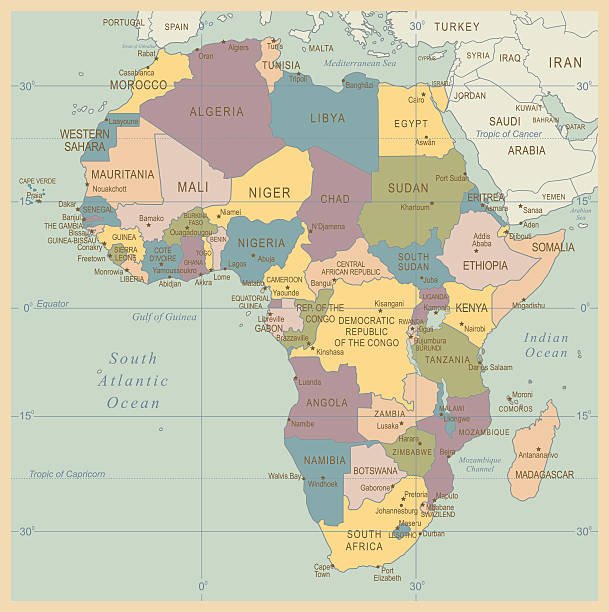
Yes, historically, some African polities, rulers, and merchants did sell enslaved people to the Portuguese, particularly during the era of the transatlantic slave trade. However, framing this interaction requires a deep understanding of the complex historical context, pre-existing systems of servitude in Africa, and the immense European demand that transformed these practices into a massive commercial enterprise with devastating consequences.
The Pre-Existing Landscape of Slavery in Africa
To understand the role of Africans in the slave trade with the Portuguese, it is crucial to recognize that various forms of servitude, often termed 'slavery' but differing significantly from the chattel slavery that developed in the Americas, existed across Africa long before European arrival. These indigenous systems were diverse and varied by region and culture.
Diverse Forms of Servitude
Prior to the 15th century, when the Portuguese began their extensive explorations along the African coast, many African societies had established practices for integrating or managing non-free individuals. These forms of servitude typically involved:
- Debt Bondage: Individuals or families could enter servitude to pay off debts, often for a defined period.
- War Captives: People captured during inter-state or inter-ethnic conflicts were frequently enslaved, sometimes integrated into the captor society, or used for labor or tribute.
- Criminals: Those who committed severe crimes might be enslaved as a form of punishment.
- Social Integration: Enslaved people were often incorporated into families or clans, with opportunities for upward mobility, marriage, or even becoming landowners over generations. Their status was often not inheritable in the same rigid way as chattel slavery.
- Political or Military Service: Enslaved individuals could serve in royal courts, administrative roles, or as soldiers, sometimes wielding significant power.
These systems were fundamentally different from the dehumanizing, race-based, perpetual, and inheritable chattel slavery that characterized the transatlantic trade. In many African societies, enslaved individuals often retained certain rights, and their status was not always permanent or purely economic. The concept of selling people purely as commodities to be shipped overseas was largely foreign before the arrival of European powers.
Regional Variations
The nature of slavery varied significantly across the vast African continent. In some areas, such as the Sahel and savanna regions, long-distance trade in enslaved people across the Sahara to North Africa and the Middle East (the trans-Saharan slave trade) had been active for centuries, largely driven by demand from Islamic states. However, the scale and destructive impact of the transatlantic trade introduced by Europeans were unprecedented.
The Portuguese Arrival and the Commercialization of Human Lives
The arrival of the Portuguese in the 15th century marked a pivotal turning point. Initially seeking a sea route to Asia, gold, and spices, the Portuguese soon realized the potential for exploiting human labor. Their presence along the West African coast gradually transformed existing forms of servitude into a highly commercialized and devastating enterprise.
Initial Interactions and Demand
The first Portuguese ventures into slave acquisition were often through raids on coastal communities. However, these proved unsustainable and costly. It quickly became more efficient and safer for Europeans to engage in trade with local African rulers and merchants who controlled access to internal networks and had existing practices of capturing and trading people.
The critical shift occurred with the colonization of the Americas. The vast plantations in Brazil and the Caribbean, requiring intensive labor for sugar, tobacco, cotton, and mining, created an insatiable demand for enslaved workers. This demand was the primary driver that transformed African internal systems into a massive, forced migration across the Atlantic.
African Rulers and Merchants: Willing or Coerced Participants?
It is important to emphasize that 'Africans' were not a monolithic entity. The slave trade involved specific African kingdoms, states, and individuals, often from coastal or riverine areas, who engaged with European traders. Their motivations were complex and often rooted in existing political rivalries, economic pressures, and the desire to gain advantages over their neighbors.
Economic and Political Incentives
African rulers and merchants participated in the slave trade for a variety of reasons:
- Access to European Goods: European traders offered highly coveted goods such as firearms, gunpowder, textiles, iron bars, brass, cowrie shells (used as currency in some regions), alcohol, and other manufactured items. These goods were often scarce or difficult to produce locally, making them valuable commodities.
- Strengthening Political and Military Power: The acquisition of European firearms was a major incentive. Kingdoms with superior weaponry could gain a decisive advantage over their rivals, expand their territories, and consolidate power. This often led to an arms race, where kingdoms felt compelled to trade enslaved people for guns to defend themselves or to maintain their dominance.
- Existing Trade Networks: African merchants and middlemen already had established trade routes and systems for moving goods and people internally. They adapted these networks to supply the European demand on the coast.
- Removal of 'Undesirables': Some rulers used the slave trade as a means to dispose of criminals, political dissidents, or individuals deemed socially undesirable, similar to ancient practices of exile or punishment.
- Economic Gain: For individual merchants, trading enslaved people was a lucrative business, allowing them to accumulate wealth and influence.
This participation was not uniform across the continent. Some African leaders, like King Nzinga a Nkuwu of Kongo (who converted to Catholicism and became Afonso I), initially welcomed the Portuguese but later grew increasingly distressed by the insatiable demand for enslaved people and the destructive impact on his kingdom. He wrote letters to the Portuguese king protesting the illegal seizure of his subjects and the corrupting influence of the trade, but his pleas were largely ignored.
The Role of Warfare
One of the most devastating aspects of the slave trade was its direct link to warfare. As European demand escalated, the incentives for African states to engage in conflict increased. Captives from wars became the primary source of supply for the transatlantic trade. This created a vicious cycle: wars were fought to acquire captives to trade for European goods (especially firearms), which in turn fueled more wars, leading to more captives. This destabilized entire regions and contributed significantly to the widespread depopulation and societal breakdown.
The Logistics of the Transatlantic Slave Trade
The process of enslavement and sale was a brutal and well-organized system involving multiple stages, with African agents playing a crucial role in the initial phases of capture and internal transport.
Capturing and Marching
Enslaved individuals were typically captured deep in the interior of Africa through raids, ambushes, or systematic warfare. They were then forced to undertake arduous marches, often for hundreds of miles, to the coastal trading posts or forts. These marches were incredibly brutal, with many dying from exhaustion, starvation, or violence along the way. African middlemen and traders were responsible for these internal movements.
Coastal Forts and Negotiations
Upon reaching the coast, the enslaved people were held in fortified trading posts, known as factories or 'feitorias' by the Portuguese, or in large barracoons (holding pens). Famous examples include Elmina Castle in present-day Ghana or the various Portuguese forts along the Angolan coast. Here, European traders would inspect and negotiate the purchase of the enslaved individuals from African merchants or representatives of local rulers. The transactions involved intricate bargaining over the quantity and quality of European goods exchanged for each person.
Devastating Consequences: A Continent Transformed
The long-term consequences of the transatlantic slave trade on African societies were catastrophic and continue to resonate today. While some African elites initially benefited, the overall impact was overwhelmingly negative, hindering development and causing immense human suffering.
Demographic Catastrophe
- Massive Depopulation: Estimates suggest that between 10 to 12 million Africans were forcibly transported across the Atlantic, with millions more dying during capture, the forced marches, or the horrific Middle Passage. This represents a significant loss of human capital, particularly young, able-bodied men and women, who were the most sought-after.
- Gender Imbalance: The disproportionate removal of men led to significant gender imbalances in many African societies, impacting family structures, agricultural production, and social dynamics.
Economic Disruption
The slave trade fundamentally altered African economies. Rather than fostering sustainable internal development, it created a dependency on European manufactured goods and a focus on acquiring human beings for export. This diverted resources and labor away from agriculture, crafts, and nascent industrial development. The influx of European goods often stifled local industries, preventing the organic growth of African economies.
Social and Political Instability
The trade fueled constant warfare and raiding, leading to widespread social fragmentation and political instability. Trust between communities eroded, and the focus shifted from cooperation to competition for captives. It led to the rise of militarized states whose power was based on their ability to capture and trade people, further entrenching violence and oppression within the continent.
Unpacking Agency: A Shared, Yet Unequal, Responsibility
Understanding the question of whether Africans sold slaves to the Portuguese requires acknowledging the agency of African actors while simultaneously recognizing the overriding context of European demand and power dynamics. It was not a relationship of equals.
European Demand as the Driving Force
The scale and nature of the transatlantic slave trade were primarily driven by the colossal demand for labor in the European colonies of the Americas. Without this demand, the trade would not have reached the devastating proportions it did. European powers established the infrastructure, supplied the ships, and created the market for human beings, fundamentally altering pre-existing African practices.
The African Dilemma
African rulers and merchants often faced difficult choices. Participation in the trade offered immediate benefits and, crucially, a means of defense against increasingly powerful and well-armed neighbors. Refusal to participate could mean being bypassed by trade, losing access to vital European goods (especially firearms), or even becoming victims of more powerful, slave-trading states. This created a tragic dilemma where some African polities felt compelled to engage in the trade to ensure their own survival or dominance, perpetuating the cycle.
The moral culpability is complex, distributed among European demanders, transporters, and financiers, as well as African suppliers and middlemen. However, the ultimate power imbalance and the systematic, dehumanizing nature of chattel slavery were initiated and sustained by European imperial and colonial ambitions.
Conclusion: A Legacy of Complex Interdependence and Devastation
In conclusion, the answer to the question, Did Africans sell slaves to the Portuguese?, is yes, some African polities and individuals did participate in the sale of enslaved people to the Portuguese. This involvement was rooted in a complex interplay of pre-existing African forms of servitude, intense European demand for labor in the Americas, and the strategic pursuit of economic and political advantages by African rulers and merchants. However, it is vital to contextualize this within the larger framework of a vastly unequal power dynamic and the transformative, ultimately catastrophic, impact of the transatlantic slave trade. This historical period brought immense suffering, depopulation, and long-lasting economic and social disruption to the African continent, leaving a profound legacy that continues to be examined and understood today.
Enjoyed this read?
Share it with your friends and colleagues.