Did Africans Teach White People How To Bathe

BSC Insights Admin
October 01, 2026
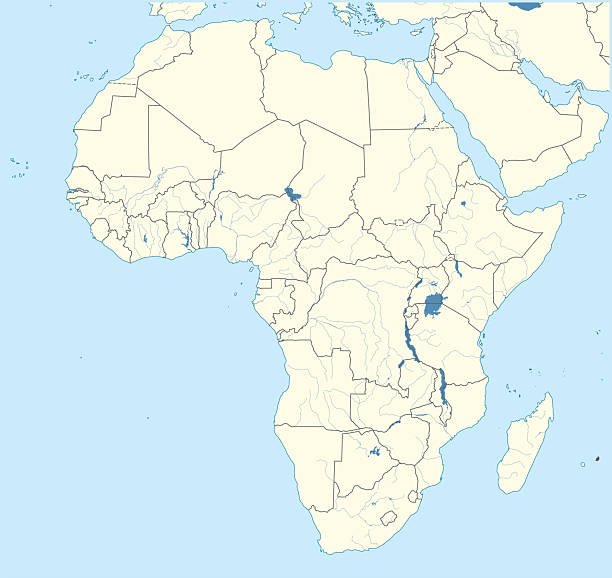
Did Africans Teach White People How To Bathe? Exploring the Global History of Hygiene
The notion of one culture singularly 'teaching' another how to perform a fundamental human practice like bathing is a simplification that overlooks the complex and diverse history of hygiene worldwide. There is no historical evidence suggesting that Africans directly 'taught' white people how to bathe in a unilateral or formal manner. Instead, hygiene practices, including various forms of bathing, developed independently across different societies on both the African and European continents over millennia, with periods of parallel innovation and cultural exchange shaping these customs.
Understanding this multifaceted history requires a nuanced look at the evolution of cleanliness practices, which have always been integral to human societies, driven by needs for comfort, health, social ritual, and spiritual purity.
The Ancient Roots of Hygiene: A Global Perspective
Long before recorded history, humans across the globe understood the importance of cleansing. Access to water sources like rivers, lakes, and oceans naturally led to bathing practices. These were not confined to any single continent but were universal human experiences.
Bathing in Ancient African Civilizations
Africa, the cradle of civilization, boasts a rich and ancient history of sophisticated hygiene practices. Many African societies valued cleanliness for both practical and spiritual reasons.
- Ancient Egypt: The Egyptians were renowned for their meticulous hygiene. Bathed regularly in the Nile, they also used oils, perfumes, and even natron (a natural salt) for cleansing. Priests observed strict purification rituals, and common people had access to public baths or used basins at home. The discovery of ancient Egyptian toiletries, razors, and cosmetic tools attests to their advanced personal care.
- Sub-Saharan Africa: Across various indigenous cultures in Sub-Saharan Africa, bathing was an essential daily ritual. Traditional practices often involved natural ingredients. For example, African black soap (often made from plantain skins, cocoa pods, and shea butter) has been used for centuries for its cleansing and skin-nourishing properties. Herbal infusions and essential oils derived from indigenous plants were also widely used for bathing and skincare, emphasizing a holistic approach to hygiene and wellness.
- North Africa (Carthage, Berber, and later Islamic influences): Regions like Carthage, with its Punic and Roman influences, developed elaborate bathing systems. Later, with the spread of Islam, the traditions of the hammam (public bathhouse) became deeply ingrained throughout North Africa, emphasizing both cleanliness and social interaction. These bathhouses, though influenced by Roman and Byzantine architecture, adapted and evolved with unique cultural characteristics.
These examples illustrate that sophisticated bathing practices were deeply embedded in African societies, reflecting a longstanding commitment to personal and communal hygiene.
Early European Bathing Traditions
Europe also has a long and varied history of bathing, often quite distinct from, but occasionally intertwined with, practices elsewhere.
- Ancient Greece: The Greeks valued physical fitness and personal cleanliness. Bathing was a common activity in gymnasiums and private homes. They used strigils (curved metal instruments) to scrape oil and dirt from their skin after exercise, followed by a rinse. Ritualistic bathing was also important for religious purification.
- Ancient Rome: The Romans were perhaps the most famous ancient Europeans for their elaborate bathing culture. Roman baths (thermae) were not just places for washing but grand social centers, complete with hot, warm, and cold pools (calidarium, tepidarium, frigidarium), steam rooms, exercise areas, libraries, and shops. These complexes demonstrated an advanced understanding of engineering and public health, serving as a cornerstone of Roman urban life.
- Northern European Traditions: In regions like Scandinavia and among Celtic tribes, bathing practices included sweat lodges (similar to saunas), cold plunges, and herbal washes. The Norse sagas mention characters bathing regularly, often in rivers or rudimentary saunas, indicating a practical approach to cleanliness in colder climates.
Thus, both continents developed sophisticated and culturally specific ways of maintaining hygiene, often independent of each other, but sometimes through indirect influence via trade and conquest.
The Medieval Decline and Renaissance Revival in Europe
The popular misconception that Europeans in the Middle Ages never bathed is a significant oversimplification. While the elaborate public bath culture of Rome declined, bathing certainly did not disappear entirely. It merely evolved and changed character.
Medieval Europe: A Shift in Hygiene?
During the Middle Ages in Europe, the large, communal Roman baths fell into disuse or ruin due to various factors, including the collapse of central authority, maintenance issues, and changing social values. However, people still cleansed themselves.
- Private and Domestic Bathing: Bathing often shifted to more private settings. Basins, pitchers of water, and herbal washes were common for partial cleansing. Wealthier households had designated bath chambers, while others used portable wooden tubs.
- Public Bathhouses (Stufas): Despite the decline of Roman-style thermae, public bathhouses, known as 'stufas' in some regions, did exist in medieval European towns, especially in the early and high Middle Ages. These were often wood-heated and provided steam baths and hot water, serving both hygienic and social functions.
- Religious and Health Perspectives: The Church often emphasized spiritual cleanliness over bodily indulgence, and there were concerns about public nudity and the spread of disease in communal baths, especially during epidemics like the Black Death. However, this did not equate to a complete abandonment of personal hygiene; rather, it led to different approaches.
The Ottoman Influence and Revival
It's important to acknowledge that the continuity of sophisticated bath culture in the Eastern Roman (Byzantine) Empire and the subsequent Ottoman Empire played a crucial role in preserving and evolving these traditions. The Turkish hammam, a descendant of Roman and Byzantine baths, flourished and spread across the Middle East, North Africa, and into parts of Eastern and Southern Europe (like the Balkans and Hungary) under Ottoman rule. These hammams were centers of hygiene, relaxation, and social life, demonstrating that advanced bathing practices were maintained and propagated through different cultural channels.
These influences were not from sub-Saharan Africa but from the Islamic world, which itself drew upon earlier Greco-Roman, Persian, and Egyptian traditions, demonstrating a continuous lineage of bath culture that eventually impacted parts of Europe.
The Myth of Unbathed Europeans and African Superiority
The narrative that Europeans were universally 'dirty' and had to be 'taught' hygiene by Africans often arises from a misinterpretation of historical records and a tendency to generalize across vast continents and time periods. While hygiene standards and frequencies of full immersion bathing varied greatly across Europe and throughout different historical eras, it is inaccurate to claim that Europeans never bathed or were entirely devoid of cleanliness practices until 'taught' by another group.
Similarly, while many African societies maintained remarkably high standards of personal hygiene, using sophisticated methods and natural resources, this does not imply a direct pedagogical relationship where they unilaterally instructed Europeans on the fundamental act of bathing. The development of hygiene is a testament to human ingenuity and adaptation in various environments.
Cultural Exchange, Not Direct Tutelage
The spread of ideas, technologies, and practices across continents has always been a complex process of cultural exchange, not a simple teacher-student dynamic. Throughout history, trade routes, migrations, and conquests facilitated the transfer of knowledge and customs, including those related to hygiene.
- The Silk Road and Trade Routes: Connections between Africa, Asia, and Europe led to the exchange of goods and innovations. For instance, sophisticated soap-making techniques, which originated in the ancient Middle East (likely Sumerian or Babylonian, then refined by Egyptians and later Arabs), gradually spread into Europe. While some African regions also developed their own soap traditions (like African black soap), the movement of these technologies was a global phenomenon.
- Islamic Golden Age Influence: During Europe's Middle Ages, the Islamic world experienced a 'Golden Age' of scientific and cultural advancement. Islamic scholars preserved and built upon Greco-Roman knowledge, including medical texts and hygiene practices. Arabic treatises on personal hygiene, pharmacology, and sanitation were translated and influenced European medicine and understanding of cleanliness, which itself was an accumulation of knowledge from diverse sources.
These exchanges were multilateral, involving influences from various cultures and regions, rather than a single direction of teaching from Africa to Europe regarding basic bathing.
Evolution of Hygiene: From Ritual to Public Health
The understanding and practice of hygiene continued to evolve significantly, particularly from the Enlightenment period onwards.
The Enlightenment and Medical Revolution
The 18th and 19th centuries marked a shift in Europe from primarily ritualistic or comfort-based bathing to a more scientifically informed approach. The development of germ theory in the mid-19th century revolutionized the understanding of disease transmission and underscored the critical role of sanitation and personal cleanliness in public health. This led to:
- Public Health Movements: Massive investments in sewage systems, clean water supplies, and public sanitation infrastructure across European cities.
- Medical Advocacy for Hygiene: Doctors and scientists actively promoted regular washing of hands and bodies as a preventive measure against illness, moving away from previous miasma theories of disease.
This period of significant advancement in public and personal hygiene in Europe was largely driven by internal scientific discoveries and industrial development, rather than external 'teaching' of basic bathing practices.
Modern Bathing and Global Standards
Today, modern bathing practices are largely standardized globally, influenced by industrial advancements in plumbing, water heating, and the widespread availability of soap and detergents. While cultural preferences for bath types (showers, tubs, saunas) or frequency may vary, the underlying principles of cleanliness for health and comfort are universally accepted. This convergence is a result of centuries of independent development, interconnected cultural exchange, and scientific progress across all continents.
Conclusion
The question, Did Africans teach white people how to bathe, simplifies a rich and complex historical narrative. The answer is no, not in the sense of one group initiating the practice for another. Bathing, in various forms, has been a fundamental human practice across all cultures and continents since antiquity. Both African and European societies developed sophisticated and diverse hygiene customs independently, shaped by their environments, beliefs, and technological capabilities.
While there have been countless instances of cultural exchange influencing specific hygiene practices and technologies—such as the spread of soap-making techniques or the influence of Islamic bathhouses in parts of Europe—these exchanges were multilateral. They represent a global tapestry of human innovation and adaptation, where ideas and practices diffused and evolved over millennia, rather than a direct instruction from one race to another on how to perform the universal act of keeping clean. The history of cleanliness is a testament to shared human ingenuity and the constant pursuit of well-being across the world.
Enjoyed this read?
Share it with your friends and colleagues.