How Africans Think About Time

BSC Insights Admin
September 30, 2026
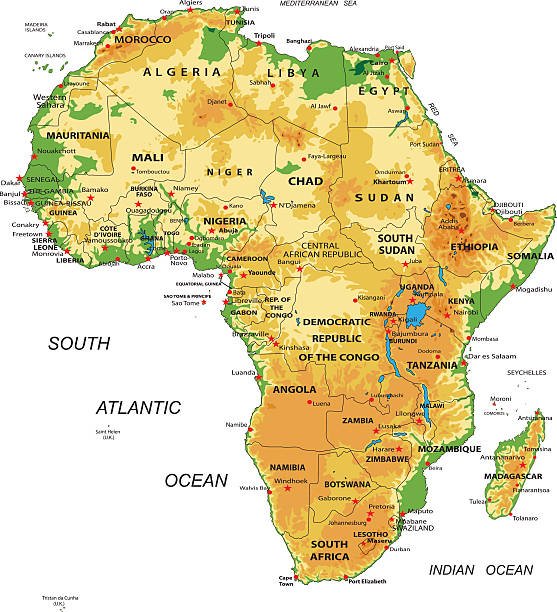
The African perception of time is profoundly shaped by cultural values, communal relationships, and the natural rhythms of life, often differing significantly from Western, clock-centric approaches. Generally, Africans think about time in a more flexible, polychronic, and event-driven manner, prioritizing human interactions and the successful completion of tasks over strict adherence to schedules. This unique approach to time is not a lack of punctuality but a distinct worldview that emphasizes living in the present, fostering relationships, and adapting to circumstances.
Historical and Philosophical Roots of African Time
Understanding how Africans think about time requires delving into the philosophical and historical underpinnings that have shaped this cultural characteristic. Unlike the linear, future-oriented concept often prevalent in Western societies, African temporal perception is deeply rooted in communal living and the natural environment.
The Polychronic vs. Monochronic Divide
In the realm of cross-cultural communication, time orientation is often categorized into two main types: monochronic time and polychronic time. Monochronic cultures view time as a linear, finite commodity that can be saved, spent, or wasted. Schedules are rigid, punctuality is paramount, and tasks are typically handled one at a time. Conversely, polychronic cultures, which often include many African societies, view time more flexibly. Multiple tasks might be handled simultaneously, and interruptions are common and acceptable. In these cultures, personal relationships and the completion of an event take precedence over adhering to a strict clock. This distinction is fundamental to grasping the African perception of time, where flexibility and human connection generally outweigh rigid scheduling.
The Concept of "Sasa" and "Zamani"
One of the most influential frameworks for understanding African time was proposed by Kenyan philosopher John Mbiti. He introduced the concepts of "Sasa" and "Zamani." Sasa refers to the immediate past, the present, and the imaginable future, essentially the span of an individual's conscious experience. It is the time of actual living, doing, and experiencing. Events move from the future, through the present (Sasa), and into the past. The Zamani, on the other hand, is the vast reservoir of the past, the epoch of myths, spirits, and ancestors. All past events, no matter how distant, reside in Zamani. Critically, Mbiti argued that the future, beyond a very short, immediate period, does not exist in the same conceptual way as in Western thought. Events must occur to become part of Sasa, and then recede into Zamani. This means future orientation Africa is often less about rigid long-term planning and more about immediate, tangible actions, impacting approaches to projects or deadlines.
Ubuntu and Relational Time
The philosophy of Ubuntu, widely embraced across many African cultures, profoundly influences how Africans think about time. Ubuntu, often translated as "I am because we are," emphasizes interconnectedness, compassion, and community. This communal focus naturally extends to relational time, where the needs and presence of people take precedence over predetermined schedules. If a community member needs assistance, or if a conversation is still ongoing, time becomes secondary. Appointments may be delayed, or meetings extended, not out of disrespect for schedules, but out of a deep respect for human connection and the well-being of the collective. This aspect of African cultural values time means that building rapport and ensuring everyone is heard often dictates the pace of events, whether social or professional.
Key Characteristics of African Time Perception
The generalized African perception of time is marked by several distinctive characteristics that set it apart from many other global temporal orientations. These traits are deeply interwoven with social fabric, cultural practices, and historical experiences across the continent.
Event-Driven vs. Clock-Driven
Perhaps the most salient feature of African time is its event-driven nature. Rather than being strictly dictated by the hands of a clock, activities and appointments are often organized around the occurrence and completion of events. For instance, a meeting might be scheduled for "when everyone arrives" or "after the market closes," rather than a precise hour. The focus is on the successful gathering of all necessary participants or the natural conclusion of a preceding activity, meaning a scheduled 9 AM meeting might realistically begin at 9:30 AM or even 10 AM, without causing undue concern, as long as critical individuals are present. The task at hand and the relationships involved are more significant than the arbitrary ticking of a clock, influencing social time Africa significantly.
Flexibility and Adaptability
Flexibility in time is another cornerstone of the African approach. Life in many parts of Africa can be unpredictable, often requiring quick adjustments to plans due to unexpected circumstances, weather patterns, or community needs. This inherent need for adaptability has fostered a culture where rigid schedules are seen as impractical and potentially disrespectful of unforeseen events. Deadlines may be viewed as guidelines rather than absolute markers, allowing for modifications as situations evolve. This cultural views on time in Africa encourages a relaxed attitude towards punctuality, prioritizing smooth operations and consensus.
Communal and Social Orientation
The communal time aspect is critical. In many African societies, the individual is understood primarily within the context of their community. This collectivist outlook means that social obligations, family needs, and community events often take precedence over individual schedules or abstract deadlines. Spending time on relationships – greeting people, engaging in conversations, participating in community functions – is not seen as wasted time but as an essential investment in social capital. This often means that appointments might be delayed if an important social interaction is still ongoing, or if a family matter requires immediate attention. The value placed on human connection is a strong determinant of how Africans think about time.
Cyclical vs. Linear Time
While Western societies predominantly perceive time as linear time—a continuous progression from past to present to future—many traditional African societies often view time as cyclical time. This perspective is deeply connected to natural rhythms: the rising and setting of the sun, the phases of the moon, the cycles of seasons, and the recurring patterns of life and death. The focus is less on irreversible progress and more on renewal, repetition, and the enduring nature of existence. This cyclical view emphasizes continuity and the return of events, reinforcing the idea that things will happen when they are meant to happen, rather than being rushed by an artificial clock.
Impact on Daily Life and Business in Africa
The distinctive African perception of time has widespread implications, influencing everything from casual social interactions to complex business dealings across the continent. Understanding these nuances is vital for anyone engaging with African societies.
Social Interactions
In daily social interactions, the cultural views on time in Africa manifest in several ways. Greetings, for instance, are often extended and comprehensive, not a mere quick "hello." It is considered polite to inquire about family, health, and recent events, taking the time to truly connect before moving to the main topic of discussion. Dropping in on friends or relatives without prior appointment is also common and generally welcomed, reflecting the flexibility and communal nature of time. For an outsider, this can initially feel like an inefficient use of time, but it is an essential part of relationship building and social cohesion in social time Africa.
Professional and Business Environments
In professional settings, the contrast between monochronic time Africa and Western approaches becomes particularly apparent. Meetings may frequently start later than the scheduled time, especially if key individuals are still engaged in other important discussions or duties. This is rarely intended as disrespect but rather reflects the event-driven time philosophy where the collective readiness is prioritized. Agendas can be flexible, allowing for extensive discussion to reach consensus, which is often valued more than adhering strictly to a timeline. For those conducting business in Africa time, building strong personal relationships, or "networking," is often a prerequisite for successful transactions. Trust and rapport are established over time, and rushing these processes can be counterproductive. Project deadlines might also be viewed with a degree of elasticity, necessitating constant communication and follow-up rather than just setting a date and expecting it to be met without deviation.
Tips for Navigating Business in Africa:
- Build Relationships First: Invest time in personal connections.
- Expect Flexibility: Prepare for meetings to start late or extend.
- Confirm and Reconfirm: Follow up on appointments.
- Be Patient: Rushing can be impolite.
- Focus on Outcomes: Goals are often met effectively, despite time variations.
Cultural Nuances of Time Management
Effective managing time in Africa requires an understanding of these deep-seated cultural nuances. Time management is not just about scheduling tasks; it's about managing relationships and adapting to the flow of events. For example, in many societies, the most senior person's arrival often signifies the true start of a meeting, regardless of the clock. This deference to hierarchy is another layer of complexity. Furthermore, a promise to "do it soon" or "tomorrow" might imply a flexible timeframe rather than an exact commitment. This requires clear communication and a willingness to ask for clarification, rather than making assumptions based on a Western temporal framework. Embracing the cultural nuances of time fosters better understanding and collaboration.
Navigating Cross-Cultural Time Differences
Given the prevalent polychronic time orientation across much of Africa, navigating time differences effectively is crucial for fostering successful interactions, whether personal or professional. It requires empathy, patience, and strategic communication from all parties involved.
For Visitors and Expats
Individuals coming from predominantly monochronic time cultures to Africa must adjust their expectations to avoid frustration and miscommunication. The key is to understand that the different approach to time is a fundamental cultural value, not a sign of inefficiency or disrespect.
- Embrace Flexibility: Allow ample buffer time in schedules.
- Prioritize Relationships: Connections often precede deadlines.
- Communicate Clearly: Express timeline needs politely, explain reasoning.
- Reconfirm Appointments: Confirm meetings beforehand.
- Patience is a Virtue: Reduces stress and aids adaptation.
These strategies are vital for successful integration and effective cross-cultural communication.
For Local Africans Interacting Globally
Conversely, for individuals from African cultures interacting with global partners, particularly those from Western countries, understanding the expectations of monochronic time is equally important.
- Be Aware: Punctuality is valued in many Western contexts.
- Communicate Delays: Inform others ASAP if unavoidable.
- Clarify Deadlines: Discuss challenging deadlines for mutual solutions.
- Adopt Hybrid Approach: Balance structured time with core African values.
This adaptability helps bridge the gap in cultural nuances of time and ensures smoother international collaborations.
Bridging the Gap: Tips for Effective Communication
Effective managing time in Africa from a cross-cultural perspective hinges on proactive communication and mutual respect for varying temporal frameworks.
- Set Clear Expectations: Explicitly discuss timeframes, deadlines, punctuality.
- Confirm Understanding: Ask questions to ensure everyone agrees.
- Build Slack: Allocate extra time for tasks, anticipating delays.
- Focus on Outcomes: Define desired goals and milestones.
- Embrace Learning: See differences as cultural learning opportunities.
By applying these tips, individuals can foster better understanding and collaboration when navigating the complexities of how Africans think about time.
Conclusion
In conclusion, how Africans think about time is a nuanced and culturally rich phenomenon that contrasts sharply with many Western linear perspectives. Rooted in community, relationships, and the natural rhythms of life, the African perception of time is largely polychronic, event-driven, and cyclical. Concepts like Sasa and Zamani highlight a focus on the present and the past, while the philosophy of Ubuntu underscores the prioritization of human connection over rigid schedules. Understanding these African cultural values time is not merely an an academic exercise; it is essential for effective cross-cultural communication, successful business in Africa time, and fostering deeper, more respectful interactions across the continent. Embracing this flexible, human-centered approach to time can offer valuable lessons for a globally interconnected world, reminding us that time is not just a ticking clock, but a lived experience shaped by diverse cultures.
Enjoyed this read?
Share it with your friends and colleagues.