How Did Africans Treat Their Slaves

BSC Insights Admin
September 30, 2026
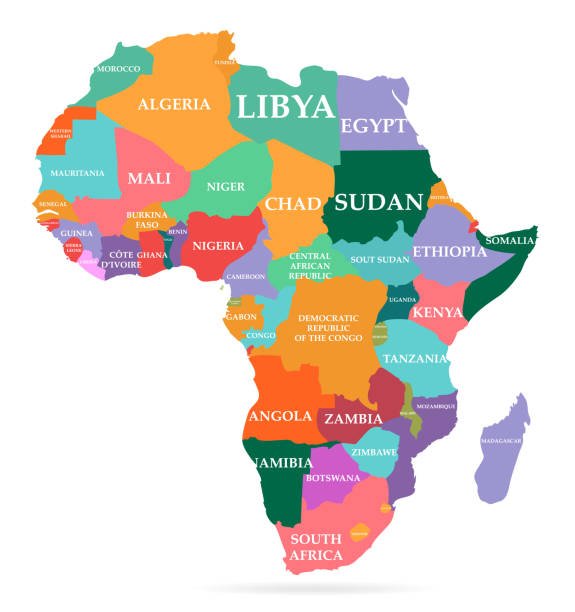
The question of how Africans treated their slaves is complex, multifaceted, and demands a nuanced understanding of history. Unlike the singular, brutal institution of chattel slavery that defined the transatlantic slave trade, slavery and other forms of servitude within African societies were incredibly diverse, varying widely across different regions, ethnic groups, and historical periods. Generally, indigenous African forms of servitude often involved social integration over time, with enslaved individuals or their descendants potentially achieving freedom or higher social status, though harsh conditions and exploitation were also present in many contexts.
Understanding Pre-Colonial African Forms of Servitude
To grasp African slavery history, it is crucial to distinguish pre-colonial African servitude from the more widely known chattel slavery of the Americas. Before the extensive involvement of European powers in the transatlantic slave trade, various forms of coerced labor and social hierarchy existed across the African continent. These were often rooted in different socio-economic structures and cultural norms.
Diversity of Slavery Across the Continent
Slavery in Africa was not a monolithic institution. In some societies, enslaved individuals were primarily agricultural laborers; in others, they served as domestic staff, soldiers, administrators, or craftspeople. The status and treatment could differ significantly from one kingdom or community to another. For example, in some West African societies, enslaved individuals might be absorbed into the lineage of their owners, eventually becoming considered members of the family or clan. In contrast, East African coastal states, heavily influenced by Arab trade networks, often practiced forms of slavery that more closely resembled chattel slavery, particularly for labor on plantations.
Distinguishing Between Servitude and Chattel Slavery
A key distinction when discussing pre-colonial African servitude is the concept of a person as property versus a person holding a subordinate social status. While some forms of African slavery did indeed treat individuals as property (chattel), many others allowed for a degree of social mobility and the retention of certain rights. In many African systems, slavery was often a temporary condition or a status that could be transcended by subsequent generations. Land, not people, was often the primary indicator of wealth and power, leading to a focus on controlling labor rather than outright ownership of individuals for their own sake.
Paths to Servitude: How Individuals Became Enslaved in Africa
Individuals became enslaved in Africa through various means, reflecting the diverse societal structures and legal systems present across the continent. These paths often dictated the subsequent treatment and potential for integration of the enslaved person.
- War Captives: This was perhaps the most common way individuals became enslaved. Prisoners of war were often taken and integrated into the victorious society, sometimes as laborers, soldiers, or even advisors. Their integration could be relatively swift, especially if they demonstrated loyalty or skill.
- Debt Bondage: Individuals could sell themselves or their family members into temporary servitude to settle debts. This was often a contractual arrangement, and freedom could be regained once the debt was paid off. The conditions of debt bondage Africa varied, but it was generally seen as a temporary measure.
- Criminal Offenses: Punishment for certain crimes, such as theft or adultery, could result in enslavement, either temporarily or permanently. This form of servitude served as a deterrent and a means of societal justice.
- Poverty and Famine: During times of severe hardship, individuals might voluntarily enter into servitude or sell family members to ensure survival. This was a desperate measure, often leading to relatively better treatment than other forms of enslavement, as it was a means of survival.
- Tribute or Taxation: In some hierarchical societies, weaker communities might be compelled to provide individuals as tribute or a form of tax to more powerful states, essentially becoming a source of enslaved labor.
Understanding these different origins helps to illustrate why the treatment of enslaved people in Africa was so varied.
Varying Conditions: The Treatment of Slaves in African Societies
The conditions under which Africans treated their slaves ranged dramatically, making generalizations difficult. While brutality and exploitation certainly existed, many systems contrasted sharply with the dehumanizing chattel slavery imposed during the transatlantic trade.
Integration vs. Alienation
A significant characteristic of many African systems of servitude was the potential for social integration. Enslaved individuals, particularly those captured in war or born into servitude, were often absorbed into the kinship groups of their owners. They could marry, own property, serve in the military, and even rise to positions of power. In many instances, their children and grandchildren would gradually shed the stigma of slavery, eventually becoming full members of society. This contrasts sharply with the permanent, inherited, and racially defined status of chattel slavery, where alienation was central.
Rights and Responsibilities
In various African societies, enslaved individuals held certain rights, though these were often limited and dependent on the owner's discretion or local customs. Some could appeal to chiefs or elders against cruel masters, testify in court, or even own their own slaves. They were often expected to perform specific duties, but their labor was integrated into the broader economy and social fabric, not always solely for the brutal extraction of resources as seen in colonial plantations.
Social Mobility
The possibility of social mobility was a defining feature in many African contexts. An enslaved person might gain freedom through various means: exceptional service, payment of a ransom, marriage, or by simply being integrated over generations. For example, in some West African kingdoms, individuals born into servitude could become trusted advisors, military leaders, or even influential figures in society. This fluidity indicates a status more akin to a subordinate social class rather than mere property.
Forms of Labor
The labor performed by enslaved individuals in Africa was diverse: agricultural work, domestic service, craft production, mining, porterage, and even military service. In kingdoms like Dahomey and Asante, enslaved individuals formed critical components of the standing armies and administrative bureaucracies. This wide range of roles suggests that their value was often seen beyond mere physical labor, encompassing skills and loyalty.
Harsh Realities and Brutality
It is crucial to acknowledge that despite the potential for integration and social mobility, slavery in Africa was still a system of coercion and exploitation. Abuse, harsh punishments, and severe working conditions were not uncommon, particularly in regions where intensive labor was required or where powerful elites exerted absolute control. The suffering of enslaved individuals, regardless of the system, should not be minimized. As external slave trades grew, particularly the transatlantic and trans-Saharan routes, the commodification of human beings often led to increasingly brutal conditions and a reduction in the rights of enslaved people.
The Transformative Impact of External Slave Trades
The arrival of European and Arab traders drastically altered the existing forms of servitude in Africa. The immense demand for enslaved labor, first for the trans-Saharan and then catastrophically for the transatlantic trade, transformed internal African practices.
Transatlantic Slave Trade
The transatlantic slave trade impact Africa was profound and devastating. The demand for millions of individuals to work on plantations in the Americas led to a significant increase in raiding, warfare, and the systematic capture of people within Africa. This external pressure commodified human beings to an unprecedented degree, shifting many internal systems towards a more brutal, chattel-like form of slavery. African rulers and traders who participated in this trade often adopted harsher practices to meet demand, leading to immense suffering and demographic upheaval across West and Central Africa.
Trans-Saharan Slave Trade
Long before the transatlantic trade, the Trans-Saharan slave trade moved millions of Africans, primarily from West and Central Africa, to North Africa, the Middle East, and parts of Europe. While distinct in its routes and some of its dynamics, it also contributed to the commodification of human beings and the establishment of powerful slave-trading networks within Africa. Treatment along these routes was often harsh, with many perishing during the perilous desert crossings.
Shift Towards Chattel Slavery
The insatiable external demand for enslaved labor incentivized African societies to prioritize the capture and sale of individuals. This often led to a departure from older traditions of integration, as individuals were now primarily seen as commodities for export. The concept of permanent, inheritable slavery, based on a person being mere property with no rights, became more widespread in regions heavily involved in these trades, particularly in areas supplying the transatlantic market.
Regional Examples of Slavery and Treatment
Examining specific regions provides a clearer picture of the diverse ways African kingdoms slavery practices manifested:
West African Kingdoms
In powerful states like the Mali Empire, Asante Kingdom, and the Kingdom of Dahomey, enslaved individuals played varied and often significant roles. They served as soldiers, administrators, agricultural laborers, and domestic servants. In some instances, descendants of enslaved people could rise to positions of immense influence, even becoming kingmakers. While harsh treatment existed, especially for those newly captured, the potential for social assimilation over generations was a distinguishing feature in many of these societies.
East African Coastal States
Influenced by centuries of trade with Arab, Persian, and Indian merchants, coastal East African societies (e.g., Zanzibar, Kilwa) often engaged in plantation slavery, particularly for clove and sugar cultivation. Here, the conditions could be particularly brutal, more akin to the chattel slavery seen in the Americas. The enslaved individuals, often from inland areas, were treated largely as property, with limited rights and little chance of social mobility.
North African and Saharan Regions
Across the Sahara and in North Africa, slavery had ancient roots, often connected to the trans-Saharan trade routes. Enslaved people, predominantly from sub-Saharan Africa, were used in domestic service, agricultural labor, mining, and military roles (e.g., the Mamluks of Egypt). While some highly skilled individuals could achieve considerable power, especially in military contexts, the majority endured harsh conditions and were treated as property within an often rigid social hierarchy.
Abolition and the Lingering Legacies
The abolition of slavery in Africa was a complex process, driven by both internal efforts and external pressures. While European colonial powers often enforced abolition laws, they sometimes did so selectively, and forms of forced labor persisted well into the 20th century. The legacies of slavery, both indigenous and externally driven, continue to impact social structures, ethnic relations, and economic development in many parts of Africa today. Understanding these historical nuances is critical for addressing contemporary issues and promoting restorative justice.
Conclusion
In conclusion, the question of how Africans treated their slaves reveals a complex tapestry of historical practices rather than a single, uniform system. Pre-colonial African servitude was highly diverse, often characterized by social integration, varying degrees of rights, and the potential for social mobility, standing in stark contrast to the dehumanizing chattel slavery of the transatlantic trade. However, it is also crucial to acknowledge that all forms of slavery involve coercion and exploitation, and harsh conditions were a reality in many contexts. The advent of the transatlantic and trans-Saharan slave trades profoundly altered these indigenous systems, often leading to a more brutal commodification of human beings. A comprehensive understanding requires appreciating this intricate history, recognizing the distinct forms of African slavery while never diminishing the suffering of those who endured any form of servitude.
Enjoyed this read?
Share it with your friends and colleagues.