Did Africans Use Swords

BSC Insights Admin
October 07, 2026
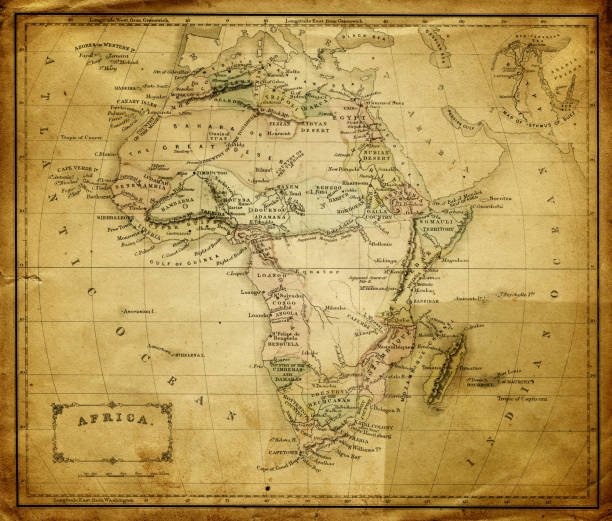
Yes, Africans absolutely used swords, demonstrating a rich and diverse history of metallurgy, warfare, and craftsmanship across the continent for millennia. Far from being limited to spears and bows, various African civilizations developed, forged, and wielded an impressive array of bladed weapons, each often uniquely adapted to its cultural context, fighting style, and available resources. These weapons served not only as tools of war and defense but also as powerful symbols of status, authority, and spiritual significance.
The history of swords in Africa is deeply intertwined with the continent's pioneering advancements in ironworking, which predate many parts of the world. From the curved Shotel of Ethiopia to the distinct Takoba of the Tuareg, and the ceremonial blades of West and Central Africa, the evidence is abundant and compelling. This article delves into the extensive use of swords by African peoples, exploring their types, origins, cultural significance, and the skilled artisans who crafted them.
A Legacy Forged in Iron: Early African Metallurgy
The development of iron smelting and forging in Africa is a testament to the continent's early technological prowess. While the exact origins are debated, evidence suggests that ironworking began in several parts of sub-Saharan Africa as early as 1500 BCE, if not earlier, specifically in regions like the Great Lakes area and West Africa. This advanced knowledge allowed African societies to produce durable tools and potent weapons, including swords, long before many other parts of the world transitioned fully from the Bronze Age to the Iron Age.
African blacksmiths were highly revered figures in their communities, often holding sacred status due to their ability to transform raw ore into essential objects. Their expertise was crucial for the creation of agricultural implements, hunting tools, and, critically, sophisticated weaponry. The mastery of controlling high-temperature furnaces and the techniques for shaping and hardening steel were foundational to the diverse array of bladed weapons that would emerge across the continent.
The Diverse World of African Swords
The term 'African sword' encompasses a vast range of designs, reflecting the immense cultural and geographical diversity of the continent. While some blades shared similarities due to trade and influence, many developed distinct characteristics, making them unique to their regions and peoples. Here are some notable examples:
West African Bladed Weapons
- The Takoba (Tuareg Sword): Originating from the nomadic Tuareg people of the Sahara and Sahel regions, the Takoba is perhaps one of the most recognizable African swords. It typically features a straight, double-edged blade, often imported from Europe or locally forged, paired with a distinctive guard and a leather-wrapped hilt. The Takoba is more than just a weapon; it is a symbol of male status and prestige among the Tuareg. Its scabbard and hilt are often elaborately decorated with brass, copper, and silver.
- The Kaskara (Sahel/Sudan): Found across a wide area from Chad to Sudan, the Kaskara sword is characterized by its straight, double-edged blade and a cross-shaped guard. Often associated with various groups in the Sudanic belt, including the Baggara and Fur, Kaskaras were highly effective cutting and thrusting weapons. Their designs sometimes incorporated Islamic influences, reflecting centuries of trade and cultural exchange in the region.
- Manding Sabers: Various curved saber-like swords were used by groups within the Manding language family, such as the Mandinka and Bambara. These blades, often single-edged and designed for slashing, were crucial in the arsenals of powerful West African empires like the Mali and Songhai. They often featured decorated hilts and scabbards, indicating the owner's status.
East African Blades: The Iconic Shotel
- The Shotel (Ethiopia/Eritrea): One of the most distinctive and visually striking African bladed weapons is the Shotel. This curved sword from Ethiopia and Eritrea features a dramatically recurved blade, almost forming a semicircle. Its unique shape was specifically designed to bypass an opponent's shield and deliver thrusts or cuts around their defense. Wielded by the formidable warriors of the Ethiopian highlands, the Shotel required exceptional skill to master and was a symbol of military prowess and national identity.
- Kilij-inspired Blades: Due to historical connections and trade routes across the Red Sea, some East African blades, particularly in coastal areas, showed influences from Ottoman and Middle Eastern kilij designs, featuring slightly curved blades and characteristic hilts.
Central African Swords and Bladed Weapons
- The Ngulu (DRC/Angola): The Ngulu, or execution sword, from the Democratic Republic of Congo and Angola, is a highly ceremonial and distinctive blade. While primarily associated with ritual use, its origins are rooted in functional warfare. It features a unique, often leaf-shaped or sickle-like blade, sometimes with multiple protrusions, and elaborate handles. These swords were not just weapons but also important objects in judicial and spiritual practices.
- Panga (East/Central Africa): While often considered a machete or a heavy bladed tool, the Panga in many East and Central African contexts served as a formidable close-quarters weapon. Its robust, broad blade was effective for both cutting through vegetation and incapacitating an adversary. Various regional variations exist, demonstrating its widespread utility.
Southern African Blades
In Southern Africa, while spears (like the Zulu assegai) and clubs were often the primary weapons, swords were certainly present, especially in ceremonial contexts or influenced by trade. Some groups possessed heavier, knife-like blades that blurred the lines between a large dagger and a short sword. The influence of European trade also introduced various saber and cutlass designs into the region over time.
The Role of Swords in African Societies
The utility and symbolism of African swords extended far beyond mere combat. They played multifaceted roles within the societies that created and wielded them:
- Warfare and Defense: Naturally, swords were crucial instruments of war. From the cavalry charges of the Sahelian empires employing Kaskaras and Takobas to the Ethiopian warriors parrying with Shotels, these blades were central to military strategies, defense, and territorial expansion.
- Status and Power: A finely crafted sword was often a powerful indicator of the owner's wealth, status, and authority. Rulers, chieftains, and high-ranking warriors often possessed elaborately decorated swords that symbolized their leadership and prowess.
- Ceremonial and Ritual Significance: Many African blades, particularly those with unique shapes like the Ngulu, were integral to religious ceremonies, rites of passage, judicial proceedings, and royal rituals. They could be used in sacrifices, consecrations, or as symbols during coronations and installations of leaders.
- Trade and Cultural Exchange: Swords, and the knowledge of their creation, were items of significant trade. Blades themselves were traded across vast distances, and the design influences flowed back and forth, leading to hybrid styles and shared metallurgical techniques across regions.
Mastering the Craft: African Blacksmiths and Sword-Making Traditions
The creation of a sword was a complex and often spiritual process. African blacksmiths were not merely craftsmen; they were often seen as possessing mystical powers, capable of manipulating earth, fire, and metal to create objects of power. This status often meant they lived outside conventional social structures, yet were deeply integrated and respected.
Traditional forging techniques involved sourcing local iron ore, smelting it in sophisticated furnaces, and then repeatedly heating, hammering, and folding the metal to remove impurities and create a strong, flexible blade. Some African steels, particularly from areas like Tanzania, demonstrated early forms of what we now recognize as high-carbon steel, capable of holding a sharp edge and enduring the rigors of battle. The artistry extended to the hilts and scabbards, which were often adorned with precious metals, leather, wood, and other materials, transforming functional weapons into exquisite works of art.
Here’s a summary of some prominent African sword types:
| Sword Type | Primary Region(s) | Key Characteristics | Notable Users/Context |
|---|---|---|---|
| Takoba | Sahara, Sahel (West/North Africa) | Straight, double-edged blade; distinctive cruciform guard; leather-wrapped hilt. | Tuareg people; symbol of status. |
| Kaskara | Sahel, Sudanic Belt (Northeast/Central Africa) | Straight, double-edged blade; simple cross-shaped guard; often with ornate scabbards. | Various groups in Sudan, Chad; cavalry weapon. |
| Shotel | Ethiopia, Eritrea (East Africa) | Dramatically recurved blade, almost semi-circular; designed to bypass shields. | Ethiopian warriors; symbol of national identity. |
| Ngulu | DRC, Angola (Central Africa) | Unique, often sickle-shaped or multi-lobed blade; elaborate handles. | Ngbaka, Ngombe, others; ceremonial, judicial, ritual weapon. |
| Manding Sabers | West Africa (Mali, Guinea, etc.) | Curved, single-edged blade; designed for slashing. | Mandinka, Bambara, armies of Mali & Songhai Empires. |
Notable African Warriors and Kingdoms Wielding Swords
Throughout history, powerful African empires and kingdoms integrated swords into their military might and cultural identity:
- Ancient Egypt: While often associated with Khopesh (a sickle-sword), the Egyptians also used straight swords, particularly in later periods, influenced by Near Eastern designs.
- Aksumite Kingdom (Ethiopia): The warriors of Aksum, predecessors to modern Ethiopia, would have utilized early forms of what would evolve into the Shotel, alongside other straight blades. Their military prowess was well-documented.
- Mali and Songhai Empires (West Africa): These vast empires fielded cavalry and infantry armed with various types of sabers and straight swords, crucial for maintaining control over extensive trade routes and territories.
- Sultanates of Sudan: Kingdoms like Darfur and Funj utilized the Kaskara extensively, with their cavalry being particularly feared.
- Zulu Kingdom (Southern Africa): While famous for the short stabbing spear (assegai), the Zulu also used broad-bladed knives and occasionally adopted European-style swords through trade.
Beyond the Battlefield: Cultural and Artistic Value
The importance of African swords extends beyond their functional use in battle. Many blades were exquisitely decorated, reflecting the high artistic standards of the cultures that produced them. Hilts were often carved from precious woods, ivory, or adorned with metalwork, while scabbards were made from tanned leather, sometimes embroidered or inlaid. The blades themselves could feature intricate engravings, patterns, or even inlaid metals, signifying the smith's skill and the owner's status. These swords are now highly valued as ethnographic art pieces, preserving the stories and aesthetics of ancient African civilizations.
Debunking Myths and Misconceptions
The pervasive narrative that often overlooks or minimizes the contributions of African civilizations to world history has, unfortunately, extended to weaponry. Many historical accounts focus disproportionately on European or Asian sword traditions, leading to a misconception that sophisticated bladed weapons were not prevalent in Africa. However, the archaeological record, historical accounts, and ethnographic evidence overwhelmingly demonstrate that Africans used swords with great skill, innovation, and cultural significance, just like any other major civilization throughout history.
Conclusion
In conclusion, the question of 'Did Africans use swords?' is unequivocally answered with a resounding yes. From the advanced metallurgical techniques developed millennia ago to the diverse array of bladed weapons used in warfare, ceremonies, and as symbols of power, the history of swords in Africa is rich, complex, and deeply integrated into the continent's cultural fabric. From the iconic Shotel of Ethiopia to the revered Takoba of the Tuareg, these weapons stand as powerful testaments to the ingenuity, artistry, and martial prowess of African peoples across vast landscapes and diverse historical periods. Understanding this history enriches our appreciation of global military history and the sophisticated contributions of African civilizations.
Enjoyed this read?
Share it with your friends and colleagues.