Did Africans Use The Wheel

BSC Insights Admin
October 07, 2026
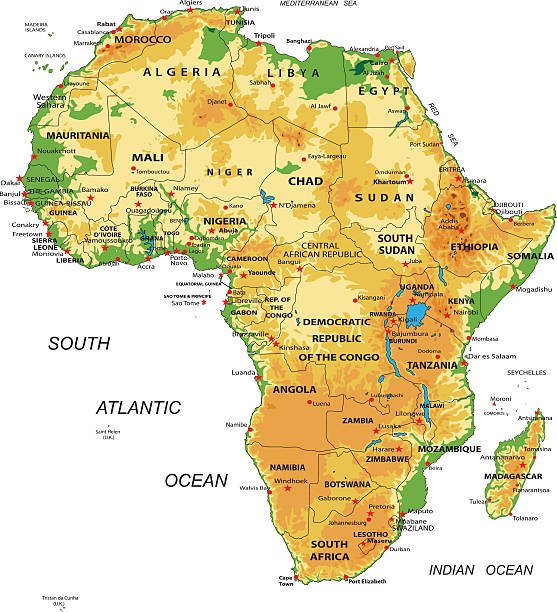
Did Africans Use The Wheel? Unraveling a Complex History
Yes, Africans did use the wheel, though its adoption, prevalence, and significance varied dramatically across different regions and historical periods of the continent. The narrative that often suggests a continent entirely devoid of wheeled transport prior to European colonization is an oversimplification, ignoring rich archaeological evidence and diverse indigenous innovations.
Understanding the use of the wheel in Africa requires a nuanced look at its origins, the diverse geographical and environmental conditions across the continent, and the specific technological needs and solutions developed by various African civilizations over millennia. This article delves into the historical context, archaeological findings, and cultural reasons behind the wheel's presence and absence in different African societies.
The Global Origins of the Wheel and its Arrival in Africa
The invention of the wheel is one of humanity's most transformative technological achievements, generally believed to have originated in Mesopotamia (modern-day Iraq) around 3500-3000 BCE. From there, it spread through trade, conquest, and cultural exchange to various parts of Asia and Europe. Africa, particularly North Africa, was quickly integrated into these ancient networks.
Ancient African civilizations, especially those in close contact with the Near East and Mediterranean world, adopted and adapted wheeled technology for various purposes. The movement of ideas and inventions was a dynamic process, and Africa was certainly not isolated from these global currents.
The Wheel in Ancient Egypt: A Testament to Early Adoption
Perhaps the most prominent and earliest evidence of the wheel's use in Africa comes from Ancient Egypt. The Egyptians encountered the wheel through their interactions with Mesopotamian and later Hyksos invaders. While some debate exists about whether they invented it independently or adopted it, by the New Kingdom (c. 1550–1070 BCE), chariots were an integral part of Egyptian warfare and royal processions.
- Chariots: These two-wheeled, horse-drawn vehicles were critical military assets, used for rapid movement of archers and spearmen. Tomb paintings and archaeological finds, such as those from Tutankhamun's tomb, clearly depict intricate chariots.
- Carts and Wagons: Evidence suggests the use of carts for transport of goods and materials, especially in quarrying and construction. Though less common than sledges for heavy loads, wheeled vehicles were present.
- Pottery Wheels: The potter's wheel, a more specialized application of wheel technology, was also in use in Egypt, revolutionizing ceramic production and allowing for greater efficiency and standardization.
The Egyptian use of the wheel demonstrates its practical application in a sophisticated ancient society, challenging the notion of a continent entirely without this technology.
Nubia and the Kingdom of Kush: Chariots and Trade Routes
South of Egypt, in what is modern-day Sudan, lay the powerful Kingdom of Kush, particularly during its Meroitic period (c. 300 BCE – 350 CE). The Nubians, heavily influenced by Egyptian culture and technology, also adopted the wheel. Their army, like Egypt's, utilized chariots, as depicted in temple reliefs and texts from sites like Meroe.
The Nubians also likely used wheeled carts for commercial purposes, facilitating trade along the Nile and into the Red Sea region. Their extensive trade networks would have benefited from efficient transport methods, and while river transport was dominant, land routes connecting strategic locations would have seen the use of wheeled conveyances.
Roman North Africa: Integrating Wheeled Transport
The arrival of the Romans in North Africa (modern-day Libya, Tunisia, Algeria, Morocco) brought with it the full infrastructure of a Roman province, including extensive road networks designed for wheeled traffic. Roman cities like Carthage, Leptis Magna, and Timgad were built with chariot and cart usage in mind.
- Road Networks: The Romans constructed thousands of miles of paved roads across North Africa, specifically to accommodate wheeled vehicles for military logistics, trade, and communication.
- Agricultural Wagons: Large estates and farms used wagons for transporting harvests and supplies.
- Military Carriages: The Roman legions extensively used wheeled vehicles for transporting troops, supplies, and siege equipment.
During the Roman period, wheeled transport was undoubtedly commonplace and essential for the functioning of these prosperous North African provinces. This period further confirms the significant use of the wheel in various parts of the African continent.
Why Limited Adoption in Sub-Saharan Africa? Environmental and Socio-Cultural Factors
While the wheel was certainly present and utilized in North Africa, its widespread adoption in much of Sub-Saharan Africa was indeed limited until much later periods. This observation has led to the misconception that Africans generally did not use the wheel. However, this limited adoption was not due to a lack of ingenuity or inability, but rather a combination of compelling environmental, economic, and socio-cultural factors.
1. The Tsetse Fly and Draft Animals
Perhaps the most significant impediment to the widespread use of wheeled transport in many parts of Sub-Saharan Africa was the prevalence of the tsetse fly. This insect transmits trypanosomiasis (sleeping sickness), a deadly disease for humans and particularly for large draft animals like oxen, horses, and donkeys.
- Impact on Livestock: The tsetse fly rendered large areas unsuitable for rearing draft animals, which are essential for pulling wheeled vehicles. Without reliable and healthy animals, the utility of a cart or wagon is drastically reduced.
- Geographic Barrier: Vast swathes of the continent, particularly in West and Central Africa, were (and in some areas, still are) within the tsetse belt, effectively limiting the economic viability of animal-drawn transport.
2. Challenging Terrain and Infrastructure
Much of Sub-Saharan Africa presents diverse and often challenging terrain for wheeled vehicles:
- Dense Forests and Jungles: Areas with dense vegetation made road construction difficult and costly with pre-industrial technology.
- Deserts and Savannas: While seemingly open, sandy deserts and rugged savannas without proper roads are also difficult for heavy wheeled transport, which can get bogged down or damaged.
- Lack of Paved Roads: Without extensive networks of paved or well-maintained dirt roads, the advantages of wheeled vehicles diminish. The effort required to build and maintain such infrastructure across vast, often sparsely populated, regions was immense.
In regions where smooth, navigable rivers were abundant (like the Nile or parts of the Niger), water transport often proved far more efficient than land-based wheeled transport. Similarly, established caravan routes across deserts were often better suited for pack animals.
3. Existing Efficient Transportation Methods
African societies developed highly effective and specialized modes of transport that were well-suited to their local conditions:
- Head-Loading: Carrying goods on the head was, and still is, an incredibly efficient and adaptable method for navigating diverse terrain, especially narrow paths and dense bush. It required no draft animals or roads, and allowed individuals to carry significant loads over long distances.
- Porterage: Organized systems of human porters were common for transporting heavy loads, particularly for long-distance trade. These systems were flexible, could navigate any terrain, and were immune to animal diseases.
- Water Transport: Canoes, rafts, and boats were extensively used on rivers, lakes, and coastal areas, offering high capacity and efficiency where waterways were navigable.
- Pack Animals: In areas free from the tsetse fly (e.g., parts of the Sahel, Horn of Africa), donkeys, camels, and horses were widely used as pack animals for overland trade, often more practical than wheeled carts on unpaved routes.
- Sledges: For moving extremely heavy objects, particularly in construction or quarrying, sledges were often employed, sometimes running on rollers, as seen in ancient Egyptian monumental moving practices.
These established methods were not primitive; they were sophisticated solutions optimized for their specific environments and socio-economic structures, often proving more practical and cost-effective than attempting to implement wheeled transport in challenging conditions.
4. Socio-Economic and Cultural Factors
The structure of many African economies, often focused on localized subsistence farming and regional trade, may not have always necessitated the mass transport capabilities that wheeled vehicles offered in other parts of the world. Furthermore, labor was often abundant, making human porterage a readily available resource.
The cultural significance of pathways, the organization of trade caravans, and the social structures built around these existing transport systems also played a role in the slower adoption of a technology that might disrupt established practices.
Indigenous Innovations Beyond the Wheel
It is crucial to highlight that the absence of the wheel in certain regions does not signify a lack of innovation. African societies developed a wide array of sophisticated technologies and organizational systems perfectly adapted to their environments. These included advanced metallurgy (ironworking), complex agricultural techniques, impressive architectural feats, intricate textile production, and diverse forms of transport engineering.
Focusing solely on the presence or absence of the wheel can obscure the rich tapestry of technological development that flourished across the continent.
The Arrival of the Wheel in the Colonial and Post-Colonial Eras
With the advent of European colonialism, the wheel, in the form of railways, motor vehicles, and carts, became more widespread across Sub-Saharan Africa. Colonial powers invested in infrastructure development (roads and railways) primarily to extract resources and facilitate administrative control.
Since independence, African nations have continued to develop infrastructure, leading to a proliferation of wheeled vehicles for personal transport, commercial logistics, and public services. Today, roads and wheeled transport are ubiquitous across the continent, playing a crucial role in modern African economies and daily life.
Conclusion: A Story of Adaptation, Innovation, and Diversity
In conclusion, the question of whether Africans used the wheel reveals a complex historical landscape rather than a simple yes or no. The wheel was indeed a known and utilized technology in significant parts of North Africa for millennia, particularly in ancient Egypt, Nubia, and during Roman rule, where it served military, economic, and ceremonial purposes. However, its widespread adoption in much of Sub-Saharan Africa was constrained by powerful environmental factors like the tsetse fly, challenging terrain, and the existence of highly efficient and adaptive indigenous transport systems.
Far from indicating a technological deficit, the varied adoption of the wheel across Africa highlights the continent's diverse environments and the ingenious ways its people developed solutions tailored to their specific needs. Understanding this history requires moving beyond simplistic narratives and appreciating the rich, adaptable, and innovative heritage of African civilizations.
Enjoyed this read?
Share it with your friends and colleagues.