Do Africans Wear Wigs

BSC Insights Admin
October 07, 2026
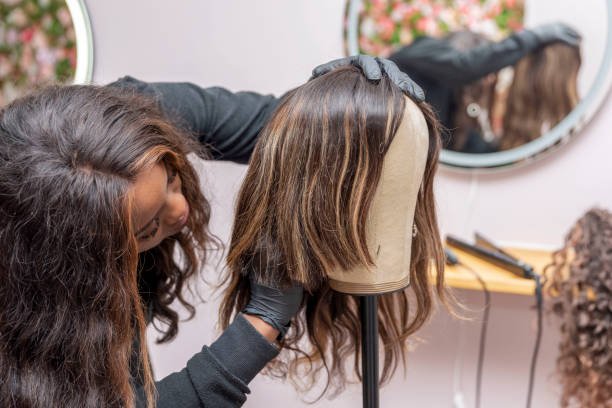
The Comprehensive Guide: Do Africans Wear Wigs?
Yes, Africans absolutely wear wigs, and have done so for centuries. The use of wigs, weaves, and hair extensions is deeply embedded in various African cultures, reflecting a rich tapestry of historical tradition, aesthetic expression, practical utility, and modern fashion trends. This practice is not merely a contemporary phenomenon but a continuation of ancient customs, evolving to meet the diverse needs and desires of people across the continent and in the diaspora.
From protective styling to making bold fashion statements, wigs serve multiple purposes for African men and, predominantly, women. This article will delve into the historical context, cultural significance, practical reasons, and economic impact of wig-wearing in Africa, providing an authoritative overview of this widespread and dynamic practice.
Historical Roots and Cultural Significance of Wigs in Africa
The practice of adorning one's head with artificial hair is far from new in Africa; its roots stretch back millennia, predating many Western civilizations. The rich history of African hair culture demonstrates a longstanding tradition of intricate hairstyles, which often incorporated extensions and decorative elements that served as precursors to modern wigs.
Ancient Origins: Beyond Egypt
While ancient Egypt is famously known for its elaborate wigs worn by both men and women—signifying status, wealth, and cleanliness—the tradition was not isolated to the Nile Valley. Across various ancient African societies, hair was a powerful symbol. It communicated social status, age, marital status, tribal identity, and religious beliefs. Hairstyles were often complex and time-consuming, leading to the use of extensions made from plant fibers, wool, or even human hair to achieve desired lengths and volumes. These early forms of adornment were functionally similar to wigs, offering versatility and protecting natural hair.
Wigs as Symbols of Identity and Status
In many traditional African societies, specific hairstyles were reserved for royalty, priests, warriors, or individuals undergoing rites of passage. Wigs, or elaborate hairpieces, were sometimes incorporated into these styles to enhance their grandeur and symbolic meaning. For instance, in some West African cultures, intricate headpieces adorned with shells, beads, or woven hair signified power and spirituality. The practice ensured that individuals could embody their designated roles and project the appropriate image within their community.
Why Africans Choose Wigs: A Multifaceted Approach
The reasons why Africans wear wigs are diverse and deeply personal, ranging from hair health to fashion and convenience. Understanding these motivations provides insight into the pervasive nature of wig culture across the continent.
1. Protection and Hair Health
One of the primary reasons for the widespread adoption of wigs, particularly among women, is hair protection. Protective styling helps shield natural hair from environmental damage (sun, wind, pollution), excessive manipulation (combing, styling), and harsh chemical treatments. Wearing a wig allows natural hair to rest, grow, and retain moisture underneath, minimizing breakage and promoting overall hair health. This is crucial for many Africans who have delicate hair textures prone to dryness and breakage.
- Minimizing manipulation: Wigs reduce the need for daily styling, heat application, and pulling, which can stress natural hair.
- Moisture retention: Hair can be moisturized and conditioned underneath a wig, creating a protective environment.
- Growth aid: By reducing breakage, wigs indirectly aid in hair length retention and growth.
2. Versatility and Style Experimentation
Wigs offer unparalleled versatility, allowing individuals to change their look dramatically without altering their natural hair. This appeal is significant in a continent where fashion and self-expression are highly valued.
- Instant transformations: Go from short to long, straight to curly, or dark to light hair color in minutes.
- Trend adoption: Easily experiment with the latest global and local hair trends, from sleek bobs to voluminous curls.
- Special occasions: Wigs are often chosen for weddings, parties, religious ceremonies, and other events where a polished, distinct look is desired.
3. Convenience and Time-Saving
For many busy individuals, wigs are a practical solution to save time on daily hair routines. Styling natural African hair, especially intricate styles, can be very time-consuming.
- Ready-to-wear: Wigs can be pre-styled, offering a quick and easy solution for everyday wear or last-minute events.
- Reduced daily effort: Eliminates the need for extensive washing, conditioning, and styling of natural hair every day.
4. Cultural Expression and Identity
While some view wigs as a departure from natural hair, for many, they are an extension of cultural expression. Modern African wig styles often draw inspiration from traditional African hairstyles, patterns, and aesthetics, creating a fusion of old and new.
- Diaspora connection: Wigs also serve as a link for Africans in the diaspora to connect with contemporary African beauty standards and styles.
- Empowerment: Choosing to wear a wig can be an act of self-empowerment, allowing individuals to define their own beauty standards.
5. Addressing Hair Loss or Thinning
For some, wigs provide a vital solution for coping with hair loss due to medical conditions (like alopecia, chemotherapy), hormonal changes, or age-related thinning. Wigs offer confidence and restore a sense of normalcy.
- Medical reasons: Providing coverage and comfort for those undergoing medical treatments affecting hair.
- Aesthetic concerns: Helping individuals manage thinning hair or receding hairlines.
Popular Types of Wigs in the African Market
The African wig market is vibrant and diverse, offering a wide array of options to suit different preferences, budgets, and needs. Understanding the various types available helps explain their popularity.
1. Human Hair Wigs
Human hair wigs are highly sought after for their natural look, feel, and versatility. They can be styled, colored, and treated much like natural hair, offering the most realistic appearance.
- Virgin Hair: Untreated and unprocessed human hair, often considered the highest quality. Popular types include Brazilian, Peruvian, Indian, and Malaysian hair.
- Remy Hair: Human hair with cuticles intact and aligned in the same direction, reducing tangling and shedding.
- Durability: With proper care, human hair wigs can last for a year or more, making them a significant investment.
2. Synthetic Wigs
Synthetic wigs are a more affordable and accessible option. Made from artificial fibers, they come in a vast range of styles, colors, and textures.
- Affordability: Significantly cheaper than human hair wigs, making them popular for those on a budget or looking for frequent style changes.
- Pre-styled: Often come pre-styled and maintain their shape even after washing, requiring less daily effort.
- Variety: An extensive selection of bold colors and unique styles often unavailable in human hair.
3. Lace Front Wigs and Full Lace Wigs
These wigs feature a sheer lace base at the front (lace front) or across the entire cap (full lace), designed to mimic a natural hairline. They are extremely popular for their undetectable appearance.
- Natural Look: The lace allows for a realistic scalp appearance, making the wig virtually undetectable.
- Versatility in Styling: Full lace wigs allow for parting in any direction and can be styled into updos.
4. Braided Wigs and Loc Wigs
These specialized wigs feature pre-braided or pre-locked strands, offering the intricate beauty of traditional African hairstyles without the long hours of salon time.
- Time-Saving: Achieve complex, protective styles like box braids, cornrows, or dreadlocks instantly.
- Low Maintenance: Once installed, these wigs require minimal daily upkeep.
- Cultural Appeal: Popular for those who cherish traditional African aesthetics but need a convenient option.
The Economic and Social Impact of the Wig Industry in Africa
The wig and hair extension market is a significant and rapidly growing industry across Africa, contributing substantially to economies and influencing social dynamics.
A Booming Market
The global hair care market is projected to reach billions, and Africa is a major contributor to and consumer within this industry. Countries like Nigeria, Ghana, South Africa, and Kenya have particularly robust markets for wigs and hair extensions.
| Country/Region | Estimated Market Value (Hair Extensions & Wigs) | Key Trends |
|---|---|---|
| Nigeria | Billions of USD (one of the largest in Africa) | High demand for human hair, lace wigs, celebrity-inspired styles. |
| South Africa | Significant market share | Blend of synthetic and human hair, focus on protective styling and fashion. |
| East Africa | Growing rapidly | Increasing disposable income, influence of social media trends. |
The demand spans all income levels, from affordable synthetic options to luxury human hair pieces. This robust demand fuels a complex supply chain involving manufacturers, importers, distributors, and retailers, both formal and informal.
Entrepreneurship and Job Creation
The wig industry is a powerful engine for entrepreneurship and job creation. Thousands of individuals are employed as:
- Wig makers and stylists: Crafting custom wigs, installing, and maintaining them.
- Retailers and distributors: Importing and selling wigs in physical stores and online.
- Content creators and influencers: Promoting wig styles and brands on social media.
This sector provides significant opportunities, especially for women, enabling economic independence and contributing to household incomes across the continent.
Social Perceptions and Debates
While wig-wearing is widely accepted, it's also a subject of ongoing social conversations, particularly concerning authenticity versus self-expression and the natural hair movement.
- The Natural Hair Movement: Advocates for embracing and celebrating natural African hair textures have gained significant traction, prompting discussions about beauty standards and self-acceptance.
- Integration of Wigs: Despite the rise of natural hair pride, wigs continue to thrive, often seen as a complementary option for versatility rather than an abandonment of natural hair identity. Many women alternate between their natural hair and wigs.
- Personal Choice: Ultimately, the decision to wear wigs is seen by many as a personal choice, a form of self-expression that aligns with individual style and comfort.
Choosing and Maintaining Wigs: Practical Tips for Africans
To maximize the benefits and longevity of wigs, proper selection and care are essential.
Selecting the Right Wig
Consider the following factors when choosing a wig:
- Hair Type: Match the texture to your natural hair if you plan to blend, or choose a contrasting texture for a bold change.
- Face Shape: Certain wig styles complement different face shapes. For example, a layered wig can soften a square face, while a full wig can balance a long face.
- Lifestyle: Consider your daily routine. A low-maintenance synthetic wig might be better for an active lifestyle, while a human hair wig offers more styling flexibility for special events.
- Quality: Invest in the best quality you can afford. Quality determines realism, durability, and comfort.
Wig Care and Maintenance
Proper care is crucial for extending the life of your wig:
- Washing: Use sulfate-free shampoos and conditioners formulated for wigs (or human hair products for human hair wigs). Wash gently, avoiding harsh scrubbing.
- Drying: Air dry on a wig stand to maintain shape. Avoid excessive heat, especially for synthetic wigs.
- Storage: Store wigs on a wig head or stand to prevent tangling and preserve style. Keep away from direct sunlight.
- Styling: Use heat protectant sprays on human hair wigs before applying heat. For synthetic wigs, follow manufacturer's instructions regarding heat styling.
- Regular Maintenance: Brush gently with a wide-tooth comb or wig brush to prevent tangles.
Conclusion
In conclusion, the answer to 'Do Africans wear wigs?' is an unequivocal yes. This practice is deeply ingrained in African culture, history, and modern life, driven by a multitude of factors including protection, versatility, convenience, cultural expression, and aesthetic preference. The vibrant wig industry on the continent not only reflects evolving beauty standards but also serves as a significant economic driver.
Far from being a monolithic trend, wig-wearing in Africa embodies personal agency and a rich tradition of hair adornment. Whether for practical reasons, a fashion statement, or a connection to heritage, wigs continue to be a cherished and integral part of the beauty landscape for Africans worldwide, celebrating diversity and individual style.
Enjoyed this read?
Share it with your friends and colleagues.