Did Africans Worship The Sun

BSC Insights Admin
September 30, 2026
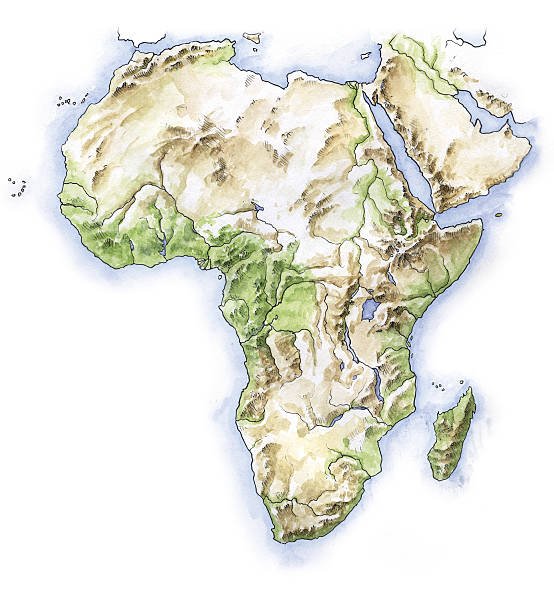
The question, "Did Africans worship the sun?" elicits a complex and nuanced answer, as African spiritual traditions are incredibly diverse, spanning a vast continent with thousands of ethnic groups and distinct belief systems. While direct, exclusive worship of the sun as a supreme deity was not a widespread or uniform practice across all African cultures, the sun undeniably held immense symbolic, mythical, and spiritual significance, often revered as a powerful force, a life-giver, or an attribute of a supreme creator God. Its role ranged from being a central deity in some ancient traditions, like those of Egypt, to being a revered symbol of power, light, and sustenance in many others, never standing alone but integrated into a richer cosmology.
Understanding African Cosmology and the Sun's Place
To fully grasp the role of the sun in African spirituality, it is crucial to understand the fundamental principles of
African cosmology. Most traditional African religions feature a supreme, transcendent creator God who is often distant but manifests through various lesser deities, spirits, and natural phenomena. The sun, with its undeniable power to bring light, warmth, and facilitate growth, naturally became a focal point of reverence and symbolism within these complex systems.
The Creator God and Secondary Deities
In many African traditional religions, the supreme being is the ultimate source of all creation, including the sun. Therefore, while the sun might be seen as a powerful manifestation or a tool of the creator, it is rarely the creator itself. Instead, it often serves as a conduit for the divine, a symbol of divine presence, or a secondary deity with specific functions related to life, fertility, or judgment. This hierarchical structure helps explain why direct worship of the sun as the *sole* supreme entity was less common than its reverence as a vital component of the cosmos.
Sun Deities and Solar Symbolism Across Africa
Despite the diversity, certain patterns emerge regarding the sun's spiritual importance. Its symbolism often revolves around life, warmth, illumination, power, and the cyclical nature of existence. Let us explore specific regional examples to illuminate this further, delving into how different
African spiritual practices incorporated the sun.
Ancient Egypt: The Most Prominent Example of Sun Worship
Perhaps the most famous and definitive example of direct
African sun worship comes from ancient Egypt. The sun god
Ra was one of the most significant deities in the Egyptian pantheon, often considered the king of the gods and the creator of all life. Pharaohs were believed to be descendants of Ra, linking royal authority directly to the sun. Other notable solar deities included
Aten, worshipped as the sole god during the Amarna period, and
Amun-Ra, a syncretic deity combining the hidden god Amun with Ra, becoming the supreme state god of the New Kingdom. Egyptian rituals, temples, and funerary practices were heavily imbued with solar symbolism, reflecting a profound veneration for the sun as a source of rebirth and cosmic order. The sun's journey across the sky and through the underworld symbolized life, death, and resurrection, integral to their religious beliefs.
West African Traditions: Sun as a Lesser Deity or Manifestation
In many
West African spiritual systems, such as those of the Yoruba, Igbo, and Akan people, the supreme creator God (e.g., Olodumare for the Yoruba, Chukwu for the Igbo, Nyame for the Akan) is distinct from the sun. The sun is often seen as a creation of this supreme being, a powerful force that sustains life, or a manifestation of divine power. For instance, among the Yoruba,
Olodumare is the ultimate creator, and while the sun (
Oòrùn) is highly respected for its essential role in life, it is not the object of direct worship in the same manner as Olodumare or the Orisha (deities subordinate to Olodumare). It symbolizes light, warmth, and the watchful eye of the creator, but is not typically personified as a distinct deity receiving direct cultic worship.
East African Beliefs: Sun in Creator Myths
Across
East African sun beliefs, particularly among groups like the Maasai and Gikuyu, the supreme God (
Engai for the Maasai,
Ngai for the Gikuyu) is often associated with the sky, rain, and sometimes the sun, but is not exclusively the sun. For the Maasai, Engai is a dualistic God, manifested as
Engai Narok (Black God, benevolent, associated with rain and fertility) and
Engai Nanyokie (Red God, wrathful, associated with drought and the scorching sun). Here, the sun is a powerful aspect or tool of the supreme deity, indicating blessings or challenges, rather than a separate god worshipped independently. The sun's daily cycle and seasonal changes are understood as reflections of Engai's power and influence over life and nature.
Southern African Perspectives: Khoisan and Bantu Traditions
Among the
Khoisan sun reverence traditions (e.g., San people), the sun is a vital element of their animistic worldview. While they have a supreme creator or trickster deity, the sun is revered for its life-giving properties and its essential role in hunting and gathering. It is often seen as an ancestor or a powerful spirit, deeply integrated into their oral traditions and rock art. For
Bantu sun deities and practices, which cover a vast array of cultures in Southern Africa, the sun is generally considered a symbol of power, life, and the divine eye. It might be invoked in prayers for good harvest or protection, but rarely as a supreme god in its own right. Ancestral spirits often mediate between humans and the ultimate creator, and the sun is part of the natural world they inhabit and influence.
Central African Worldviews
In Central African spiritual traditions, such as those of the Luba or Mongo peoples, there is often a paramount creator deity (e.g.,
Kabezya Mpungu for the Luba) who is responsible for all creation. The sun, like the moon and stars, is an integral part of this creation, revered for its functional role in providing light and sustenance. Rituals might acknowledge the sun's power, but direct worship is usually directed towards the supreme creator or mediating spirits and ancestors, rather than the celestial body itself.
| Region/Culture | Sun's Role/Associated Deity | Supreme Deity (if different) | Type of Relationship |
|---|---|---|---|
| Ancient Egypt | Ra, Aten, Amun-Ra | Often fused or identified with supreme | Direct worship, primary deity, creator |
| West Africa (Yoruba, Igbo) | Symbol of Olodumare/Chukwu's power, sustenance | Olodumare, Chukwu | Reverence, symbolic, aspect of creator's power |
| East Africa (Maasai, Gikuyu) | Aspect of Engai/Ngai, manifestation of power | Engai, Ngai | Component of creator's influence, not sole worship |
| Southern Africa (Khoisan, Bantu) | Life-giver, powerful force, ancestor/spirit | Supreme creator (varied names) | Reverence, symbolic importance, functional role |
| Central Africa (Luba, Mongo) | Integral part of creation, source of light/warmth | Kabezya Mpungu (Luba) | Reverence for its function, part of broader cosmos |
Reverence vs. Direct Worship: A Key Distinction
It is vital to draw a clear line between
reverence and direct worship when discussing
African religious beliefs. Many cultures revered the sun for its life-giving properties and saw it as a powerful cosmic entity, but this reverence did not always translate into direct, exclusive worship. For most, the sun was one of many powerful elements within a spiritual landscape governed by a supreme being, lesser deities, and ancestral spirits.
The Sun as a Symbol of Life, Power, and Knowledge
Across Africa, the sun often symbolized fundamental concepts:
- Life and Fertility: Its warmth and light are essential for agriculture, human, and animal life.
- Power and Authority: The sun's dominance in the sky often mirrored the power of rulers or deities.
- Knowledge and Clarity: As the bringer of light, it dispels darkness, symbolizing truth and understanding.
- Cosmic Order: Its consistent rising and setting represented predictability and the established order of the universe.
These symbolic associations led to rituals, prayers, and offerings that acknowledged the sun's importance, but these were typically part of broader religious practices aimed at the supreme being or other specific deities, not solely at the sun itself.
Rituals and Offerings Related to the Sun
While not always direct worship, many African cultures incorporated the sun into their rituals. These might include:
- Morning Prayers: Facing the rising sun to offer prayers to the creator or ancestors.
- Agricultural Rites: Appealing to celestial forces, including the sun, for good harvests.
- Healing Ceremonies: Utilizing the sun's perceived purifying and life-giving energy.
- Initiation Rites: Symbolically aligning initiates with the sun's power and cyclical journey.
These practices highlight the sun's deep integration into daily life and spiritual consciousness, even without being the primary object of worship.
The Sun's Practical Importance in African Societies
Beyond the spiritual realm, the sun's practical significance profoundly shaped African societies. Its direct influence on daily life reinforced its symbolic value.
Impact on Agriculture and Seasonal Cycles
For predominantly agrarian societies, the sun's behavior dictates everything from planting and harvesting to water availability. The reliable cycle of the sun, along with the patterns of rain, determined survival. Therefore, it was naturally imbued with profound significance, leading to traditions and ceremonies designed to honor and appeal to the cosmic forces that control these vital elements. Droughts or excessive heat, attributed to the sun's wrath or imbalance, would inspire communal prayers and rituals.
The Sun in Art, Oral Traditions, and Storytelling
The sun frequently appears as a powerful motif in
African art, sculpture, and particularly in oral traditions. Countless myths, legends, and folk tales across the continent feature the sun as a character, a divine being, a source of life, or a challenge to be overcome. These stories often explain its origin, its relationship to the moon and stars, and its impact on humanity, reinforcing its central place in the cultural and spiritual narrative.
Solar symbolism Africa is pervasive, found in adornments, architectural elements, and ceremonial objects, reflecting its enduring spiritual and cultural resonance.
Enduring Legacy and Modern Interpretations
The historical and spiritual relationship between Africans and the sun continues to resonate today. Although many Africans have converted to Abrahamic religions (Christianity and Islam), elements of traditional beliefs, including the reverence for natural phenomena, often persist. This
syncretism with Abrahamic religions means that while direct sun worship is not common in modern Africa, the sun's symbolic importance as a source of divine light, strength, and life often finds its way into contemporary spiritual expression, reflecting the enduring legacy of ancient African cosmologies.
Understanding
African cultural diversity is paramount when discussing topics like sun worship. What was true for one ethnic group or ancient kingdom might not have been true for another. The continent's vastness implies a richness of spiritual expression, where the sun played varied, yet consistently significant, roles.
Conclusion
In conclusion, the question "Did Africans worship the sun?" requires a nuanced answer that acknowledges the continent's immense spiritual diversity. While ancient Egypt stands out as a civilization where direct and primary worship of the sun god Ra was central, this was not a universal practice across the African continent. Instead, for many other African traditional religions, the sun was deeply revered as a powerful force, a life-giver, a manifestation of the supreme creator, or a symbol of divine power and cosmic order, rather than being the sole object of worship. Its importance was profound, deeply integrated into cosmology, rituals, and daily life, symbolizing life, warmth, and sustenance. Therefore, it is more accurate to state that while the sun held immense
spiritual significance and was often revered, its role was typically one of a powerful, sacred element within a broader and more complex hierarchical system of
African deities and the sun, underscoring the richness and variety of
ancient African spiritual practices.
Enjoyed this read?
Share it with your friends and colleagues.