Did Africans Have Written Languages

BSC Insights Admin
October 07, 2026
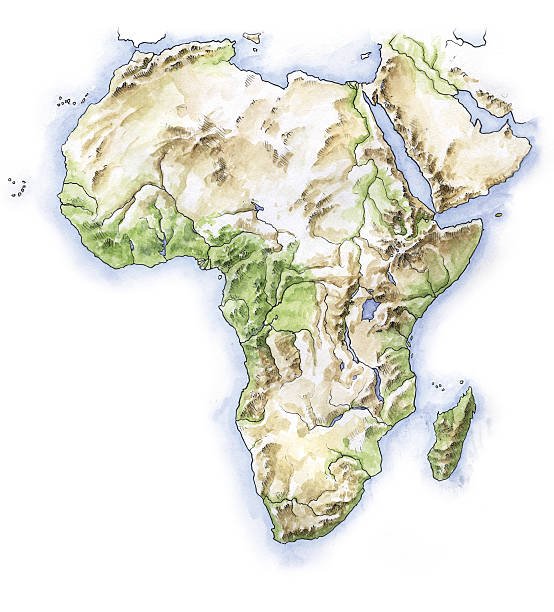
Contrary to a widespread misconception, the answer to the question "Did Africans have written languages?" is a resounding yes. Africa, a continent of unparalleled linguistic and cultural diversity, boasts a rich and complex history of indigenous writing systems that predate European colonialism by centuries, if not millennia. From ancient hieroglyphs to sophisticated syllabaries and ideographic systems, various African societies developed unique methods for recording knowledge, history, and culture. This article delves into the fascinating world of African written languages, exploring their origins, evolution, and profound significance, and debunking the myth that writing was solely a foreign import.
Challenging Misconceptions About African Literacy
For too long, a Eurocentric view of history propagated the idea that African civilizations were primarily oral and lacked sophisticated written forms of communication. This narrative often served to justify colonial interventions, portraying African societies as 'primitive' and in need of 'enlightenment.' However, archaeological discoveries, linguistic research, and the study of historical records consistently reveal a vibrant tradition of indigenous literacy across the continent. Understanding these ancient African scripts is crucial for a complete and accurate picture of global human achievement.
The misconception stems from several factors:
- Colonial Suppression: European colonial powers often suppressed indigenous writing systems, replacing them with Latin-based alphabets or Arabic script, and disrupting traditional educational structures.
- Focus on Oral Traditions: While many African cultures had rich and complex oral traditions for transmitting history, law, and literature, this does not mean written forms were absent. Orality and literacy often coexisted and complemented each other.
- Limited Exposure: Many African scripts were localized or used by specific groups, making them less globally recognized compared to widely adopted scripts like Latin or Arabic.
Ancient Roots: North and Northeast African Writing Systems
The northern and northeastern parts of Africa are home to some of the world's oldest and most influential writing systems.
Egyptian Hieroglyphs: A Monumental Legacy
Perhaps the most famous of all African writing systems, Egyptian Hieroglyphs emerged around 3200 BCE, making them one of the earliest known forms of writing globally. Developed in ancient Egypt, this complex system combined logographic (word-based), syllabic (sound-based), and alphabetic elements. Hieroglyphs were primarily used for monumental inscriptions on temples, tombs, and papyri, recording religious texts, historical events, and administrative decrees. Over time, more cursive forms like Hieratic and Demotic evolved for everyday writing and administration, demonstrating the adaptability and widespread use of writing in ancient Egyptian society.
- Origins: Developed around 3200 BCE.
- Usage: Monumental inscriptions, religious texts, administrative records.
- Evolution: Hieratic (cursive form for religious texts), Demotic (highly cursive for everyday use).
Meroitic Script: The Language of Kush
Further south, in what is now modern-day Sudan, the ancient Kingdom of Kush developed its own unique writing system known as the Meroitic script. Flourishing from around the 3rd century BCE to the 4th century CE, Meroitic was an alphabetic syllabary, meaning its characters represented consonant-vowel combinations. Derived from Egyptian hieroglyphs, it was specifically adapted to write the Meroitic language. Found on temples, stelae, and other artifacts, the Meroitic script reveals a sophisticated civilization with its own distinct literary tradition, though much of its content remains undeciphered today, a testament to the ongoing challenges and mysteries of historical linguistics.
Ge'ez Script: Ethiopia's Enduring Legacy
In the Horn of Africa, particularly in Ethiopia and Eritrea, the Ge'ez script stands as a powerful symbol of continuous literacy for over 1,500 years. Originating from the South Arabian script around the 4th century CE, Ge'ez evolved into an abugida (or alpha-syllabary), where each basic character represents a consonant followed by an inherent vowel, with modifications indicating other vowels. Initially used for the liturgical language Ge'ez, it became the foundation for writing modern Ethiopian languages like Amharic, Tigrinya, and Oromo. The vast body of literature in Ge'ez, including religious texts, historical chronicles, and philosophical treatises, underscores the profound intellectual and literary heritage of this region.
Indigenous Innovations: West African Writing Systems
West Africa is particularly rich in indigenous writing systems, many of which were developed relatively recently or have very localized, ancient roots.
Nsibidi: The Ideographic Code of Southeastern Nigeria
Among the most intriguing African writing systems is Nsibidi, found in southeastern Nigeria among the Igbo, Efik, Ibibio, and Ejagham peoples. Nsibidi is an ideographic script, meaning its symbols represent ideas or concepts rather than sounds. It dates back potentially thousands of years, with early archaeological evidence appearing from the 5th to 15th centuries CE. Historically, Nsibidi was used by secret societies like the Ekpe and Ngbe for communication, judicial rulings, and ritual purposes. It was inscribed on calabashes, walls, textiles, and human skin, serving as a visual language that conveyed complex meanings, proverbs, and social codes, demonstrating a sophisticated visual literacy.
Vai Script: A 19th-Century Revelation in Liberia
The Vai script, developed in the 1830s by Momolu Duwalu Bukele in what is now Liberia, is a remarkable example of an indigenously created syllabary. Unlike scripts that evolved over centuries, the Vai script was consciously invented to write the Vai language. Its creation was inspired by a dream and a desire to provide the Vai people with their own means of written communication. This syllabary features distinct characters for each syllable, making it relatively easy to learn and use. Its rapid adoption and enduring use for personal letters, administrative records, and even publishing a newspaper, highlight the capacity for innovation within African societies.
Bamum Script: King Njoya's Vision in Cameroon
At the turn of the 20th century, King Ibrahim Njoya of the Bamum kingdom in Cameroon embarked on a project to create a writing system for his people. The Bamum script underwent several transformations, starting as a pictographic system and evolving into a sophisticated syllabary over a period of about 15 years. King Njoya himself documented the process, demonstrating a conscious effort to refine and simplify the script. It was used extensively for administrative purposes, historical records, and even to print books. Although its use declined under colonial pressure, it stands as a testament to the intellectual prowess and cultural independence of the Bamum kingdom.
Adinkra Symbols: Ghana's Proverbs in Print
While not a full writing system in the sense of recording spoken language, the Adinkra symbols of the Akan people in Ghana and Côte d'Ivoire are a profound form of visual communication. Each symbol represents a concept, proverb, historical event, or philosophical idea. Traditionally printed on cloth for funerals and important ceremonies, Adinkra symbols convey deep cultural meanings, moral values, and wisdom. They demonstrate that literacy is not solely about phonetic transcription but also about visual representation of complex ideas, playing a vital role in cultural transmission and identity.
Across the Continent: Other Notable African Scripts
Beyond these prominent examples, many other communities across Africa developed and utilized various forms of writing and notation.
Tifinagh: The Ancient Script of the Amazigh
The Tifinagh script is an ancient alphabet used by the Amazigh (Berber) people across North Africa and the Sahel region. Its origins are believed to trace back to ancient Libyco-Berber inscriptions, potentially linked to Phoenician or Punic scripts. Historically used for rock carvings and personal inscriptions, Tifinagh has seen a significant revival in modern times as a symbol of Amazigh identity and cultural pride. It is now officially recognized and taught in schools in some Amazigh regions, demonstrating the resilience and adaptive nature of pre-colonial African writing.
Other Systems and Notational Practices
Many other less-documented or localized systems existed, including various pictographic and ideographic symbols used by different ethnic groups for record-keeping, divination, and communication. For instance, some communities in Central Africa developed systems of notation on wood or leaves, serving mnemonic functions or recording genealogies. While not always full writing systems, these practices highlight a widespread tradition of visual communication and the desire to encode information beyond oral transmission.
The Interplay of Oral Traditions and Written Languages
It is important to understand that the presence of written languages in Africa did not diminish the importance of its extraordinarily rich oral traditions. In many African societies, oral literature—epics, praise poetry, proverbs, historical narratives—was the primary means of transmitting knowledge, maintaining social cohesion, and educating younger generations. Griots in West Africa, for example, are revered historians, storytellers, and musicians who carry vast libraries of oral tradition. Written forms often served complementary purposes:
- Formal Records: Writing was used for administrative documents, legal texts, treaties, and religious scriptures.
- Preservation: It offered a more permanent record for certain types of information.
- Communication: For communication over distance or between different groups.
The coexistence of robust oral and written traditions highlights the sophisticated intellectual landscape of African civilizations, where different forms of knowledge storage and transmission were valued for their specific strengths.
The Impact of Colonialism on African Scripts
The advent of colonialism in the 19th and 20th centuries had a devastating impact on many indigenous African writing systems. European powers often:
- Imposed European Languages: Colonial administrations prioritized European languages (English, French, Portuguese) and their respective Latin-based alphabets for education and governance.
- Suppressed Local Systems: Indigenous scripts were often viewed as 'primitive' or a hindrance to 'modernization,' leading to their active suppression or neglect.
- Disrupted Educational Structures: Traditional systems of learning, which might have included indigenous scripts, were replaced by Western models.
This disruption led to the decline or even disappearance of several scripts, contributing to the erroneous belief that Africa lacked a written heritage. The imposition of foreign languages also created linguistic barriers and severed connections to a rich literary past.
Revival and Modern Relevance of African Scripts
In recent decades, there has been a significant resurgence of interest in and efforts to revive and preserve ancient African scripts and locally developed writing systems. This movement is driven by a desire to reconnect with cultural heritage, promote linguistic diversity, and assert African identity in a globalized world.
Examples of these revival efforts include:
- Educational Initiatives: Teaching Tifinagh in Amazigh communities, or introducing Nsibidi and Adinkra symbols in art and cultural studies.
- Technological Integration: The development of digital fonts for scripts like Vai and Ge'ez, making them accessible in the digital age.
- Artistic and Cultural Expression: Contemporary artists, designers, and writers are incorporating these scripts into their work, giving them new life and visibility.
These efforts are vital for ensuring that the rich history of African literacy before colonialism is not forgotten, and that future generations can access and appreciate their full cultural inheritance.
Conclusion: A Legacy of Innovation and Literacy
The notion that Africans did not have written languages is a profound historical inaccuracy that diminishes the immense intellectual and cultural achievements of the continent. From the monumental hieroglyphs of ancient Egypt and the enduring Ge'ez script of Ethiopia to the ingenious Vai and Bamum syllabaries and the symbolic depth of Nsibidi and Adinkra, Africa has a vibrant and diverse history of indigenous writing. These systems served crucial functions in governance, religion, education, and cultural expression, demonstrating a rich tradition of literacy that existed long before the arrival of Europeans. Recognizing and celebrating these African writing systems is essential not only for a more accurate understanding of global history but also for affirming the enduring legacy of innovation and intellectual sophistication that defines the African continent.
Enjoyed this read?
Share it with your friends and colleagues.