Can Alligator Be Found In Africa

BSC Insights Admin
September 30, 2026
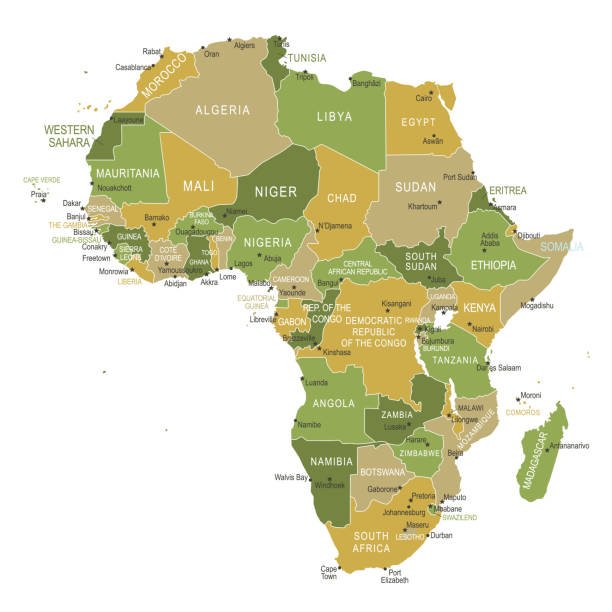
Determining if a native alligator can be found in Africa requires an understanding of the specific geographic ranges of different crocodilian species across the globe. While many people use the terms interchangeably, there is no African country which can alligator be found in Africa in a wild, indigenous capacity. The continent is strictly the domain of various crocodile species that have adapted to its unique river systems and coastal environments over millions of years.
The distinction between alligators and crocodiles is vital for researchers and tourists exploring the diverse waterways of the African landscape. To clarify the confusion, we must look at the specific species that actually live in these regions and why the alligator lineage is absent from the continent.
These are the facts about whether can alligator be found in Africa
To understand the distribution of these large reptiles, one must look at the evolutionary history and physiological traits that separate the alligator from the crocodile. Africa is home to several unique species of crocodiles, but true members of the Alligatoridae family are located exclusively in the Americas and China. The environmental conditions in Africa have fostered the growth of crocodiles that possess a much higher tolerance for salt water and different nesting behaviors than their distant alligator cousins. The following points provide a detailed examination of why the alligator is not part of the African fauna and which species actually dominate the local waters.
1. The Geographic Range of the Alligatoridae Family
The Alligatoridae family consists primarily of the American alligator and the Chinese alligator, neither of which has ever been found in the wild on the African continent. American alligators are limited to the southeastern United States, primarily in states like Florida, Louisiana, and Georgia, where they inhabit freshwater swamps and marshes. The Chinese alligator is a much smaller and critically endangered species found only in the Yangtze River valley in China. Historically, these animals have been separated from African landmasses by vast oceans for millions of years, preventing any natural migration. Because alligators lack the efficient salt glands found in crocodiles, they are physically unable to cross the saltwater barriers of the Atlantic or Indian Oceans. Consequently, any sighting of a large crocodilian in an African river is guaranteed to be a crocodile species rather than an alligator.
2. The Nile Crocodile: Africa’s Aquatic Giant
The Nile crocodile is the most famous and widespread crocodilian on the continent, and it is the animal most often misidentified by those asking if an alligator can be found in Africa. Known scientifically as Crocodylus niloticus, this massive predator can be found in nearly every country in sub-Saharan Africa, from the Nile Delta in the north down to the Limpopo River in the south. Nile crocodiles are significantly larger and more aggressive than the American alligator, with adult males reaching lengths of up to six meters and weighing over seven hundred kilograms. They are found in a variety of habitats, including rivers, lakes, and even brackish estuaries near the coast. Unlike alligators, which prefer relatively cooler temperate climates, the Nile crocodile thrives in the tropical and subtropical temperatures that characterize the majority of the African landscape. They are apex predators, capable of taking down large mammals such as zebras, wildebeest, and even small hippos.
3. Distinct Snout Morphology
One of the easiest ways to distinguish between the crocodiles of Africa and the alligators of the Americas is the shape of their snouts. Crocodiles possess a longer, more pointed snout that is typically shaped like the letter V, which is an adaptation for a varied diet that includes fish and agile mammals. Alligators, on the other hand, have a much broader, U-shaped snout that is designed for crushing the shells of turtles and crustaceans. This structural difference is a result of millions of years of separate evolution in different ecosystems with varying prey availability. In any African countries that can alligator be found in Africa might be wrongly assumed, a close look at the snout will reveal the characteristic tapering of a crocodile. This V-shaped snout allows crocodiles to snap their jaws shut with incredible speed and precision, making them highly effective hunters in the fast-flowing rivers of the African wilderness.
4. Dental Alignment and Visibility
Another definitive physical trait that separates African crocodiles from alligators is the alignment of their teeth when their mouths are closed. In crocodiles, the fourth tooth on the lower jaw is clearly visible and fits into a notch on the outside of the upper jaw when the mouth is shut. In alligators, the upper jaw is wider than the lower jaw, which means all of the lower teeth are hidden inside the upper jaw when the mouth is closed. This gives the crocodile a much more jagged and intimidating appearance, often described as a "toothy grin." This dental configuration is consistent across all African species, including the Nile, Dwarf, and Slender-snouted crocodiles. Travelers observing these creatures from a safe distance can use this dental rule to confirm they are looking at a member of the Crocodylidae family. It is a reliable biological marker that eliminates any confusion between the two groups.
5. Saltwater Tolerance and Salt Glands
The ability to tolerate high levels of salinity is perhaps the most significant biological difference between African crocodiles and alligators. Crocodiles have highly developed lingual salt glands on their tongues that allow them to excrete excess salt from their bodies, enabling them to live in saltwater or brackish environments for extended periods. Alligators possess these glands but they are largely non-functional, which restricts them almost exclusively to freshwater habitats like inland swamps and lakes. This salt tolerance explains why crocodiles are found in coastal mangroves and estuaries in countries like Mozambique and Madagascar, where they can survive in the interface between land and sea. Because crocodiles can tolerate salt water, they have been able to island-hop across various maritime regions, which is why they are found on many islands surrounding the African mainland. Alligators simply do not have the physiological equipment to survive such journeys, further explaining their absence from the continent.
6. The West African Crocodile: A Hidden Species
For many years, scientists believed that all large crocodiles in Africa belonged to the Nile species, but recent genetic research has identified the West African crocodile as a distinct species. Known as Crocodylus suchus, this species is typically smaller and less aggressive than the Nile crocodile, and it is found in parts of West and Central Africa, including Mauritania and Niger. These crocodiles are often found in smaller bodies of water and seasonal pools, and in some cultures, they are revered as sacred animals and protected by local communities. The discovery of this species highlights the incredible biodiversity of the African continent and the complexity of its natural ecosystem which continues to surprise researchers. The West African crocodile has adapted to drier environments and can even survive in desert oases, showing a resilience that is quite different from the typical alligator. Its presence further complicates the map of African crocodilians, proving that the continent has a diverse array of native reptiles that fill various niches.
7. The African Dwarf Crocodile
The African dwarf crocodile represents the smallest member of the crocodilian family on the continent and is found primarily in the rainforests of West and Central Africa. Growing to an average length of only one and a half meters, these crocodiles are primarily nocturnal and spend much of their time in small forest streams and flooded areas of the jungle. They are heavily armored with bony plates on their back and belly, which protects them from predators in the dense undergrowth. Unlike the Nile crocodile, the dwarf crocodile is quite shy and elusive, making it difficult for tourists to spot. Their diet consists mostly of frogs, fish, and crustaceans, and they are known to spend their days hiding in burrows or under fallen logs. While they may superficially resemble a small alligator due to their size, their skeletal structure and salt glands clearly categorize them as crocodiles. They are a vital part of the forest ecology in countries like Gabon and the Democratic Republic of the Congo.
8. The Slender-snouted Crocodile
The African slender-snouted crocodile is a specialized fish-eater found in the heavily forested regions of Central and West Africa. As its name suggests, it possesses an extremely thin, elongated snout that is perfectly adapted for catching fast-moving fish in river currents. This species is relatively shy and avoids the open, sunny banks favored by the Nile crocodile, preferring the cover of overhanging vegetation in forest rivers. Genetic studies have recently suggested that there may be two distinct species of slender-snouted crocodiles, one in West Africa and another in Central Africa. These animals are currently considered critically endangered due to habitat loss and hunting, making them a high priority for conservationists. Their unique appearance further distinguishes African crocodilians from the broader, heavier look of the American alligator. They represent a specialized evolutionary path that has allowed them to thrive in the complex river systems of the African rainforest.
9. Nesting and Reproductive Strategies
Nesting behavior provides another significant point of contrast between alligators and the various crocodiles found in Africa. Alligators are mound-nesters, meaning they build large mounds of vegetation and mud in which they lay their eggs, with the decaying plants providing the heat necessary for incubation. While some African crocodiles like the dwarf and slender-snouted species also build mounds, the dominant Nile crocodile is a hole-nester. Nile crocodiles dig deep holes in the sandy banks of rivers where they deposit their eggs and then cover them with sand to protect them from the sun and predators. The mother remains close to the nest for several months, defending it fiercely against monitors and hyenas. This difference in nesting style is a adaptation to the different soil types and climates found in their respective ranges. Alligator nesting is tied to the humid, swampy environments of the southeastern United States, whereas African crocodile nesting is adapted to the seasonal shifts of the African savanna and riverbanks.
10. Fossil Evidence and Paleo-geography
The geological history of the Earth confirms that the lineages of alligators and crocodiles have been separate for over eighty million years. Fossil records show that while early crocodilians were once more widespread, the specific ancestors of the alligator never successfully colonized the African landmass after the continents split. During the era of the supercontinent Gondwana, various reptiles roamed the unified land, but as the Atlantic Ocean opened up, the populations became permanently isolated. Africa became a stronghold for the crocodiles, which developed traits that allowed them to survive the continent's arid cycles and varied water chemistry. The fossils found in the Sahara and the East African Rift Valley are exclusively from the crocodile and gharial lineages. This historical data provides the definitive answer to why there is no native country in Africa can alligator be found in Africa in any era of modern human history. The alligator is a product of the Laurasian landmasses, while African crocodiles are the heirs of a distinct southern evolutionary journey.
Reasons Why These Countries do not have the reptile known as can alligator be found in Africa in Africa
1. Saltwater Barriers to Migration: The most significant reason for the absence of alligators is their inability to cross the oceans that surround the continent. Unlike crocodiles, which have lingual salt glands to filter out excess sodium, alligators are strictly limited to freshwater environments. This biological limitation means that any alligator attempting to swim between continents would perish from dehydration and salt toxicity long before reaching African shores. Consequently, the vast Atlantic and Indian Oceans have served as an impassable moat that has kept alligators confined to the Americas and China. This is why African countries that can alligator be found in Africa in a wild capacity simply do not exist. Geography and biology have worked together to keep these species in their respective hemispheres.
2. Ecological Competition with Nile Crocodiles: Even if an alligator were somehow introduced to African waters, it would face extreme competition from the Nile crocodile, which is one of the most successful and aggressive predators on Earth. Nile crocodiles occupy the same ecological niche that an alligator would, but they are generally larger and more territorially dominant. In the struggle for resources like nesting sites and prey, the native African crocodiles would likely out-compete or directly prey upon the smaller alligators. The African river systems are already "full" of apex reptilian predators that have spent millions of years perfecting their survival in that specific environment. A newcomer like the alligator would find it nearly impossible to establish a breeding population in such a competitive landscape.
3. Climate Suitability and Arid Seasons: Many parts of Africa experience intense dry seasons where water sources shrink to small pools or disappear entirely. Nile crocodiles and West African crocodiles have evolved to survive these periods by aestivating in burrows or traveling long distances to find permanent water. Alligators are more adapted to the consistently wet and temperate environments of the southeastern United States and the Yangtze River. The extreme heat and seasonal aridity of the African savanna would place an immense physiological strain on an alligator, which is not as well-equipped for these conditions. African crocodiles have a unique ability to manage their metabolism and water loss that allows them to survive the continent's harsh environmental pulses. This climatic specialization is a major reason why alligators have never taken root in the region.
4. Historical Separation of Landmasses: The split of the supercontinent Gondwana and the later movement of tectonic plates ensured that the lineages of the Alligatoridae and Crocodylidae were geographically separated. Africa remained isolated from the regions where alligators evolved, particularly as the Tethys Sea and the Atlantic Ocean became permanent barriers. While some animals moved between continents via land bridges, these bridges were often in high-latitude regions that were too cold for tropical reptiles like crocodilians to cross. By the time the modern climate and geography were established, the alligator lineage was firmly rooted in North America and Asia. The physical history of the Earth is the primary reason why we do not see alligators in the Nile or the Congo rivers today. This long-term isolation has allowed each continent to develop its own unique "flavor" of large reptilian predators.
5. Specialized African Prey and Diets: African crocodiles have co-evolved with the continent's massive herds of migratory mammals, such as wildebeest, zebras, and various antelopes. Their hunting strategies and physical size are specifically tuned to capturing these large, powerful animals during river crossings. American alligators have a diet that focuses more on smaller prey like fish, turtles, and wading birds, as the Americas lack the same density of massive migratory ungulates. The specialized requirements of hunting African megafauna favor the larger size and greater aggression of the Nile crocodile. If an alligator were in an African country which can alligator be found in Africa was assumed, it might struggle to secure enough calories from prey that it is not used to hunting. The entire food web in Africa is structured in a way that supports the native crocodile species over any potential invaders.
6. Evolutionary Divergence of Crocodilians: The fundamental genetic and physiological differences between these animals were established over eighty million years ago, making them as different as a cat is from a dog in terms of their lineage. Crocodiles are part of a family that has always been more successful in the tropical and maritime regions of the southern hemisphere. Alligators represent a branch that specialized in temperate, freshwater environments in the northern hemisphere. This deep evolutionary divide means that each group is "locked" into the environments where they originally thrived. African crocodiles have several anatomical features, such as the arrangement of bones in the skull and the structure of the heart, that are slightly different from those of an alligator. These tiny but significant differences ensure that crocodiles remain the masters of the African waterways, perfectly suited for the continent's unique biological and geographic demands.
Conclusion
In summary, the question of whether a native alligator can be found in Africa is answered by millions of years of evolutionary history and geographic isolation. While the continent is teeming with various crocodile species like the Nile and the Dwarf crocodile, the alligator is strictly a resident of the Americas and China. Understanding the physical differences, such as snout shape and dental alignment, helps travelers accurately identify the reptiles they see in any country in Africa can alligator be found in Africa research. The biological success of crocodiles in Africa is due to their high salt tolerance and their adaptation to the continent's seasonal water cycles. Ultimately, Africa remains the exclusive domain of the crocodile, one of the most resilient and ancient predators to ever roam the planet's diverse landscapes.
Enjoyed this read?
Share it with your friends and colleagues.