Animals Found In Africa Continent

BSC Insights Admin
September 30, 2026
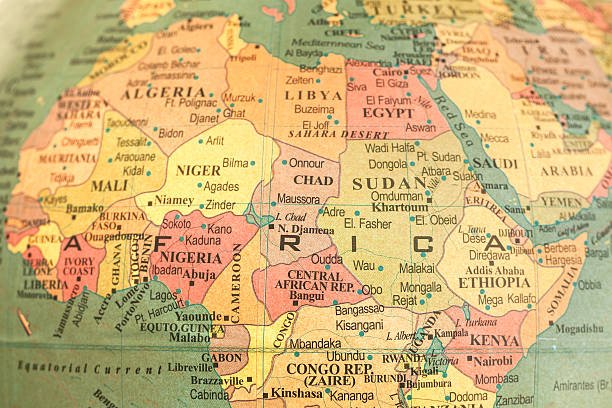
The vast diversity of animals found in Africa continent makes it the premier destination for wildlife enthusiasts and biological researchers seeking to observe species in their natural habitats. From the expansive grasslands of the Serengeti to the dense rainforests of the Congo Basin, these creatures represent an evolutionary heritage that is unmatched anywhere else on Earth. Many of these species are endemic to specific regions, playing critical roles in maintaining the ecological balance of their respective biomes.
To understand the complexity of this fauna, one must examine the specific environments that support such a wide array of life. The following sections provide an in-depth exploration of the most iconic species that inhabit the diverse landscapes of the continent.
These are the Animals Found In Africa Continent
The wildlife of the continent is characterized by its scale, variety, and the presence of some of the largest land mammals on the planet. Many African countries that protect animals found in Africa continent through vast reserves and national parks offer a safe haven for these species to thrive despite the challenges of the modern world. Below is a comprehensive list of the most significant animals found across the various regions of the African landmass.
1. African Elephant
The African elephant is the largest land mammal on Earth and serves as a keystone species in the ecosystems it inhabits. These majestic creatures are divided into two distinct species: the savanna elephant and the smaller forest elephant. Savanna elephants are typically found in the grasslands of Southern and East Africa, where they play a vital role in shaping the landscape by knocking over trees and creating paths for other wildlife. They are known for their high level of intelligence and complex social structures, which are led by a matriarch in close-knit family groups. An African country which protects animals found in Africa continent such as the elephant is Botswana, which currently hosts the largest remaining population in the world. Conservation efforts are crucial for their survival due to the ongoing threats of habitat loss and illegal poaching for ivory.
2. African Lion
Often referred to as the king of the savanna, the African lion is the only social cat species, living in groups known as prides. These prides are usually composed of related females and a few dominant males who protect the territory from intruders. Lions are apex predators, and their presence is a key indicator of a healthy and balanced ecosystem where they keep herbivore populations in check. They are primarily found in the grasslands and open woodlands of Sub-Saharan Africa, with significant populations in Tanzania and South Africa. Their distinct roar can be heard from several kilometers away, serving as a powerful communication tool within the pride. While they are iconic symbols of the continent, their numbers have faced a steady decline, leading to intensified conservation efforts across several nations.
3. Mountain Gorilla
The mountain gorilla is one of the most endangered primates in the world and is found only in the high-altitude forests of Central and East Africa. These gentle giants live in the Virunga Mountains and the Bwindi Impenetrable Forest, spanning the borders of Rwanda, Uganda, and the Democratic Republic of the Congo. Rwanda is a primary African country which hosts animals found in Africa continent like these gorillas, offering highly regulated trekking experiences that fund vital conservation projects. They live in family groups led by a dominant silverback, who is responsible for the safety and well-being of the entire group. Their diet consists mostly of leaves, shoots, and stems, requiring a lush and undisturbed forest habitat to survive. Through community involvement and strict protection, their population has shown a promising increase over the last decade.
4. Cheetah
The cheetah is the fastest land animal on the planet, capable of reaching speeds of up to 110 kilometers per hour in short bursts. This incredible speed is facilitated by a slender body, long legs, and a specialized spine that allows for massive strides during a hunt. Unlike other big cats, cheetahs hunt during the day to avoid competition with larger predators like lions and hyenas. They are primarily found in the open plains and savannas of Southern and East Africa, where their spotted coats provide excellent camouflage in the tall grass. However, they face significant challenges due to low genetic diversity and the loss of the vast territories they require to hunt effectively. Efforts to protect their corridors are essential for ensuring that this unique feline continues to roam the African plains.
5. Black and White Rhinoceros
Africa is home to two species of rhinoceros: the white rhino and the critically endangered black rhino. Despite their names, both species are actually grey in color, with the main difference being the shape of their lips and their feeding habits. White rhinos have a broad, flat lip for grazing on grass, while black rhinos have a pointed, prehensile lip for browsing on bushes and trees. A country in Africa animals found in Africa continent like the rhino call home is South Africa, which manages the majority of the worlds remaining rhino population. These animals are often targeted by poachers for their horns, leading to some of the most intensive wildlife protection measures on the continent. Private reserves and national parks work tirelessly to monitor and safeguard these prehistoric-looking mammals from extinction.
6. Hippopotamus
The hippopotamus is a massive semi-aquatic mammal that spends most of its day submerged in rivers and lakes to keep its skin cool and hydrated. While they may appear slow and docile, hippos are actually among the most territorial and dangerous animals in Africa, particularly when their water sources are threatened. They emerge from the water at night to graze on vast quantities of grass, often traveling several kilometers away from the river banks. Their unique physical adaptations include eyes, ears, and nostrils located on the top of their heads, allowing them to remain mostly submerged while staying alert. Significant populations of hippos are found in the Zambezi River and the Okavango Delta, where they play a vital role in maintaining the health of water systems. Their presence helps to circulate nutrients in the water, benefiting a wide range of aquatic life.
7. Nile Crocodile
The Nile crocodile is a formidable predator found in almost every major river and lake system across the continent. These ancient reptiles can grow to incredible sizes, with some individuals reaching over five meters in length and weighing several hundred kilograms. They are ambush predators, often waiting patiently at the water's edge for thirsty animals to approach before striking with incredible speed and power. Their diet is incredibly varied, ranging from fish and birds to large mammals like wildebeests and zebras. Nile crocodiles are known for their maternal instincts, as the females guard their nests and carry their hatchlings to the water in their mouths. This species has survived for millions of years, adapting to a wide range of environmental conditions across both West and East Africa.
8. Giraffe
The giraffe is the tallest land animal, with a neck that can reach up to two meters in length, allowing it to browse on leaves that other herbivores cannot reach. There are several subspecies of giraffes, each with a unique coat pattern that serves as a form of individual identification. They are primarily found in the savannas and open woodlands of countries like Kenya, Namibia, and Tanzania. Their long tongues, which can be up to 45 centimeters long, are prehensile and tough enough to strip leaves from thorny acacia trees. Giraffes live in loose social groups and are known for their gentle nature, although males will occasionally engage in necking battles to establish dominance. Their graceful movements and striking appearance make them one of the most beloved animals found in Africa continent by tourists and researchers alike.
9. Plains Zebra
The plains zebra is famous for its striking black and white striped coat, which is unique to every individual, much like a human fingerprint. These stripes are thought to serve several purposes, including confusing predators during a chase and providing a form of temperature regulation. Zebras are highly social animals that live in harems consisting of one stallion and several females with their offspring. They are often seen in massive herds alongside wildebeests during the great migration across the Serengeti-Mara ecosystem. Their diet consists of tough grasses that other herbivores may avoid, making them essential for preparing the landscape for more selective grazers. Zebras are incredibly resilient and are found in a wide variety of habitats, from mountain ranges to coastal plains.
10. Lemurs of Madagascar
Madagascar is the only country in Africa animals found in Africa continent known as lemurs are found in the wild. These primates have evolved in isolation for millions of years, resulting in over 100 different species that range from the tiny mouse lemur to the large, singing indri. Lemurs play a critical role in the ecology of Madagascar as seed dispersers and pollinators for many of the islands unique plant species. They are known for their large, expressive eyes and long tails, which they use for balance while leaping through the forest canopy. Unfortunately, lemurs are among the most threatened groups of mammals on Earth due to massive deforestation and habitat fragmentation. Protecting the remaining tropical forests of Madagascar is the only way to ensure the survival of these charismatic primates.
11. African Buffalo
The African buffalo, also known as the Cape buffalo, is a member of the Big Five and is considered one of the most dangerous animals on the continent. Unlike their domestic relatives, African buffaloes have never been domesticated and are known for their unpredictable and aggressive nature when threatened. They are characterized by their fused horns, which form a continuous bone shield across the top of the head known as a boss. Buffaloes are highly social and live in large herds that can number in the hundreds, providing protection against predators like lions. They are found in a variety of habitats, including savannas, woodlands, and even mountains, as long as they have access to water. Their presence is vital for the ecosystem as their grazing habits help to maintain the health of the grasslands.
12. Meerkat
Meerkats are small, social mongooses that live in the arid regions of Southern Africa, particularly the Kalahari Desert. They are famous for their upright standing posture, which they use to scan the horizon for predators while other members of the group forage for food. Meerkat groups, known as mobs or gangs, consist of several families that work together to raise young and defend their territory. They live in extensive underground burrow systems that provide protection from the extreme heat and predators. Their diet consists mostly of insects, but they are also known to eat lizards, snakes, and scorpions, having developed a resistance to certain types of venom. The highly organized social structure of meerkats is one of the most complex in the animal kingdom, making them a subject of intense biological study.
13. African Wild Dog
The African wild dog, also known as the painted wolf, is one of the most efficient predators in the world, with a hunting success rate of over 80 percent. They are distinguished by their unique, multicolored coats and large, rounded ears, which help them to communicate and track prey. Wild dogs are highly social and live in packs that are led by an alpha pair, with the entire pack participating in the care of the pups. They are incredibly vocal and use a series of high-pitched chirps and barks to coordinate their movements during a hunt. Unfortunately, they are one of the most endangered carnivores in Africa due to habitat loss, disease, and conflict with humans. Conservation programs in countries like Zimbabwe and South Africa are working to protect their remaining territories and promote coexistence with local communities.
14. Chimpanzee
Chimpanzees are our closest living relatives, sharing about 98 percent of our DNA, and are found in the tropical forests and wet savannas of Central and West Africa. They are highly intelligent animals capable of using tools, such as sticks to fish for termites or stones to crack nuts. Chimpanzees live in large, complex communities that can consist of dozens of individuals, with a social hierarchy that is constantly shifting through alliances and grooming. They are omnivorous, eating a wide variety of fruits, leaves, and occasionally small mammals. Their communication involves a sophisticated range of vocalizations, facial expressions, and body gestures. Due to habitat destruction and the bushmeat trade, chimpanzee populations are under significant threat, making forest conservation a top priority for their survival.
15. Ostrich
The ostrich is the worlds largest and heaviest bird, and although it cannot fly, it is a powerful runner that can reach speeds of up to 70 kilometers per hour. These birds are found across the arid and semi-arid regions of the continent, from the Sahara to the South African Karoo. Ostriches have the largest eyes of any land vertebrate, which allows them to spot predators from a great distance. They live in small herds and are known for their unique breeding behavior, where several females lay their eggs in a single communal nest. Their powerful legs can deliver a kick strong enough to kill a lion, serving as their primary defense mechanism. The ostrich is also highly valued for its feathers, leather, and meat, leading to its domestication in some parts of the world.
16. Leopard
The leopard is the most widely distributed of the big cats, yet it is also the most elusive and difficult to spot in the wild. They are incredibly adaptable and can survive in a variety of environments, from rainforests and deserts to the outskirts of urban areas. Leopards are solitary animals and are famous for their ability to haul heavy prey high into trees to protect it from other predators like lions and hyenas. Their coats are covered in rosettes, which provide perfect camouflage in the dappled light of the forest or the shadows of the savanna. They are primarily nocturnal hunters, using their exceptional eyesight and hearing to track prey in the dark. Despite their adaptability, leopards face threats from habitat fragmentation and illegal wildlife trade, necessitating continued monitoring and protection.
17. Spotted Hyena
The spotted hyena is often misunderstood as a mere scavenger, but it is actually one of the most successful and intelligent hunters in Africa. They live in large, matriarchal clans where females are larger and more dominant than the males. Hyenas are known for their distinctive laughing vocalization, which is actually a complex form of communication used to signal excitement or stress. They have incredibly powerful jaws that allow them to crush and digest bone, ensuring that no part of a carcass goes to waste. Hyenas are found throughout Sub-Saharan Africa and are highly adaptable, often living in close proximity to human settlements. Their role in the ecosystem is vital as they clean up carcasses and help to prevent the spread of disease.
18. Wildebeest
The wildebeest, or gnu, is a large antelope that is central to the famous Great Migration, where over a million individuals travel in a massive circle through the Serengeti and Masai Mara. This migration is driven by the search for fresh grazing lands and water, representing one of the most spectacular wildlife events on Earth. Wildebeests have a rugged appearance with a large head, shaggy mane, and pointed horns. They are highly social and rely on the safety of the herd to protect themselves from the numerous predators that follow the migration. Their calving season is synchronized, with thousands of calves born within a short period to overwhelm predators. The wildebeest is a keystone species whose grazing habits and movements dictate the life cycles of many other animals in the savanna.
19. African Penguin
The African penguin is the only penguin species that breeds on the continent, specifically along the southwestern coast of South Africa and Namibia. They are also known as jackass penguins because of their loud, donkey-like braying vocalization. These penguins are adapted to the temperate waters of the Benguela Current, where they hunt for small fish like sardines and anchovies. Boulders Beach in South Africa is one of the few places where humans can observe these birds in a natural colony environment. Sadly, the African penguin is currently endangered due to overfishing of their prey and oil spills that threaten their nesting sites. Conservationists are working to establish new colonies and protect their marine habitats to prevent their extinction.
20. Okapi
The okapi is a mysterious and rare animal found only in the dense Ituri Forest of the Democratic Republic of the Congo. Although it has zebra-like stripes on its legs, the okapi is actually the only living relative of the giraffe. It has a long, prehensile tongue that it uses to strip leaves from trees and a velvety, chocolate-colored coat that provides camouflage in the deep forest. Okapis are solitary and very shy, making them extremely difficult to study in the wild. They were unknown to the Western world until the early 20th century, adding to their reputation as a forest ghost. The okapi is a symbol of the unique biodiversity of the Congo Basin and is currently threatened by civil unrest and illegal mining in its habitat.
Reasons Why These Countries Support Diverse Animals Found In Africa Continent
The presence of such diverse wildlife across the continent is not a coincidence but the result of specific environmental, historical, and political factors. These elements work together to create the conditions necessary for the survival and flourishing of the animals found in Africa continent in the modern era.
1. Vast and Varied Ecosystems: The primary reason for the diversity of wildlife is the incredible range of biomes found across the landmass. From the Mediterranean coast to the tropical equator and the temperate south, the continent offers every type of habitat imaginable. This variety allows for the evolution of specialized species that are perfectly adapted to their specific niche. For instance, the desert-adapted elephants of Namibia have different behaviors than their savanna-dwelling counterparts. This geographic diversity is the foundation of the continents biological wealth.
2. Extensive National Park Systems: Many African countries that host animals found in Africa continent have set aside massive portions of their land as protected areas. Reserves like the Kruger National Park in South Africa or the Serengeti in Tanzania are roughly the size of some small countries. These protected zones prevent the encroachment of agriculture and urban development, allowing natural processes to continue undisturbed. Without these legal protections and the dedicated rangers who patrol them, many iconic species would have already disappeared. The commitment of governments to wildlife tourism has made conservation a viable economic strategy.
3. Transfrontier Conservation Areas: In recent years, several nations have worked together to create Peace Parks that cross international borders. These initiatives allow animals found in Africa continent to follow their ancient migration routes without being blocked by fences or political boundaries. The Kavango-Zambezi Transfrontier Conservation Area, for example, links five different countries to protect the worlds largest elephant population. These collaborations show a maturing approach to conservation that recognizes wildlife does not adhere to human borders. It also promotes regional stability through shared environmental goals.
4. Ancient and Undisturbed Landscapes: Parts of the continent have remained relatively unchanged for millions of years, providing a stable environment for evolution to occur. The Congo Basin and the isolated highlands of Ethiopia are examples of regions where ancient lineages of animals have been able to persist. These stable environments act as biological time capsules, preserving species that have long since vanished elsewhere. The continuity of these landscapes is essential for the survival of specialized creatures like the okapi or the Ethiopian wolf. Preserving these ancient habitats is a global priority for maintaining planetary biodiversity.
5. Sustainable Wildlife Tourism: The economic value of seeing animals in the wild has become a major driver for their protection across the continent. In many regions, wildlife is more valuable alive than dead, as it brings in foreign currency through safari tourism and permits. This revenue provides the funding necessary for anti-poaching units, habitat restoration, and community development. When local people benefit from the presence of wildlife, they are more likely to support conservation efforts. This symbiotic relationship between tourism and nature is a cornerstone of modern African wildlife management.
6. Resilient Indigenous Knowledge: For thousands of years, indigenous communities across Africa have lived in harmony with the wildlife surrounding them. Their traditional knowledge and practices often included sustainable hunting methods and a deep spiritual respect for certain animals. Today, many conservation organizations are integrating this local wisdom into their modern management strategies. By involving the people who live closest to the wildlife, conservation becomes more effective and culturally relevant. This grassroots support is vital for the long-term success of any wildlife project on the continent.
Conclusion
The magnificent array of animals found in Africa continent serves as a living testament to the richness and resilience of the natural world. From the iconic Big Five to the specialized primates of the deep forests, these species are an integral part of the global heritage that must be protected for future generations. While challenges such as habitat loss and climate change persist, the dedicated efforts of governments and conservationists are making a significant difference. By understanding and valuing the unique roles these animals play, we can ensure that the African wilderness remains a vibrant and thriving landscape. Ultimately, the survival of African countries that animals found in Africa continent depend upon is a shared responsibility that benefits the entire planet.
Enjoyed this read?
Share it with your friends and colleagues.