Animals Found In African Grasslands

BSC Insights Admin
October 09, 2026
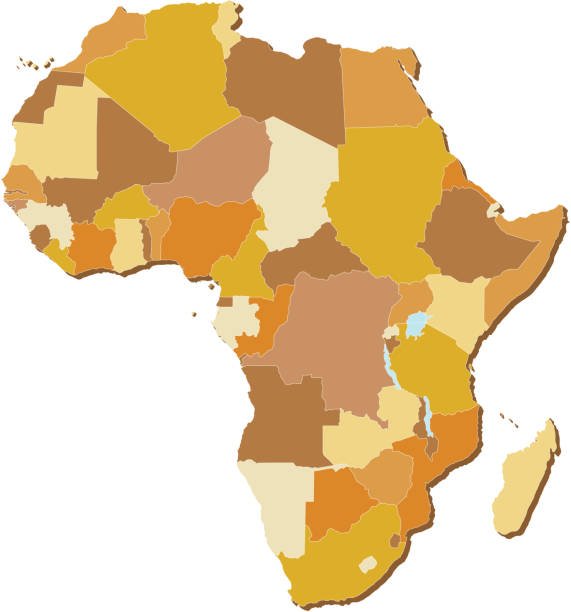
Identifying a specific country in Africa animals found in African grasslands inhabit involves looking at the vast savannas of the eastern and southern regions of the continent. These open landscapes provide the necessary space and resources for some of the most iconic wildlife species on the planet to thrive. Understanding the distribution of these animals helps conservationists and travelers appreciate the delicate balance of the savanna ecosystem.
The transition from thick forests to open plains has created a unique evolutionary theater where predator and prey engage in a daily struggle for survival. Exploring the diversity of life in these regions reveals the complex social structures and migratory patterns that define the African wilderness.
These are the remarkable Animals Found In African Grasslands
The grasslands of Africa, characterized by scattered trees and vast stretches of grass, are home to a staggering variety of megafauna and specialized smaller creatures. This environment is highly seasonal, forcing many species to adapt through migration or specialized feeding habits to survive periods of drought and abundance. In almost every African country which animals found in African grasslands reside, these creatures form the backbone of the local ecology and tourism economy. The following list provides a detailed look at the most significant animals that occupy these legendary plains across the continent.
1. The African Elephant
The African elephant is the largest land mammal on earth and a keystone species in the grasslands, often acting as an ecosystem engineer. By knocking over trees and digging for water in dry riverbeds, they create habitats and resources that many other grassland species depend on for survival. These highly intelligent social animals live in matriarchal herds, where the oldest female leads the group to known food and water sources based on decades of memory. In countries like Botswana and Zimbabwe, the elephant population is a significant focus of conservation efforts due to the impact of poaching and habitat loss. Their presence in the savanna ensures the maintenance of open spaces, as their feeding habits prevent the grassland from turning into dense woodland. Watching a herd move silently across the plains at sunset is one of the most profound experiences for anyone exploring the African wilderness.
2. The African Lion
The lion is the undisputed apex predator of the savanna and the only cat species that lives in large, permanent social groups known as prides. These prides, usually consisting of related females and a few dominant males, work together to hunt large herbivores like buffalo and zebra. Female lions are the primary hunters, utilizing the tall grass of the savanna to stalk and ambush their prey with incredible precision and power. The roar of a lion can be heard from up to eight kilometers away, serving as a territorial warning to rival prides and solitary nomadic males. In Tanzania, the Serengeti National Park provides a perfect backdrop for observing these majestic cats in their natural habitat as they follow the seasonal movements of the Great Migration. They are a primary symbol of the African wild, representing strength and the raw beauty of the natural world.
3. The Cheetah
The cheetah is the fastest land animal in the world, capable of reaching speeds of up to 110 kilometers per hour in short bursts to catch its prey. Unlike other big cats, the cheetah is a daylight hunter, relying on its exceptional eyesight and speed rather than the cover of darkness. Their slender bodies, long legs, and semi-retractable claws are all specialized adaptations for high-speed chases across the flat, open terrain of the grasslands. Namibia is home to one of the largest populations of cheetahs, where they often come into contact with farmland but are increasingly protected through community-based conservation initiatives. Because they lack the brute strength of lions or hyenas, cheetahs must eat quickly before larger scavengers arrive to steal their kill. Their distinctive "tear marks" running from their eyes to their mouth help reflect the glare of the midday sun while they hunt.
4. The Plains Zebra
The plains zebra is one of the most common and visually striking animals in the African grasslands, known for its unique black and white striped pattern. These stripes are thought to serve several purposes, including confusing predators during a chase and providing a form of temperature regulation in the intense heat. Zebras are highly social and often form massive herds, sometimes mingling with wildebeest and gazelles to provide more eyes and ears to detect approaching predators. They are bulk grazers, meaning they eat the taller, tougher grasses that other herbivores avoid, which helps clear the way for more selective feeders. Each zebra has a unique stripe pattern, much like a human fingerprint, allowing individuals and foals to recognize one another within the herd. Their constant movement across the savanna is a critical component of the natural cycle of grazing and fertilization of the land.
5. The Blue Wildebeest
The blue wildebeest is famous for participating in the Great Migration, one of the most spectacular wildlife events on the planet involving over a million animals. Every year, these antelopes move in a massive circular route between the Serengeti in Tanzania and the Masai Mara in Kenya in search of fresh green grass. This journey is fraught with danger, as they must cross crocodile-infested rivers and navigate plains filled with lions and hyenas. Wildebeest are remarkably resilient, with calves often able to stand and run within minutes of being born to keep up with the moving herd. They are often called the clowns of the savanna due to their erratic movements and distinct grunting sounds that fill the air during the mating season. Their migratory behavior is essential for the health of the grasslands, as their grazing and trampling promote new plant growth and soil aeration.
6. The Masai Giraffe
The Masai giraffe is the tallest land animal, using its long neck to reach the nutrient-rich leaves of acacia trees that other herbivores cannot access. Their specialized tongues, which are dark purple and can be nearly half a meter long, are tough enough to navigate the sharp thorns of the acacia without injury. Giraffes spend most of their day eating, and their unique walking gait, moving both legs on one side of the body at the same time, is surprisingly efficient for covering large distances. In the grasslands of Kenya and Tanzania, they are a common sight, often seen standing motionless as they look out over the horizon for potential threats. Because of their height, they serve as an early warning system for other animals, as they can spot predators from a great distance. Despite their gentle appearance, a giraffe's kick is powerful enough to kill a lion, providing them with a formidable defense against predators.
7. The Spotted Hyena
The spotted hyena is one of the most misunderstood but successful predators in the African grasslands, possessing the strongest jaws relative to its size in the animal kingdom. They are highly intelligent and social animals that live in female-dominated clans, where a complex hierarchy governs access to food and mating rights. While often labeled as scavengers, hyenas are actually highly skilled hunters that kill up to 95 percent of the food they consume. Their famous "laugh" is actually a vocalization used to communicate frustration, excitement, or status within the clan during a hunt or at a kill. Hyenas play a vital role in the ecosystem by cleaning up carcasses and consuming bones, which helps recycle calcium back into the environment. In a country in Africa animals found in African grasslands often live in close proximity to hyenas, as these predators are found across almost all savanna habitats south of the Sahara.
8. The African Buffalo
The African buffalo, also known as the Cape buffalo, is considered one of the most dangerous animals on the continent, particularly when wounded or solitary. They are massive herbivores that live in large herds, sometimes numbering in the thousands, which provides them with protection against lions and other predators. Buffalo have a very strong collective memory and are known to defend members of their herd, even going so far as to attack lions that have captured a calf. Their thick, fused horns, known as a boss, provide a heavy shield for their head and are used for defense and establishing dominance within the herd. They require a reliable source of water and are usually found within a few kilometers of a river or waterhole, making them a common sight in the wetter grasslands of Southern Africa. Despite their bovine appearance, they are wild and unpredictable, earning them a spot in the famous Big Five group of animals.
9. The White Rhinoceros
The white rhinoceros is the second largest land mammal and a dedicated grazer, possessing a wide, square lip perfectly adapted for cropping grass close to the ground. Unlike the smaller and more aggressive black rhino, white rhinos are generally more social and can sometimes be seen in small groups called crashes. They have been the subject of intensive conservation efforts, particularly in South Africa, which holds the majority of the world's remaining population. Their skin is incredibly thick, acting as armor against the thorns of the bush, but it is also sensitive to sun and insects, which is why they frequently wallow in mud. The primary threat to their survival is illegal poaching for their horns, which are made of keratin, the same material as human fingernails. Conservationists in many regions have resorted to extreme measures, including 24-hour armed guards, to protect these prehistoric-looking giants from extinction.
10. The Leopard
The leopard is the most elusive and adaptable of the big cats, capable of thriving in a variety of environments from dense forests to open grasslands. In the savanna, they are known for their incredible strength, often dragging heavy kills high into trees to protect them from lions and hyenas. Leopards are solitary and territorial, using their beautiful rosette-patterned fur as camouflage while they stalk their prey with silent grace. They are primarily nocturnal, though they are often seen resting in the branches of a large sausage tree or acacia during the heat of the day. Because they are so secretive, spotting a leopard is a highlight for any wildlife enthusiast, as they often remain hidden in the thickets or rocky outcrops of the grassland. Their diet is incredibly varied, ranging from small rodents and birds to large antelopes like impala and kudu.
11. The African Wild Dog
The African wild dog, also known as the painted dog due to its unique irregular coat patterns, is one of the world's most endangered mammals. They are highly social and live in tightly knit packs that exhibit some of the most coordinated hunting behaviors in the animal kingdom. Unlike lions that rely on ambush, wild dogs are endurance hunters, chasing their prey over long distances until the target becomes exhausted. They have an incredibly high hunting success rate, often reaching over 80 percent, which is much higher than that of lions or leopards. Packs are led by a dominant alpha pair, and the entire group participates in caring for the pups and sick or injured members of the pack. Botswana and the Kruger National Park in South Africa are some of the best places to see these fascinating and rare predators in the wild. Their large, rounded ears help them communicate and dissipate heat while they are on the move across the hot plains.
12. The Meerkat
The meerkat is a small, highly social member of the mongoose family that lives in the arid grasslands and deserts of Southern Africa. They live in large family groups called mobs or gangs, which are known for their cooperative behavior, including taking turns as sentries to watch for predators while others forage for food. A sentry will stand on its hind legs on a high point, scanning the sky for eagles and the ground for snakes, letting out a specific alarm call if danger is spotted. Meerkats are primarily insectivores, but they will also eat small reptiles, birds, and tubers found in the dry soil. Their dark patches around their eyes act like sunglasses, reducing glare from the sun so they can better spot aerial threats. They live in complex underground burrow systems that provide protection from predators and the extreme temperatures of the day and night.
13. The Common Warthog
The warthog is a resilient and well-adapted member of the pig family found throughout the African grasslands, recognizable by its facial warts and large tusks. These facial warts are actually thickened skin that provides protection for the males during fights for dominance. Warthogs are unusual among pigs in that they have adapted to graze on grass, often kneeling on their front wrists to reach the shortest, most nutritious growth. When threatened, they are surprisingly fast and will run with their tails held upright like an antenna, which helps the young follow the mother through tall grass. They typically live in abandoned aardvark burrows, entering them backward so they can use their sharp tusks to defend the entrance against predators. Their presence is a common sight near waterholes, where they often wallow in the mud to keep cool and protect their skin from parasites.
14. The Common Ostrich
The common ostrich is the world's largest bird, and although it cannot fly, it is a formidable inhabitant of the open grasslands. They have powerful legs that allow them to run at speeds of up to 70 kilometers per hour, making them faster than many of the predators that attempt to hunt them. An ostrich's kick is powerful enough to kill a human or even a lion, and they possess long, sharp claws on their two-toed feet. They have the largest eyes of any land vertebrate, which helps them spot predators across the flat plains of the savanna from a great distance. Male ostriches are known for their striking black and white feathers and their elaborate dancing displays used to attract females during the breeding season. Their eggs are the largest of any living bird, and the communal nesting system ensures that the strongest and most experienced adults protect the offspring of the group.
15. The Secretary Bird
The secretary bird is a unique bird of prey that spends most of its time on the ground, walking across the grasslands in search of food. They are easily recognized by their long, eagle-like body and stilt-like legs, as well as the crest of feathers on their head that resembles the quills used by 19th-century clerks. These birds are famous for their ability to hunt snakes, which they kill by delivering powerful and rapid kicks to the reptile's head. They also eat large insects, small mammals, and lizards, covering up to 30 kilometers a day in their search for prey. Secretary birds build large, flat nests on the tops of acacia trees, where they have a clear view of the surrounding savanna. Despite their terrestrial lifestyle, they are strong flyers and will take to the air to reach their nests or move between different hunting grounds. They are a protected species and are often seen as a symbol of grace and utility in the African wilderness.
16. The Impala
The impala is one of the most graceful and common antelopes in the African savanna, known for its incredible jumping ability and its sleek, reddish-brown coat. When threatened, an impala can leap up to three meters high and ten meters long, a tactic used to confuse and escape predators like leopards and wild dogs. They are mixed feeders, meaning they both graze on grass and browse on leaves and shrubs, which allows them to survive in a wide range of grassland habitats. Male impalas have long, lyre-shaped horns that they use in elaborate displays and fights to win control over a harem of females. They have a distinct "M" shaped marking on their rear, which is often jokingly referred to as the McDonald's sign of the savanna because they are a primary food source for almost all large predators. During the lambing season, almost all females in a herd give birth within a few weeks of each other, an evolutionary strategy designed to overwhelm predators with a sudden abundance of prey.
17. The Hippopotamus
The hippopotamus is a massive, semi-aquatic mammal that spends its days submerged in rivers and lakes to stay cool and protect its skin from the sun. At night, they emerge from the water to graze on the surrounding grasslands, sometimes traveling several kilometers to find the best foraging spots. Despite their bulky appearance and short legs, hippos are surprisingly fast on land and are considered one of the most aggressive animals in Africa. They have large, sharp canine teeth that are used for defense and fighting for territory rather than for eating. Their social life in the water is chaotic and loud, with constant grunting and splashing as they jostle for position in the river. Hippos are essential for the health of African waterways, as their movement and waste provide nutrients for fish and other aquatic life. In any African country which animals found in African grasslands live near permanent water, the hippo is a dominant and dangerous presence.
18. The Common Eland
The common eland is the largest species of antelope in the world, with adult males reaching weights of up to 900 kilograms. Despite their massive size, eland are remarkably agile and are capable of jumping over a two-meter high fence from a standing start. They have a docile nature compared to buffalo and are often seen in large herds that move slowly across the plains. Both males and females have tightly spiraled horns, and the males develop a distinctive dewlap of skin on their necks as they age. Eland are highly nomadic, moving vast distances in search of high-quality browse and grass, particularly in the drier regions of Southern Africa. They are also known for the clicking sound their hooves make as they walk, which is thought to be a way for individuals to communicate their size and status to others in the herd. Their meat and milk are highly valued, and they have been successfully domesticated in some parts of Africa.
19. The Honey Badger
The honey badger is widely regarded as the most fearless animal in the world, known for its ability to take on much larger predators like lions and hyenas. They have incredibly thick and tough skin that is almost impervious to bee stings, porcupine quills, and even some snake bites. This skin is also very loose, allowing the badger to turn around inside its own skin to bite an attacker that has grabbed it from behind. While they are named for their fondness for honey and bee larvae, they are actually opportunistic carnivores that will eat anything from scorpions to venomous snakes. They have a specialized relationship with a bird called the honeyguide, which leads the badger to a beehive so it can break it open, leaving the scraps for the bird. Their sharp claws and powerful legs make them excellent diggers, and they are capable of surviving in some of the most inhospitable environments on the continent. Their tenacity and strength have made them a legendary figure in African countries that animals found in African grasslands inhabit.
20. The Termite
While small in size, termites are perhaps the most important animal in the African grasslands due to their role as decomposers and architects of the landscape. They build massive, towering mounds that can reach several meters in height, providing a home for millions of individuals and a sophisticated ventilation system for the colony. These mounds also serve as high points for other animals, such as cheetahs and topis, to use as lookouts for predators. Termites break down dead plant matter, recycling nutrients back into the soil and making the land more fertile for new growth. This process is essential for the survival of the grasses that feed the millions of herbivores on the savanna. Without the tireless work of termites, the grassland ecosystem would quickly become clogged with dead vegetation and lose its productivity. They are a primary food source for many specialized animals, including the aardvark and the aardwolf, making them a cornerstone of the savanna food web.
Reasons Why These Countries Preserve Animals Found In African Grasslands in Africa
1. Economic Power of Wildlife Tourism: The primary reason many nations invest in the protection of these species is the massive economic benefit derived from international tourism. In many countries in Africa that animals found in African grasslands inhabit, safari tourism is a leading contributor to the national GDP and a major source of foreign exchange. This revenue supports the maintenance of national parks and provides thousands of jobs for local people as guides, rangers, and lodge staff. Without the presence of these animals, many regions would lose their primary economic engine, leading to increased poverty and environmental degradation. Wildlife conservation is therefore not just an environmental issue but a vital economic strategy for the future of the continent.
2. Ecological Stability and Biodiversity: Each animal in the grassland ecosystem plays a specific role that maintains the health and balance of the environment. Predators like lions and cheetahs prevent herbivore populations from overgrazing the land, while herbivores like elephants and zebras promote plant diversity through their feeding habits. This interconnectedness ensures that the grasslands remain productive and resilient against environmental changes like drought. By preserving these animals, countries are protecting the natural services that sustain human life, such as clean water and fertile soil. The loss of a single major species can have a cascading effect that weakens the entire ecological structure of the region.
3. Cultural Identity and National Heritage: Many African societies have deep-seated cultural and spiritual connections to the animals of the grasslands, which are featured in folklore, proverbs, and traditional art. The lion, elephant, and eagle are often used as national symbols and appear on currency and official seals across the continent. Protecting these animals is seen as a way of honoring the history and identity of the people who have coexisted with them for millennia. This sense of pride and heritage is a powerful motivator for community-led conservation efforts and education programs. Preserving wildlife is essentially preserving a piece of the human story that began on these very plains.
4. Scientific Research and Education: The African grasslands are a living laboratory that provides invaluable insights into evolution, animal behavior, and the impacts of climate change. Researchers from around the world come to countries like Kenya and South Africa to study the complex interactions within the savanna. This scientific work leads to a better understanding of how to manage natural resources and protect endangered species globally. Education programs centered on wildlife help the next generation of Africans appreciate their natural wealth and develop the skills needed to manage it sustainably. The knowledge gained from studying these animals has broad applications in fields as diverse as medicine, engineering, and environmental management.
5. Climate Change Mitigation: Healthy grasslands play a significant role in carbon sequestration, helping to mitigate the effects of global warming. The grazing and trampling of large herbivores promote the growth of deep-rooted grasses that store carbon in the soil. Furthermore, many of the trees in the savanna that are protected as part of wildlife habitats also act as carbon sinks. By maintaining large, undisturbed tracts of grassland for animals, countries are contributing to the global effort to stabilize the climate. This environmental service is increasingly being recognized through international carbon credit programs that provide financial rewards for conservation.
6. Protection of Vital Water Sources: Many of the major national parks and wildlife reserves in the grasslands are located around critical river basins and watersheds. By protecting these areas for animals, countries are also ensuring the long-term security of their water supplies for human consumption and agriculture. Forests and grasslands act as natural filters and sponges, regulating the flow of water and preventing soil erosion into rivers. This link between wildlife conservation and water security is a primary reason why governments prioritize the protection of these landscapes. Without the healthy ecosystems maintained by animals, many regions would face increased risks of flooding and water scarcity.
Conclusion
The vast diversity of life within the African savanna proves why every African countries that animals found in African grasslands inhabit is so critical to global biodiversity. From the massive elephant to the tiny but essential termite, each species contributes to the resilience and productivity of these legendary landscapes. Protecting these animals is not only a moral imperative but an economic and ecological necessity that ensures the continued health of our planet. As the continent continues to develop, the challenge of balancing human needs with wildlife conservation will require innovative and community-focused solutions. Ultimately, the survival of these animals is a testament to the enduring beauty and power of the natural world. The grasslands of Africa remain a symbol of our shared biological heritage and a call to protect the wild places that remain.
Enjoyed this read?
Share it with your friends and colleagues.