Animals Found In The African Savanna

BSC Insights Admin
October 01, 2026
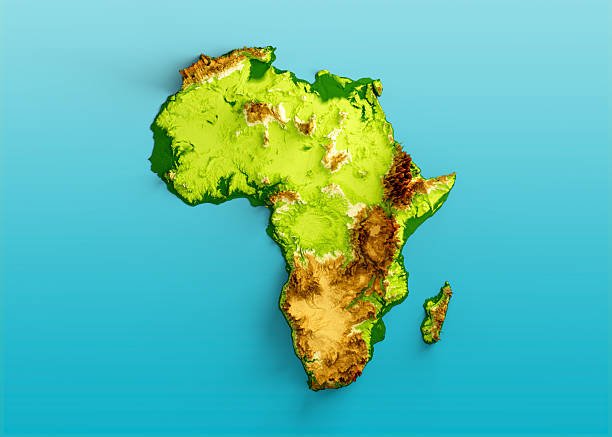
Exploring the various animals found in the African savanna reveals a complex world of survival, migration, and unique biological adaptations. This vast biome, characterized by its rolling grasslands and scattered trees, supports the highest concentration of large mammals on the planet. From the legendary predators that roam the plains to the massive herbivores that shape the landscape, these creatures have evolved to thrive in a climate defined by distinct wet and dry seasons.
The ecological diversity of the savanna is maintained through a delicate balance of predation and grazing that involves thousands of species. To understand the significance of these animals, we must look at how each contributes to the health of the African grasslands and the specific countries where they are most prominently found.
These are the Animals Found In the African Savanna
The animals found in the African savanna are a mix of world-famous giants and fascinating smaller creatures that together create one of the most productive ecosystems on earth. African countries that animals found in the African savanna inhabit range from the northern reaches of the Sahel to the southern tips of the Kalahari, though the most famous populations are concentrated in East and Southern Africa. Below, we examine twenty distinct species that define this iconic landscape, highlighting their behaviors, roles in the environment, and the best places to see them in their natural state.
1. African Savanna Elephant
The African savanna elephant is the largest land mammal on earth and is an essential keystone species for the health of the grasslands. These giants can weigh up to six tons and consume hundreds of pounds of vegetation every single day, which helps to clear thick brush and allow grasses to grow for other herbivores. They are highly intelligent animals with complex social structures led by a matriarch, and they are known for their remarkable memory and deep emotional bonds within their family units. An African country which animals found in the African savanna flourish is Botswana, which is home to the world's largest population of these magnificent pachyderms, particularly in the Chobe National Park. Their presence is also vital for creating water holes and dispersing seeds through their dung, making them true architects of the savanna environment.
2. African Lion
Often regarded as the apex predator of the plains, the African lion is the only social cat species that lives and hunts in organized groups known as prides. A pride typically consists of related females, their cubs, and a small number of dominant males who defend the territory against intruders. Lions play a crucial role in regulating the populations of large herbivores like wildebeests and zebras, which prevents overgrazing and maintains the balance of the ecosystem. Most of their hunting occurs at night or during the cooler hours of dawn and dusk, using teamwork to take down prey that is often much larger than themselves. Visitors often look for them in the Serengeti of Tanzania or the Kruger National Park in South Africa, where they can be seen resting in the shade during the heat of the day. Their thunderous roar is a defining sound of the savanna night, signaling their dominance over the territory.
3. African Leopard
The leopard is the most elusive of the big cats, known for its incredible strength and solitary nature in the dense thickets and riverine forests of the savanna. These cats are master climbers and often haul their heavy kills high into the branches of acacia trees to protect them from scavengers like hyenas and lions. Their coats are covered in beautiful rosettes that provide excellent camouflage among the dappled shadows of the trees and tall grasses. Leopards are highly adaptable and can survive in a wide range of environments, from mountain ranges to the outskirts of urban areas, provided there is enough cover and prey. They are primarily nocturnal hunters, preying on everything from small rodents to large antelopes like impalas. Because of their secretive behavior, seeing a leopard in the wild is often considered a highlight of any safari experience in Southern or East Africa.
4. Cheetah
The cheetah is a specialized predator designed for extreme speed, capable of reaching up to 110 kilometers per hour in just a few seconds. Its slender body, long legs, and flexible spine allow it to make massive strides while its non-retractable claws provide the necessary traction for sharp turns during a chase. Unlike other big cats, cheetahs are diurnal, meaning they hunt during the day to avoid direct competition with larger nocturnal predators like lions. They rely on their exceptional eyesight to spot prey from a distance before embarking on a high-speed sprint across the open plains. Cheetahs are most commonly found in the open savannas of Namibia and Kenya, where the flat terrain provides the perfect runway for their hunting style. Despite their physical prowess, they are quite vulnerable and often lose their kills to more aggressive scavengers.
5. Spotted Hyena
The spotted hyena is one of the most successful and intelligent carnivores in the savanna, often living in large, matriarchal clans led by a dominant female. While they have a reputation as scavengers, hyenas are actually highly proficient hunters that kill up to 95 percent of the food they consume. They have incredibly powerful jaws and specialized teeth that allow them to crush and digest bone, ensuring that almost no part of a carcass goes to waste. Hyenas are known for their distinct vocalizations, including the famous laugh, which is used to communicate status and excitement during a hunt or at a kill. They are found across almost all African countries that animals found in the African savanna call home, demonstrating remarkable adaptability to different climates. Their presence is essential for cleaning up the environment and preventing the spread of disease through the consumption of carcasses.
6. African Buffalo
The African buffalo is a massive herbivore known for its unpredictable temperament and is often cited as one of the most dangerous animals for humans to encounter on foot. They are distinguished by their fused horns, which form a thick bone shield called a boss across their forehead. Buffaloes are highly social and live in large herds that can number in the thousands, providing them with safety against predators through sheer numbers and collective defense. They are water-dependent animals and are usually found within a few kilometers of a reliable water source, such as a river or a permanent water hole. In countries like Zimbabwe and South Africa, they are a common sight in the riverine areas of major national parks. Their grazing habits help to maintain the height of the grass, which is beneficial for other herbivores that prefer shorter vegetation.
7. Black and White Rhinoceros
The savanna is home to two species of rhinos, the white rhino and the black rhino, both of which are currently facing significant threats from illegal poaching. White rhinos are larger and have a square lip designed for grazing on grass, while the smaller black rhino has a pointed, prehensile lip used for browsing on leaves and twigs. These prehistoric-looking mammals are known for their thick skin and impressive horns made of keratin, the same material as human hair and fingernails. South Africa is the primary country in Africa animals found in the African savanna such as the rhino are most concentrated, hosting the majority of the global population. Rhinos have poor eyesight but an acute sense of hearing and smell, which they use to navigate their environment and detect potential threats. Conservation efforts are intense across the continent to ensure these magnificent creatures do not go extinct in our lifetime.
8. Giraffe
The giraffe is the tallest land animal, with its long neck and legs allowing it to reach foliage that is inaccessible to any other herbivore. There are several species of giraffes found across the savanna, including the Masai giraffe and the reticulated giraffe, each with a unique coat pattern. Their long, dark tongues are tough enough to wrap around the thorny branches of acacia trees without sustaining injury. Giraffes are social animals that live in loose groups, and they spend the majority of their day feeding to sustain their massive bodies. They have a unique way of walking, moving both legs on one side of the body at the same time, and they can run surprisingly fast when threatened. They are a common sight in the open woodlands of Kenya and Tanzania, standing as silent sentinels of the African plains.
9. Plains Zebra
The plains zebra is easily recognized by its bold black and white stripes, which are as unique to each individual as a human fingerprint. These stripes are thought to serve several purposes, including confusing predators like lions when the zebra moves in a herd and providing a natural cooling mechanism against the hot sun. Zebras are highly social and live in family groups called harems, consisting of one stallion and several mares with their offspring. They are often the first animals to arrive at fresh grazing lands during migrations, using their strong teeth to clip the tall, tough grass. This prepares the pasture for more selective grazers like wildebeests and gazelles that prefer the tender green shoots. They are widely distributed across Southern and East Africa, often seen in massive numbers during the seasonal movements across the Serengeti.
10. Blue Wildebeest
The blue wildebeest is the central figure in the Great Migration, an annual event where over 1.5 million of these animals travel across the savanna in search of green pastures. This massive journey is one of the most spectacular wildlife events on earth, involving perilous river crossings and constant pressure from waiting predators. Wildebeests have a somewhat comical appearance with a large head, shaggy mane, and thin legs, but they are incredibly resilient and capable of traveling hundreds of miles. They are highly gregarious and rely on the safety of the herd to minimize the risk of being caught by lions or crocodiles. Their calving season is synchronized, with thousands of calves born within a few weeks to overwhelm predators with sheer numbers. This species is essential for the savanna as their movement and grazing dictate the life cycles of many other plants and animals.
11. African Wild Dog
The African wild dog, also known as the painted wolf, is one of the most efficient hunters in the world, with a success rate of over 80 percent in its hunts. These animals are highly social and live in packs that are led by a monogamous alpha pair, with all members participating in the care of pups. They are distinguished by their large, rounded ears and their unique, multicolored coats that look as if they have been splattered with paint. Wild dogs are vocal animals and use a series of chirps and barks to coordinate their movements during high-speed chases across the plains. Despite their hunting prowess, they are among the most endangered carnivores in Africa due to habitat loss and disease. Conservation programs in Botswana and Zimbabwe are working hard to protect the large territories these dogs require to survive and reproduce.
12. Common Warthog
The common warthog is a resilient and adaptable member of the pig family that is frequently seen trotting across the savanna with its tail held straight up like an antenna. They are known for the large tusks that protrude from their mouths and the wart-like bumps on their faces, which provide protection during fights with other males. Warthogs are primarily grazers but will also use their snouts to dig for roots and bulbs, especially during the dry season when grass is scarce. They often take over abandoned burrows made by aardvarks or porcupines to sleep in and escape the midday heat or predators. When entering a burrow, they usually back in tail-first so they can use their tusks to defend the entrance. They are found in almost every African country which animals found in the African savanna inhabit, from the semi-arid bush to the open grasslands.
13. Hippopotamus
The hippopotamus is a massive, semi-aquatic mammal that spends its days submerged in the rivers and lakes of the savanna to keep its sensitive skin cool. Although they appear docile while floating in the water, they are actually very territorial and are responsible for more human fatalities in Africa than almost any other large animal. At night, they emerge from the water to graze on the short grass near the river banks, often consuming up to 40 kilograms of vegetation in a single night. Their ears, eyes, and nostrils are located on the top of their heads, allowing them to remain almost completely underwater while staying aware of their surroundings. Hippos play a vital role in the aquatic ecosystem by transferring nutrients from the land into the water through their waste. They are commonly found in the major river systems of the Zambezi and the Nile, as well as the Okavango Delta.
14. Nile Crocodile
The Nile crocodile is the ultimate ambush predator of the savanna's waterways, lying perfectly still beneath the surface as it waits for prey to come for a drink. These ancient reptiles can reach lengths of over five meters and have a bite force that is among the strongest in the animal kingdom. They are particularly active during the Great Migration, where they congregate in large numbers at river crossing points to hunt wildebeests and zebras. Despite their fearsome reputation, female crocodiles are very attentive mothers, guarding their nests and carrying their hatchlings to the water in their mouths. They are ectothermic, meaning they rely on the sun to regulate their body temperature, often seen basking on sandbanks during the heat of the day. Crocodiles are found in almost all countries in Africa that animals found in the African savanna are located, provided there is a permanent water source.
15. Common Ostrich
The common ostrich is the world's largest bird and is a familiar sight across the arid and semi-arid plains of the African savanna. While they are flightless, they are incredibly fast runners, capable of reaching speeds of 70 kilometers per hour to outrun potential predators. They have the largest eyes of any land vertebrate, which gives them exceptional vision to spot movement on the distant horizon. Ostriches are often seen in small groups and have a unique breeding system where several females lay their eggs in a single communal nest. The male and the dominant female take turns incubating the eggs, which are the largest of any living bird species. Their powerful legs are not just for running but can also deliver a lethal kick if they are cornered. They are well-adapted to the harsh conditions of the savanna and can survive for long periods without direct access to water.
16. White-backed Vulture
The white-backed vulture is one of the most important scavengers in the savanna, acting as the primary cleanup crew for the remains of predator kills. These birds have incredible eyesight and can spot a carcass from several miles away while soaring high on thermal air currents. When a vulture finds a kill, its descent often signals to other scavengers and predators that food is available, leading to a frenzy of activity on the ground. Vultures are specially adapted to eat carrion, with bald heads that stay clean while feeding inside a carcass and highly acidic stomachs that kill dangerous bacteria. Unfortunately, vulture populations are declining rapidly across Africa due to poisoning and habitat loss, which could lead to an increase in disease outbreaks. Protecting these birds is a priority for countries in Africa that animals found in the African savanna depend on for ecological health.
17. Dung Beetle
Though small in size, the dung beetle is one of the most hardworking and ecologically significant animals found in the African savanna. These insects are famous for their behavior of rolling balls of animal waste, which they bury to use as food or a place to lay their eggs. This process is vital for the savanna because it recycles nutrients back into the soil and helps to reduce the population of flies and other parasites. Dung beetles are remarkably strong and can roll balls that are many times their own body weight, often using the light from the Milky Way to navigate in a straight line at night. There are thousands of species of dung beetles on the continent, each specializing in different types of dung or environmental conditions. Their tireless work ensures that the grasslands remain fertile and healthy for the larger animals that graze upon them.
18. Secretary Bird
The secretary bird is a unique bird of prey that looks like a cross between an eagle and a crane, with long legs and a crest of black feathers on its head. Unlike most raptors that hunt from the air, the secretary bird hunts on the ground, walking long distances across the savanna to find its prey. They are famous for their ability to kill venomous snakes by stomping on them with incredible force and precision. Their diet is varied and includes insects, lizards, and small mammals, which they flush out of the grass as they walk. They are often seen in pairs and build large nests in the tops of flat-topped acacia trees. The secretary bird is an iconic symbol of the savanna and is even featured on the national emblems of several African nations. Seeing them striding purposefully through the grass is a common sight in the open plains of East Africa.
19. Caracal
The caracal is a medium-sized wild cat distinguished by its long, tufted black ears and its remarkable ability to leap into the air to catch birds in flight. They are incredibly agile and powerful for their size, capable of taking down prey that is significantly larger than themselves. Caracals are mostly solitary and nocturnal, making them difficult to spot during a standard daytime safari. They are found in the drier savannas and scrublands of Southern and East Africa, where they use their sandy-colored coats to blend into the arid environment. Their diet includes birds, rodents, and small antelopes, and they are known to be very efficient hunters that rarely miss their mark. Although they are not as famous as the big cats, they are a vital part of the predatory guild of the African savanna. Their presence helps to control the populations of smaller mammals and birds across their range.
20. Honey Badger
The honey badger has a well-earned reputation as one of the most fearless and toughest animals on the planet, despite its relatively small size. They have thick, loose skin that is nearly impossible for predators to bite through, and they are famously resistant to the venom of many deadly snakes. Honey badgers are omnivorous and will eat anything from honey and bee larvae to small crocodiles and venomous cobras. They are incredibly strong and use their long claws to dig for food or to break into the hives of wild bees. They are found in a variety of habitats across the savanna and are known to stand their ground even against much larger predators like lions or leopards. Their tenacious nature and diverse diet make them one of the most interesting creatures to observe in the wild. They are a testament to the ruggedness required to survive in the competitive environment of the African plains.
Reasons Why These Countries Host Animals Found In the African Savanna in Africa
The survival and abundance of these species are the result of several environmental and political factors that have allowed the savanna to remain a sanctuary for wildlife. These reasons explain why certain nations have become the premier locations for observing the diverse animals found in the African savanna in their natural state.
1. Existence of Massive Protected Areas: Many nations have dedicated significant portions of their territory to national parks and reserves, providing a safe haven for wildlife away from human encroachment. For example, Tanzania has protected over 30 percent of its land, ensuring that ecosystems like the Serengeti remain intact for the millions of animals that live there. These protected zones are essential for maintaining the large territories required by predators like lions and wide-ranging herbivores like elephants. Without these legal and physical protections, the animals found in the African savanna would have very little space to survive in the modern world. These parks also serve as vital research centers for scientists studying global biodiversity.
2. Presence of Ancient Migration Corridors: The savanna is home to some of the last great animal migrations on earth, which are made possible by the interconnectedness of different ecosystems. African countries that animals found in the African savanna inhabit often share borders that allow for the free movement of herds across international lines. This connectivity is crucial during the dry season when animals must travel long distances to find water and fresh grazing. Efforts to protect these corridors from being blocked by fences or roads are ongoing across Southern and East Africa. These migrations are the lifeblood of the savanna, ensuring that nutrients and genetic diversity are spread across the landscape. They represent one of the most ancient rhythms of life on the continent.
3. Commitment to Community-Based Conservation: In many regions, local communities are directly involved in the protection of wildlife, seeing the animals as a valuable resource for tourism and development. This approach helps to reduce human-wildlife conflict by ensuring that the people living alongside these animals benefit from their presence. When local communities have a stake in the health of the savanna, they are more likely to prevent poaching and habitat destruction. Programs in Namibia and Kenya have successfully turned former hunters into wildlife guardians, creating a sustainable model for the future. This human-centric approach is often the most effective way to ensure the long-term survival of endangered species. It bridges the gap between traditional lifestyles and modern conservation goals.
4. Management of Critical Water Sources
The savanna is a seasonal environment where water is the most precious resource, and the management of rivers and water holes is key to wildlife survival. Countries that have protected their watersheds and managed their river systems effectively are able to support much larger populations of animals during the harsh dry season. The Okavango Delta in Botswana is a prime example of a seasonal wetland that provides a permanent oasis for thousands of species in the middle of a desert. Artificial water holes in parks like Etosha in Namibia also play a vital role in keeping animals within the safety of protected areas. The availability of water dictates where animals will congregate, making these spots the best for wildlife viewing. Ensuring that these water sources remain unpolluted and accessible is a major priority for savanna conservationists.
5. Revenue from Sustainable Wildlife Tourism: The economic value of the animals found in the African savanna provides a powerful incentive for governments to invest in their protection. Tourism is a major source of foreign exchange and employment for many nations, funding the anti-poaching units and park infrastructure needed to manage the land. By creating a high-value, low-impact tourism model, countries can protect their natural heritage while also driving economic growth. This revenue allows for the maintenance of fences, the training of rangers, and the implementation of advanced monitoring technologies like drones and GPS tracking. The world’s interest in seeing the Big Five in the wild ensures that conservation remains a top priority on the national agenda. It is a win-win scenario for both the economy and the environment.
6. Resilient Anti-Poaching and Legal Frameworks: The fight against illegal wildlife trade is a constant battle that requires strong laws and dedicated enforcement teams on the ground. Nations that have implemented strict penalties for poaching and have invested in well-equipped ranger forces have seen a stabilization in their rhino and elephant populations. International cooperation is also essential, as the trade in ivory and rhino horn is a global issue that requires a unified response. Successful anti-poaching efforts often involve a combination of intelligence-led operations and community outreach to stop the problem at its source. The dedication of the men and women on the front lines is what keeps the animals found in the African savanna safe from those who would exploit them for profit. Their bravery is a critical component of the continents conservation success story.
Conclusion
The remarkable variety of animals found in the African savanna represents a global heritage that is both awe-inspiring and ecologically vital. From the massive scale of the elephant to the intricate role of the dung beetle, every creature plays a part in the survival of this dynamic and ever-changing biome. As we have seen, the success of these species is closely tied to the conservation efforts and the strategic management of the African countries that animals found in the African savanna depend on. Protecting these landscapes and the ancient migrations that occur within them is essential for maintaining the biological diversity of our planet. By continuing to support sustainable tourism and community-led conservation, we can ensure that the roar of the lion and the trumpet of the elephant continue to echo across the plains for generations to come. The future of these animals is inextricably linked to our own commitment to preserving the wild heart of Africa.
Enjoyed this read?
Share it with your friends and colleagues.