Animals Found In North Africa

BSC Insights Admin
October 01, 2026
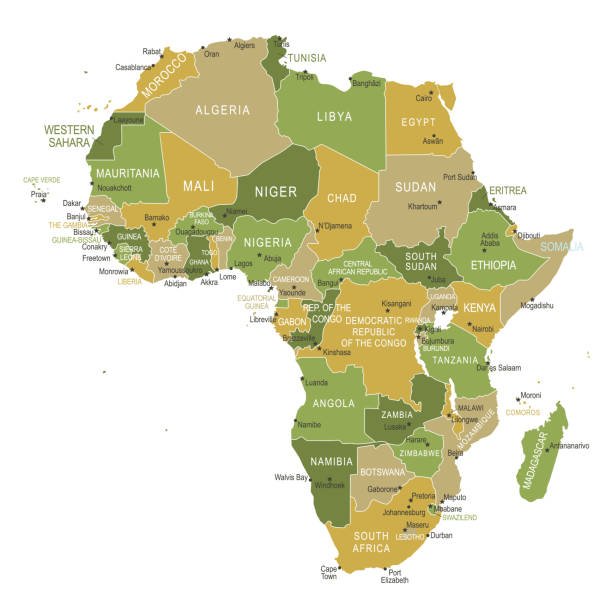
Identifying which country in Africa animals found in North Africa inhabit requires exploring the diverse biomes of the Sahara Desert and the Atlas Mountains. These species have evolved over millennia to survive in extreme temperatures and arid conditions that would be lethal to many other creatures. This article highlights the most iconic wildlife of the region and the habitats they call home across the northern rim of the continent.
The transition from the fertile Mediterranean coast to the desolate heart of the desert creates a unique set of challenges for local fauna. Understanding the biology of these animals helps us appreciate the intricate web of life that exists at the top of the continent and how these species adapt to seasonal shifts.
These are the remarkable animals found in North Africa
The wildlife in the northern part of the continent is distinct from the famous savanna species of the south, featuring animals that are master specialists in survival. Many of these creatures are nocturnal or have developed specialized physiological traits to conserve water and manage heat. In several African countries that animals found in North Africa reside, these species represent a vital part of the local ecosystem and cultural heritage. From the smallest foxes to the largest desert antelopes, the following list details the most significant animals currently or historically found in this vast and rugged region.
1. The Fennec Fox
The fennec fox is perhaps the most recognizable inhabitant of the Saharan regions of North Africa due to its extraordinarily large ears. These ears, which can reach up to 15 centimeters in length, serve a dual purpose of dissipating body heat and allowing the fox to hear prey moving underground. As the smallest canine in the world, the fennec fox typically weighs only about one kilogram, making it an efficient desert dweller. They are primarily nocturnal, spending the hot daylight hours in underground burrows to avoid the scorching sun of countries like Algeria and Egypt. Their thick, cream-colored fur reflects sunlight during the day and provides warmth during the freezing desert nights. This fox is a prime example of an animal that has perfectly synchronized its life cycle with the harsh demands of its environment.
2. The Barbary Macaque
The Barbary macaque is unique as it is the only primate species found north of the Sahara Desert and the only macaque species outside of Asia. These primates primarily inhabit the Atlas Mountains of Morocco and Algeria, where they have adapted to cold, snowy winters in high-altitude cedar forests. Unlike most macaques, they have almost no tail, which is an adaptation to their rugged mountain habitat where a tail might get snagged or become a liability in the cold. They live in complex social groups and are known for their high levels of social interaction, including communal grooming and infant care. Unfortunately, their populations have declined due to habitat loss and illegal trade, making conservation efforts in their native range critical. Visitors to the mountain regions of Morocco often see them, as they have become a symbol of the wild spirit of the Atlas range.
3. The Addax
Commonly known as the white antelope, the addax is a desert specialist that is critically endangered in the wild. This animal is highly adapted to the deep desert and is one of the few large mammals capable of surviving in the middle of the Sahara for long periods. Their most striking feature is their long, spiral horns, which can grow to over a meter in length and are present in both males and females. The addax has broad, flat hooves that prevent it from sinking into the soft desert sands, acting much like snowshoes. Remarkably, these antelopes rarely need to drink standing water, as they obtain nearly all the moisture they need from the sparse vegetation they consume. Their coat changes color with the seasons, turning white in the summer to reflect heat and a darker grayish-brown in the winter to absorb warmth.
4. The Egyptian Cobra
The Egyptian cobra is one of the most venomous snakes on the continent and holds a significant place in the history and mythology of North Africa. Growing up to two meters in length, this cobra is famous for its large hood, which it expands when threatened to appear larger to predators. It is often found in the agricultural regions along the Nile Valley and in semi-arid areas where it hunts for birds, small mammals, and other reptiles. Historically, the Egyptian cobra was the symbol of the Uraeus, the coiled cobra worn by the Pharaohs as a mark of divine authority and protection. Its venom is neurotoxic, attacking the nervous system and potentially causing respiratory failure in its prey. Despite its dangerous reputation, it plays a vital role in controlling rodent populations in the fertile lands of Egypt and neighboring states.
5. The Barbary Lion
The Barbary lion is a historical icon of North Africa, once roaming the vast territories from Morocco to Egypt before being declared extinct in the wild in the early 20th century. These lions were known for being significantly larger than their sub-Saharan relatives and for the thick, dark manes that often extended past their shoulders and onto their bellies. They were the lions of the Roman Colosseum and were deeply respected by the indigenous people of the Maghreb for their strength and size. While they no longer roam the Atlas Mountains, genetic descendants of these lions are still found in captivity, particularly in the royal collection in Morocco. This animal serves as a tragic reminder of the impact of human expansion on the apex predators of the northern continent. Efforts continue to study these captive populations with the hope of one day understanding the full genetic legacy of this magnificent subspecies.
6. The Dromedary Camel
The dromedary, or single-humped camel, is the quintessential animal of the North African landscape and has been domesticated for thousands of years. While true wild dromedaries are likely extinct, the domesticated populations are essential to the life and transport of nomadic tribes across the Sahara. Their hump stores up to 36 kilograms of fat, which the camel can metabolize into water and energy when food is scarce. They have thick, leathery lips that allow them to eat thorny desert plants that other animals cannot touch, and their long eyelashes protect their eyes during sandstorms. The dromedary is often called the ship of the desert because of its incredible ability to carry heavy loads across vast distances without water. Their social and economic importance in an African country which contains vast desert reaches cannot be overstated, as they remain central to traditional Saharan trade.
7. The Sand Cat
The sand cat is the only feline species found primarily in true desert environments, specializing in the sandy dunes of the Sahara and the Arabian Peninsula. These cats are relatively small, with a wide head and low-set ears that help them detect prey in open landscapes. One of their most specialized features is the thick mat of fur on the soles of their paws, which protects them from the blistering heat of the sand and helps them move without leaving deep tracks. Sand cats are highly secretive and nocturnal, spending their days in burrows to avoid the extreme daytime temperatures. They are known for their ability to go without drinking water for long periods, obtaining all necessary hydration from the moisture in their prey, such as gerbils and desert larks. Their pale, sandy fur provides excellent camouflage, making them one of the most difficult animals to spot in the wild.
8. The Golden Jackal
The golden jackal is a highly adaptable scavenger and predator found across the northern rim of Africa, from the Atlantic coast to the Red Sea. They are social animals that usually live in mated pairs or small family groups, known for their haunting howls that can be heard at dusk and dawn. Golden jackals are opportunistic feeders, eating everything from small rodents and birds to fruits and insects, which allows them to thrive in diverse habitats. In ancient Egyptian mythology, the god Anubis was often depicted with the head of a jackal, reflecting the animal's historical presence and its role in the cultural imagination. They are incredibly resilient and have managed to persist in areas where larger predators have been pushed out by human activity. Their golden-colored coat and nimble movements make them a common sight in the semi-arid transition zones of the North.
9. The Scimitar-horned Oryx
The scimitar-horned oryx is a stunning species of antelope that once roamed the entire Sahelian and Saharan transition zone. Named for its majestic, backward-curving horns that resemble a scimitar sword, this oryx is a masterpiece of desert adaptation. Like the addax, it can go for weeks or even months without drinking water, relying instead on succulent plants and moisture-rich tubers. By the late 1990s, the species was declared extinct in the wild due to overhunting and habitat loss, but a massive international effort has seen them reintroduced into protected areas in Tunisia and Morocco. These reintroduction programs are among the most successful conservation stories in the region, bringing a ghostly icon back to its ancestral sands. Watching a herd of these white and reddish-brown antelopes move across the dunes is a powerful sight that signifies the potential for restoration in countries in Africa that animals found in North Africa once populated.
10. The Barbary Sheep
Also known as the aoudad, the Barbary sheep is a rugged bovid that inhabits the rocky mountains and cliffs of North Africa. These sheep are remarkably agile, capable of making massive leaps between steep rock faces to escape predators or reach sparse patches of vegetation. They are characterized by their heavy, backward-curving horns and the long, flowing fringe of hair that hangs from their throat and front legs. Their reddish-brown coat blends perfectly with the sun-baked rocks of the Sahara and the Atlas range, providing them with excellent natural camouflage. Barbary sheep are incredibly hardy and can survive in areas with very little water, often licking dew from stones or eating moisture-rich plants. They are a popular subject for wildlife photography due to their impressive stature and the dramatic landscapes they inhabit.
11. The Dorcas Gazelle
The Dorcas gazelle is one of the most common but beautiful small antelopes found across the northern half of the continent. These gazelles are exceptionally fast and can reach speeds of up to 80 kilometers per hour when threatened by predators like cheetahs or jackals. They have a slender build and elegant lyre-shaped horns, with a coat that is perfectly colored to match the sandy plains. Dorcas gazelles are social animals, often forming small herds that graze on acacia leaves and desert shrubs during the cooler parts of the day. In extremely arid conditions, they can concentrate their urine to conserve water and can withstand very high body temperatures. Their presence is a key indicator of the health of the desert ecosystem, as they are a primary food source for many of the region's carnivores.
12. The Desert Monitor
The desert monitor is the largest lizard species found in North Africa, reaching lengths of up to one and a half meters. These powerful reptiles are active during the day, using their keen sense of smell and powerful limbs to hunt for birds, small mammals, and other reptiles. They are known for their aggressive defensive behavior, often puffing up their bodies and hissing loudly if cornered. Desert monitors are excellent diggers and spend their nights in deep burrows where the temperature remains stable. Unlike many other lizards, they have a powerful tail that can be used as a whip for defense and strong claws for digging into hard-packed desert soil. They are an essential part of the predator-prey dynamic in the arid regions of Morocco, Algeria, and Egypt.
13. The Striped Hyena
The striped hyena is a secretive and nocturnal scavenger that is found in the rocky and mountainous regions of North Africa. Unlike the more famous spotted hyena of sub-Saharan Africa, the striped hyena is smaller, carries a long mane on its neck, and is generally more solitary. They are primarily scavengers, using their incredibly powerful jaws to crack open bones that other predators have left behind. Striped hyenas are known for their shy nature and tend to avoid human contact, making them much harder to study than other large carnivores. They play a vital ecological role as nature's clean-up crew, removing carcasses and preventing the spread of disease in the wild. Despite their fearful reputation in local folklore, they are essential to maintaining the balance of the ecosystems in which they live.
14. The Slender-horned Gazelle
The slender-horned gazelle is a rare and beautiful inhabitant of the sandy desert regions, particularly the great ergs of Algeria and Tunisia. As its name suggests, it has very thin, straight horns and a pale, almost white coat that reflects the intense Saharan sun. These gazelles are highly specialized for life in the dunes, with broadened hooves that help them navigate the shifting sands with ease. They are one of the most endangered gazelle species in the world, with populations fragmented and threatened by illegal hunting. Their large ears help them detect the slightest sounds in the quiet desert and also assist in cooling their bodies. Protecting the remaining habitat of this African country which hosts these gazelles is a high priority for international wildlife organizations.
15. The African Wild Ass
The African wild ass is the ancestor of the common domesticated donkey and is now one of the rarest animals on the planet. Small populations are still found in the rugged volcanic deserts of the Horn of Africa and the southern reaches of Egypt and Sudan. They are characterized by their distinct horizontal stripes on their lower legs, which resemble the patterns found on a zebra. These animals are incredibly tough, capable of drinking salty water and eating coarse, dry vegetation that most other mammals would reject. Because they live in such remote and inhospitable regions, they have historically been difficult to protect from hunting and competition with domestic livestock. They represent a vital link to our own agricultural history and are a testament to the endurance required to survive in the driest parts of the continent.
Reasons Why These Countries Preserve animals found in North Africa in Africa
1. Growth of Ecotourism: Many nations in North Africa have recognized that their unique wildlife is a major draw for international tourists who are tired of standard safari routes. In several African countries that animals found in North Africa inhabit, the presence of the Barbary macaque or the fennec fox has led to the creation of guided nature tours that provide income for local communities. This economic incentive encourages governments and residents to protect natural habitats rather than converting them for agriculture. Tourism revenue is often reinvested into park ranger salaries and wildlife monitoring technology, creating a self-sustaining cycle of conservation.
2. Maintenance of Ecological Balance: Every species, from the smallest beetle to the apex predator, plays a role in keeping the desert and mountain ecosystems functioning. Scavengers like the striped hyena prevent the buildup of animal carcasses, while predators like the desert monitor control the populations of rodents and insects. In an African country which manages large tracts of wilderness, the loss of a single species can cause a ripple effect that damages the entire environment. Protecting these animals ensures that the natural services they provide, such as pollination and pest control, remain intact for the long term.
3. Cultural and Historical Identity: Many of the animals found in North Africa are deeply woven into the fabric of local traditions, religion, and national pride. The Egyptian cobra and the Barbary lion are symbols of power and divinity that have been featured in art and architecture for thousands of years. Preserving these animals is seen as a way of honoring the history and heritage of the people who have shared the land with them. This cultural connection often leads to grassroots support for conservation programs that might otherwise struggle to find funding.
4. Scientific Research and Medical Innovation: The extreme adaptations developed by North African wildlife offer invaluable data for scientists studying climate change and biological resilience. Research into how the addax survives without water or how the sand cat manages extreme heat can lead to breakthroughs in our understanding of physiology. Furthermore, the venom of species like the Egyptian cobra is studied for its potential use in developing new medicines for neurological conditions. By protecting these animals, researchers ensure that the biological secrets they hold remain available for future study.
5. Climate Change Indicators: Animals in arid regions are often the first to be affected by changes in temperature and rainfall patterns, making them excellent indicators of environmental health. Observing the migration patterns or population declines of gazelles can provide early warning signs of desertification and ecosystem collapse. This information is vital for governments as they plan their environmental strategies and seek to mitigate the effects of global warming. Monitoring these "sentinel species" helps conservationists intervene before a localized issue becomes a regional catastrophe.
6. Fulfillment of International Treaties: Most countries in North Africa are signatories to international conventions that require them to protect endangered species and their habitats. Agreements such as CITES and the Convention on Biological Diversity provide a framework for cross-border cooperation in tackling illegal wildlife trade. These treaties often come with international funding and technical support, helping nations with limited resources to implement effective wildlife management programs. Adhering to these standards improves a nation's standing in the global community and fosters collaboration with international environmental organizations.
Conclusion
The survival of the diverse country in Africa animals found in North Africa inhabit is a testament to the incredible resilience of nature in the face of extreme environmental pressures. From the high Atlas peaks to the burning sands of the Sahara, these fifteen species represent the rich biological heritage of the northern continent. While many of these animals face threats from climate change and human activity, ongoing conservation efforts and a growing appreciation for ecotourism provide hope for their future. Understanding and protecting these unique creatures is not only an ecological necessity but also a way of preserving the cultural and historical identity of North Africa. As we look to the future, the continued presence of these master survivors will remain a vital part of the global natural story. Every effort to secure their habitat is an investment in the biodiversity and health of our planet for generations to come.
Enjoyed this read?
Share it with your friends and colleagues.