Archaeological Sites Found In Eastern Africa

BSC Insights Admin
September 30, 2026
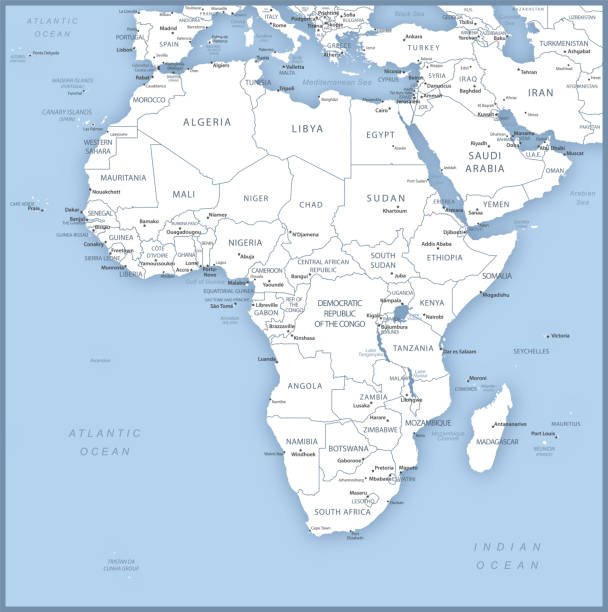
Exploring the various archaeological sites found in Eastern Africa provides a window into the evolution of early humans and the growth of sophisticated ancient civilizations. This region is widely recognized as the birthplace of humanity due to the significant fossil remains discovered within the Great Rift Valley over the last century. From the stone structures of medieval kingdoms to the prehistoric footprints of our ancestors, these locations offer a unique perspective on the history of the world.
The preservation of these ancient landmarks allows researchers to reconstruct the daily lives and cultural practices of our earliest predecessors with remarkable accuracy. These historical treasures have turned the region into a global center for scientific research and educational tourism.
These are the Archaeological Sites Found In Eastern Africa
Eastern Africa is home to a high concentration of heritage locations that span millions of years of human history. Many countries in Africa that archaeological sites found in Eastern Africa are located in, such as Kenya, Ethiopia, and Tanzania, have dedicated significant resources to protecting these fragile environments. In the following section, we look at the most prominent locations where history and science intersect to tell the story of the continent.
1. Olduvai Gorge in Tanzania
Olduvai Gorge is situated in northern Tanzania within the expansive eastern branch of the Great Rift Valley. This location is famous for the groundbreaking discoveries made by Mary and Louis Leakey during the mid-twentieth century. Researchers found the remains of Paranthropus boisei and Homo habilis here, which fundamentally shifted our understanding of human evolution. The site consists of a steep sided ravine that stretches about 48 kilometers long and 90 meters deep. Visitors can explore a small museum on-site that showcases replicas of the tools and fossils found in the various layers of the earth. It is considered a crucial African country which archaeological sites found in Eastern Africa are globally recognized for their scientific value.
2. The Aksumite Empire Ruins in Ethiopia
The city of Aksum in northern Ethiopia was once the heart of a powerful trading empire that thrived between the first and seventh centuries. It is characterized by massive monolithic obelisks known as stelae, which were carved from single pieces of granite to mark the tombs of ancient kings. The largest of these stelae stands over 20 meters tall and demonstrates the incredible engineering skills of the Aksumite people. This site also houses the Church of Our Lady Mary of Zion, where tradition claims the Ark of the Covenant is kept. Exploring these ruins provides a glimpse into the early Christian history of the region and its connections to the Mediterranean world. As a country in Africa archaeological sites found in Eastern Africa like Aksum show the complexity of early African urban centers.
3. Koobi Fora and Lake Turkana in Kenya
Koobi Fora is a massive fossil bearing region located on the eastern shores of Lake Turkana in northern Kenya. Since the 1960s, this area has yielded over 10,000 fossils, including some of the most complete specimens of early human ancestors. The harsh, desert like environment has played a vital role in preserving bones and stone tools that date back nearly two million years. Scientists have uncovered evidence of various hominid species living alongside one another, providing clues about the competitive nature of evolution. The site is a part of the Sibiloi National Park and serves as a living laboratory for paleoanthropologists from around the globe. It stands as a testament to the importance of Kenyan history in the narrative of human origins.
4. The Rock-Hewn Churches of Lalibela in Ethiopia
Lalibela is a medieval settlement in the highlands of Ethiopia that is world famous for its eleven monolithic churches carved directly into the red volcanic rock. These structures were commissioned by King Lalibela in the twelfth century with the goal of creating a new Jerusalem on African soil. The most iconic of these is the House of Saint George, which is carved in the shape of a cross and remains a major pilgrimage site for Ethiopian Orthodox Christians today. Each church is connected by a complex system of tunnels and trenches that were designed for both protection and religious ritual. The craftsmanship required to hollow out these massive stones without the use of modern machinery is a marvel of human ingenuity. Ethiopia remains a primary African country which archaeological sites found in Eastern Africa are deeply tied to religious identity.
5. Kilwa Kisiwani and Songo Mnara in Tanzania
Kilwa Kisiwani is an island off the southern coast of Tanzania that served as a major port in the Swahili trade network from the ninth to the nineteenth centuries. The ruins include the Great Mosque, which was the largest mosque in sub-Saharan Africa for hundreds of years, and the Palace of Husuni Kubwa. During its peak, Kilwa controlled the gold and ivory trade coming from the interior of the continent to the Indian Ocean. The architecture features a blend of local African styles and Islamic influences, using coral stone and mangrove timber for construction. Songo Mnara, a neighboring island, contains the remains of a planned stone town with residential houses and cemeteries. These sites highlight the prosperous maritime history of the East African coast and its global connections.
6. The Ruins of Gedi in Kenya
Gedi is a mysterious abandoned Swahili town located near the coastal town of Malindi in Kenya. Founded in the late thirteenth century, the town was a sophisticated urban center with a palace, several mosques, and stone houses equipped with indoor plumbing and sanitation. Interestingly, Gedi is not mentioned in any historical documents from the time, leading many archaeologists to wonder why it was suddenly abandoned in the seventeenth century. The site is surrounded by a dense tropical forest, which has slowly reclaimed some of the coral stone walls over the years. Excavations have uncovered Chinese porcelain and Venetian glass, indicating that Gedi was an active participant in international trade. It remains one of the most enigmatic archaeological sites found in Eastern Africa due to its sudden disappearance from history.
7. Laetoli Footprints in Tanzania
Laetoli is a site in the Ngorongoro Conservation Area of Tanzania where ancient footprints were preserved in volcanic ash over 3.6 million years ago. These tracks were left by Australopithecus afarensis, the same species as the famous Lucy fossil, and provide the earliest evidence of bipedalism in humans. The footprints show individuals walking with a gait similar to modern humans, proving that our ancestors stood upright long before they developed large brains. Alongside the hominid tracks, the ash also preserved the footprints of ancient elephants, giraffes, and extinct horses. This snapshot of life in the Pliocene epoch is one of the most significant discoveries in the field of physical anthropology. It offers a rare and intimate look at the daily movements of our distant relatives.
8. The Lower Omo Valley in Ethiopia
The Lower Omo Valley is located in southwestern Ethiopia and is recognized for its incredible wealth of hominid remains and prehistoric tools. The sedimentary layers in this region have provided a continuous record of human and environmental evolution covering millions of years. Discoveries here include the remains of Homo gracilis and Australopithecus, which have helped scientists understand the transition between different ancestral species. The site is also home to diverse ethnic groups who continue to practice traditional lifestyles that have remained unchanged for centuries. This coexistence of ancient history and living cultural heritage makes the Omo Valley a unique location for holistic study. It is a vital part of the network of archaeological sites found in Eastern Africa that focuses on the deep past.
9. Olorgesailie Prehistoric Site in Kenya
Olorgesailie is situated in the Magadi basin of southern Kenya and is famous for its staggering quantity of Acheulean hand axes. This site served as a major tool making factory for early humans between 600,000 and 900,000 years ago. The tools are found in such high density that it is believed the area was a central meeting point for various groups of hominids. The accumulation of these stone implements provides insights into the social behavior and cognitive development of our ancestors during the Middle Pleistocene. Geologists have also used the lake sediments at Olorgesailie to study how climate change influenced human migration and tool innovation. It is an essential destination for anyone interested in the technological history of early man.
10. The Megalithic Site of Tiya in Ethiopia
Tiya is located in the Gurage Zone of central Ethiopia and is home to 36 massive stone pillars or stelae that mark ancient burial grounds. These monuments are decorated with intricate carvings of swords, human figures, and various symbols whose meanings are still being studied by historians. The stelae date back to the twelfth to fourteenth centuries and are part of a larger megalithic culture that once stretched across the Horn of Africa. Unlike the obelisks of Aksum, the Tiya stones are flatter and more focused on representational art rather than architectural height. The site is protected as a UNESCO World Heritage location and represents the burial traditions of an extinct local civilization. It serves as a reminder of the many forgotten cultures that once flourished in the Ethiopian highlands.
11. Engaruka Irrigation System in Tanzania
Engaruka is an abandoned agricultural settlement located at the foot of the Rift Valley escarpment in northern Tanzania. It was once home to a highly organized community that developed complex stone terrace irrigation systems to farm the arid landscape. The ruins include stone walled enclosures, canals, and terraced fields that cover thousands of acres. Scientists estimate that the site was occupied during the fifteenth and sixteenth centuries, but the reasons for its eventual abandonment remain unclear. The level of engineering required to manage water in such a difficult environment suggests a high degree of social coordination. Engaruka is one of the most important archaeological sites found in Eastern Africa for the study of pre-colonial agricultural techniques. It challenges the notion that ancient African societies were purely nomadic or hunter gatherers.
12. Thimlich Ohinga in Kenya
Thimlich Ohinga is a dry stone walled complex located in western Kenya, near the shores of Lake Victoria. The name means frightening dense forest in the Dholuo language, and the site consists of massive stone enclosures built without the use of mortar. These structures served as fortified settlements for livestock and people, providing protection against wild animals and rival groups. The walls were constructed using a meticulous interlocking system that has survived for centuries despite the humid tropical climate. It is believed that the complex was built around the fourteenth century and remained in use until the early twentieth century. Thimlich Ohinga is the largest and best preserved of several similar stone structures found in the Lake Victoria basin. It represents a unique architectural tradition within the interior of the continent.
13. The Royal Enclosure of Fasil Ghebbi in Ethiopia
Fasil Ghebbi is a fortress city located in Gondar, Ethiopia, which served as the home of the Ethiopian emperors during the seventeenth and eighteenth centuries. The complex includes several castles, a banquet hall, a library, and a series of churches and monasteries. The architecture is a unique blend of Ethiopian, Indian, and Baroque influences, often referred to as the Gondarine style. The castles are built with stone and lime mortar and feature crenelated walls and domed towers that resemble medieval European fortresses. Fasil Ghebbi reflects a period of intense cultural and political activity in Ethiopia following the end of the nomadic royal court tradition. It provides a fascinating look at the luxury and power of the Solomonic dynasty during its peak. Gondar remains a significant African country which archaeological sites found in Eastern Africa are a point of national pride.
14. Jebel Barkal and the Sites of the Napatan Region in Sudan
Jebel Barkal is a small mountain in northern Sudan that was considered sacred by both the ancient Egyptians and the Kings of Kush. At its foot lie the ruins of temples and pyramids that served as the religious center of the Napatan and Meroitic empires. The Great Temple of Amun at the base of the mountain was once one of the most important religious sites in the Nile Valley. The pyramids found here, while smaller than those at Giza, are more numerous and possess a distinct, steep sided aesthetic. This region marks the southern extent of the pharaonic influence and the rise of an independent Nubian power that once ruled over all of Egypt. Jebel Barkal is a key site for understanding the interaction between different Nile civilizations. It stands as a monumental landmark in the history of Northeast and Eastern Africa.
15. Hyrax Hill in Kenya
Hyrax Hill is an archaeological site located near Nakuru in the Kenyan rift valley that shows a long history of human occupation from the Neolithic to the Iron Age. The site was first excavated by Mary Leakey in the 1930s, revealing burial mounds, stone tool workshops, and the remains of circular stone houses. One of the most interesting features is a series of bao game boards carved into the rocks, suggesting that ancient inhabitants enjoyed recreational activities. The findings at Hyrax Hill have helped researchers map the transition from foraging to pastoralism among early Kenyan communities. The site includes a museum that displays the pottery and tools found during various excavation phases. It remains an accessible and educational location for those looking to understand the pre-colonial history of the Kenyan interior.
16. The Kondoa Rock Art Sites in Tanzania
Kondoa is a region in central Tanzania that contains one of the finest collections of rock art in the world, with over 150 shelters decorated with ancient paintings. These artworks date back several thousand years and depict scenes of hunting, dancing, and various stylized animals. The paintings are rendered in red and white pigments and provide a rare glimpse into the spiritual and social lives of early hunter gatherer groups. Some of the images are thought to be linked to rain making ceremonies and other traditional rituals that are still practiced by local communities. The Kondoa rock art is significant because it shows the long term continuity of human expression in the region. It is one of the few archaeological sites found in Eastern Africa where ancient art can be viewed in its original environmental context. The site remains a powerful symbol of the creative spirit of early Africans.
Reasons Why These Countries Archaeological Sites Found In Eastern Africa in Africa
The high concentration of ancient sites in this part of the world is not a matter of chance but the result of specific geological and historical circumstances. Several factors contribute to why Eastern Africa has become such a significant repository for the worlds earliest history and how these sites have managed to survive into the modern age.
1. Favorable Geological Conditions: The Great Rift Valley provides a unique environment where the shifting of tectonic plates exposes ancient sedimentary layers that would otherwise remain hidden deep underground. This geological activity acts as a natural excavation tool, revealing fossils and tools from millions of years ago. In many countries in Africa that archaeological sites found in Eastern Africa are located, this rift system has created alkaline lakes and volcanic ash deposits that are perfect for mineralizing bone and preserving organic material. Without this specific geological structure, the cradle of mankind might never have been discovered. The rift continues to be the most productive area for paleoanthropological research in the world.
2. Presence of Durable Building Materials: Many of the medieval and ancient civilizations in Eastern Africa utilized volcanic stone, coral, and granite to build their cities and monuments. These materials are much more resistant to the tropical climate and erosion than mud brick or timber, which were common in other parts of the continent. For example, the rock hewn churches of Lalibela and the stone walls of Kilwa have survived for centuries precisely because of their solid stone construction. This durability has allowed modern researchers to study the original architecture and urban planning of these societies. It is a major reason why archaeological sites found in Eastern Africa are often better preserved than those in the West African forest zones.
3. Long-Standing Traditions of Literacy and Record Keeping: Ethiopia, in particular, has a long history of written records in the Ge'ez language, which has helped historians identify and locate ancient sites mentioned in religious and royal texts. These written accounts provide context for the physical ruins found in places like Aksum and Gondar, turning anonymous stones into historical narratives. Similarly, the Swahili coast had a rich tradition of oral and written history that chronicled the rise and fall of various city states. This combination of physical evidence and written documentation makes Eastern Africa a fertile ground for historical research. It allows for a more complete understanding of the social and political dynamics of ancient empires.
4. Isolation and Natural Protection: Many of the most significant sites are located in remote or rugged terrain that provided a degree of natural protection from invaders and urban sprawl. The high plateaus of Ethiopia and the dense coastal forests of Kenya kept many ancient ruins hidden and undisturbed for hundreds of years. Sites like Gedi and Thimlich Ohinga were only rediscovered by the outside world in the nineteenth and twentieth centuries. This isolation prevented the repurposing of building materials for new constructions, which is a common problem in more densely populated regions. Today, these remote locations continue to offer a sense of mystery and discovery for explorers and scientists. They remain untouched pockets of the past in a rapidly developing world.
5. Continued Cultural Relevance: Several of the sites mentioned are still in use today or are considered sacred by the descendant populations living near them. The churches of Lalibela and the ruins of Aksum are central to the identity of the Ethiopian Orthodox Church, ensuring that they are cared for and respected by the community. In Tanzania, the Kondoa rock art sites are still visited by locals for traditional ceremonies, maintaining a living link to the ancient artists. This community involvement provides a layer of protection that goes beyond government legislation. When a site remains a part of the living culture, its preservation becomes a matter of communal pride and responsibility. It ensures that the legacy of the ancestors is passed down to future generations.
6. International Scientific Investment: The global significance of the hominid discoveries in Kenya and Tanzania has attracted substantial funding and expertise from international universities and museums. This investment has led to the development of sophisticated research facilities and the training of local archaeologists who are now leading excavations. Organizations like UNESCO have also played a crucial role by designating many of these locations as World Heritage Sites, which provides additional resources for conservation. The collaborative nature of research at archaeological sites found in Eastern Africa ensures that the findings are shared with the global scientific community. This international attention helps to raise awareness about the importance of protecting the continents heritage. It also drives the tourism that supports many local economies.
Conclusion
The diverse array of archaeological sites found in Eastern Africa serves as a monumental record of human achievement and the deep history of our species. From the earliest stone tools at Olorgesailie to the majestic castles of Gondar, these locations demonstrate that the continent has always been a center of innovation and cultural complexity. As we continue to explore and protect these ancient landmarks, we gain a deeper appreciation for the resilience and creativity of the people who shaped this region. These sites are not just relics of the past but are essential for understanding our identity and our place in the global narrative. The commitment to preserving archaeological sites found in Eastern Africa ensures that the story of humanity's origins will continue to be told for centuries to come.
Enjoyed this read?
Share it with your friends and colleagues.