Is The Bahamas Africa

BSC Insights Admin
October 01, 2026
Is The Bahamas Africa? Unraveling Geography, History, and Culture
No, The Bahamas is not Africa. Geographically, The Bahamas is located in the Caribbean, an archipelago nation forming part of North America, distinctly separate from the continent of Africa. While its population is predominantly of African descent and its culture deeply influenced by African heritage due to the transatlantic slave trade, it is crucial to differentiate between geographical location, ancestry, and cultural lineage.
Geographical Location: Where Exactly is The Bahamas?
To accurately answer the question, we must first establish The Bahamas' geographical coordinates. This independent nation comprises over 700 islands, cays, and islets in the Atlantic Ocean, situated just off the southeastern coast of Florida, United States, and north of Cuba and Hispaniola (Haiti and the Dominican Republic). This places it firmly within the region commonly known as the West Indies or the Caribbean, a subregion of North America.
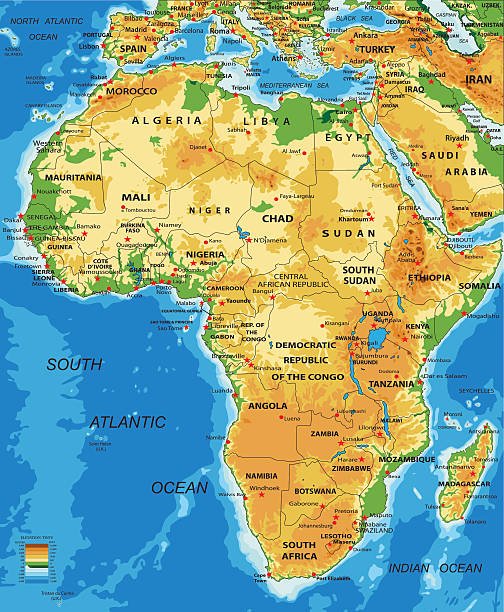
Understanding global geography is key here. Continents are vast landmasses, and Africa is a distinct continent located across the Atlantic Ocean, thousands of miles to the east of The Bahamas. The immense distance between the two rules out any direct geographical connection.
Distinguishing Continents: North America vs. Africa
The Earth is divided into several continents, each with unique geographical boundaries. North America encompasses countries like the United States, Canada, Mexico, and extends to the Caribbean islands, including The Bahamas. Africa, on the other hand, is home to 54 recognized countries, stretching from Egypt in the north to South Africa in the south, and from Senegal in the west to Somalia in the east.
The idea of The Bahamas being part of Africa often stems from observations about the complexion of its population, rather than any geographical reality. It’s a common misconception that conflates racial identity or ancestral roots with continental location.
The Caribbean Context: A Unique Region
The Caribbean is a diverse region known for its tropical climate, stunning beaches, and unique blend of cultures. It includes a vast array of island nations and territories, such as Jamaica, Barbados, Trinidad and Tobago, Puerto Rico, and Cuba. Each island possesses its own distinct identity, yet they share common threads, including a history of colonialism, plantation economies, and the enduring legacy of the transatlantic slave trade. The Bahamas is an integral part of this vibrant Caribbean tapestry, sharing many regional characteristics while also maintaining its unique Bahamian flavor.
Its proximity to the United States also shapes its identity, economically and culturally, leading to strong ties with North American trends and tourism markets, further distinguishing it from African nations.
Historical Roots and the African Connection
While geographically separate, the deep cultural and demographic links between The Bahamas and Africa are undeniable. This connection is rooted in a painful, yet formative, chapter of human history: the transatlantic slave trade.
The Transatlantic Slave Trade and Forced Migration
Beginning in the 17th century, the British colonized The Bahamas. With them came the forced migration of millions of Africans across the Atlantic to the Americas, including the Caribbean islands, to labor on plantations. These enslaved Africans, brutally uprooted from their homelands, brought with them a rich array of languages, spiritual beliefs, musical traditions, and survival skills.
The majority of the Bahamian population today can trace their ancestry back to these enslaved Africans. Historical records indicate that many came from West African regions, including parts of what are now Nigeria, Ghana, and Senegal. Their resilience and determination played a crucial role in shaping the social, economic, and cultural landscape of the islands.
Emancipation and Cultural Preservation
Slavery was abolished in the British Empire in 1834. Following emancipation, Afro-Bahamians began to forge their own path, striving for self-determination and preserving elements of their ancestral African heritage. Communities developed, maintaining traditions through oral histories, religious practices, and unique cultural expressions that became distinctively Bahamian.
The process of decolonization in the 20th century culminated in Bahamian independence in 1973, further solidifying its distinct identity as a sovereign nation within the Commonwealth, yet retaining strong cultural echoes from its African past.
Cultural Identity: A Rich Tapestry of Influences
The culture of The Bahamas is a vibrant fusion, showcasing influences from its African heritage, European colonial past, and proximity to North America. It’s a testament to the resilience and creativity of its people.
African Retentions in Bahamian Culture
Many aspects of Bahamian culture bear the indelible mark of African traditions. These retentions are not merely historical footnotes; they are living, breathing elements of daily life and national identity.
- Junkanoo: Perhaps the most famous cultural expression, Junkanoo is a vibrant street parade and festival held annually on Boxing Day and New Year's Day. Its origins are directly linked to enslaved Africans who celebrated holidays with their own music, dance, and costumes. The intricate costumes, rhythmic drumming (goombay drums), cowbells, and whistles are powerful echoes of West African cultural practices.
- Music and Dance: Beyond Junkanoo, other forms of music like rake and scrape, spirituals, and folk songs show clear African rhythmic and melodic influences. Dance forms often involve expressive body movements and storytelling, characteristic of many African dances.
- Folklore and Storytelling: Anansi the Spider stories, a trickster figure originating from Akan folklore in West Africa, are popular in Bahamian oral tradition. These tales often carry moral lessons and reflect aspects of African wisdom.
- Cuisine: While Bahamian food has developed its own unique flavors, certain ingredients and cooking methods have African roots. Dishes like conch fritters, peas n’ rice, and stew fish utilize ingredients and culinary techniques that resonate with the broader African diaspora.
- Crafts: Basket weaving, straw work, and wood carving often display patterns and techniques that have parallels in African traditional crafts.
European, Indigenous, and American Influences
Alongside its African roots, Bahamian culture has been significantly shaped by other forces:
- British Colonial Heritage: As a former British colony, English is the official language, and the legal and parliamentary systems largely mirror those of the United Kingdom. Christianity, particularly Protestant denominations, is widely practiced.
- Indigenous Echoes: The original inhabitants of The Bahamas were the Lucayan Tainos, an Arawak-speaking people. While their population was decimated shortly after European contact, their legacy lives on in place names and some agricultural practices.
- American Proximity: The close geographical relationship with the United States has led to significant American cultural influence, especially in media, fashion, and consumer trends. Tourism, predominantly from the US, also plays a massive role in shaping the local economy and some cultural expressions.
Bahamian English and Dialect
The local dialect, often referred to as Bahamian English or Bahamian Creole, is a fascinating blend. While Standard English is understood and spoken, the everyday speech incorporates rhythms, pronunciations, and vocabulary that reflect both African linguistic patterns and older forms of English, creating a distinct Bahamian identity in language.Demographics and Ethnicity: A Predominantly African-Descended Population
The demographic makeup of The Bahamas is a direct reflection of its history, predominantly showcasing its African roots.
Population Composition
According to various demographic studies, people of African descent constitute the vast majority of the Bahamian population, estimated to be over 85%. There are also smaller populations of European descent, mixed-race individuals, and other ethnic groups. This demographic reality underscores the strong historical and ancestral ties to Africa, even though the nation is geographically in the Caribbean.
This demographic profile is characteristic of many Caribbean nations, where the legacy of the transatlantic slave trade profoundly shaped the population structure. It’s a powerful illustration of the global African diaspora.
Understanding Identity Beyond Geography
The question "Is The Bahamas Africa?" often arises from a superficial observation of skin color. However, identity is multifaceted. While Bahamians acknowledge and celebrate their African ancestry and the cultural legacies it carries, their national identity is distinctly Bahamian. It's an identity forged in the unique crucible of Caribbean history, geography, and the ongoing synthesis of diverse influences.
Being of African descent does not automatically make a geographical location part of Africa. Instead, it signifies a shared heritage and a connection to a global community of people who trace their origins to the African continent, regardless of where they currently reside.
The Bahamas on the Global Stage
The Bahamas has established itself as a sovereign nation with its own place in the world, distinct from any African country.
Economic Ties and International Relations
The Bahamian economy is heavily reliant on tourism and financial services. Its primary economic partners and tourist markets are predominantly in North America and Europe. The country is a member of various international organizations, including the United Nations, the Commonwealth of Nations, and the Caribbean Community (CARICOM). These affiliations reflect its geopolitical alignment within the Americas and the broader Anglophone world, rather than with the African continent.
Unique Identity and Tourism Appeal
The Bahamas markets itself globally as a premier Caribbean destination, celebrated for its pristine beaches, crystal-clear waters, vibrant marine life, and unique cultural experiences. Its appeal lies in its distinct Bahamian charm, which, while culturally rich due to its African heritage, is recognized as separate from an African destination. Tourists are drawn to the Bahamian way of life, its specific history, and its unique blend of leisure and cultural immersion.
This distinct identity is crucial for its tourism brand, differentiating it from other global destinations, including those in Africa which offer different, albeit equally rich, cultural and natural experiences.
Common Misconceptions Clarified
The confusion surrounding The Bahamas' connection to Africa is understandable, given the prominent African heritage of its people. However, clarity demands a distinction between ancestry and geography.
| Aspect | The Bahamas | Africa |
|---|---|---|
| Geographical Location | Caribbean (North America) | Continent (Eastern Hemisphere) |
| Official Language | English | Hundreds of languages (e.g., Arabic, Swahili, French, English, local dialects) |
| Major Economic Drivers | Tourism, Financial Services | Diverse (mining, agriculture, oil, manufacturing, tourism) |
| Historical Colonizers | Primarily British | Various European powers (British, French, Portuguese, German, Belgian, Italian, Spanish) |
| Dominant Ancestry | Predominantly African | Indigenous African ethnic groups, diverse migrant populations |
It's important to recognize that a strong cultural or ancestral link does not equate to geographical inclusion. Just as Brazilian culture has significant African influences, Brazil remains in South America. The African diaspora has spread people and cultures across the globe, creating new, unique identities in every place they landed.
Conclusion
In summary, The Bahamas is unequivocally not Africa from a geographical standpoint; it is an independent island nation located in the Caribbean, part of North America. However, its profound connection to Africa through the lineage of its predominantly African-descended population and the enduring influence of African traditions on its vibrant culture is undeniable. This rich tapestry of history and heritage makes The Bahamas a unique and fascinating country, embodying the spirit of the African diaspora while proudly maintaining its distinct Bahamian identity within the Caribbean context. Understanding this distinction enriches our appreciation for global geography and the complex evolution of cultural identities.
Enjoyed this read?
Share it with your friends and colleagues.