Is There Bamboo In Africa

BSC Insights Admin
September 30, 2026
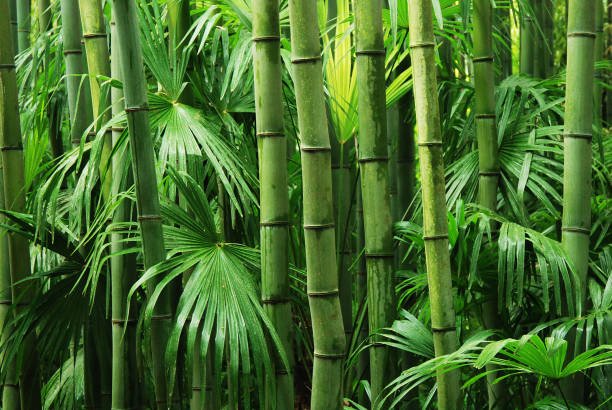
Is There Bamboo In Africa? A Definitive Guide to African Bamboo
Yes, bamboo is indeed present in Africa, thriving across various regions of the continent. Far from being exclusive to Asia, Africa hosts both native and introduced bamboo species, playing significant ecological, economic, and cultural roles. While often less publicized than its Asian counterparts, African bamboo contributes immensely to biodiversity, provides essential resources for local communities, and holds substantial potential for sustainable development.
The Presence of Bamboo in Africa: More Than Just an Asian Plant
The popular image of bamboo often conjures scenes of lush Asian forests, but this versatile plant has a significant, albeit often overlooked, presence in Africa. Scientific research and botanical surveys confirm that bamboo has been an integral part of African ecosystems for millennia. There are primarily two major native genera of bamboo found on the continent: Arundinaria and Oxytenanthera, along with several introduced species that have adapted well to African climates.
The existence of African bamboo species highlights the incredible adaptability of this plant group. From the high-altitude misty mountain forests to the drier lowland savannas, bamboo has carved out niches, providing critical habitat and resources. Understanding bamboo distribution Africa is key to appreciating its ecological importance and potential for future sustainable utilization.
Key African Bamboo Species and Their Habitats
Africa's native bamboo species are diverse, each adapted to specific environmental conditions. Two species stand out for their prevalence and ecological significance:
Arundinaria alpina (African Alpine Bamboo)
This is arguably the most iconic and ecologically crucial native African bamboo species. Arundinaria alpina, also known as African Alpine Bamboo or Mountain Bamboo, is found predominantly in the high-altitude montane forests of East and Central Africa. It forms dense, extensive stands at elevations typically ranging from 2,500 to 3,500 meters (8,200 to 11,500 feet).
- Habitat: These bamboo forests are characteristic features of the Virunga Mountains, Rwenzori Mountains, Mount Kenya, Mount Elgon, and Kilimanjaro. They thrive in areas with high rainfall and cool temperatures.
- Ecological Significance: Arundinaria alpina is vital for numerous species, most famously the endangered mountain gorillas, whose diet consists largely of this bamboo. It also provides habitat for golden monkeys, forest elephants, and various bird species. Its dense root systems are critical for soil stabilization on steep mountain slopes, preventing erosion and regulating water flow into lowland areas, thus protecting vital watersheds.
- Characteristics: It can grow up to 20 meters tall, with culms (stems) reaching diameters of 10-15 cm. The culms are relatively thin-walled but strong, making them useful for construction and crafts.
Oxytenanthera abyssinica (Lowland Bamboo / African Savannah Bamboo)
In contrast to its alpine cousin, Oxytenanthera abyssinica, often referred to as Lowland Bamboo or African Savannah Bamboo, is more widespread across the tropical and subtropical savannas and woodlands of Africa. It prefers lower altitudes and can tolerate drier conditions than Arundinaria alpina.
- Habitat: This species is found from West Africa (e.g., Nigeria, Cameroon) through Central Africa (e.g., Sudan, Ethiopia) to parts of East Africa. It often grows along riverbanks, in degraded forest areas, and as scattered clumps within savanna grasslands.
- Ecological Significance: While not supporting iconic megafauna like the mountain gorilla to the same extent, Oxytenanthera abyssinica provides essential resources for local communities and wildlife. It helps in soil conservation in drier areas and provides fodder for grazing animals.
- Characteristics: It typically grows in clumps, reaching heights of 5-15 meters with culms up to 8 cm in diameter. Its culms are thicker-walled and woody, making them very durable and widely used for construction, tools, and crafts.
Other Native and Introduced Species
Beyond these two prominent species, other native bamboos exist in more localized areas, and various Asian species (e.g., from genera like Bambusa and Dendrocalamus) have been introduced and cultivated for their fast growth and commercial potential. These introduced species are often found in plantations, agricultural lands, and botanical gardens rather than pristine natural ecosystems, though some have naturalized.
Geographical Distribution: Where Bamboo Thrives on the Continent
The distribution of bamboo across Africa is not uniform but concentrated in specific ecological zones:
East Africa: The Bamboo Heartland
East Africa is undoubtedly the epicenter of African bamboo forests, particularly for Arundinaria alpina. Countries like Uganda, Rwanda, Democratic Republic of Congo, Kenya, Tanzania, and Ethiopia host significant bamboo stands within their montane regions. These areas are characterized by volcanic soils, high rainfall, and cooler temperatures, creating ideal conditions for alpine bamboo to flourish. The extensive bamboo belts in these countries are critical for regional biodiversity and water resources.
West and Central Africa: Scattered but Significant
In West and Central Africa, Oxytenanthera abyssinica is the dominant native species. It can be found in countries such as Nigeria, Cameroon, Sudan, South Sudan, and Central African Republic. Its presence is often more scattered, occurring in gallery forests, woodlands, and savannas, rather than forming continuous dense forests like the alpine bamboo. These populations are crucial for local livelihoods, providing accessible building materials and craft resources.
Southern Africa: Limited Native, More Introduced
Southern Africa has a more limited native bamboo presence, with smaller, localized patches of certain species. However, there has been a growing interest in cultivating introduced bamboo species for commercial purposes, particularly in countries like South Africa and Zimbabwe, where suitable climatic zones exist for various fast-growing timber bamboos.
Ecological Importance of African Bamboo
The ecological contributions of bamboo in Africa are immense and multifaceted:
- Biodiversity Hotspots: As highlighted with the mountain gorillas, bamboo forests provide unique habitats for endemic and endangered species. The dense undergrowth offers shelter and food, supporting a complex food web from insects to large mammals.
- Soil Stabilization and Erosion Control: The fibrous root systems of bamboo are highly effective at binding soil, especially on steep slopes and riverbanks. This prevents soil erosion, a major problem in many parts of Africa, and helps in land reclamation in degraded areas.
- Watershed Protection: By stabilizing soil and regulating water infiltration, bamboo forests play a vital role in watershed management. They help maintain water quality, reduce flood risks, and ensure a steady supply of water to downstream communities.
- Carbon Sequestration: Bamboo is one of the fastest-growing plants on Earth, making it highly efficient at absorbing carbon dioxide from the atmosphere. Large bamboo forests act as significant carbon sinks, contributing to climate change mitigation efforts.
- Ecological Restoration: Due to its rapid growth and ability to thrive in poor soils, bamboo is an excellent pioneer species for restoring degraded lands, helping to rebuild soil fertility and kickstart ecological succession.
Economic and Cultural Significance of Bamboo in Africa
Beyond its ecological value, bamboo holds substantial economic and cultural importance for millions of Africans.
Traditional Uses of Bamboo
For centuries, African communities have relied on bamboo for a wide array of purposes:
- Building Materials: The strong, lightweight culms are ideal for constructing huts, fences, roofing, and scaffolding. Its flexibility and strength make it a sustainable alternative to timber.
- Tools and Utensils: Bamboo is crafted into various tools, agricultural implements, fishing rods, and household items like mats, baskets, and storage containers.
- Handicrafts: Artisans use bamboo to create beautiful crafts, musical instruments, and decorative items, often showcasing intricate weaving and carving techniques.
- Food: While less common than in Asia, bamboo shoots are consumed in certain regions, providing a nutritious food source.
- Fuelwood: Dried bamboo culms are used as fuelwood, offering a renewable energy source for cooking and heating.
- Medicinal Purposes: Traditional medicine systems in some areas utilize parts of the bamboo plant for various remedies.
Modern Applications and Commercial Potential
As the world seeks sustainable solutions, the economic importance of bamboo Africa is gaining recognition:
- Sustainable Construction: Modern engineered bamboo products, such as laminated bamboo lumber and flooring, are increasingly being used in construction, offering durable and eco-friendly alternatives to traditional wood and concrete.
- Bioenergy: Bamboo biomass can be converted into charcoal, pellets, or used directly as fuel, providing a renewable energy source that can help reduce reliance on fossil fuels.
- Pulp and Paper: Bamboo fibers are excellent for pulp and paper production, offering a sustainable alternative to wood pulp, especially important for reducing deforestation.
- Textiles: Bamboo fabric, known for its softness and breathability, is a growing sector in the textile industry.
- Furniture and Design: The aesthetics and strength of bamboo make it a popular material for contemporary furniture and interior design.
- Eco-tourism: Regions with extensive bamboo forests, particularly those inhabited by unique wildlife like mountain gorillas, benefit from eco-tourism, which provides economic opportunities for local communities through guiding, hospitality, and craft sales.
Challenges and Conservation Efforts for African Bamboo
Despite its vast potential, African bamboo faces several challenges:
Threats to Bamboo Ecosystems
- Deforestation and Habitat Loss: Conversion of forest land for agriculture, logging, and human settlements is a major threat, particularly to native bamboo forests.
- Unsustainable Harvesting: Over-harvesting of bamboo without proper management practices can lead to depletion of resources and degradation of bamboo stands.
- Climate Change: Changes in rainfall patterns, temperature shifts, and increased frequency of extreme weather events can impact bamboo growth and distribution.
- Lack of Awareness: A general lack of awareness about the ecological and economic value of native African bamboo often leads to its undervaluation and underutilization in sustainable ways.
Conservation Initiatives
Recognizing these threats, various efforts are underway to conserve and sustainably manage African bamboo:
- Protected Areas: National parks and wildlife reserves, such as Volcanoes National Park in Rwanda and Bwindi Impenetrable National Park in Uganda, are crucial for protecting Arundinaria alpina forests and their inhabitants like mountain gorillas.
- Community-Based Conservation: Engaging local communities in bamboo management through sustainable harvesting practices, agroforestry, and promoting value-added bamboo products helps foster stewardship.
- Research and Development: Scientific research into bamboo genetics, cultivation techniques, and processing technologies is vital for maximizing its potential and ensuring sustainable use.
- Policy and Advocacy: Developing policies that promote sustainable bamboo cultivation and use, along with raising public awareness, can significantly contribute to its conservation.
The Future of Bamboo in Africa
The future of bamboo in Africa is bright with potential. As a renewable, fast-growing, and versatile resource, bamboo offers a sustainable pathway for economic development, environmental protection, and climate change resilience. Investing in bamboo cultivation Africa, promoting sustainable harvesting methods, and developing local value chains can unlock significant opportunities. From supporting wildlife populations and protecting vital watersheds to providing sustainable livelihoods and raw materials for modern industries, bamboo is poised to play an increasingly critical role in Africa's sustainable future.
Conclusion
In conclusion, the answer to 'Is there bamboo in Africa?' is an emphatic yes. Africa is home to significant native bamboo species like Arundinaria alpina and Oxytenanthera abyssinica, alongside various introduced varieties. These species are not merely botanical curiosities; they are foundational elements of African ecosystems, providing critical habitat, regulating water resources, and serving as an invaluable resource for countless communities. From the misty mountain slopes of East Africa to the vast savannas, bamboo in Africa stands as a testament to nature's resilience and a beacon of hope for sustainable development across the continent. Its continued protection and thoughtful utilization are paramount for both environmental health and human well-being.
Enjoyed this read?
Share it with your friends and colleagues.