Can Bears Be Found In Africa

BSC Insights Admin
October 01, 2026
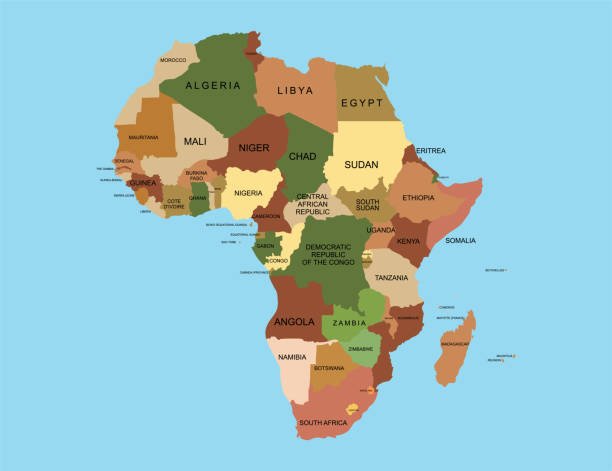
Identifying if can bears be found in Africa requires a look at both historical records and current wildlife surveys across the continent. While the landmass is famous for its large predators, no native bear species currently roam the wild in any African nation today. The only bear ever native to the continent was the Atlas bear, which was found in the northern regions but has been extinct for over a century.
The absence of these large mammals from the African savanna and mountain ranges is a unique biological trait that differentiates the continent from Europe, Asia, and the Americas. Exploring the story of the one African country which can bears be found in Africa relates to historically helps us understand the ecological shifts and human impacts that led to their total disappearance from the wild.
These are the historical and biological facts regarding can bears be found in Africa
To understand the current state of wildlife on the continent, it is necessary to look at the history of the only bear species that ever called this land home. Although Africa is currently associated with lions, leopards, and hyenas, the northern regions once supported a population of brown bears that thrived in the forested mountains. These animals were quite different from the grizzly bears of North America or the polar bears of the Arctic, having adapted specifically to the Mediterranean climate of the Atlas Mountains. The following points provide a comprehensive look at why bears are no longer present in the wild and the legacy they left behind before their extinction in the late nineteenth century.
1. The History of the Atlas Bear
The Atlas bear was the only species of bear native to the African continent in modern history, classified as a subspecies of the brown bear. It was a relatively small bear compared to its European relatives, featuring a very dark, almost black fur on its back and a distinctive orange or reddish tint on its underbelly. These bears were not as aggressive as the larger brown bear varieties and spent much of their time foraging for roots, acorns, and small mammals in the high-altitude forests. Descriptions from early explorers suggest that they had a shorter muzzle and shorter claws than European bears, which was likely an adaptation to the rocky and forested terrain of the northern mountains. They represent a fascinating chapter in the evolution of African wildlife, showing that the continent once had a much more varied predator guild than it does today. Their existence proves that the cooler, forested parts of the north were once a suitable bridge for Eurasian species migrating southward.
2. The Geographic Range in North Africa
The primary regions where these bears lived were the Atlas Mountains and the surrounding highlands, stretching across parts of what are now Morocco and Algeria. Historically, the countries in Africa that can bears be found in Africa in a wild state were limited to this northern rim, as the Sahara Desert acted as a massive natural barrier preventing them from moving further south. These mountains provided a temperate environment with plenty of rainfall, supporting thick forests of oak, cedar, and pine that offered both food and shelter. The bears were most common in the Rif Mountains and the Middle Atlas, where the elevation provided a cooler climate similar to parts of Southern Europe. Because they were restricted to this narrow strip of land between the Mediterranean Sea and the desert, they were highly vulnerable to any changes in their habitat or increases in human pressure. This geographic isolation eventually became a contributing factor to their inability to recover as their numbers began to dwindle under various threats.
3. Impact of the Roman Empire on Bear Populations
The decline of the Atlas bear began significantly during the height of the Roman Empire, when thousands of animals were captured and transported to Europe for gladiatorial games. Romans highly valued the bears for their use in the Colosseum and other arenas where they were forced to fight against other predators or humans in public spectacles. Historical records indicate that as many as six hundred bears could be killed in a single event, putting an immense strain on the local populations in North Africa. This massive overexploitation lasted for centuries, effectively hollowing out the core population of bears in the more accessible parts of the Atlas Mountains. The Romans viewed the northern African territories as a seemingly endless source of wildlife, but the slow reproductive rate of bears meant they could not replace their numbers as fast as they were being harvested. This period of history represents one of the earliest examples of large scale human impact leading to the eventual collapse of a megafauna species on the continent.
4. The Final Extinction in the 19th Century
By the 1800s, the Atlas bear had become extremely rare, with only a few isolated populations remaining in the most rugged and inaccessible parts of the Moroccan mountains. The last documented Atlas bear was reportedly shot by hunters in the Tetouan region of northern Morocco around 1869 or 1870. This event marked the end of the only bear lineage native to the continent, and despite occasional rumors of sightings in later years, no scientific evidence has ever surfaced to suggest they survived. The introduction of modern firearms to the region in the nineteenth century made it much easier for hunters to track down the remaining individuals that had previously been protected by the steep terrain. Scientists generally agree that by the start of the twentieth century, the species was completely gone, leaving Africa as the only major continent without a native bear species. Today, the Atlas bear is remembered only through a handful of skeletal remains and historical descriptions, serving as a warning about the fragility of isolated animal populations.
5. Genetic Research and Eurasian Origins
Modern genetic studies using mitochondrial DNA extracted from historical remains have helped clarify the origins of the Atlas bear and its relationship to other brown bears. Research indicates that the Atlas bear was genetically distinct but closely related to the brown bears found in Spain and the Pyrenees. It is likely that these bears migrated across the Strait of Gibraltar during a period of lower sea levels or perhaps during a time when the crossing was more manageable for large mammals. Once they arrived in Africa, they became isolated from their European cousins and began to evolve specific traits suited for the North African environment. This genetic isolation meant that they were a unique part of the world's biodiversity, and their extinction represented the loss of an entire evolutionary branch of the brown bear family tree. Understanding their genetics helps scientists reconstruct the migration patterns of animals between Europe and Africa over millions of years, highlighting the deep connections between the two continents.
6. Modern Zoological Presence
While you can no longer find bears in the wild, there are several locations where a country in Africa can bears be found in Africa in a captive setting. Major zoos in nations like Egypt and South Africa house different species of bears, such as the brown bear or the black bear, for educational and conservation awareness purposes. The Giza Zoo in Egypt and the National Zoological Garden of South Africa in Pretoria are two of the most prominent institutions where these animals can be seen by the public. These captive bears are not native to the continent but are brought in as part of international exchange programs between zoological facilities worldwide. These exhibits serve a vital role in teaching African citizens about the diverse wildlife that exists on other continents and the history of the Atlas bear. However, these animals require specialized care and climate-controlled environments to thrive in the often hot and dry conditions of their host countries. They remain the only way for people on the continent to see a living bear without traveling abroad.
7. Prehistoric Bear Species in Africa
Long before the Atlas bear existed, the African continent was home to even larger and more formidable bear species during the Pliocene and Pleistocene eras. One of the most notable was the Agriotherium africanum, a massive bear that lived millions of years ago and was one of the largest land predators of its time. Fossil evidence of these ancient giants has been found in regions like South Africa, indicating that bears were once much more widespread across the continent than they were in the modern era. These prehistoric bears had incredibly powerful jaws and were likely both hunters and scavengers, competing with early big cats and hyenas for food. Over millions of years, changes in the climate and the rise of more specialized African predators likely drove these early bear lineages toward extinction or pushed them into the northern refuges. The history of bears in Africa is much older and deeper than many people realize, stretching back to a time when the continent's landscape was very different from what it is today.
8. The Role of the Atlas Mountains as a Refuge
The Atlas Mountains served as a final stronghold for many species that were disappearing from the rest of North Africa, including the bear and the Barbary lion. The rugged terrain and the variety of microclimates provided a refuge where animals could hide from human expansion and find the specific resources they needed. The mountains acted like an island of biodiversity surrounded by the sea and the desert, preserving a slice of Mediterranean wildlife on the edge of the tropics. Even as the Sahara expanded and the climate became drier, the high-altitude forests of the Atlas remained lush and productive. This environmental stability allowed the Atlas bear to persist for thousands of years after other bear populations in the region had likely vanished. Today, these mountains are still a focus for conservationists who hope to protect the remaining unique species of the region, such as the Barbary macaque. The history of the Atlas bear is inseparable from the unique geography of this mountain range.
9. Competition with Other Large African Predators
In the wild, the Atlas bear had to compete for resources with other powerful predators, most notably the Barbary lion and the leopard. North Africa was once home to a variety of carnivores that thrived in the same forested and mountainous habitats as the bear. While bears are omnivores and could rely on plant matter, they still occupied a similar ecological niche to the big cats when it came to hunting small and medium-sized mammals. The intense competition for prey and territory in the limited forested areas may have kept the bear populations from ever becoming exceptionally large. Unlike in North America or Eurasia, where bears are often the undisputed top predators in their range, African bears lived in a landscape dominated by highly efficient and social felines. This competitive pressure, combined with human hunting, created a difficult environment for the bears to maintain a stable long-term population. The story of the Atlas bear is a unique example of how bears functioned within the complex and crowded African predator guild.
10. The Myth of the Nandi Bear
In East Africa, specifically in Kenya, there have long been legends and stories told by local tribes about a creature known as the Nandi bear. Described as a large, bear-like animal with a sloping back and thick fur, it has been a subject of interest for cryptozoologists for decades. However, there is no scientific evidence that a bear species ever lived in East Africa, and most experts believe these sightings are likely misidentifications of large spotted hyenas or the extinct giant hyena. The African countries that can bears be found in Africa in folklore are often those with thick forests where shadows and fear can play tricks on the mind. The Nandi bear myth highlights the human tendency to categorize strange or frightening animals using familiar terms like bear, even if they belong to a different family entirely. While the Atlas bear was a real and documented animal, the Nandi bear remains a fascinating piece of local mythology rather than a biological reality. It serves as a reminder of how the absence of an animal can lead to legends that fill the void in the natural world.
Reasons Why These Countries do not have wild populations of can bears be found in Africa in Africa
1. Roman Games and Overexploitation: The primary reason for the early decline of the bear population was the massive demand for exotic animals in the Roman arenas. For several centuries, thousands of bears were captured annually from North Africa to be used in public executions and animal fights. This industrial-scale harvesting of a slow-breeding species like the bear caused an irreparable collapse in their numbers across the most accessible regions of the Atlas Mountains. By the time the Roman Empire fell, the bear population was already fragmented and severely weakened. This historical event set the stage for their eventual total extinction centuries later.
2. Fragmentation of Mountain Habitats: As human populations grew in Morocco and Algeria, the forested valleys and slopes of the Atlas Mountains were increasingly cleared for agriculture and grazing. This destroyed the essential habitat the bears needed for foraging and denning, forcing them into smaller and more isolated patches of forest. Fragmented populations are much more susceptible to inbreeding and local extinction events, such as disease or severe weather. The loss of the oak and cedar forests meant the bears lost their primary food sources, like acorns, which they relied on for winter survival. Habitat loss is almost always a death sentence for large mammals with specific environmental needs.
3. The Barrier of the Sahara Desert: The geographic location of the bear population was limited by the massive expanse of the Sahara Desert to the south. Unlike in Europe or Asia, where bears could migrate to new territories if their current ones became unsuitable, the African bears were trapped. They could not move south into the savanna because the desert was too hot and lacked the water and food they needed to survive. This meant that once their northern habitat was under pressure from humans, they had nowhere else to go. The Sahara acted as a biological wall that essentially boxed the species into a corner of the continent.
4. Competition with Large Felines: Africa is a continent dominated by highly successful and aggressive large cats like the lion and the leopard. The Atlas bear had to compete for territory and resources with these predators in a much more direct way than bears in other parts of the world. In the limited forested areas of North Africa, the presence of the Barbary lion likely restricted the bear's ability to expand its range or access certain food sources. While bears are versatile, they lack the social hunting structures of lions or the extreme agility of leopards. This competitive pressure made it harder for the bear to thrive as a primary predator in the region.
5. Modern Firearms and Targeted Hunting: In the nineteenth century, the arrival of more accurate and powerful rifles changed the balance between humans and wildlife in North Africa. In any country in Africa can bears be found in Africa was historically possible, the remaining individuals were easily tracked and killed by hunters seeking trophies or protecting livestock. Because the population was already so small, the loss of even a few dozen bears to hunters was enough to push the species over the edge. The last individuals were pursued into the highest reaches of the mountains until there was no place left for them to hide. Modern technology simply made the traditional survival strategies of the bear obsolete.
6. Climate Change and Desiccation: Over the last several thousand years, North Africa has undergone a process of gradual drying, with the desert expanding and the temperate forests shrinking. This natural climate shift reduced the overall area of suitable habitat for a species that requires cool, moist environments and abundant forest cover. The drying of the region meant that the water sources the bears relied on became more scarce, and the forest productivity declined. While the bears were able to adapt to some changes, the combination of a drying climate and human pressure proved to be too much for the species to handle. The extinction of the Atlas bear was the final result of a long process of environmental and human-induced stress.
Conclusion
To conclude, the question of whether can bears be found in Africa is answered by a mix of tragic history and current zoological reality. While the Atlas bear once roamed the northern mountains, it has been extinct since the late 1800s, leaving the continent without a native bear species today. The combined forces of Roman overexploitation, habitat loss, and modern hunting ensure that these majestic animals are now only found in historical records and a few captive zoo settings. Understanding the loss of the Atlas bear is vital for modern conservation efforts, as it serves as a stark reminder of how human activity can permanently alter a continent's biodiversity. Protecting the remaining unique species of Africa's northern rim is essential to honoring the memory of the bear that once was. The story of Africa's only bear remains a powerful lesson in the fragility of the natural world.
Enjoyed this read?
Share it with your friends and colleagues.