How Many Countries Did Belgium Colonize In Africa

BSC Insights Admin
September 30, 2026
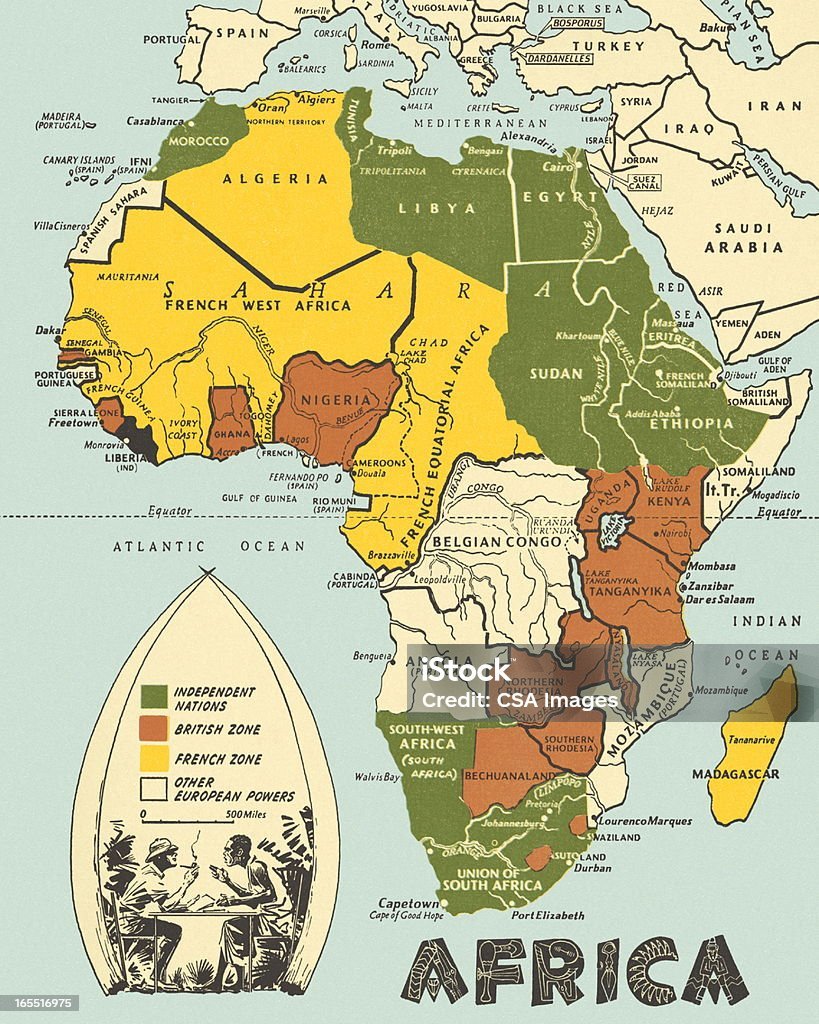
The Extent of Belgian Colonial Rule in Africa
Belgium, a relatively small European nation, maintained direct colonial control over two distinct territories in Africa, which today correspond to three sovereign nations. The primary and most significant Belgian colony was the vast area known as the Congo Free State, later renamed the Belgian Congo, which today is the Democratic Republic of Congo. Additionally, following World War I, Belgium was granted a mandate over Ruanda-Urundi, a territory formerly part of German East Africa, which subsequently gained independence as Rwanda and Burundi. Therefore, when answering the question of how many countries Belgium colonized in Africa, the most accurate count refers to the three modern-day nations that emerged from its colonial administration: the Democratic Republic of Congo, Rwanda, and Burundi.
The Jewel in the Crown: The Congo Free State and Belgian Congo
The story of Belgium’s colonial enterprise in Africa largely begins and centers around the Congo. This vast central African territory, rich in natural resources, was not initially a state-sponsored colony in the traditional sense. Instead, it was the personal fiefdom of King Leopold II of Belgium. From 1885 to 1908, the territory was known as the Congo Free State, a private property under the absolute rule of the king. Under Leopold’s brutal regime, the Congolese population endured horrific atrocities, forced labor, and widespread exploitation, particularly for rubber and ivory. Estimates of deaths due to Leopold's policies range into the millions, a tragic chapter in human history that still resonates today.
International outrage and growing pressure from humanitarian organizations and journalists eventually forced Leopold II to relinquish his personal control. In 1908, the Belgian government officially annexed the territory, transforming it into a formal colony known as the Belgian Congo. While the most egregious abuses of the Free State era were curtailed, the Belgian Congo remained a highly extractive and authoritarian colonial state. The administration focused on economic development, primarily exploiting the region's vast mineral wealth (copper, gold, diamonds, uranium) for Belgium's benefit.
- Geographic Extent: Covering approximately 2.3 million square kilometers, the Belgian Congo was more than 75 times the size of Belgium itself.
- Economic Exploitation: Mining corporations, often with significant Belgian state involvement, dominated the economy. Companies like Union Minière du Haut-Katanga became crucial players in global resource markets.
- Social Engineering: The colonial administration implemented a highly segregated society, with limited opportunities for indigenous Congolese in education, administration, or political participation. Education was largely left to missionary schools.
The Mandate Territory of Ruanda-Urundi
Belgium’s other significant colonial venture in Africa was the territory of Ruanda-Urundi. Unlike the Congo, this territory was not acquired through direct conquest or private enterprise but was a consequence of World War I. Prior to the war, Rwanda and Burundi were part of German East Africa. Following Germany’s defeat, the League of Nations granted Belgium a mandate to administer these territories in 1924, a status later reconfirmed by the United Nations as a trusteeship territory after World War II.
The Belgian administration in Ruanda-Urundi adopted a policy of indirect rule, largely through existing indigenous power structures. However, they significantly exacerbated ethnic divisions, particularly between the Hutu and Tutsi populations, by formalizing and privileging the Tutsi minority. This policy, based on racialized interpretations and physical examinations, sowed seeds of discord that would tragically erupt decades after independence, culminating in the 1994 Rwandan Genocide.
- Administrative Strategy: Belgium relied heavily on the traditional Tutsi monarchies and chiefs, providing them with administrative power and privileges over the Hutu majority.
- Economic Focus: The economy was primarily agricultural, with coffee being a major export crop. Development was limited, and the region remained one of the poorest in Africa.
- Ethnic Divides: The introduction of identity cards classifying individuals as Hutu, Tutsi, or Twa solidified ethnic distinctions and became a foundation for future conflict.
The Motivations and Methods of Belgian Colonialism
Belgian colonialism, particularly in the Congo, was driven by a complex mix of economic ambition, strategic interest, and a veneer of philanthropic mission.
Economic Imperatives
The primary driver was unequivocally economic. King Leopold II saw the Congo as a vast source of raw materials that could enrich him personally and elevate Belgium's standing among European powers. The demand for rubber during the late 19th and early 20th centuries fueled much of the early exploitation in the Congo Free State. Later, under direct Belgian rule, the focus shifted to its immense mineral wealth:
- Copper: The Katanga province was (and remains) one of the world's richest copper belts.
- Cobalt: Essential for industrial uses, particularly in alloys.
- Diamonds: Found in various regions, contributing significantly to colonial revenues.
- Uranium: Crucially, uranium from the Congo was used in the Manhattan Project during World War II, highlighting its global strategic importance.
In Ruanda-Urundi, the economic focus was less on minerals and more on agricultural cash crops, predominantly coffee, cultivated through forced labor and strict quotas imposed on the local population.
Political and Strategic Considerations
For Belgium, a small nation keen to assert its presence on the international stage, colonies offered prestige and influence. Acquiring the Congo gave Belgium a significant territorial footprint globally. The mandate over Ruanda-Urundi further solidified its position among the victorious powers after World War I.
The "Civilizing Mission" and Paternalism
Like other European colonial powers, Belgium justified its rule through the rhetoric of a "civilizing mission." This ideology claimed that Europeans had a duty to bring Christianity, Western education, and "modern" governance to supposedly less developed societies. In practice, this often translated into a highly paternalistic system:
- Limited Education: Education was primarily focused on basic literacy and vocational training, heavily influenced by Catholic missionary orders, designed to create compliant workers rather than educated citizens. Higher education opportunities for Africans were almost non-existent until the very late stages of colonial rule.
- Healthcare: Rudimentary healthcare facilities were established, primarily to maintain a healthy workforce for extractive industries, rather than comprehensive public health initiatives.
- Suppression of Indigenous Culture: Traditional practices and beliefs were often suppressed or reinterpreted through a colonial lens.
The Profound and Enduring Legacy of Belgian Rule
The legacy of Belgian colonialism in the Democratic Republic of Congo, Rwanda, and Burundi is complex, deeply controversial, and continues to shape the political, economic, and social landscapes of these nations today.
Political Instability and Conflict
Perhaps the most tragic legacy is the widespread political instability and conflict that plagued these countries after independence.
- Democratic Republic of Congo: The hasty and ill-prepared decolonization process in 1960 left the newly independent Congo with a severely underdeveloped administration, a highly centralized but weak state structure, and a military prone to mutiny. This immediately led to the Congo Crisis, a protracted period of civil war, secession attempts (e.g., Katanga), and external interventions that saw the assassination of its first democratically elected prime minister, Patrice Lumumba, with accusations of Belgian and Western complicity. Decades of authoritarian rule by Mobutu Sese Seko, supported by Western powers, further entrenched corruption and misgovernance.
- Rwanda and Burundi: In Ruanda-Urundi, Belgium’s policy of exacerbating ethnic divisions between Hutu and Tutsi proved catastrophic. Upon independence in 1962, the power vacuum and existing tensions quickly led to violence. In Rwanda, this culminated in the horrific 1994 Rwandan Genocide, where an estimated 800,000 Tutsi and moderate Hutu were systematically murdered in just 100 days. Burundi has also experienced periods of intense ethnic conflict and civil war.
Economic Underdevelopment and Resource Curse
Despite their immense natural wealth, the former Belgian colonies, particularly the DRC, have struggled with economic development.
- Extractive Economy: Colonial policies established an economy solely geared towards extracting raw materials for export, with little investment in diversified industries or local processing. This created a classic "resource curse," where vast mineral wealth fuels conflict and corruption rather than broad-based development.
- Lack of Infrastructure: Infrastructure development was limited to serving colonial exploitation (e.g., railways connecting mines to ports) rather than fostering integrated national economies or connecting local communities.
- Debt and Dependency: Post-independence, these nations often inherited colonial debts and remained highly dependent on former colonial powers and international institutions.
Social and Cultural Impact
The social fabric of these societies was profoundly altered by colonial rule.
- Erosion of Traditional Structures: Indigenous political systems and social hierarchies were either dismantled or manipulated to serve colonial interests, leading to a loss of traditional governance and identity.
- Racial and Ethnic Stratification: The imposition and hardening of racial and ethnic categories by colonial administrators created divisions that continue to affect inter-group relations.
- Linguistic Legacy: While local languages persist, French remains an official language in all three countries, reflecting the enduring cultural imprint of Belgium.
Decolonization and the Road to Independence
The path to independence for Belgium's African territories was relatively swift but poorly managed, particularly for the Congo.
The Democratic Republic of Congo
In the late 1950s, amidst growing African nationalist movements, Belgium was slow to recognize the inevitable demand for independence in the Congo. When it did, the transition was rushed, with minimal preparation for self-governance.
- 1959 Congo Riots: Widespread unrest, particularly in Léopoldville (Kinshasa), demonstrated the strength of the independence movement.
- Round Table Conference (1960): Belgian authorities, taken by surprise by the speed of events, convened a conference in Brussels where Congolese leaders successfully pushed for immediate independence.
- June 30, 1960: The Belgian Congo gained full independence, becoming the Republic of Congo (later Democratic Republic of Congo). The lack of trained local administrators, doctors, and engineers, coupled with the immediate departure of many Belgians, plunged the new nation into chaos within weeks.
Rwanda and Burundi
The decolonization process for Ruanda-Urundi followed a slightly different trajectory, marked by escalating ethnic tensions.
- "Social Revolution" in Rwanda: In the late 1950s and early 1960s, a Hutu-led "social revolution," often encouraged by Belgian administrators who shifted their support from the Tutsi monarchy, overthrew the Tutsi monarchy and led to significant violence and refugee flows.
- July 1, 1962: Both Rwanda and Burundi gained independence as separate sovereign states. The decision to separate them was partly due to their distinct historical trajectories and the burgeoning ethnic conflicts within each territory.
Recent Reckonings and Belgium's Acknowledgment
In recent years, there has been a significant shift in Belgium's public discourse regarding its colonial past. The country has begun to confront the dark chapters of its rule, particularly in the Congo and Ruanda-Urundi.
- Official Apologies: In 2020, King Philippe of Belgium expressed his "deepest regrets" for the "acts of violence and cruelty" committed during the Congo Free State era. This marked the first time a Belgian monarch acknowledged the atrocities.
- Parliamentary Commission: The Belgian Parliament established a special commission to examine the country's colonial past and its impact, exploring questions of reparations and reconciliation.
- Repatriation of Artifacts: Discussions and actions are underway regarding the restitution of stolen cultural artifacts to the Democratic Republic of Congo.
These steps signify a growing recognition of the profound and often devastating impact of Belgian colonization in Africa and an attempt to grapple with its enduring legacies. While the path to full reconciliation is long, these acknowledgments are crucial for healing and for fostering a more accurate understanding of history.
Conclusion
In summary, Belgium directly colonized two primary territories in Africa which subsequently emerged as three independent nations: the Democratic Republic of Congo (from the Congo Free State and Belgian Congo), and Rwanda and Burundi (from the League of Nations mandate of Ruanda-Urundi). The period of Belgian colonial rule, particularly in the Congo under King Leopold II, was marked by extreme brutality and exploitation, focused on extracting immense natural resources. While later government control brought some reforms, the legacy of Belgian colonization in Africa continues to resonate today, manifesting in political instability, economic underdevelopment, and deep-seated ethnic divisions, especially evident in the tragedies that unfolded in the decades following their hasty decolonization. Understanding this history is crucial for comprehending the contemporary challenges faced by these nations and for Belgium's ongoing efforts to confront its past.
Enjoyed this read?
Share it with your friends and colleagues.