Which Country Has The Best Army In Africa

BSC Insights Admin
October 01, 2026
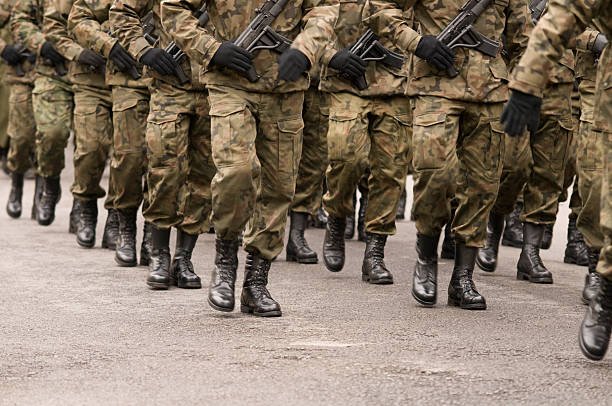
Identifying which country that has the best army in Africa involves a comprehensive look at the Global Firepower index and various geopolitical metrics that measure a nation’s ability to wage conventional warfare. Egypt consistently holds the top position on the continent due to its massive personnel numbers, vast array of modern hardware, and strategic control over vital maritime routes. This dominance is supported by significant annual military aid and a long-standing tradition of military influence within the North African and Middle Eastern regions.
The military landscape across the continent is shaped by varying threats, from domestic insurgencies to regional border disputes, which drive national defense spending. As technology becomes more accessible, several nations are modernizing their fleets and infantry equipment to secure their sovereignty and provide regional stability.
These are the Countries that have the best army in Africa
When assessing the military strength of various nations, analysts look at over sixty individual factors, including the quantity of military units, financial standing, logistical capabilities, and geography. While raw numbers like the total count of tanks or aircraft are important, the ability to maintain and deploy these assets effectively is what truly defines a powerful force. In recent years, there has been a significant shift toward the acquisition of advanced drone technology and cyber-defense capabilities among the continent's leading powers. The following list identifies the nations that currently project the most significant military force, providing a detailed look at their hardware, personnel, and strategic advantages. These rankings reflect the status of these forces as of early 2025, considering recent procurement deals and modernization efforts.
1. Egypt
Egypt is widely recognized as the definitive African country which has the best army, ranking within the top fifteen globally for its sheer scale and diversity of equipment. The Egyptian Armed Forces boast an active personnel count exceeding 440,000, supported by a massive reserve force that can be mobilized in times of national crisis. Their inventory is staggering, featuring over 4,000 main battle tanks, including thousands of American-made M1A1 Abrams and older but modernized Soviet models. The Egyptian Air Force operates a sophisticated fleet of over 1,000 aircraft, with advanced multi-role fighters like the French Rafale, American F-16 Fighting Falcon, and Russian MiG-29M. Additionally, Egypt is the only nation on the continent to operate helicopter carriers, possessing two French-built Mistral-class ships that grant it significant power projection in the Mediterranean and Red Seas. This combination of massive manpower and high-end hardware ensures Egypt remains the primary military hegemon in the region.
2. Algeria
Algeria holds the second position as a country in Africa has the best army, primarily due to its massive defense budget which often exceeds $20 billion annually. This financial might has allowed the People's National Army to acquire some of the most advanced Russian military technology available on the export market. Their ground forces are equipped with hundreds of T-90SA main battle tanks and highly sophisticated S-300 and S-400 air defense systems, making their airspace some of the most protected in the world. The Algerian Air Force is equally formidable, operating Su-30MKA multi-role fighters that provide long-range strike capabilities across the Sahara. Algeria also possesses a modern navy with Kilo-class submarines capable of launching cruise missiles, a rare capability for a continental power. The army is battle-hardened from years of counter-terrorism operations, ensuring that their personnel are both well-trained and experienced in modern asymmetrical warfare.
3. South Africa
South Africa is frequently cited as the most technologically advanced military on the continent, despite having a smaller personnel count than its northern rivals. The South African National Defence Force (SANDF) benefits from a world-class domestic defense industry, led by companies like Denel, which produce high-quality armored vehicles and artillery systems. Their air force operates the Saab Gripen, a highly capable fourth-generation multi-role fighter, and the Rooivalk attack helicopter, which is considered one of the best in its class globally. South Africa’s navy is the most capable in sub-Saharan Africa, maintaining modern frigates and submarines that allow for extensive maritime surveillance and patrol. The SANDF is highly regarded for its leadership in regional peacekeeping missions, frequently deploying to stabilize conflict zones under the African Union banner. While budget constraints have limited some expansion, the quality of training and the sophistication of their home-grown technology keep them at the forefront of African military power.
4. Nigeria
Nigeria possesses a massive military force that has gained extensive combat experience through over a decade of continuous counter-insurgency operations in the northeast. The Nigerian Army is the largest in West Africa, with a focus on mobile infantry and armored reconnaissance to combat non-state actors in diverse terrains. In recent years, the Nigerian Air Force has undergone a significant modernization phase, acquiring JF-17 Thunder multi-role fighters and A-29 Super Tucano light attack aircraft to enhance its precision-strike capabilities. Nigeria also maintains a capable navy that is tasked with securing the Gulf of Guinea, a region critical for global oil supplies and prone to maritime piracy. The nation’s demographic weight allows for a near-limitless supply of manpower, and recent investments in Chinese and Turkish drone technology have revolutionized their surveillance and strike operations. Despite internal security challenges, Nigeria remains the primary military stabilizer in the West African sub-region.
5. Ethiopia
Ethiopia has a legendary military tradition, having successfully defended its sovereignty against colonial powers in the nineteenth century, and today it maintains one of the largest standing armies in East Africa. The Ethiopian National Defense Force (ENDF) is known for its discipline and its ability to conduct large-scale conventional operations as well as complex counter-insurgency missions. Their ground forces are equipped with a substantial number of T-72 tanks and self-propelled artillery, while the air force operates Su-27 and Su-25 aircraft. Ethiopia has recently emerged as a regional leader in drone warfare, utilizing Turkish TB2 and Iranian Mohajer-6 drones to devastating effect in recent internal and border conflicts. The ENDF is a major contributor to international peacekeeping, particularly in neighboring Somalia, where its troops have played a vital role in regional security for decades. The nation’s strategic depth and the warrior culture of its population ensure it remains a formidable military power in the Horn of Africa.
6. Morocco
Morocco has spent the last decade aggressively modernizing its military through a strategic partnership with the United States and other Western allies. The Royal Moroccan Army is equipped with hundreds of M1A2 SEPv3 Abrams tanks, making it one of the few nations outside of NATO to operate the latest version of this vehicle. Their air force is centered around a fleet of modernized F-16 Fighting Falcons, which are currently being upgraded to the Viper standard with advanced AESA radars. Morocco also possesses a capable navy with modern SIGMA-class frigates that ensure control over its extensive Atlantic and Mediterranean coastlines. The military is highly professional and benefits from frequent joint exercises with American and European forces, including the annual "African Lion" maneuvers. With a focus on high-tech surveillance and integrated command systems, Morocco has established itself as a top-tier military power in North Africa.
7. Angola
Angola retains one of the most powerful and well-equipped militaries in Southern Africa, a legacy of its long civil war and subsequent resource-driven build-up. The Angolan Armed Forces (FAA) possess a massive inventory of heavy armor, including hundreds of T-72 and T-55 tanks that are well-maintained and regularly updated. Their air force is among the most capable in the region, operating Su-30KN and Su-27 multi-role fighters that provide significant air superiority. Angola has also invested in modernizing its air defense networks with Russian systems to protect its vital oil and diamond infrastructure. The FAA is known for its organizational discipline and its ability to project power into neighboring Central African nations when required for regional stability. As the nation seeks to diversify its economy, the military remains a central pillar of national identity and a key player in the Portuguese-speaking African community.
8. Tunisia
Tunisia may have a smaller total force compared to its neighbors, but it has developed one of the most effective and professional counter-terrorism forces on the continent. The Tunisian Armed Forces have undergone rapid modernization following the regional instability of the early 2010s, with a heavy focus on border security and rapid response. They have received significant assistance from the United States and France, including helicopters, night-vision equipment, and specialized training for their elite units. Tunisia’s air force operates F-5 Tiger II fighters and various transport aircraft that are essential for patrolling the rugged terrain along its borders with Libya and Algeria. The military is highly respected for its non-political stance and its commitment to defending the constitutional order of the republic. This professional focus and specialized capability make Tunisia a critical partner in Mediterranean security and a significant military actor in North Africa.
9. Libya
While the Libyan military has been fragmented by years of internal conflict, the total volume of hardware and the number of trained personnel remaining in the country still place it among the top forces on the continent. Both major factions in the country operate significant numbers of tanks, armored vehicles, and fighter aircraft, often supplied or maintained by foreign sponsors. The legacy of the massive military build-up during the previous regime means that Libya remains a highly militarized environment with vast stockpiles of weaponry. Large numbers of MiG-23 and Su-22 aircraft are still in service, along with various modern drone systems that have been introduced into the conflict. As the nation moves toward a unified military structure, the combined potential of its personnel and hardware is immense. Libya’s strategic location and its vast coastline ensure that whoever controls its military will hold a dominant position in the security architecture of the Mediterranean and the Sahara.
10. Kenya
Kenya possesses a highly professional and well-regarded military known as the Kenya Defence Forces (KDF), which is considered the most stable force in East Africa. The KDF has gained significant combat experience through its long-term deployment in Somalia under the AMISOM and ATMIS mandates, where it has successfully conducted complex urban and rural operations. Their equipment includes modern armored personnel carriers, specialized transport helicopters, and F-5 fighter jets that are used for regional surveillance and air defense. Kenya is a key security partner for the United States and the United Kingdom, receiving advanced training in counter-terrorism and maritime security. The Kenyan Navy is one of the most active in the region, protecting the port of Mombasa and patrolling the Indian Ocean against piracy and illegal trafficking. The KDF’s focus on institutional professionalism and its role as a regional peacekeeper make it a vital component of the East African security landscape.
| Country | Active Personnel | Main Battle Tanks | Total Aircraft |
|---|---|---|---|
| Egypt | 440,000 | 4,664 | 1,080 |
| Algeria | 130,000 | 1,700 | 547 |
| Nigeria | 135,000 | 253 | 144 |
| Morocco | 195,000 | 1,764 | 255 |
| Ethiopia | 150,000 | 465 | 92 |
Reasons Why These Countries Have Strong Militaries in Africa
1. Large National Defense Budgets: One of the primary reasons African countries that has the best army rankings are dominated by nations like Algeria and Egypt is their massive financial commitment to defense. These nations allocate a significant portion of their GDP to military spending, allowing them to purchase the latest technology and maintain large standing forces. A high budget ensures that equipment is not just bought, but also regularly serviced, and that personnel receive consistent training and competitive salaries. Without this financial foundation, it would be impossible for any nation to sustain the complex logistics required for a modern military force.
2. Strategic Geopolitical Location: Many of the top military powers in Africa occupy locations that are vital to global trade and security, forcing them to maintain strong defenses. Egypt’s control of the Suez Canal and Morocco’s position at the mouth of the Mediterranean require a high level of naval and aerial readiness to protect these international corridors. Similarly, Nigeria’s role as the dominant power in West Africa and Ethiopia’s position in the Horn of Africa necessitate a strong military presence to manage regional instability. Geography often dictates a nation's defense priorities, leading to the development of specialized naval or mountain infantry units.
3. Foreign Military Aid and Partnerships: Significant military strength on the continent is often bolstered by deep-seated alliances with global superpowers like the United States, Russia, and China. African country which has the best army status is often maintained through these partnerships, which provide access to hardware and intelligence that would otherwise be unavailable. For example, Egypt receives billions in military aid from the US, while Algeria and Ethiopia have long-standing ties with Russia for advanced missile and jet technology. These relationships often include joint training programs that help elevate local forces to international standards of professionalism and tactical proficiency.
4. Domestic Defense Manufacturing: The ability to produce weapons locally is a major factor in the resilience and power of an African military. South Africa and Egypt lead the way in this regard, with domestic industries capable of manufacturing everything from armored vehicles and drones to small arms and ammunition. This self-reliance ensures that the military can remain operational even during international arms embargoes or supply chain disruptions. Furthermore, domestic manufacturing allows for the customization of hardware to suit the specific environmental conditions of the continent, such as extreme heat or desert sand, which can often hamper the performance of imported machinery.
5. Extensive Combat Experience: Conventional strength is only one part of the equation; the "best" army is often the one that has been tested in actual conflict. African countries that has the best army reputations are frequently built in the heat of battle, such as Nigeria’s fight against Boko Haram or Ethiopia’s regional interventions. Combat experience allows for the testing of command structures, the refinement of tactics, and the development of a battle-hardened officer corps. Soldiers who have faced real-world threats are generally more effective and resilient than those who only participate in training exercises, making experience a critical metric of military power.
6. Access to Modern Technology and Drones: The recent "drone revolution" has allowed several African nations to rapidly increase their military effectiveness without the massive cost of traditional air forces. Countries like Ethiopia, Nigeria, and Morocco have integrated Turkish and Chinese drones into their arsenals, allowing for persistent surveillance and precision strikes against both conventional and insurgent targets. This technological leapfrogging allows these nations to monitor vast border areas and conduct operations with minimal risk to their own personnel. The integration of modern electronic warfare and cyber-defense systems is now a key priority for the top-ranking militaries, reflecting the changing nature of 21st-century warfare.
Conclusion
In summary, while several nations possess specialized capabilities, Egypt remains the specific country in Africa has the best army due to its unparalleled combination of manpower, modern hardware, and strategic geographic importance. However, the rapid modernization of Morocco and the technological sophistication of South Africa demonstrate that military power on the continent is becoming increasingly diverse and high-tech. As regional security challenges evolve, these top-tier militaries will continue to play a crucial role in maintaining stability and protecting the economic interests of the African people. The strength of an army is ultimately measured not just by its weapons, but by its ability to provide a secure environment for national development and peace. Understanding which country that has the best army in Africa is essential for anyone following the geopolitical trends and security dynamics of this rapidly changing continent.
Enjoyed this read?
Share it with your friends and colleagues.