Which Country Has The Best Army In East Africa

BSC Insights Admin
October 01, 2026
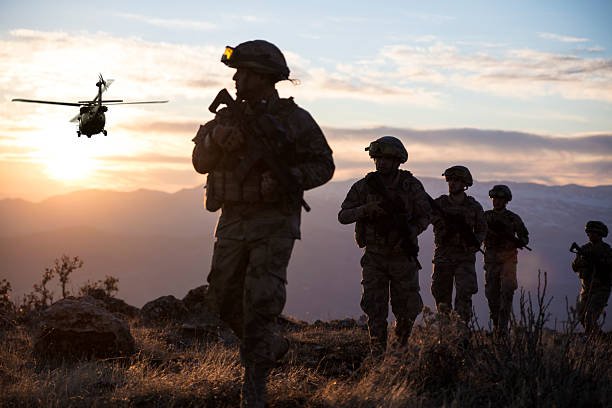
Determining which country that has the best army in East Africa involves a careful analysis of military hardware, personnel training, and the ability to project power across borders. Ethiopia currently holds the top position in most regional rankings due to its massive standing army and its rapid modernization of aerial drone technology. This military dominance is supported by a long history of independent warfare and significant contributions to continental peacekeeping missions.
The security landscape in this part of the world is shaped by diverse threats ranging from insurgencies to maritime piracy. As nations in the region increase their defense spending, the competition for military superiority has led to significant upgrades in infantry equipment and naval capabilities.
These are the Countries that have the best army in East Africa
When assessing military strength, analysts look at various factors including total manpower, the sophistication of air and land assets, and the strategic positioning of the forces. The eastern part of the continent has become a hub for military development, with several nations hosting foreign bases and investing in domestic defense industries. This focus on security is driven by the need to stabilize the Horn of Africa and the Great Lakes region while protecting vital trade routes along the Red Sea and the Indian Ocean. Below is a detailed look at the nations that currently lead the way in military power within the sub-region. We will examine their specific strengths and the factors that contribute to their high rankings in the Global Firepower index and other regional assessments.
1. Ethiopia
Ethiopia is widely recognized as the definitive African country which has the best army in East Africa, maintaining a massive force known as the Ethiopian National Defense Force. With an active personnel count exceeding 150,000, the ENDF is a battle-hardened organization with extensive experience in conventional and asymmetrical warfare. In recent years, Ethiopia has significantly enhanced its capabilities by acquiring advanced Turkish Bayraktar TB2 and Chinese-made drones, which have revolutionized its surveillance and strike operations. The Ethiopian Air Force also operates a fleet of Su-27 and MiG-23 fighter jets, providing it with a level of air superiority that few neighbors can challenge. Historically, Ethiopia’s military has been a source of national pride, especially after its victory at the Battle of Adwa, and it continues to be a primary contributor to African Union peacekeeping missions in Somalia. This combination of traditional manpower and modern technology ensures its place at the top of the regional hierarchy.
2. Kenya
Kenya possesses a highly professional and well-equipped military known as the Kenya Defence Forces, which is often cited as the most technologically advanced in the region. The KDF has transitioned from a purely defensive force to an interventionist power, particularly through its long-standing operations in Somalia to combat Al-Shabaab. Kenya’s military budget is among the highest in East Africa, allowing it to purchase modern hardware such as MD 530F Cayuse Warrior attack helicopters and armored personnel carriers from diverse global suppliers. The KDF maintains strong training partnerships with the United Kingdom and the United States, ensuring that its personnel are trained to international standards in counter-terrorism and maritime security. Kenya’s navy is also a significant force, patrolling the Indian Ocean to protect the vital port of Mombasa and deter piracy. While its total personnel count is smaller than Ethiopia’s, the quality of its training and the sophistication of its gear make it a formidable country in Africa has the best army in East Africa status contender.
3. Uganda
Uganda has developed one of the most active and interventionist militaries on the continent, the Uganda People's Defence Force, which has been involved in multiple regional conflicts. The UPDF is particularly known for its central role in the African Union mission in Somalia, where its troops have gained invaluable urban combat experience. Uganda’s air force has been modernized with Russian-made Sukhoi Su-30MK2 multi-role fighters, giving it a high-altitude strike capability that provides a significant deterrent in the Great Lakes region. The military is a cornerstone of the Ugandan state, and its special forces units are considered some of the best trained in sub-Saharan Africa. Uganda has also invested in a domestic defense industry, the Luwero Industries, which manufactures and repairs a variety of military equipment including ammunition and armored vehicles. This self-reliance in maintenance and logistics provides the UPDF with a strategic advantage in sustaining long-term regional deployments.
4. Tanzania
Tanzania maintains a highly disciplined and professional military known as the Tanzania People's Defence Force, which focuses on territorial integrity and peacekeeping. The TPDF has a legendary reputation in the region for its successful intervention in the 1970s to overthrow the regime of Idi Amin in Uganda, proving its capability in large-scale conventional warfare. Tanzania’s military hardware is a diverse mix of Chinese, Russian, and Western equipment, including Type 59 tanks and various anti-aircraft systems designed to protect its vast landmass. Unlike some of its neighbors, Tanzania has avoided internal military strife, which has allowed the TPDF to maintain a consistent focus on professional development and regional stability. The Tanzanian navy is also becoming more active, with new patrol boats aimed at securing its long coastline against illegal fishing and smuggling. Their military philosophy emphasizes non-interference, but their large reserve force ensures they remain a major weight in the regional balance of power.
5. Rwanda
Rwanda has gained international acclaim for having one of the most efficient, disciplined, and effective militaries on the continent, despite the nation’s relatively small size. The Rwanda Defence Force is characterized by a high degree of organizational excellence and has successfully conducted missions in Mozambique and the Central African Republic. Rwandan soldiers are known for their exceptional discipline and their ability to secure large areas with relatively small numbers of personnel, often outperforming much larger forces. The RDF is a major contributor to UN peacekeeping missions, and its elite units are equipped with modern small arms and high-tech communication systems. Rwanda’s proactive approach to security involves neutralizing threats before they reach its borders, a strategy that has made it a preferred security partner for many African governments. Their success in the Cabo Delgado region of Mozambique is a prime example of their operational effectiveness and technical proficiency.
6. Sudan
Sudan traditionally possesses one of the largest and most heavily armed militaries in East Africa, with a massive inventory of tanks and heavy artillery. The Sudanese Armed Forces have historically operated a significant domestic defense manufacturing sector, the Military Industry Corporation, which produces its own armored vehicles and ammunition. The SAF inventory includes hundreds of T-72 and T-55 tanks, along with a capable air force featuring MiG-29 and Su-25 ground-attack aircraft. Sudan’s military strength is derived from decades of experience in both conventional and unconventional conflicts across its vast desert and savanna terrains. While current internal power struggles have affected its overall cohesion, the raw firepower and technical assets controlled by the SAF remain among the highest in the region. The strategic location of Sudan between the Red Sea and the Sahel ensures that its military strength remains a vital factor in the security of the entire eastern sub-region.
7. Eritrea
Eritrea is often described as a highly militarized society where a large portion of the population is ready for mobilization through a system of national service. The Eritrean Defence Forces are focused primarily on territorial defense and maintaining a strong border posture, particularly along its sensitive frontier with Ethiopia. Despite its small population, Eritrea can field a massive infantry force that is known for its resilience and ability to operate in rugged, mountainous terrain. The EDF’s equipment is largely composed of older Soviet-era hardware, but they have shown a remarkable ability to maintain and adapt these systems for modern defensive needs. The Eritrean military culture is one of extreme self-reliance and secrecy, which makes it a difficult force for outsiders to assess accurately, yet its defensive capabilities are undeniable. Their participation in regional conflicts has shown that they can deploy effective and disciplined units that prioritize national sovereignty above all else.
8. Somalia
Somalia is currently in the process of rebuilding its national military, the Somali National Army, with significant assistance from international partners such as Turkey, the US, and the UK. The development of elite units like the Danab Brigade has provided the SNA with a highly capable force specialized in counter-terrorism and rapid response. Turkey has established a major military training facility in Mogadishu, known as TURKSOM, which has produced a new generation of well-equipped and professionally trained Somali officers. While the SNA still relies on regional support for large-scale security, its ability to retake and hold territory from insurgents is growing every year. The rebuilding of the Somali air force and navy is also underway, aimed at securing the nation’s long coastline and protecting its maritime resources. Somalia is a rising African countries that have the best army in East Africa contender as it gradually takes over the full responsibility for its national security from international peacekeepers.
9. South Sudan
South Sudan’s military, the South Sudan People's Defence Forces, consists of a massive pool of veteran fighters who spent decades engaged in a war for independence. This provides the SSPDF with an infantry force that is uniquely experienced in bush warfare and unconventional tactics. The government has invested heavily in armored capabilities, purchasing dozens of T-72 tanks and self-propelled guns to bolster its conventional strength along its northern borders. While the process of integrating various former rebel groups into a unified command has been challenging, the sheer number of armed personnel makes South Sudan a significant military factor in the region. The SSPDF receives a major portion of the national budget, and efforts are ongoing to professionalize the officer corps and improve logistical networks. Their knowledge of the difficult swampy and forested terrains of the Sudd region gives them a home-field advantage that is difficult for any external force to match.
10. Djibouti
Djibouti may have the smallest military in terms of personnel, but it is one of the most strategically significant African countries that have the best army in East Africa due to its role as a global military hub. The Djiboutian Armed Forces operate in an environment where they have daily interaction with the world’s most advanced militaries, including those of the US, China, and France, who all host bases in the country. This exposure provides the Djiboutian military with access to high-level training and advanced surveillance technology that its neighbors might lack. Their focus is primarily on border security and maintaining the stability of a nation that serves as the gateway to the Red Sea. Djibouti’s navy and coast guard are particularly important, working alongside international task forces to secure one of the world’s busiest shipping lanes. While they do not seek to project power through large-scale infantry, their technical expertise and strategic partnerships grant them influence far beyond their size.
Reasons Why These Countries Have Best Armies in East Africa
1. Intense Regional Security Threats: One of the primary reasons several countries in Africa that have the best army in East Africa have invested so heavily in their defense is the persistent threat of extremist groups. Al-Shabaab in Somalia has forced nations like Kenya, Ethiopia, and Uganda to modernize their forces to protect their own borders and participate in regional stabilization missions. This constant state of readiness has led to a professionalization of the troops and a continuous upgrade of equipment to handle asymmetrical warfare. Without a strong and active military, these nations would face significant threats to their internal stability and economic growth, making defense a top national priority.
2. Access to Advanced Drone Technology: The recent "drone revolution" has allowed East African nations to rapidly increase their military effectiveness without the massive cost of traditional manned air forces. Ethiopia has been a leader in this regard, utilizing Turkish and Chinese drones to gather intelligence and conduct precision strikes during internal and border conflicts. This technology allows for 24-hour surveillance of remote border areas and provides a decisive edge on the modern battlefield. As more nations in the region acquire these systems, the traditional balance of power is shifting toward those who can most effectively integrate unmanned technology into their existing command structures.
3. Significant Foreign Military Aid and Training: The strategic importance of the Horn of Africa as a gateway to the Red Sea and the Middle East has attracted massive interest from global superpowers. Egypt, Ethiopia, and Kenya receive billions of dollars in military aid, hardware, and training from the United States, Russia, China, and Turkey. This support includes everything from advanced fighter jets and tanks to specialized training for elite counter-terrorism units. These international partnerships allow East African militaries to stay updated on the latest tactical developments and access hardware that would otherwise be far too expensive for their domestic budgets to afford.
4. Geopolitical Influence and Water Security: For nations in the Nile Basin, military strength is often seen as the ultimate tool for protecting vital water resources. Ethiopia and Egypt have both utilized their military posture to signal their commitment to their respective rights over the Nile River, particularly in relation to the Grand Ethiopian Renaissance Dam. This "sabre-rattling" necessitates the maintenance of large standing armies and sophisticated air forces capable of long-range strikes. When a nation's very survival is perceived to be linked to a specific resource, the military becomes the primary guardian of that resource, leading to consistent and heavy investment in defense capabilities.
5. Domestic Defense Industry Development: Some nations have moved toward military self-reliance by building their own factories to produce ammunition, small arms, and armored vehicles. Sudan and Uganda are prime examples, having established industrial complexes that reduce their dependence on foreign suppliers during times of international sanctions or supply chain disruptions. This domestic manufacturing capability allows for the customization of equipment to suit the specific dusty and harsh environments of East Africa. By producing their own hardware, these nations can sustain long-term military operations more cheaply than those that must import every bullet and spare part from overseas.
6. Participation in Continental Peacekeeping: Being a major contributor to African Union and UN peacekeeping missions provides national militaries with valuable combat experience and international funding. Nations like Rwanda and Ethiopia use these missions to expose their soldiers to international standards of conduct and to test their logistical systems in foreign environments. This experience is a force multiplier, as returning peacekeepers bring back advanced skills in engineering, medicine, and tactical communication to their home units. Peacekeeping also enhances a nation’s diplomatic standing, allowing it to exert "soft power" alongside its traditional military strength to influence regional policy and security decisions.
Conclusion
In summary, Ethiopia remains the definitive answer to which country that has the best army in East Africa, leading a pack of nations that are rapidly modernizing to face modern security challenges. While Kenya and Uganda follow closely with their specialized units and professional training, the regional balance of power is increasingly defined by the integration of high-tech surveillance and drone technology. As the sub-region continues to navigate the complexities of water rights and extremism, these militaries will remain the ultimate guarantors of national sovereignty and regional peace. The continuous investment in both human capital and modern hardware ensures that East Africa remains one of the most militarily active and capable regions on the entire continent. Ultimately, the country in Africa has the best army in East Africa will be the one that can most effectively adapt to the changing nature of 21st-century warfare.
Enjoyed this read?
Share it with your friends and colleagues.