Which Is The Best Country To Visit In Africa

BSC Insights Admin
October 01, 2026
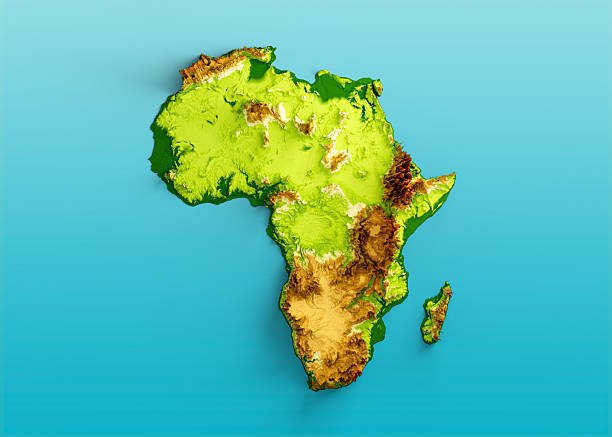
South Africa is frequently cited as the best country to visit in Africa because it offers a perfect combination of world class infrastructure, diverse safari opportunities, and vibrant urban culture. This destination caters to a wide spectrum of travelers, ranging from luxury seekers who enjoy the vineyards of Stellenbosch to adventurers looking for the Big Five in the Kruger National Park. With its unique historical narrative and stunning coastal scenery, it provides an accessible yet deeply authentic introduction to the wonders of the southern part of the continent.
Choosing the ideal destination on such a vast and varied continent requires a deep understanding of what each region offers in terms of landscape, history, and seasonal events. The following analysis explores the top nations that define the modern African travel experience for international tourists today.
These are the Countries that showcase Which Is The Best Country To Visit In Africa
To identify the premier travel destinations, we must look at a variety of factors including safety, ease of access, natural wonders, and the depth of cultural engagement available to visitors. The continent is undergoing a tourism renaissance, with many nations investing heavily in eco tourism and sustainable travel to protect their unique heritage while welcoming the world. The following list features the most prominent nations for tourism, providing a detailed overview of what makes each of them a top contender for the title of the greatest place to explore. By examining these African countries that are the best country to visit, you can plan a journey that matches your specific interests, whether they involve ancient ruins, tropical beaches, or vast savanna plains.
1. South Africa
South Africa is often at the top of the list when travelers ask which country that is the best country to visit in Africa because it offers a "world in one country" experience. You can start your journey in Cape Town, where the iconic Table Mountain provides a dramatic backdrop to a city filled with gourmet restaurants, historical sites like Robben Island, and the beautiful Kirstenbosch National Botanical Garden. Just a few hours away, the Garden Route offers one of the most scenic coastal drives on earth, leading to pristine beaches and charming seaside towns. For wildlife enthusiasts, the Kruger National Park is a global leader in conservation and provides some of the most reliable sightings of lions, leopards, rhinos, elephants, and buffalo in their natural habitat. The country also boasts a world renowned wine industry centered in Franschhoek and Stellenbosch, where visitors can enjoy tastings in historic Cape Dutch estates. Additionally, the infrastructure in South Africa is among the most developed on the continent, making it easy to rent a car or find high quality domestic flights between major hubs. This African country which is the best country to visit for first timers remains a perennial favorite due to its sheer diversity and established tourism sector.
2. Kenya
Kenya is the historical home of the safari and remains a primary destination for those seeking the quintessential African wilderness experience. The Maasai Mara National Reserve is world famous for the Great Migration, where over two million wildebeests and zebras cross the Mara River between July and October in a spectacular display of nature. Beyond the Mara, Amboseli National Park offers the most breathtaking views of Mount Kilimanjaro, providing a perfect frame for herds of large tusked elephants. Kenya has also seen a rise in its urban tourism, with Nairobi becoming a vibrant hub for tech and art, featuring unique attractions like the Giraffe Centre and the David Sheldrick Wildlife Trust. For those who want to end their safari with a beach retreat, the Diani Beach on the coast offers white sands and turquoise waters that rival any tropical paradise. The country has made significant strides in sustainable tourism, with many community owned conservancies allowing visitors to interact with the Maasai people in a respectful and meaningful way. As a country in Africa best to visit for wildlife photography, Kenya continues to set the gold standard for conservation and hospitality.
3. Egypt
Egypt is a destination that transcends time, offering a window into one of the most influential ancient civilizations in human history. The Great Pyramids of Giza and the Great Sphinx are monuments that every traveler recognizes, but the depth of Egyptian history goes far beyond these iconic structures. In Luxor, the Valley of the Kings and the Karnak Temple Complex provide a stunning look at the architectural and artistic mastery of the pharaohs. A cruise along the Nile River remains one of the most relaxing and historically rich ways to see the country, passing by ancient temples and rural villages that have remained largely unchanged for centuries. Egypt is also a premier destination for divers and beach lovers, with the Red Sea resorts of Sharm El-Sheikh and Hurghada offering some of the best coral reefs and marine life in the world. The recently opened Grand Egyptian Museum in Cairo is now home to the world's largest collection of Egyptian antiquities, including the full treasures of King Tutankhamun. The blend of desert mystery, riverine life, and coastal luxury makes Egypt an essential stop for anyone interested in the roots of modern society.
4. Morocco
Morocco offers a sensory explosion of color, sound, and scent that makes it one of the most culturally immersive African countries that are the best country to visit. The medina of Marrakech is a labyrinth of narrow alleys filled with bustling souks selling spices, textiles, and intricate lanterns, all centering around the famous Jemaa el-Fnaa square. In the north, the "Blue City" of Chefchaouen provides a photographer's dream with its azure washed buildings nestled in the Rif Mountains. Travelers can also trek into the High Atlas Mountains to visit Berber villages or take a camel trek into the Sahara Desert to spend a night under the stars in a traditional luxury camp. Fes, the cultural capital, is home to the world's oldest continuously operating university and a medina that is a UNESCO World Heritage site. Morocco is also known for its exquisite cuisine, with tagines and couscous being staples that visitors can learn to cook in various culinary workshops. Its proximity to Europe and its unique blend of Arab, Berber, and French influences make it a sophisticated and accessible destination for international travelers.
5. Tanzania
Tanzania is a land of extremes, housing the highest peak in Africa, Mount Kilimanjaro, and the vast plains of the Serengeti. Kilimanjaro attracts thousands of hikers every year who seek to stand at its 5,895 meter summit, which is a life changing achievement for many. The Serengeti National Park provides a year round safari experience that is virtually unmatched, especially during the calving season when thousands of young animals are born on the southern plains. The Ngorongoro Crater, a collapsed caldera, creates a natural enclosure for a dense population of wildlife, including the rare black rhino, in a setting that feels like a prehistoric world. After the dust of the savanna, the island of Zanzibar offers a perfect escape with its historic Stone Town and pristine beaches like Nungwi and Kendwa. Zanzibar is also known as the Spice Island, and tours of its plantations offer a fascinating look at the production of cloves, nutmeg, and cinnamon. Tanzania's combination of epic mountains, vast plains, and tropical islands ensures that every traveler leaves with a sense of wonder.
6. Mauritius
Mauritius is an island nation that has perfected the art of luxury tourism, making it a top choice for honeymooners and families alike. This volcanic island is surrounded by a massive coral reef that protects its turquoise lagoons, creating safe and calm waters for snorkeling, kite surfing, and sailing. Beyond the beaches, the island features a lush interior with attractions like the Black River Gorges National Park and the Seven Coloured Earths of Chamarel. Mauritius is a multicultural melting pot, and its cuisine and festivals reflect a unique blend of Indian, African, Chinese, and French influences. The capital, Port Louis, offers a vibrant waterfront and historic markets where you can sample local street food like dholl puri. Many of the island's resorts are world class, offering extensive spa facilities, golf courses, and kids' clubs to ensure a stress free vacation. Its stable political climate and high safety standards make it one of the most relaxing destinations in the entire African region.
7. Rwanda
Rwanda has become a global leader in eco tourism and is most famous for its life changing gorilla trekking experiences in Volcanoes National Park. Watching a family of mountain gorillas in their natural habitat is a privileged experience that is strictly managed to ensure the protection of these endangered primates. Beyond the gorillas, Rwanda is known as the "Land of a Thousand Hills" for its stunning mountainous scenery and lush green landscapes. The capital, Kigali, is frequently cited as the cleanest and safest city in Africa, with a vibrant food scene and moving memorials like the Kigali Genocide Memorial. In the east, Akagera National Park offers a traditional savanna safari experience where you can see lions, rhinos, and elephants in a beautiful lakeside setting. Lake Kivu provides a tranquil retreat with its resort towns and opportunities for kayaking and boat tours among its many islands. Rwanda's commitment to sustainability and conservation has made it a top choice for conscious travelers looking for high impact, low volume tourism.
8. Namibia
Namibia offers some of the most dramatic and otherworldly landscapes on the planet, characterized by its vast deserts and rugged coastline. The Sossusvlei area in the Namib Desert features towering orange sand dunes that are among the highest in the world, with the white clay pan of Deadvlei providing a hauntingly beautiful contrast. To the north, Etosha National Park is one of Africa's great wildlife sanctuaries, where animals congregate around massive salt pans and waterholes, making for excellent viewing during the dry season. The Skeleton Coast is a mist shrouded region where the desert meets the Atlantic Ocean, littered with shipwrecks and home to large seal colonies. Swakopmund, a coastal town with German colonial architecture, serves as a hub for adventure activities like sandboarding, skydiving, and quad biking. Namibia is also one of the best places in the world for stargazing due to its clear skies and lack of light pollution in its many remote areas. The sense of space and solitude in Namibia is profound, making it a perfect destination for those looking to escape the crowds.
9. Seychelles
The Seychelles is an archipelago of 115 islands in the Indian Ocean that represents the ultimate "bucket list" tropical paradise. Many of its beaches, such as Anse Source d’Argent on the island of La Digue, are frequently voted as the most beautiful in the world due to their unique granite boulders and powdery white sand. The islands are a haven for biodiversity, hosting rare species like the giant Aldabra tortoise and the unique Coco de Mer palm. Seychelles is a leader in marine conservation, and its numerous marine parks offer world class diving and snorkeling in waters teeming with colorful fish and turtles. The main island of Mahé features the charming capital of Victoria and a mountainous interior with hiking trails that lead to panoramic ocean views. Praslin Island is home to the Vallée de Mai, a UNESCO World Heritage site that feels like a prehistoric forest. The exclusivity and privacy offered by the many private island resorts make Seychelles a top choice for those seeking a truly secluded and luxurious getaway.
10. Botswana
Botswana is famous for its "low volume, high value" tourism model, which ensures that its pristine wilderness areas like the Okavango Delta remain exclusive and undisturbed. The Okavango Delta is a unique inland delta that floods seasonally, creating a labyrinth of lagoons and channels that you can explore by traditional mokoro canoe. This water based safari offers a quiet and intimate way to see hippos, crocodiles, and an incredible array of birdlife. To the north, Chobe National Park is home to one of the largest concentrations of elephants in Africa, and a sunset boat cruise on the Chobe River provides spectacular views of these giants bathing. The Makgadikgadi Pans offer a completely different experience, with vast salt crusts that transform into a hub for zebra migrations and meerkat colonies after the rains. Botswana's commitment to conservation is so strong that the government has a long standing ban on commercial trophy hunting, focusing instead on photographic tourism. This African country which is the best country to visit for true wilderness purists offers some of the most remote and luxurious camps on the continent.
11. Ethiopia
Ethiopia is a destination for the culturally curious, offering a history and landscape that are unlike anywhere else in Africa. The rock hewn churches of Lalibela, carved directly into the earth in the 12th century, remain active sites of pilgrimage and are a marvel of ancient engineering. In the north, the Simien Mountains National Park features dramatic jagged peaks and deep valleys, home to the endemic Gelada monkeys and Walia ibex. Ethiopia is also the birthplace of coffee, and participating in a traditional coffee ceremony in Addis Ababa is a must for any visitor. The Omo Valley in the south is home to diverse ethnic groups with unique traditions and body art, providing a window into some of the most ancient cultures on the continent. The nation's capital, Addis Ababa, is a bustling diplomatic center with excellent museums, including the National Museum where you can see the 3.2 million year old fossil of "Lucy." The unique calendar, alphabet, and cuisine of Ethiopia make it a deeply fascinating and rewarding place to explore for those who want to go off the beaten path.
12. Ghana
Ghana has become a major center for heritage tourism, particularly for the African diaspora looking to reconnect with their ancestral roots. The Cape Coast and Elmina Castles are somber but essential sites that tell the story of the transatlantic slave trade and the "Door of No Return." Beyond its history, Ghana is known for its incredible hospitality and the vibrant energy of its capital city, Accra, which has a thriving nightlife and arts scene. Travelers can explore the lush Kakum National Park, where a canopy walkway high above the rainforest floor offers a bird's eye view of the diverse ecosystem. In the north, Mole National Park provides an affordable safari experience where you can see elephants on foot with trained guides. Ghana is also famous for its kente cloth and traditional festivals, where the colorful culture and music of the Ashanti people are on full display. As a stable and safe democracy, Ghana is an excellent introduction to West Africa for international tourists.
13. Zambia
Zambia is the adventure capital of the region, primarily due to its shared claim of the Victoria Falls, one of the seven natural wonders of the world. Livingstone, the town adjacent to the falls, offers everything from white water rafting on the Zambezi to bungee jumping and scenic helicopter flights. For wildlife lovers, South Luangwa National Park is the birthplace of the "walking safari," an experience that allows you to connect with nature on a much deeper level than from the back of a vehicle. This park is particularly famous for its high density of leopards and its incredible diversity of bird species. Lower Zambezi National Park offers a different perspective, with canoe safaris that allow you to glide past elephants and buffaloes drinking at the river's edge. Zambia remains less crowded than some of its neighbors, providing a sense of authentic adventure and raw wilderness that is increasingly hard to find. The friendliness of the Zambian people and the high standard of guiding make it a top tier destination for serious safari enthusiasts.
14. Tunisia
Tunisia offers a stunning blend of Mediterranean beauty and Saharan mystery, making it a diverse and affordable destination in North Africa. The ruins of ancient Carthage and the incredibly well preserved Roman amphitheater at El Djem are highlights for any history buff. The blue and white village of Sidi Bou Said, perched on a cliff overlooking the sea, is one of the most picturesque towns in the Mediterranean. To the south, the Sahara Desert beckons with its sand dunes and the unique troglodyte dwellings of Matmata, which famously served as a filming location for Star Wars. Tunisia's Mediterranean coast is lined with beautiful beach resorts and historic medinas, such as the ones in Sousse and Hammamet, where you can haggle for traditional ceramics and textiles. The country's small size makes it easy to see a variety of landscapes in a short amount of time, from olive groves and pine forests to the dry salt pans of Chott el Djerid. Tunisia is a perfect choice for those who want to combine a beach holiday with significant historical and cultural exploration.
15. Senegal
Senegal is a vibrant West African nation known for its deep musical heritage, colorful markets, and its role as a bridge between the Francophone world and Africa. The capital, Dakar, is a bustling peninsula city with a thriving arts scene and the famous African Renaissance Monument that towers over the landscape. Just off the coast of Dakar lies Gorée Island, a peaceful car free island that serves as a moving memorial to the slave trade with its House of Slaves. Senegal is also home to unique natural wonders like Lake Retba, also known as the Pink Lake, which gains its unusual hue from its high salt content and specific algae. In the south, the Casamance region offers a lush, tropical landscape of mangroves and rivers that is perfect for birdwatching and eco tourism. The nation's "Teranga" philosophy of hospitality means that visitors are welcomed with open arms and a shared sense of community. Senegal's stable democracy and its reputation as a safe destination make it a leading choice for those exploring the culture and history of West Africa.
16. Uganda
Uganda is often called the "Pearl of Africa" due to its incredible lushness and the fact that it sits at the meeting point of the East African savanna and West African jungle. Like Rwanda, it is a premier destination for mountain gorilla trekking in Bwindi Impenetrable National Park, but it also offers chimpanzee trekking in Kibale Forest. Murchison Falls National Park is a highlight, where the entire Nile River is forced through a seven meter gap in the rocks, creating a thunderous waterfall and a scenic area for boat safaris. Uganda is also home to the snow capped Rwenzori Mountains, providing some of the most challenging and beautiful high altitude trekking on the continent. Queen Elizabeth National Park is famous for its tree climbing lions and the Kazinga Channel, which is teeming with hippos and buffaloes. The source of the Nile at Jinja has become a hub for white water rafting and adventure sports, attracting a younger and more adventurous crowd. Uganda's stunning landscapes and its wide range of primate and savanna wildlife make it a diverse and exciting destination.
Reasons Why These Countries Which Is The Best Country To Visit In Africa in Africa
1. Unparalleled Biodiversity and Safari Opportunities: The primary reason which country that is the best country to visit in Africa in Africa is so highly sought after is the chance to see the "Big Five" and other rare species in their natural habitats. Nations like Kenya, Tanzania, and South Africa have spent decades perfecting the safari experience, providing a range of options from budget camping to ultra luxury lodges. Seeing a leopard on a hunt or millions of wildebeests crossing a river is a visceral experience that connects humans to the natural world in a way that few other activities can. This abundance of wildlife is a global treasure that continues to be the main draw for millions of international visitors every year.
2. Rich and Diverse Cultural Heritage: Africa is home to thousands of ethnic groups, each with its own language, music, art, and traditions, providing a depth of cultural engagement that is truly unique. In countries like Morocco, Ethiopia, and Ghana, visitors can explore ancient cities, participate in traditional ceremonies, and learn about the long history of human civilization on the continent. Whether it is the rhythmic beats of a djembe drum in Senegal or the intricate stone carvings of Great Zimbabwe, the cultural output of the continent is immense and inspiring. Traveling to these nations allows for a greater understanding of global history and the shared human experience through the lens of diverse African perspectives.
3. Spectacular Natural Wonders and Landscapes: The physical beauty of the continent is breathtaking, ranging from the world's largest hot desert to the highest free standing mountain and the largest curtain of falling water. Zimbabwe and Zambia host the Victoria Falls, while Tanzania offers Mount Kilimanjaro and Namibia showcases the world's oldest desert. These natural landmarks are not just beautiful to look at; they offer incredible opportunities for hiking, photography, and adventure sports. The diverse geography ensures that no two trips to the continent are ever the same, as the landscape shifts from tropical rainforests and coastal lagoons to arid plains and volcanic peaks.
4. World-Class Luxury and Hospitality: Many of the top African travel destinations have moved beyond basic tourism to offer some of the most luxurious and exclusive resorts in the world. Mauritius, Seychelles, and the private concessions in the Okavango Delta provide a level of service and comfort that rivals the best hotels in Europe or Asia. Many of these lodges are designed to blend seamlessly into the environment, offering "barefoot luxury" that focuses on sustainability and a deep connection to nature. The hospitality of the African people is legendary, and the professional training of the guides and staff ensures that international visitors feel safe and well cared for throughout their stay.
5. Deep Historical Significance and Educational Value: For history buffs, the continent offers sites that date back to the dawn of humanity and the height of ancient empires. Egypt’s pharaonic tombs, Ethiopia’s medieval churches, and the colonial history found in Senegal and Ghana provide a comprehensive education in human development. These sites are not just museums; they are living parts of the national identity that help visitors understand the complexities of the modern world. Exploring these historical landmarks provides a sense of perspective and a deeper appreciation for the resilience and creativity of African civilizations throughout the ages.
6. Increasing Safety and Improved Infrastructure: In recent years, many African nations have seen significant improvements in political stability and the quality of their transport networks, making travel safer and more efficient. Rwanda, Namibia, and Botswana are frequently cited as being safer for tourists than many major Western cities, allowing for a relaxed and worry free experience. The growth of regional airlines and the modernization of airports have made it easier to hop between different countries and see more of the continent in a single trip. This improved accessibility is crucial for attracting a broader range of travelers, including families and older tourists who prioritize comfort and security.
Conclusion
While South Africa is often named as the which country that is the best country to visit in Africa due to its incredible diversity and infrastructure, the continent offers a multitude of world class destinations each with its own unique appeal. From the ancient wonders of Egypt to the pristine wilderness of Botswana and the vibrant cultures of Morocco and Ghana, there is a perfect African destination for every type of traveler. The growth of sustainable tourism and the preservation of natural habitats ensure that these nations will remain top tier travel destinations for generations to come. As the continent continues to open up and modernize, the opportunities for meaningful and adventurous travel are truly limitless. Ultimately, the best country to visit in Africa is the one that aligns with your personal passion for discovery, whether that is finding the Big Five or walking in the footsteps of ancient kings.
Enjoyed this read?
Share it with your friends and colleagues.