Which Country Has The Best Education In Africa

BSC Insights Admin
October 26, 2026
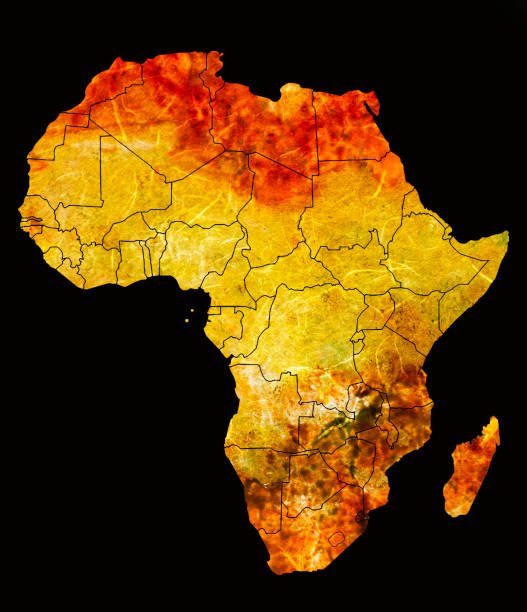
Identifying which country that has the best education in Africa requires a look at literacy rates, school enrollment figures, and the quality of university research outputs. Seychelles currently holds the top position on the continent according to the World Economic Forum, thanks to its high investment in free and compulsory schooling. This small island nation has achieved nearly universal literacy and provides a robust foundation for both primary and secondary learners.
Educational standards across the continent vary significantly based on government funding and the historical development of institutional frameworks. Exploring the top-performing nations reveals a trend toward digital integration and teacher training as primary drivers of academic excellence.
These are the Countries Which Have the Best Education in Africa
Ranking the educational systems of various nations involves looking beyond simple enrollment numbers to assess the actual learning outcomes of the students. Factors such as the student-to-teacher ratio, the availability of textbooks, and the integration of modern technology in the classroom all play a role in determining which nations are leading the way. Many of the top-performing systems are found in North Africa and the island nations, where long-term investments in human capital are finally paying off. Here is a detailed analysis of the nations that currently provide the highest standards of schooling on the continent, focusing on their institutional strengths and national priorities.
1. Seychelles
Seychelles is a definitive African country which has the best education because it offers free and compulsory schooling up to the age of sixteen. The government allocates a massive portion of its annual budget to ensure that classrooms are well-equipped and that teachers are highly trained in modern pedagogy. Because of its small population, the nation maintains a very low student-to-teacher ratio, allowing for personalized attention that is often impossible in larger nations. Literacy rates in Seychelles are nearly ninety-six percent, reflecting a system that leaves very few citizens behind. The nation also hosts specialized institutes for maritime and environmental studies, aligning its academic output with its primary economic needs. This strategic focus ensures that graduates are ready to contribute to the local blue economy immediately after finishing their studies.
2. Mauritius
Mauritius is often cited as a country in Africa having excellent standards due to its robust infrastructure and its emergence as a regional hub for international students. The government provides free schooling from the primary level through to the university level for all its citizens, which is a rare feat on the continent. Students in Mauritius consistently perform well on international standardized tests, particularly in mathematics and the sciences. The presence of several international branch campuses from prestigious Western universities has further elevated the quality of the local tertiary sector. This strategic focus on a knowledge-based economy has allowed Mauritius to diversify its labor market and attract high-value foreign investment. The nation also places a high emphasis on bilingualism, with most students becoming fluent in both English and French during their school years.
3. South Africa
South Africa holds a unique position because it is home to some of the highest-ranking universities in the world, such as the University of Cape Town and Stellenbosch University. While the basic education sector faces challenges in rural areas, the urban centers provide world-class facilities and a curriculum that is highly competitive on a global scale. The nation’s investment in research and development is among the highest in Africa, fostering a culture of innovation and critical thinking among its graduates. South Africa’s vocational and technical training colleges are also seeing a resurgence, providing practical skills for the industrial and tech sectors. The diversity of the educational landscape allows for a wide range of specialized studies that are not available in many other regional nations. Its National Senior Certificate is recognized by prestigious institutions worldwide, facilitating international academic mobility for its top students.
4. Tunisia
Tunisia has a long-standing tradition of valuing intellectual growth, spending a higher percentage of its GDP on schooling than many of its neighbors. The focus on STEM subjects—science, technology, engineering, and mathematics—has produced a highly skilled workforce that is sought after by European and Middle Eastern firms. Tunisian schools emphasize bilingualism, with students usually becoming proficient in both Arabic and French from a young age. This linguistic versatility provides a significant advantage for graduates in the international job market. The government’s commitment to early childhood development ensures that students are well-prepared before they even enter the primary system. Higher education in Tunisia is also well-regarded, with several engineering schools maintaining strict entrance requirements and high academic standards.
5. Kenya
Kenya is frequently praised as a country in Africa with a strong curriculum because of its recent move to a Competency-Based Curriculum that focuses on practical skills. The Kenyan government has successfully implemented a policy of one hundred percent transition from primary to secondary school, ensuring no child is excluded. Nairobi has become a hub for digital learning, with many schools integrating tablets and online resources into their daily lessons. Kenyan universities are also known for their strong research outputs and their role in developing local technological solutions for the agriculture and banking sectors. The nation’s literacy rate has seen a steady increase over the last decade, reflecting the success of these comprehensive reforms. Private sector involvement in education also remains high, providing diverse options for parents who seek international standards within the country.
6. Algeria
Algeria offers an extensive and fully subsidized schooling system that reaches even the most remote communities in the Sahara Desert. The nation’s literacy rate has improved dramatically since independence, now exceeding eighty percent among the adult population. Algeria’s focus on engineering and medical studies has resulted in a high density of professionals who contribute to the nation’s large industrial and energy sectors. The university system is expansive, with dozens of campuses spread across the country to ensure that higher learning is accessible to all social classes. Recent efforts to improve the quality of English language instruction are further opening up global opportunities for Algerian graduates. The government continues to prioritize vocational training to ensure that the youth can find employment in the diversifying economy.
7. Morocco
Morocco has invested billions into modernizing its school infrastructure and aligning its vocational training with the needs of the automotive and aerospace industries. This strategic alignment ensures that students graduate with skills that are immediately applicable in the modern labor market. Moroccan universities have become more internationalized, with many offering degrees in partnership with French and Spanish institutions. The government’s "Vision 2030" plan focuses on reducing the rural-urban divide in educational quality and enhancing digital literacy among the youth. This focus on practical outcomes has made Morocco an attractive destination for North African and European academic collaborations. The country also boasts several prestigious business schools that attract students from across the Francophone world.
8. Egypt
Egypt possesses one of the oldest and largest educational systems in the world, with Al-Azhar University serving as a center of learning for over a thousand years. In recent years, the Egyptian government has launched the Education 2.0 initiative to move away from rote memorization and toward critical thinking and problem-solving. This massive reform includes the digital transformation of classrooms and the retraining of hundreds of thousands of teachers across the country. Egypt’s focus on medical and engineering education has made its graduates highly influential throughout the Middle East and Africa. The country continues to be a major academic hub, attracting thousands of international students to its diverse university programs. Recent investments in technical colleges are also helping to bridge the gap between academic theory and industrial practice.
9. Namibia
Namibia is one of the highest spenders on schooling relative to its GDP on the continent, showing a deep national commitment to human development. The system is designed to be inclusive, providing support for students from diverse ethnic and linguistic backgrounds. Namibia’s vocational training centers are particularly strong, focusing on the mining and environmental sectors that drive the national economy. The literacy rate among the youth is near ninety-five percent, a testament to the effectiveness of the primary and secondary systems. The nation’s universities are growing in reputation, particularly in the fields of agriculture and renewable energy research. Government-funded scholarships also allow many Namibian students to pursue specialized postgraduate degrees in South Africa and Europe.
10. Botswana
Botswana has used its diamond wealth to build a schooling system that is among the best in Southern Africa. The government provides free basic education for all citizens, and tertiary students often receive generous grants to study at home or abroad. This investment has created a highly literate and professional workforce that has powered the nation’s stable economic growth for decades. Botswana’s schools are known for their discipline and high standards, particularly in the foundational years of learning. The nation is currently focusing on integrating technology into the curriculum to prepare its students for the Fourth Industrial Revolution. The University of Botswana remains a respected center for research in the Southern African Development Community region.
Reasons Why These Countries Have The Best Education in Africa
1. Consistent Government Funding: High-performing nations like Seychelles and Namibia allocate more than twenty percent of their national budgets to the academic sector. This funding is used to build modern facilities, pay competitive salaries to teachers, and provide free textbooks to students. Without this financial commitment, it is impossible for a nation to maintain high standards of learning across all regions. Consistent investment allows for long-term planning and the implementation of sustainable academic reforms that benefit the entire population.
2. Investment in Teacher Training: The quality of any schooling system is only as good as the educators in the classrooms. African countries that have the best education invest heavily in pedagogical workshops and professional development for their teaching staff. By ensuring that teachers are familiar with the latest instructional methods and technology, these nations improve the overall learning experience for their students. Higher standards for teacher certification also help to professionalize the sector and attract top talent into the academic field.
3. Focus on Vocational and Technical Skills: Many leading nations have shifted their focus toward technical and vocational training to address youth unemployment directly. Countries in Africa that have the best education often align their curriculum with the specific needs of the local industry. For example, Morocco’s focus on aerospace training ensures that its graduates are ready for the high-tech jobs available in the country. This practical approach makes the schooling system more relevant to the economic needs of the twenty-first century and encourages industrial growth.
4. Digital Integration and Literacy: The top educational systems on the continent have embraced digital transformation by providing tablets and internet access to their schools. The country in Africa has the best education system today is often one that uses technology to enhance learning outcomes and prepare students for a globalized world. Digital tools allow for more interactive lessons and provide students with access to a vast array of online information. This technological shift is a major factor in bridging the knowledge gap between African students and their global peers.
5. High Levels of Institutional Accountability: Nations that perform well in academic rankings often have strict oversight and evaluation processes for their schools and universities. Mauritius and South Africa have established independent bodies that monitor the quality of instruction and ensure that institutional standards are being met. This accountability fosters a culture of excellence and encourages schools to continuously improve their results to maintain their accreditation. Regular assessments also help policymakers identify areas that need additional support or reform to ensure no student is left behind.
6. Strong Foundations in Early Childhood Learning: The most successful nations understand that the first few years of a child's life are critical for future academic success. By providing high-quality pre-primary schooling, nations like Tunisia and Seychelles ensure that students are well-prepared before they even start primary school. Early childhood programs focus on foundational literacy, numeracy, and social skills that form the basis for all future learning. This proactive approach reduces the likelihood of students falling behind in later years and improves the overall efficiency of the education system.
Conclusion
In summary, determining which country that has the best education in Africa depends on whether one looks at university rankings, literacy rates, or vocational success. Seychelles and Mauritius currently lead the continent through high government investment and nearly universal access to schooling. As more African countries adopt digital tools and reform their curricula to meet modern needs, the overall standard of learning on the continent is expected to rise. Ultimately, the African country which has the best education is the one that manages to equip its youth with the critical thinking skills needed for the future. The path to a prosperous Africa begins in the classroom, and these leading nations are showing the way forward for the entire region.
Enjoyed this read?
Share it with your friends and colleagues.