Biggest Diamond Found In Africa Recently

BSC Insights Admin
October 01, 2026
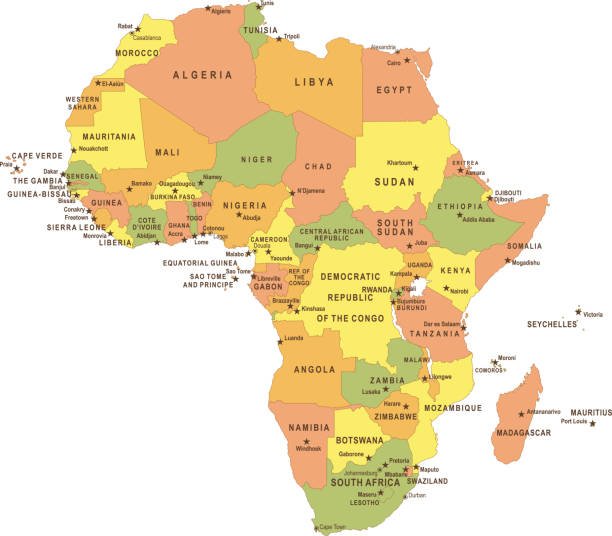
The discovery of the biggest diamond found in Africa recently has sent shockwaves through the global gemstone market, highlighting the incredible geological wealth of the Southern African region. This historic find, which weighs nearly 2,500 carats, was unearthed in a prolific mine in Botswana using advanced X-ray technology that allows large stones to be identified before they are crushed during the ore processing phase. It represents the largest diamond recovery in over a century and solidifies the continent as the primary source of the world's most exceptional and valuable natural treasures.
This remarkable development is part of a broader trend where Southern African mines have consistently produced massive, high-quality diamonds that defy historical expectations. To understand the significance of these finds, we must examine the specific locations, the companies involved, and the technological leaps that have made these discoveries possible in the modern era.
These are the Biggest Diamond Found In Africa Recently
The landscape of global diamond mining has been forever changed by a series of massive recoveries that have occurred over the last decade, with Botswana leading the charge as the most productive African country which biggest diamond found in Africa recently has made headlines. These discoveries are not merely lucky breaks but the result of strategic investments in deep-earth mining and specialized sorting equipment. Below is a detailed look at the most significant large diamonds found on the continent in recent years, exploring their carats, their origins, and their impact on the jewelry world.
1. The 2,492-Carat Epic Discovery in Botswana
In August 2024, the mining world was stunned when Lucara Diamond Corp announced the recovery of a 2,492-carat diamond from its Karowe Mine in Botswana. This massive stone is currently recognized as the biggest diamond found in Africa recently and is the second-largest diamond ever found in human history, surpassed only by the 3,106-carat Cullinan diamond found in 1905. The diamond was detected using Mega Diamond Recovery X-ray Transmission technology, which was installed specifically to identify and protect large stones during the primary crushing circuit. This find is a testament to the richness of the Karowe Mine's south lobe, a geological area known for producing Type IIa diamonds of immense size and clarity. The stone is roughly the size of a fist and represents a pinnacle of modern mining achievement. Its value is expected to be in the hundreds of millions of dollars once it is eventually cut and polished into several large, flawless gems. This discovery has reinforced the reputation of Botswana as the world's leading producer of large, high-value diamonds by value.
2. The Sewelô Diamond and the Louis Vuitton Partnership
In 2019, the Karowe Mine produced another giant, the 1,758-carat Sewelô diamond, which at the time was the largest diamond found in Botswana's history. The name Sewelô means rare find in the local Setswana language, reflecting the unique nature of this dark, carbon-coated stone. While the diamond was initially described as being of variable quality, its sheer size attracted the attention of the luxury house Louis Vuitton, which purchased the stone in a historic partnership with Lucara and HB Antwerp. This diamond demonstrated that even stones that appear industrial on the surface can hold immense value for high-end luxury brands looking for unique storytelling opportunities. The Sewelô was roughly the size of a tennis ball and was covered in a thin layer of black carbon, which masked the potential quality of the gems hidden within. Its recovery was a major milestone for the country in Africa biggest diamond found in Africa recently produced at that time. It proved that Botswana could consistently yield stones over 1,000 carats on a regular basis.
3. The Iconic Lesedi La Rona
The Lesedi La Rona, weighing 1,109 carats, was found in 2015 and was the first diamond of its scale to be recovered in over a century. This find was particularly significant because it was a high-quality Type IIa white diamond, meaning it possessed incredible transparency and lacked any detectable nitrogen impurities. After an initial failed auction at Sotheby's, the stone was eventually sold to the famous jeweler Laurence Graff for 53 million dollars in 2017. Graff spent over a year meticulously analyzing and cutting the stone, eventually producing the 302-carat Graff Lesedi La Rona, the world's largest square emerald-cut diamond of top color and clarity. The discovery of this stone acted as a catalyst for Lucara to invest more heavily in large stone recovery technology. It remains one of the most famous examples of African countries that biggest diamond found in Africa recently have yielded stones that reach the legendary status of the crown jewels. The story of its discovery remains a favorite among gemstone historians for its sheer improbability.
4. The 1,098-Carat Debswana Discovery
While Lucara's Karowe mine is famous for large finds, the Jwaneng mine, operated by Debswana, a joint venture between the Botswana government and De Beers, produced its own giant in 2021. The 1,098-carat stone was the largest diamond found by the company since it began operations in the 1970s. This stone was presented to the President of Botswana, Masisi, as a symbol of the nation's enduring mineral wealth and the success of the public-private partnership. The Jwaneng mine is considered one of the richest diamond mines in the world by value, and this discovery proved that it still has the potential to yield massive specimens. Unlike some of the other large stones that are darker, this diamond was remarkably clear, suggesting a high gem-quality potential. It is one of the primary examples of countries in Africa that biggest diamond found in Africa recently continue to dominate the global supply chain through well-established mining infrastructure. The find bolstered national pride and underscored the importance of diamonds to the Botswana economy.
5. The Lesotho Legend and the Letseng Mine
Lesotho is a small, mountainous kingdom that holds a unique place in the diamond industry due to its Letseng Mine, which consistently produces the highest average dollar-per-carat diamonds in the world. In 2018, Gem Diamonds announced the recovery of the 910-carat Lesotho Legend, a D-color Type IIa diamond of exceptional quality. This stone was sold for 40 million dollars at an auction in Antwerp, demonstrating the high demand for top-tier white diamonds. The Letseng Mine is situated at an altitude of over 3,000 meters, making it one of the highest mines globally, and its unique geology seems to favor the formation of large, high-purity stones. Among the African countries that biggest diamond found in Africa recently have showcased, Lesotho is often cited for the purity of its diamonds rather than just their sheer carat weight. The Lesotho Legend is a perfect example of the world-class stones that emerge from this high-altitude kimberlite pipe. Its recovery solidified the mine's reputation as a boutique source for the world's elite jewelers.
6. The 1,080-Carat White Diamond of 2023
Just a year before its record-breaking 2024 find, Lucara Diamond Corp recovered a 1,080-carat diamond from the Karowe Mine. This stone was another high-quality Type IIa white diamond, measuring 82.2 by 42.8 by 34.2 millimeters. The frequency with which these thousand-carat stones are being found in the same mine has led geologists to re-evaluate the potential of the south lobe of the Karowe kimberlite. These finds suggest that there may be even more massive stones waiting to be discovered as the mine moves into its underground phase. The 1,080-carat find was celebrated for its natural beauty and the fact that it was recovered intact, without the breakage that often plagues large diamond mining. It serves as a reminder that the biggest diamond found in Africa recently is part of a cluster of high-value recoveries. The consistent output of such stones has made Karowe the most watched diamond mine in the world. It also highlights the efficiency of the XRT sorting technology in modern operations.
7. The 1,174-Carat Stone Found in 2021
In June 2021, Lucara recovered a 1,174-carat diamond, which at the time was the third-largest diamond ever found in Botswana. This find occurred only weeks after the Debswana 1,098-carat discovery, making 2021 a banner year for the Botswana diamond industry. The 1,174-carat diamond was a clivage gem of variable quality, with significant domains of high-quality white gem material. This discovery was particularly useful for researchers studying the crystal structure of mega-diamonds, as it provided insights into how these massive stones grow within the earth's mantle. The stone's recovery was yet another win for the X-ray transmission technology that identifies large carbon masses in the ore stream. It is a prime example of which country that biggest diamond found in Africa recently in Africa is leading in technological innovation. This find also demonstrated the logistical capability of the Karowe plant to handle multiple large recoveries in a short time frame. It reinforced investor confidence in the long-term viability of Botswana's diamond sector.
8. Recent Blue and White Finds at the Cullinan Mine
South Africa's Cullinan Mine, famous for producing the original Cullinan Diamond and many of the world's most famous blue diamonds, has seen a resurgence in large finds recently. In 2021, Petra Diamonds recovered a 39.34-carat exceptional blue diamond, which was sold for over 40 million dollars. While much smaller than the 2,000-carat giants, blue diamonds are incredibly rare and valuable, often fetching over a million dollars per carat. The mine also recently produced a 209-carat high-quality white diamond in 2023, showing that the historic site still has plenty of life left. The Cullinan mine is deep and complex, requiring sophisticated underground mining techniques to access the remaining high-value ore. As an African countries that biggest diamond found in Africa recently have remained relevant, South Africa continues to be a top producer of specialty colored stones. These finds keep the Cullinan mine at the center of the luxury jewelry conversation globally. The site is an enduring icon of South African mineral heritage.
9. The 549-Carat Sethunya Diamond
The Sethunya diamond, weighing 549 carats, was found in 2020 at the Karowe Mine and is known for its exceptional clarity and color. Its name means flower in Setswana, and it was the result of a collaboration where the stone was pre-sold to Louis Vuitton and HB Antwerp for processing. This model of selling a stone before it is cut is a recent innovation in the industry, allowing miners to share in the final polished value of the diamond. The Sethunya was a high-quality Type IIa stone, which is typical for the exceptional recoveries in the region. This find showed that even stones in the 500-carat range are highly prized when they possess top-tier color and clarity. It contributed to the ongoing success of the African country which biggest diamond found in Africa recently has been the most consistent in large stone output. The Sethunya's journey from mine to luxury boutique is a perfect case study in the modern diamond value chain. It highlights the shifting power dynamics between miners and luxury houses.
10. The 442-Carat Lesotho Discovery
In 2020, Gem Diamonds recovered a 442-carat diamond from the Letseng Mine, which was estimated to be worth around 18 million dollars. While not the biggest in terms of carats, its quality was among the highest ever seen for a stone of that size. The Letseng Mine's ability to produce these "specials" on a regular basis is what keeps it profitable despite the high costs of operating at such an extreme altitude. The 442-carat stone was a Type IIa diamond, characterized by its lack of impurities and exceptional light transmission. This find came during a difficult year for the global economy, providing a much-needed boost to the Lesotho mining sector. It remains a key example of the country in Africa biggest diamond found in Africa recently identified as a boutique producer of large stones. The stone's recovery was a reminder of the geological mysteries that still exist in the Maluti mountains. It reinforced the importance of Letseng to the global high-jewelry market.
Reasons Why These Countries Biggest Diamond Found In Africa Recently in Africa
The recent surge in massive diamond discoveries across Southern Africa is not a matter of pure coincidence but is driven by specific geological, technological, and economic factors. These reasons explain why these nations continue to hold the title for the biggest diamond found in Africa recently and why we may see even larger stones in the coming years.
1. Geological Stability of the Kalahari Craton: The primary reason Southern Africa is so rich in massive diamonds is the presence of the Kalahari Craton, an ancient and stable part of the earth's continental lithosphere. Diamonds are formed under extreme pressure and heat deep within the earth's mantle and are brought to the surface by kimberlite eruptions. The stability of the craton has allowed these diamonds to survive for billions of years without being destroyed by tectonic activity. Most of the countries in Africa that biggest diamond found in Africa recently are located on this specific geological formation. This stability is the foundational reason why stones like the 2,492-carat find can exist at all. The unique chemistry of the kimberlite pipes in this region also seems to favor the growth of Type IIa diamonds, which are the rarest and most pure form of the crystal.
2. Implementation of XRT Recovery Technology: Traditionally, many large diamonds were broken in the mining process because they were crushed along with the surrounding rock. The biggest diamond found in Africa recently in Botswana was saved by X-ray Transmission (XRT) technology, which scans the ore and identifies carbon masses before they reach the crushers. This technology allows the mine to pluck these giants out of the processing line intact, preserving their value and carats. Lucara Diamond Corp was a pioneer in using this technology, and its success has forced other mining companies to adopt similar systems. This technological shift is the main reason we are seeing a spike in thousand-carat recoveries in the last decade. Without XRT, the 2,492-carat stone would likely have been reduced to thousands of smaller, less valuable fragments. It has effectively removed the "luck" factor from large stone recovery.
3. Favorable Mining and Investment Policies: Botswana, in particular, has created a very stable and attractive environment for international mining companies through its transparent legal framework. The partnership between the government and private entities ensures that mining profits are reinvested into the industry and the national infrastructure. This stability allows companies like Lucara and De Beers to make long-term investments in deep-mining projects and expensive technology. African country which biggest diamond found in Africa recently has been discovered often has a strong track record of political stability, which is crucial for the capital-intensive diamond industry. This political environment encourages exploration and the development of new mines in remote areas. It also ensures that the local population benefits from the mineral wealth through education and healthcare. This social contract is a key pillar of the Botswana success story.
4. Focus on High-Value South Lobe Mining: Mining companies have specifically targeted the "South Lobe" and other specific geological areas that have a proven track record of producing large stones. At the Karowe Mine, the south lobe is known for its high concentration of mega-diamonds, and the company has tailored its mining plan to prioritize this ore. By focusing on the areas with the highest probability of exceptional finds, miners can maximize their returns. African countries that biggest diamond found in Africa recently have been recovered from often have very detailed geological mapping that allows for this type of surgical mining. This strategic approach is far more efficient than the broad-scale mining of the past. It shows a maturing of the industry where quality and size are prioritized over total volume. This focus is what leads to the headline-grabbing recoveries that capture the world's attention.
5. Investment in Underground Mining Transitions: As surface-level open-pit mines reach their depth limits, countries like South Africa and Botswana are investing billions in transitioning to underground mining. This allows them to follow the kimberlite pipes even deeper into the earth, where many experts believe the largest diamonds are still located. The transition to underground mining at Karowe is expected to extend the mine's life by decades and provide access to even richer ore bodies. This massive engineering undertaking is only possible because of the consistent value generated by recent large finds. The country in Africa biggest diamond found in Africa recently was found is often at the forefront of this transition to deep-earth mining. These underground projects represent the future of the industry and the best chance for finding the next record-breaking stone. It is a high-stakes gamble that is clearly paying off for Southern African nations.
6. Skilled Workforce and Local Expertise: The diamond industry in Southern Africa has developed a highly skilled local workforce that understands the nuances of kimberlite mining and diamond recovery. From the geologists who map the pipes to the technicians who operate the XRT plants, this local expertise is vital for the success of these operations. This human capital is a major reason why these nations have maintained their lead over other diamond-producing regions like Russia or Canada. Botswana has invested heavily in training its citizens to take on leadership roles in the mining sector, ensuring that the industry is sustainable and locally managed. This expertise also extends to the cutting and polishing sectors, where local artisans are increasingly processing the stones that are found in their own soil. This creates a more robust and self-sufficient diamond ecosystem. It ensures that the knowledge of how to find and handle mega-diamonds stays within the continent.
Conclusion
The discovery of the biggest diamond found in Africa recently has reaffirmed the continent's unmatched position as the world's premier source of exceptional gemstones. From the historic 2,492-carat stone in Botswana to the high-purity legends of Lesotho, these finds are the result of a perfect marriage between ancient geology and cutting-edge technology. As mining continues to go deeper and sorting technology becomes even more sophisticated, the possibility of finding another Cullinan-scale diamond remains a very real prospect. These stones are more than just luxury items; they are vital contributors to the national economies of Southern African nations, providing the funding for infrastructure and development. The world continues to look to Africa for the next great discovery, knowing that the earth beneath the Kalahari still holds many secrets. Ultimately, the story of the biggest diamond found in Africa recently is a story of a continent's enduring wealth and its bright future on the global stage.
For those following the diamond market, the recent discoveries in Botswana and Lesotho represent a golden age of large-stone recovery. The use of XRT technology has fundamentally changed the economics of mining, making it possible to find the biggest diamond found in Africa recently without the risk of damage. As these stones are cut and polished, they will become the centerpieces of museums and private collections for centuries to. This ensures that the legacy of Africa's mineral wealth is preserved for future generations to admire. The continent's ability to produce these miracles of nature is a point of immense pride for the people of Botswana, Lesotho, and South Africa. It is a legacy that is literally set in stone.
Enjoyed this read?
Share it with your friends and colleagues.