Biggest Snake Found In Africa

BSC Insights Admin
September 30, 2026
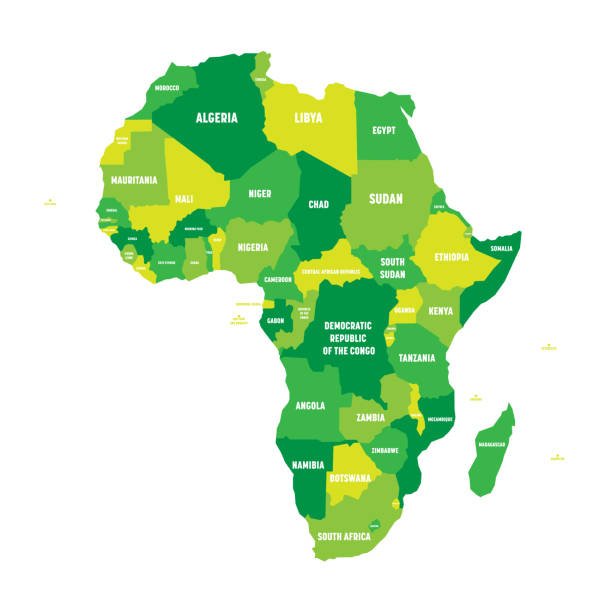
The quest to identify the Biggest Snake Found In Africa inevitably leads to the discovery of the African Rock Python, a massive non-venomous constrictor. This serpent holds the title as the largest on the continent, with some individuals reaching lengths of over six meters in the wild. Understanding this apex predator is essential for anyone interested in the biological diversity and the intricate food webs found throughout various African ecosystems.
The sheer scale and power of these reptiles have made them a subject of both fascination and legends across many different cultures for centuries. Exploring the biological details of these giants reveals how they have adapted to survive in environments ranging from humid rainforests to arid savannas across the landmass.
These are the details about the Biggest Snake Found In Africa
The African Rock Python, scientifically known as Python sebae, is the undisputed heavyweight champion of the African reptile world. While other snakes like the Black Mamba are longer in the venomous category, the Rock Python is significantly heavier and more robust, capable of overpowering large mammals through pure muscular force. To understand the impact and the presence of this giant, one must look at its physical characteristics, its vast geographic range, and the specific behaviors that allow it to remain at the top of the food chain. The following points provide a comprehensive guide to the largest serpent on the continent and its fascinating life cycle.
1. Physical Characteristics and Scale
The African Rock Python is a massive snake characterized by a thick, muscular body and a triangular head marked with a dark spearhead shape. Its skin is covered in intricate patterns of brown, olive, and tan, which provide nearly perfect camouflage against the leaf litter and rocky terrain of its natural habitat. Adult specimens typically average between three and five meters, but well-documented records show that the Biggest Snake Found In Africa can exceed six meters in length. These snakes can weigh over 90 kilograms, making them a formidable force that few animals care to challenge. Their scales are smooth, and they possess heat-sensing pits along their lips that allow them to locate warm-blooded prey even in total darkness. This combination of size, strength, and sensory perception makes them one of the most efficient hunters in the animal kingdom.
2. Geographic Distribution Across the Continent
This giant serpent has an incredibly wide distribution, inhabiting almost all of sub-Saharan Africa from the Atlantic coast to the Indian Ocean. It is commonly found in a variety of environments, though it has a strong preference for areas near permanent water sources like rivers, lakes, and marshes. An African country which Biggest Snake Found In Africa resides in often features a mix of grasslands and forests where the snake can find both cover and abundant food. Countries like Nigeria, Ethiopia, Kenya, and Tanzania are well-known hotspots for large python sightings due to their vast wilderness areas. Despite their wide range, they are rarely seen by humans because of their secretive nature and their ability to remain perfectly still for long periods. Their presence is a key indicator of a healthy ecosystem with plenty of small and medium-sized mammals to support such a large predator.
3. The Hunting and Constriction Method
As a non-venomous constrictor, the African Rock Python relies on its immense physical strength to secure and kill its prey. When an animal wanders within striking distance, the python lunges forward with surprising speed, securing a firm grip with its rows of sharp, backward-curving teeth. Once the prey is caught, the snake quickly wraps its powerful coils around the animal's body, tightening its grip every time the victim exhales. This process does not actually crush the bones as commonly believed, but instead causes a rapid spike in internal pressure that leads to cardiac arrest and a lack of blood flow to the brain. This efficient method allows the python to take down animals much larger than its own head, including antelopes, monkeys, and occasionally even small crocodiles. After the prey is dead, the snake begins the slow process of swallowing the animal whole, a feat made possible by its highly flexible jaw ligaments.
4. Diet and Digestive Capabilities
The diet of the African Rock Python is incredibly varied, reflecting its status as an opportunistic feeder that will consume almost any animal it can overpower. Young pythons typically feed on rodents, birds, and lizards, but as they grow into the Biggest Snake Found In Africa, their tastes expand to include much larger targets. Adults are known to hunt warthogs, bushbucks, and various species of primates that frequent the water's edge. One of the most remarkable things about their biology is their ability to survive for months, or even a full year, on a single large meal. After consuming a massive prey item, the snake's metabolic rate increases significantly, and its internal organs, such as the heart and liver, actually enlarge to handle the massive influx of nutrients. This slow digestive process allows them to inhabit areas where food might be scarce for long intervals, providing them with a distinct survival advantage over more active hunters.
5. Reproductive Behavior and Maternal Care
Unlike many other snake species that lay their eggs and abandon them, the African Rock Python exhibits a surprising level of maternal care. Females can lay between 20 and 100 large, leathery eggs, usually in a hidden burrow or a hollow tree trunk. Once the eggs are laid, the mother coils her body around them to provide protection from predators and to help regulate the temperature. While she does not actually produce internal body heat like a mammal, she will occasionally shiver her muscles to generate a small amount of warmth to keep the embryos developing properly. During this incubation period, which lasts for about 90 days, the female does not eat and rarely leaves her nest, showing a dedication that is rare among reptiles. When the young finally hatch, they are about 50 to 60 centimeters long and are fully capable of hunting small prey immediately, though they remain vulnerable to many predators during their first few years of life.
6. Interaction with Other Apex Predators
Being the Biggest Snake Found In Africa means that the Rock Python often crosses paths with other high-level predators like lions, leopards, and hyenas. While a large python is capable of killing a leopard or a young lion, these interactions are dangerous for both parties and are usually avoided unless a direct conflict arises. There are documented cases of pythons and crocodiles engaging in fierce battles near the water, with the outcome often depending on the size of the individuals involved. Leopards are perhaps the most frequent enemies of pythons, as they sometimes hunt smaller snakes for food, but they respect the power of a fully grown adult. In many ways, the python acts as a silent guardian of the riverbanks, keeping the populations of smaller carnivores and large herbivores in check. Their role in the environment ensures that no single species becomes overpopulated and exhausts the local vegetation or prey base.
7. Longevity and Growth Rates
African Rock Pythons are long-lived reptiles, with some individuals reaching ages of 20 to 30 years in the wild, and even longer in captive settings where food is consistent and predators are absent. Their growth is most rapid during the first five years of their lives, during which they can reach lengths of nearly three meters if food is plentiful. After this initial growth spurt, they continue to grow throughout their entire lives, albeit at a much slower rate. This indeterminate growth is why the countries in Africa that host the oldest pythons are often where the record-breaking sizes are found. The availability of habitat and the lack of human persecution are the two most important factors that allow a python to reach its maximum potential size. Because they have very few natural predators once they reach adulthood, their survival is largely determined by their ability to find food and avoid human-related threats like habitat destruction and poaching.
8. The Southern Rock Python Variation
It is important to note that researchers often distinguish between the Central African Rock Python (Python sebae) and the Southern African Rock Python (Python natalensis). While both are massive and belong to the same genus, the southern variety is generally slightly smaller and has more subtle differences in its scale patterns and head markings. The Southern Rock Python is the country in Africa Biggest Snake Found In Africa resides in when looking at regions like South Africa, Botswana, and Namibia. Both variations share the same general lifestyle and are equally respected by the local populations for their size and strength. The southern species tends to be found in more arid environments and has adapted to survive in rocky hillsides and open savannas. Understanding these two variations is crucial for scientists who are mapping the genetic diversity of Africa's reptiles and ensuring that both species receive proper conservation attention.
9. Human-Wildlife Conflict and Conservation
As human populations expand and urban centers grow, the natural habitat of the African Rock Python is increasingly being encroached upon, leading to frequent encounters between snakes and people. In an African country which Biggest Snake Found In Africa is common, these snakes are sometimes seen as a threat to livestock, as they can easily swallow goats, sheep, and chickens. This conflict often leads to the snakes being killed on sight out of fear or to protect property. Furthermore, pythons are often hunted for their beautiful skins, which are used in the international leather trade, and for their meat in some local communities. They are currently listed as a protected species in many nations, and international trade is regulated under CITES to prevent their populations from collapsing. Conservation efforts focus on educating the public about the importance of these snakes and creating protected corridors where they can live without human interference.
10. Myth vs. Fact: The Giant of the Grasslands
There are many tall tales and myths surrounding the African Rock Python, particularly regarding its size and its potential danger to humans. While there are a few historical reports of pythons attacking people, such events are extremely rare and usually occur only when the snake feels cornered or threatened. Most "giant" sightings are often exaggerated, as the snake's thick body can make it appear much larger than it actually is. However, the fact remains that they are the undisputed Biggest Snake Found In Africa and are capable of incredible feats of strength. They are not aggressive by nature and will almost always choose to flee or hide rather than engage with a human. Respecting their space and understanding their behavior is the best way to coexist with these magnificent reptiles. Their presence adds a layer of prehistoric wonder to the African wilderness, reminding us of the incredible diversity of life that has evolved on the continent.
Reasons Why These Countries host the Biggest Snake Found In Africa in Africa
1. Abundant Prey Density: The primary reason some nations are home to such massive snakes is the sheer volume of available food sources. In countries in Africa that Biggest Snake Found In Africa is found, the savannas and wetlands are teeming with antelopes, rodents, and birds that provide the high-calorie diet needed for a snake to reach six meters. Without a steady supply of large mammals, a python would never have the energy required to maintain such a massive body. These prey-rich environments act as a biological nursery for giant serpents, allowing them to grow larger than those in more resource-scarce regions.
2. Ideal Tropical and Subtropical Climates: As ectothermic animals, pythons rely on the external environment to regulate their body temperature and maintain their metabolism. The warm, consistent temperatures found across sub-Saharan Africa provide the perfect conditions for a reptile to remain active and healthy throughout the year. African countries that Biggest Snake Found In Africa inhabit rarely experience the freezing temperatures that would be lethal to such a large snake. This climatic stability allows for uninterrupted growth and reproductive cycles, ensuring that the population remains robust and healthy over many generations.
3. Proximity to Permanent Water Sources:
The African country which hosts the largest pythons is almost always one with significant river systems and wetlands. Water provides a safe haven for pythons to hide from heat and predators, and it also attracts the thirsty mammals that the snakes hunt. Being an excellent swimmer allows the python to expand its territory and find food in areas that other terrestrial predators might struggle to reach. The lush vegetation around water sources also provides the thick cover necessary for a giant snake to ambush its prey successfully.
4. Availability of Large, Undisturbed Wilderness: Giant snakes need space to roam and hunt without constant human interference, and many African nations still possess vast tracts of wild land. In a country in Africa Biggest Snake Found In Africa resides, national parks and remote forest reserves provide a sanctuary where snakes can reach old age. When a python is allowed to live for 20 or 30 years without being hunted, it has the time required to grow to its maximum potential size. These protected areas are essential for the survival of the largest individuals, which are often the most targeted by poachers and fearful residents.
5. Camouflage and Natural Cover: The varied landscapes of the continent, from tall grasslands to dense riverine forests, provide the perfect backdrop for a python to hide. The intricate patterns on their skin are a result of millions of years of evolution, allowing them to blend into the dappled sunlight and shadows of the bush. This ability to remain undetected is what allows them to survive in a world filled with other large predators and humans. Without the right type of vegetation and terrain to hide in, a snake as large as the African Rock Python would be too easy to spot and eliminate.
6. Lack of Large-Scale Reptilian Competitors: In most African ecosystems, there are no other snakes or large lizards that can compete with the African Rock Python for the same niche of a giant constrictor. While crocodiles are competitors near the water, the python is unique in its ability to hunt both in the water and deep within the forest or savanna. This lack of direct competition for the "giant snake" niche allows the python to monopolize the available resources and grow to such impressive sizes. Their specialized lifestyle as a heavy-bodied ambush predator has allowed them to dominate their environment for millions of years.
Conclusion
The African Rock Python stands alone as the Biggest Snake Found In Africa, a title it has earned through its massive size, incredible strength, and sophisticated survival adaptations. From the riverbanks of Nigeria to the savannas of South Africa, this serpent is a vital component of the continent's natural heritage and ecological balance. While they are often feared, they are essential for controlling prey populations and maintaining the health of the wilderness. Ensuring that the country in Africa Biggest Snake Found In Africa lives in continues to protect these giants is vital for the preservation of biodiversity. As we continue to learn more about these ancient reptiles, our respect for their power and their place in the world only grows. They remain one of the most iconic and awe-inspiring sights for anyone brave enough to explore the deep wild of Africa.
Enjoyed this read?
Share it with your friends and colleagues.