Which Country Has The Biggest Zoo In Africa

BSC Insights Admin
September 30, 2026
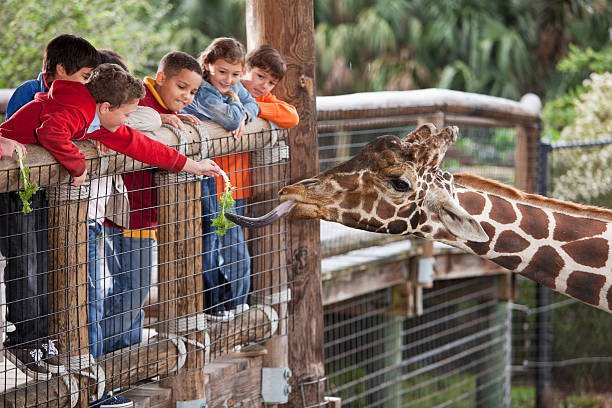
Identifying which country that has the biggest zoo in Africa requires a comprehensive evaluation of land area, the diversity of species housed, and the institutional history of wildlife management. South Africa currently holds the distinction of hosting the largest facility with the National Zoological Garden of South Africa, commonly known as the Pretoria Zoo, which covers approximately 210 acres of land. This massive institution serves as a critical center for conservation research and environmental education, attracting over half a million visitors annually from across the globe.
The development of these expansive zoological gardens is often tied to a nation's commitment to preserving its natural heritage and boosting its tourism sector. By examining the infrastructure and animal collections of these facilities, we can better understand the regional efforts to protect the continent's iconic biodiversity.
These are the Countries that have the biggest zoo in Africa
The quest to find the most impressive zoological park on the continent leads to several nations that have invested heavily in creating massive habitats that mimic the natural environments of their inhabitants. These facilities are not merely for public viewing; they are sophisticated research hubs that participate in international breeding programs for endangered species. From the historic gardens of North Africa to the sprawling modern enclosures in the south, these zoos represent the pinnacle of captive wildlife management. The following list identifies the leading nations and their flagship institutions, providing a detailed look at the scale and significance of these animal sanctuaries. We will explore how each African country which has the biggest zoo maintains its standards of care and contributes to the broader scientific community.
1. South Africa (Pretoria Zoo)
The National Zoological Garden of South Africa is the definitive leader when considering which African country which has the biggest zoo infrastructure. Spanning over 85 hectares or 210 acres in the heart of Pretoria, this facility is home to more than 9,000 individual animals representing over 700 distinct species. The zoo is unique because it is divided into two main sections by the Apies River, featuring a flat plain area and a more rugged hilly section that provides diverse topographical environments for the animals. It boasts a massive aquarium, which is the largest inland marine aquarium in the country, and a specialized reptile park that houses some of the most venomous snakes on the planet. Visitors can utilize a cable car system to gain a bird's-eye view of the entire facility, which is a rare feature for any zoo on the continent. The institution is also a recognized research facility under the National Research Foundation, focusing on the genetic diversity and health of African wildlife. Its scale and professional management make it the primary benchmark for all other zoological gardens in the southern hemisphere.
2. Egypt (Giza Zoo)
Egypt is home to one of the most historically significant and largest facilities in North Africa, the Giza Zoo, which covers approximately 80 acres of lush greenery. Established in 1891 by Khedive Isma'il Pasha, it is one of the oldest zoos in the world and was once considered the jewel of African wildlife displays. The park features a unique suspension bridge designed by Gustave Eiffel, which allows visitors to walk above the enclosures and enjoy views of the ancient Giza pyramids in the distance. While the zoo has faced challenges with modernization, it remains a massive urban oasis in the crowded Cairo metropolis, housing a vast collection of African mammals, birds, and reptiles. The facility includes a large museum of animal mummies and skeletons, highlighting Egypt's long cultural connection to the animal kingdom. Efforts are currently underway by the Egyptian government to renovate the park and restore its status as a premier global destination. Its sheer size and historical weight ensure that it remains a central pillar of North African zoological history.
3. South Africa (Johannesburg Zoo)
The Johannesburg Zoo is another major contender among countries in Africa that have the biggest zoo, occupying 54 hectares of prime land in the leafy suburb of Parkview. Founded in 1904, it has evolved into a modern facility that emphasizes the ethical treatment of animals and the importance of conservation education. One of its most famous features is the Temple of the Ancients, a massive walk-through enclosure that mimics the ruins of a Central American temple and houses various primates and birds. The zoo is also one of the few places in the world that has successfully bred white lions, a rare color mutation of the Southern African lion. It offers night tours and camping experiences, allowing the public to engage with nocturnal species in a way that most traditional zoos do not allow. The facility manages a robust veterinary hospital and a specialized nutrition center to ensure the health of its 2,000 inhabitants. Its integration into the urban fabric of Johannesburg makes it an accessible and vital green space for the city's residents and tourists.
4. Morocco (Parc Zoologique de Rabat)
Morocco has recently gained international acclaim for the Parc Zoologique de Rabat, a facility that was completely rebuilt and reopened in 2012 to meet modern standards of animal welfare. This zoo covers roughly 50 hectares and is designed to represent five distinct African ecosystems: the Atlas Mountains, the desert, the savanna, the rainforest, and the wetlands. It is particularly famous for its work in preserving the Atlas lion, a species that is extinct in the wild but continues to thrive in the Rabat enclosures through a carefully managed breeding program. The architecture of the zoo is sleek and modern, utilizing natural barriers like moats and rock walls instead of traditional iron cages to provide a more immersive experience for visitors. The park houses over 2,000 animals from 190 species, including rare gazelles and the endangered scimitar-horned oryx. Its focus on regional biodiversity and high-tech infrastructure has made it a model for new zoos across the Arab world. The educational programs here are specifically tailored to teach the youth about the unique environmental challenges facing the Maghreb region.
5. Uganda (Uganda Wildlife Education Centre)
Formerly known as the Entebbe Zoo, the Uganda Wildlife Education Centre (UWEC) is a primary country in Africa with the biggest zoo for rescued and rehabilitated wildlife. Situated on 72 acres along the shores of Lake Victoria, this facility acts as a gateway for travelers to understand the incredible biodiversity of the Pearl of Africa. Unlike traditional zoos that focus on displaying exotic animals from other continents, UWEC concentrates exclusively on indigenous Ugandan species that have been orphaned or injured. The center provides massive, forest-like enclosures for chimpanzees, lions, and the prehistoric-looking shoebill stork, which is one of the most sought-after sights for birdwatchers. The institution plays a vital role in national conservation by serving as a hub for anti-poaching awareness and community outreach programs. Visitors can participate in "keeper for a day" experiences, which provide an intimate look at the daily operations of a wildlife sanctuary. Its scenic location and dedication to local ecology make it one of the most respected institutions of its kind in East Africa.
6. Kenya (Nairobi Safari Walk and Orphanage)
Kenya possesses a unique wildlife complex in Nairobi that includes the Nairobi Animal Orphanage and the Nairobi Safari Walk, situated right at the edge of the Nairobi National Park. While the physical acreage of the orphanage itself is smaller than some of its southern rivals, the combined complex provides a massive educational landscape that covers several dozen acres of forest and savanna. The Safari Walk is an elevated wooden boardwalk that allows visitors to observe leopards, hippos, and rare bongo antelopes in large, naturalistic habitats that represent the various biomes of Kenya. The animal orphanage serves as a treatment and rehabilitation center for wild animals found abandoned or injured in the country's many national parks. This facility is critical for the survival of orphaned rhino and elephant calves, providing them with a safe haven until they are ready to be reintroduced to the wild. Because it is located just minutes from the city center, it serves as the first point of contact for many Kenyans and international tourists to see the "Big Five." Its role in the Kenyan tourism circuit is indispensable, and it remains a leader in East African wildlife education.
7. Nigeria (National Children's Park and Zoo)
Nigeria hosts a significant facility in its capital city, the National Children's Park and Zoo in Abuja, which is a major destination for families and school groups in West Africa. The zoo is located in the shadow of the imposing Zuma Rock and covers a substantial area that includes a large lake and several themed gardens. While the animal collection is modest compared to Pretoria, it features a variety of African species such as ostriches, crocodiles, giraffes, and various monkeys that are native to the Nigerian savanna and forest zones. The park is designed with a heavy focus on recreation, providing large picnic areas and playgrounds that encourage people to spend an entire day in the natural environment. In recent years, the Nigerian government has focused on expanding the animal collection and improving the infrastructure to attract more international visitors. The zoo serves as a vital tool for teaching urban children about the natural world, which is increasingly distant in the rapidly growing Nigerian cities. Its position in the heart of the capital makes it a symbolic center for national wildlife pride.
8. Algeria (Jardin d'Essai du Hamma)
Algeria possesses a world-renowned botanical and zoological garden in Algiers known as the Jardin d'Essai du Hamma, which covers about 32 hectares of land. While primarily famous for its incredible collection of over 1,200 plant species, the facility includes a well-established zoo that has been a favorite for locals since the early 20th century. The zoo is integrated into the lush landscape of the gardens, which were famously used as the filming location for the 1932 Tarzan movie. It houses a variety of North African and exotic animals, including tigers, bears, and numerous species of birds that thrive in the Mediterranean climate. The historical charm of the French colonial-style gardens, combined with the presence of the animal enclosures, provides a unique aesthetic that is different from the savanna-style zoos of the south. The Algiers Zoo is a primary example of how African countries that have the biggest zoo collections often integrate them with botanical research and historical preservation. The gardens and zoo are considered a national monument and are protected under Algerian law as a site of significant cultural and ecological value.
9. Ghana (Kumasi Zoo)
Ghana features the Kumasi Zoo, which was established in 1957 and is located in the Ashanti region, serving as the most important facility of its kind in the country. The zoo occupies a strategic location near the Kejetia Market and covers about 11 hectares of land, focusing heavily on the preservation of West African forest species. It is a critical sanctuary for primates like the chimpanzee and the mona monkey, which are under constant threat from habitat loss in the surrounding regions. The Kumasi Zoo is also known for its collection of indigenous birds and reptiles, including the African python and various species of colorful parrots. The facility works closely with the Kwame Nkrumah University of Science and Technology to provide students with hands-on experience in wildlife biology and veterinary medicine. Although smaller in acreage than the giants of Egypt or South Africa, its density of native species makes it a vital part of the West African conservation network. The zoo is a point of cultural pride for the Ashanti people, reflecting their traditional respect for the forest and its inhabitants.
10. Ivory Coast (Abidjan Zoo)
The Ivory Coast is home to the Abidjan Zoo, which has undergone a series of major renovations to become a leading center for wildlife rehabilitation in Francophone West Africa. Located in the capital city, the zoo covers a significant area of urban forest that provides a natural canopy for its inhabitants. Following the political instability of the past decade, the Ivorian government and international partners have worked tirelessly to rebuild the animal populations and modernize the veterinary facilities. The zoo is particularly noted for its elephant population and its work with large carnivores like lions and hyenas. It serves as an important educational site for the millions of residents in Abidjan, many of whom have never seen the country's large wildlife in their natural habitat. The park’s design emphasizes the connectivity of ecosystems, showing how the survival of large mammals is tied to the health of the West African rainforests. Its resurgence is a testament to the resilience of the Ivorian people and their commitment to environmental stewardship.
11. Mali (National Zoo of Mali)
Mali has significantly upgraded its zoological capabilities with the renovation of the National Zoo of Mali in Bamako, which was completed with the assistance of the Turkish government. This facility spans 6 hectares within the larger National Park of Mali, which itself covers over 200 hectares of forest and gardens. The zoo is one of the most modern in West Africa, featuring world-class enclosures for lions, giraffes, and various species of gazelles that are native to the Sahel region. The design of the zoo incorporates traditional Malian architectural elements, creating a beautiful blend of nature and culture. It includes a massive aviary that allows visitors to walk among hundreds of tropical birds in a lush, humid environment. The zoo’s success has spurred a renewed interest in environmental tourism within Mali, drawing visitors from neighboring Burkina Faso and Guinea. It remains a primary example of how international cooperation can help build high-standard African countries that have the biggest zoo infrastructure in the Sahelian zone.
12. Zambia (Munda Wanga Environmental Education Trust)
Zambia possesses a unique and sprawling facility known as Munda Wanga, which translates to "My Garden," located just outside the capital city of Lusaka. This institution combines a botanical garden, a wildlife sanctuary, and an environmental education center, covering a vast area that focuses on the rescue of animals from the illegal pet trade. Munda Wanga is famous for its cheetah and wild dog breeding programs, both of which are critical for the survival of these highly endangered African predators. The botanical gardens are some of the finest in Southern Africa, providing a serene backdrop for the animal enclosures. The trust operates a large education center that hosts thousands of school children every month, teaching them about the importance of the Zambezi River ecosystem and the dangers of poaching. The facility’s layout encourages a slow, meditative walk through the various habitats, emphasizing the interconnectedness of plants, animals, and water. Munda Wanga is a key player in the regional conservation dialogue and a must-visit for anyone interested in the future of Zambian wildlife.
| Zoo Name | Country | Estimated Area (Acres) | Animal Count | Primary Focus |
|---|---|---|---|---|
| Pretoria Zoo | South Africa | 210 | 9,000+ | Global Research & Conservation |
| Giza Zoo | Egypt | 80 | 3,000+ | Historical Heritage & Urban Oasis |
| Johannesburg Zoo | South Africa | 133 | 2,000+ | Breeding Rare Species (White Lions) |
| Rabat Zoo | Morocco | 123 | 2,000+ | Atlas Lion Preservation |
| Entebbe Zoo (UWEC) | Uganda | 72 | 1,000+ | Rescue & Rehabilitation |
Reasons Why These Countries Have The Biggest Zoos in Africa
1. Deep Colonial and Post-Colonial Legacies: Many of the countries in Africa that have the biggest zoo facilities inherited their foundations from the colonial era, where large-scale gardens were seen as a mark of administrative prestige. Nations like Egypt and South Africa had their primary zoos established in the late 19th and early 20th centuries, providing a massive head start in terms of land acquisition and institutional memory. These facilities were often built in the center of growing cities, ensuring that as the urban areas expanded, the zoos remained as large, protected green lungs for the population. This historical continuity allowed these institutions to build world-class collections over a hundred years or more.
2. Economic Importance of Wildlife Tourism: In nations like Kenya, South Africa, and Uganda, the presence of a massive zoo serves as a critical entry point for the national tourism industry. A country in Africa with the biggest zoo infrastructure can capture a significant portion of the international travel market by offering a "guaranteed" wildlife experience for those who may not have the time or budget for a full safari. These zoos generate substantial revenue through ticket sales, memberships, and gift shops, which is then reinvested into animal care and facility expansion. This economic self-sufficiency makes it easier for governments to support the maintenance of large-scale animal habitats.
3. Centralization of Conservation and Research: The largest zoos on the continent often double as national centers for scientific research and veterinary excellence. African countries that have the biggest zoo departments often house the nation's most advanced labs for studying animal genetics, pathology, and reproductive health. By centralizing these resources within one massive facility, the countries can more efficiently manage the breeding of endangered species and the training of the next generation of wildlife veterinarians. This research-heavy approach attracts international grants and partnerships with global organizations like the World Association of Zoos and Aquariums (WAZA).
4. Urban Green Space and Climate Mitigation: As African cities like Cairo, Lagos, and Johannesburg become increasingly densified, the preservation of large-scale zoological and botanical gardens has become a matter of urban environmental health. These massive zoos act as carbon sinks and help to regulate the local microclimate, reducing the "urban heat island" effect that plagues many tropical metropolises. Governments have realized that once this land is lost to developers, it can never be recovered, leading to strict laws that protect the physical boundaries of these parks. Consequently, the zoos remain large because they are the final bastions of nature within the concrete jungles.
5. Educational Mandates and Youth Engagement: One of the primary reasons for the massive scale of these facilities is the need to accommodate hundreds of thousands of school children for environmental education. A large zoo allows for the creation of dedicated "education zones" that include lecture halls, interactive museums, and touch tanks for marine life without disrupting the peace of the main animal enclosures. Nations like Morocco and Ghana have prioritized these educational spaces to ensure that the youth understand the importance of biodiversity and the threats posed by climate change. Large zoos are essentially the most effective classrooms in the world for biology and ecology.
6. Access to International Funding and Partnerships: The African country which has the biggest zoo usually benefits from significant foreign direct investment and technical aid from developed nations. For example, the Turkish government’s involvement in Mali or the French assistance in Morocco’s zoo reconstruction proves that these facilities are seen as valuable diplomatic tools. International donors are more likely to fund a "mega-zoo" that can demonstrate a high impact on regional conservation and tourism. These partnerships provide the capital necessary for building modern, high-standard enclosures that would be impossible to fund through domestic tax revenue alone.
Conclusion
In summary, while many nations are improving their wildlife facilities, South Africa remains the specific which country that has the biggest zoo in Africa due to the unparalleled scale and scientific depth of the Pretoria Zoo. Egypt and Morocco follow closely, showcasing how historical heritage and modern reconstruction can create world-class environments for both animals and visitors. These institutions are essential for the continent's future, serving as the frontline for conservation and the primary tool for educating the public about the fragile beauty of African nature. As urbanization continues across the region, the role of these massive zoological gardens as refuges for wildlife and citizens alike will only become more critical. Ultimately, any country in Africa with the biggest zoo is making a profound statement about its commitment to the survival of the planet's most iconic species.
Enjoyed this read?
Share it with your friends and colleagues.