Biomes Found In Africa

BSC Insights Admin
September 30, 2026
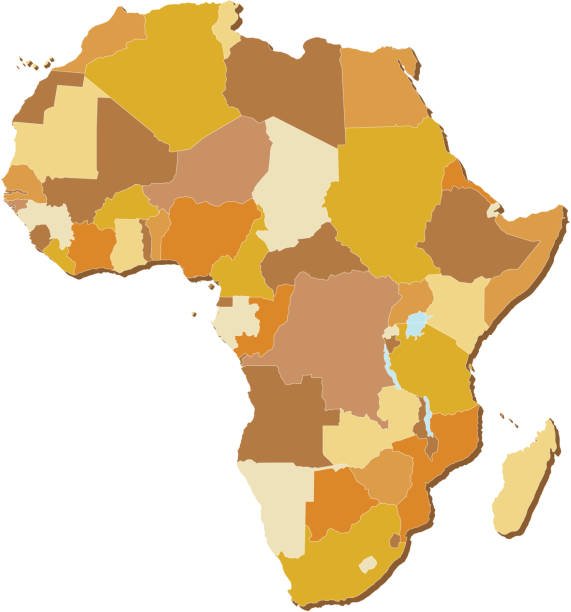
Identifying the various ecological biomes found in Africa reveals a continent of immense variety and environmental complexity that sustains a massive array of life. These natural regions range from the world's largest hot desert in the north to the lush tropical rainforests of the central basin. Understanding which country that biomes found in Africa exist in helps scientists and travelers appreciate how geography dictates the distribution of life across this vast landmass.
The transition between these distinct environmental zones is often gradual, creating unique transitional landscapes that support specialized wildlife and vegetation. Exploring these specific habitats provides a deeper understanding of the ecological health and the natural resources available to the various nations on the continent.
These are the ecological biomes found in Africa
To analyze the physical geography of the continent, one must look at the specific regions where these massive ecosystems are located. Each biome has unique characteristics, ranging from the multi-layered canopy of the rainforest to the sparse and hardy vegetation of the desert dunes. The following list details the most prominent biomes that have left an indelible mark on the landscape of the African continent through their enduring environmental legacies. By examining these zones, we can see how climate and geology have worked together over millions of years to create the diverse scenery we observe today.
1. The Tropical Rainforest Biome
The tropical rainforest is one of the most biologically diverse biomes found in Africa, primarily concentrated in the Congo Basin and along parts of the West African coast. This region is characterized by high annual rainfall, often exceeding 2,000 millimeters, and consistently warm temperatures that foster year-round plant growth. The vegetation is structured in distinct layers, including the emergent layer, the canopy, the understory, and the forest floor, each supporting a unique community of species. This African country which contains the largest portion of this biome, the Democratic Republic of the Congo, serves as a global lung by absorbing vast amounts of carbon dioxide. Animals such as the okapi, forest elephants, and various species of great apes are specially adapted to the humid and shaded conditions of the forest. The dense foliage and high humidity create a complex web of life where competition for sunlight and nutrients is intense among the thousands of plant species found here.
2. The Tropical Savanna Biome
The tropical savanna, or tropical grassland, is perhaps the most iconic of all the biomes found on the continent, covering nearly half of its total land area. This biome is defined by a continuous cover of grass with scattered trees, such as the flat-topped acacia and the massive baobab, which have adapted to survive long dry seasons. The climate is characterized by a distinct wet and dry season, which dictates the movement and behavior of the millions of herbivores that roam the plains. Many African countries that biomes found in Africa like the savanna inhabit, including Tanzania and Kenya, are world-famous for their wildlife migrations, such as the Great Migration of wildebeest and zebra. These grasslands provide the primary habitat for the Big Five animals and are essential for the continent's tourism industry. Fire plays a critical role in maintaining this biome by preventing the encroachment of dense forest, while the grazing of large mammals ensures the grass remains productive and healthy.
3. The Desert Biome
The desert biome represents the extremes of the African environment, with the Sahara in the north and the Namib and Kalahari in the south. These regions receive very little rainfall, often less than 250 millimeters per year, and experience dramatic temperature fluctuations between day and night. Despite the harsh conditions, life has found remarkable ways to adapt, such as the deep-rooted shrubs and succulents that can store water for months. In the Namib Desert, which is considered the oldest desert in the world, specialized beetles and reptiles obtain moisture from the morning fog that rolls in from the Atlantic Ocean. The Sahara Desert is so vast that it significantly influences the climate of the entire Northern Hemisphere, acting as a source of dust that fertilizes the Amazon rainforest across the ocean. These deserts are not just empty wastes but are home to unique cultures and specialized wildlife that have mastered the art of survival in one of the toughest landscapes on Earth.
4. The Mediterranean Biome
Located at the extreme northern and southern tips of the continent, the Mediterranean biome offers a climate that is quite different from the tropical interior. This region experiences hot, dry summers and cool, moist winters, similar to the coastal areas of Southern Europe. In South Africa, this biome is represented by the Cape Floral Kingdom, which is world-renowned for its incredible biodiversity and unique fynbos vegetation. The plants here, such as proteas and ericas, are highly adapted to fire and nutrient-poor soils, creating a colorful and intricate landscape. Many countries in Africa that biomes found in Africa like this one support, such as Morocco and Tunisia, are famous for their production of olives, grapes, and citrus fruits. This biome is relatively small in terms of land area but is of immense ecological importance due to the high number of endemic species found nowhere else on the planet.
5. The Montane or Highland Biome
The montane biome is found at high altitudes on the peaks and plateaus that rise above the surrounding plains, such as the Ethiopian Highlands and the Rwenzori Mountains. As altitude increases, the temperature drops and the vegetation changes from savanna or forest to specialized mountain plants like giant lobelias and heathers. These regions act as "islands in the sky," where isolation has led to the evolution of unique species like the gelada baboon and the Ethiopian wolf. The high rainfall and cool temperatures make these highlands the water towers of Africa, feeding major rivers like the Blue Nile. Agriculture is also prominent in these areas, with coffee and tea being major exports from the fertile volcanic soils of the East African highlands. The dramatic scenery of jagged peaks and deep valleys provides a stark contrast to the flat landscapes of the savanna and desert biomes.
6. The Mangrove Biome
The mangrove biome is a specialized coastal forest found in the brackish waters where rivers meet the sea along the tropical coastlines of Africa. These trees have developed complex root systems that allow them to breathe in oxygen-depleted mud and survive in high-salinity environments. Mangroves act as critical nurseries for many species of fish and crustaceans, which in turn support the livelihoods of coastal fishing communities. They also serve as a vital buffer against coastal erosion and storm surges, protecting the land from the power of the ocean. In a country in Africa biomes found in Africa like the mangrove forest are found, such as Nigeria or Mozambique, these ecosystems are also important for sequestering carbon in their thick peat soils. The intricate network of roots provides a safe haven for various bird species and marine life, making it an essential link between the terrestrial and marine environments.
7. The Semi-Desert or Sahel Biome
The Sahel is a vast semi-arid transition zone that separates the Sahara Desert from the wetter savannas to the south, stretching across the width of the continent. This biome is characterized by sparse, thorny vegetation and hardy grasses that can survive on the minimal and highly variable rainfall. Life in the Sahel is a delicate balance, with traditional pastoralist communities moving their livestock across great distances to find water and grazing land. This region is particularly vulnerable to the effects of climate change and overgrazing, which can lead to desertification and the expansion of the Sahara. Despite the challenges, the Sahel has a rich history of great empires and vibrant cultures that have adapted to the rhythmic pulse of the rains. Efforts like the Great Green Wall initiative are currently underway to restore the landscape and protect the livelihoods of the millions of people who call this transition zone home.
8. The Temperate Grassland or Veld Biome
Found primarily on the high interior plateau of Southern Africa, the temperate grassland, known locally as the veld, is distinct from the tropical savanna. This biome experiences cooler temperatures and frequent frosts during the winter months, which prevents the growth of many tree species and favors the dominance of hardy grasses. The veld is divided into different types, such as the Highveld, which is a major agricultural and industrial hub, and the Bushveld, which contains a mix of grass and shrubs. This region is critical for the production of staple crops like maize and supports large numbers of livestock. The open landscapes of the veld have also been the site of significant historical events and remain an important part of the cultural identity of the people in the region. Its relative fertility and temperate climate make it one of the most productive and inhabited parts of the southern continent.
Reasons Why These Countries host diverse biomes found in Africa in Africa
1. Geographic Location on the Equator: The fact that the equator passes directly through the heart of the continent is a primary reason for the presence of the lush tropical rainforests. This position ensures consistent solar energy and high rainfall throughout the year, providing the ideal conditions for the massive Congo Basin to flourish. An African country which sits on the equator benefits from a climate that does not experience the harsh winters found in higher latitudes. This constant energy flow is the foundation for the high levels of primary productivity seen in the central regions. Without this equatorial position, the continent would lack its most significant biological heart.
2. Massive Latitudinal Stretch: Africa is the only continent that extends almost equally into both the Northern and Southern Hemispheres, covering a wide range of latitudes. This massive north-to-south span means that the continent crosses through multiple climate zones, from the Mediterranean subtropics to the tropical tropics and back again. As a result, the country in Africa biomes found in Africa inhabit are diverse simply because of the sheer distance covered. This geographic reach ensures that even if one region is experiencing a dry cycle, another may be in its peak growing season. The symmetry of the continent around the equator creates a mirror-like distribution of biomes across the hemispheres.
3. Variation in Altitude and Topography: The diverse elevations across the continent, from the low-lying coastal basins to the high mountain peaks, create a variety of microclimates. The Great Rift Valley and the various volcanic highlands provide the relief necessary for the montane biome to exist within otherwise tropical latitudes. These variations in height allow for a different African countries that biomes found in Africa exist in to host ecosystems that are radically different from their neighbors. Altitude can act as a substitute for latitude, allowing for cooler-climate species to thrive in the heart of the tropics. This vertical diversity is essential for the high levels of endemism found in the mountain regions.
4. Impact of Oceanic Currents: The surrounding oceans and their respective currents play a major role in determining the climate and biomes of the coastal regions. For instance, the cold Benguela Current along the southwest coast is a primary driver for the formation of the Namib Desert by cooling the air and reducing rainfall. In contrast, the warm Agulhas Current on the east coast brings moisture-laden air that supports the lush forests and savannas of that region. These oceanic influences are the reason why two countries in Africa that biomes found in Africa occupy at the same latitude can have completely different environments. The interaction between the land and the sea is a fundamental part of the continental climate engine.
5. Historical Geological Stability: Much of the African landmass has remained relatively stable over millions of years, allowing for the slow and steady evolution of specialized biomes. Unlike the northern continents, which were repeatedly covered by massive ice sheets, many African habitats remained as refuges for life during the last ice age. This stability is the reason why many African countries that biomes found in Africa inhabit are home to ancient lineages of plants and animals. This long timeline has allowed for the development of complex ecological relationships that are not found in younger, more disturbed landscapes. The continuity of the environment has fostered a deep natural heritage that is unique to the continent.
6. Rainfall and Hydrological Patterns: The movement of the Intertropical Convergence Zone (ITCZ) dictates the rainfall patterns across the continent, creating the seasonal cycles that define the savanna and Sahel. Where the ITCZ lingers, we find the rainforests; where its influence is seasonal, we find the grasslands. These large-scale atmospheric movements are the reason why the country in Africa biomes found in Africa depend on can experience such dramatic shifts between wet and dry periods. The distribution of major river systems like the Nile, Congo, and Niger also helps to transport water across different biomes, creating corridors of life in otherwise dry regions. This hydrological network is the lifeblood that connects the various ecological zones together.
Conclusion
The incredible variety of ecological zones across the continent demonstrates why protecting the many countries in Africa that biomes found in Africa reside in is a global priority. From the dense, carbon-storing rainforests of the Congo to the unique floral diversity of the Mediterranean Cape, these regions provide essential services to the entire planet. As climate change and human development continue to put pressure on these natural systems, understanding the delicate balance within each country in Africa becomes more critical than ever. The resilience of Africa’s wildlife and people is deeply tied to the health of these varied environments. Ultimately, the biomes of Africa are not just geographical regions but are the foundation of the continent's history, culture, and future potential. Preserving this natural legacy is necessary for maintaining the biological diversity that makes our world so unique.
Enjoyed this read?
Share it with your friends and colleagues.