Is There Black Panthers In Africa

BSC Insights Admin
September 30, 2026
Is There Black Panthers In Africa? The Definitive Answer
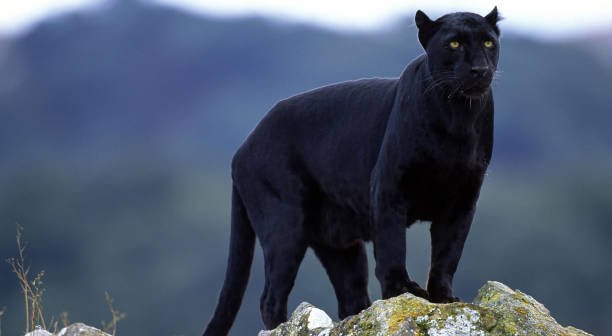
Yes, black panthers absolutely exist in Africa, though the term can be a bit misleading. Scientifically speaking, a "black panther" is not a distinct species of big cat. Instead, it refers to any large cat with a condition called melanism, which results in an excess of black pigment in their fur. In Africa, the black panther is, in fact, a melanistic leopard (Panthera pardus).
These majestic and incredibly rare creatures are genetically identical to their spotted counterparts, possessing the same distinctive rosette patterns that are simply obscured by their dark coat. While less common than in some parts of Asia and the Americas, sightings and scientific confirmations of these dark-coated leopards in various African regions, particularly in dense forest habitats, affirm their presence on the continent.
What Exactly is a "Black Panther"? Understanding Melanism in Big Cats
To truly understand the existence of black panthers in Africa, it's crucial to grasp the biological concept behind the term. As mentioned, a black panther is not a separate species. The term "panther" itself is a generic name for big cats belonging to the genus Panthera, which includes lions, tigers, jaguars, and leopards. Therefore, a "black panther" can refer to a melanistic jaguar (found in the Americas) or a melanistic leopard (found in Africa and Asia).
Melanism: The Science Behind the Dark Coat
Melanism is a genetic mutation that causes an overproduction of melanin, the dark pigment responsible for hair, skin, and eye color. This condition is the opposite of albinism, which involves a lack of pigment. In leopards, the melanistic gene is recessive, meaning both parents must carry the gene for an offspring to display the black coat, though the parents themselves may be spotted. Even with their dark fur, if you look closely under specific lighting conditions, you can often still see the ghost of their rosette patterns through the black pigment.
This genetic anomaly provides a unique adaptation. While often considered a disadvantage in certain open habitats, the dark coat can offer a significant camouflage advantage in dense, low-light environments, such as rainforests and thick woodlands, aiding in hunting and evading predators.
The Leopard: Africa's Elusive "Black Panther"
The leopard (Panthera pardus) is one of Africa's most iconic and widespread big cats, known for its incredible adaptability and stealth. They inhabit a vast range of environments across sub-Saharan Africa, from savannas and grasslands to mountains and dense forests. Among these diverse populations, the genetic mutation for melanism occasionally surfaces, leading to the birth of a black leopard.
These African melanistic leopards are the very definition of the "black panther" on the continent. They share all the same characteristics, behaviors, and ecological roles as their spotted brethren, differing only in the pigmentation of their fur. Their presence highlights the incredible genetic diversity within leopard populations and their ongoing adaptation to various ecological niches.
Historical and Scientific Evidence of Black Panthers in Africa
The notion of black panthers in Africa is not merely folklore; it is supported by both historical accounts and modern scientific confirmation. For centuries, tales of dark, phantom-like big cats have permeated local legends across various African communities.
Early Sightings and Folklore
Indigenous communities in many parts of Africa, especially those living near dense forests, have long spoken of powerful, dark-furred big cats. These stories often attribute mystical qualities to these animals, given their rarity and elusive nature. While difficult to verify scientifically in historical contexts, these oral traditions provide compelling anecdotal evidence of their presence long before modern photographic techniques.
Photographic and Genetic Confirmation: Modern Discoveries
In recent decades, advancements in wildlife photography and genetic analysis have provided irrefutable proof. For a long time, documented evidence of melanistic leopards in Africa was sparse. While black leopards were known to exist in parts of Asia (particularly Southeast Asian rainforests), photographic evidence from Africa was exceedingly rare.
- 2007: A black leopard was captured on film by researchers in Kenya's Laikipia County. While not widely publicized initially, it was a significant early confirmation.
- 2019: Perhaps the most widely known recent confirmation came from Kenya, where wildlife biologist Nick Pilfold and his team from the San Diego Zoo Global captured stunning high-resolution trail camera footage and photographs of a young male melanistic leopard in Laikipia Wilderness Camp. This event brought global attention to the existence of black panthers in Africa, making headlines worldwide. The study published in the African Journal of Ecology highlighted that this was the first confirmed documentation of a black leopard in Africa in nearly a century.
Further genetic studies on leopard populations have also identified the presence of the melanistic gene in various African regions, confirming the biological potential for black leopards to occur.
Distribution and Habitat of African Melanistic Leopards
While leopards are widespread across Africa, melanistic leopards appear to be more concentrated in certain habitats. Their dark coats provide superior camouflage in low-light, dense environments. Therefore, they are more commonly sighted (though still rarely) in:
- Highland Forests: Areas with dense canopy cover, such as the Aberdare Mountains and Mount Kenya regions in Kenya.
- Tropical Rainforests: Regions in Central and West Africa where thick vegetation limits light penetration.
- Riverine Forests: Areas alongside rivers with dense tree cover that provide perpetual shade.
The specific conditions of these habitats likely favor the survival and hunting success of melanistic individuals, leading to a slightly higher prevalence of the gene in these localized populations.
Why Are Black Panthers So Rare and Elusive in Africa?
Despite conclusive evidence of their existence, black panthers in Africa remain incredibly rare and notoriously difficult to spot. Several factors contribute to their scarcity and their almost mythical status among wildlife enthusiasts.
Genetic Factors and Inheritance
The primary reason for their rarity lies in genetics. As previously mentioned, the gene for melanism in leopards is recessive. This means an offspring will only be melanistic if it inherits the recessive gene from both parents. If a spotted leopard carrying the recessive gene mates with another spotted leopard carrying the same gene, there's a 25% chance their cub will be melanistic. If a melanistic leopard mates with a spotted leopard carrying the gene, there's a 50% chance. If a melanistic leopard mates with another melanistic leopard, all offspring will be melanistic. However, the overall frequency of the recessive gene in the wider leopard population is low, making the occurrence of two gene-carrying parents mating relatively infrequent.
Camouflage and Survival Advantages/Disadvantages
While the dark coat offers exceptional camouflage in specific dense, dark forest environments, it can be a disadvantage in more open habitats like savannas or dry bushland. In these environments, the typical spotted coat of a leopard provides superior camouflage, allowing it to blend seamlessly with dappled sunlight and shadows. A black leopard in such an environment would stand out more, potentially making it a less effective hunter and more vulnerable to larger predators or human detection. This natural selection pressure likely keeps the melanistic trait at a lower frequency in areas where it offers less of a survival advantage.
Habitat Loss and Human Impact
Like all leopard populations, melanistic leopards in Africa face significant threats from habitat loss and human activities. Their preferred dense forest habitats are increasingly fragmented and degraded by deforestation, agricultural expansion, and human settlement. A reduced and fragmented population further limits the chances of two individuals carrying the melanistic gene from mating, thereby impacting the prevalence of black panthers.
Distinguishing African Black Panthers from Other Melanistic Cats
It's important to differentiate Africa's melanistic leopards from other "black panthers" found elsewhere in the world, particularly the Americas. The term "black panther" can cause confusion, but the scientific distinction is clear.
African Leopards vs. American Jaguars
The "black panther" of the Americas is a melanistic jaguar (Panthera onca). While both are powerful big cats with dark coats, they are distinct species with different geographical ranges and some physical differences:
| Feature | African Melanistic Leopard | American Melanistic Jaguar |
|---|---|---|
| Species | Panthera pardus | Panthera onca |
| Geographic Range | Sub-Saharan Africa, parts of Asia | Americas (Central & South) |
| Rosettes (visible under light) | Smaller, more densely packed spots | Larger, fewer, with spots inside the rosettes |
| Build | More slender, elongated body | Stockier, more muscular, larger head |
| Tail Length | Typically longer relative to body | Shorter relative to body |
Other Melanistic Wild Cats
While leopards and jaguars are the most well-known large melanistic felines, other smaller wild cat species can also exhibit melanism. For example, some species of servals, bobcats, and even domestic cats can be melanistic. However, when people refer to "black panthers," they are almost exclusively referring to melanistic leopards or jaguars due to their size and predatory nature.
Conservation Status and Challenges for African Leopards
Given that black panthers in Africa are genetically identical to spotted leopards, their conservation status is intrinsically linked to that of the species as a whole. The leopard is listed as "Vulnerable" on the IUCN Red List of Threatened Species, reflecting a significant decline in its global population.
Threats to Leopard Populations
Leopards, including their melanistic forms, face a multitude of threats across their African range:
- Habitat Loss and Fragmentation: Expanding human settlements, agriculture, infrastructure development, and deforestation are encroaching on leopard habitats, isolating populations and reducing their available territory.
- Poaching: Leopards are hunted for their beautiful coats, which are prized in the illegal wildlife trade, and for body parts used in traditional medicines.
- Human-Wildlife Conflict: As human populations expand, leopards increasingly come into contact with livestock, leading to retaliatory killings by farmers protecting their livelihoods.
- Prey Depletion: The decline of natural prey species due to poaching and habitat loss can force leopards to seek food from livestock, escalating conflict.
- Road Accidents: Increased road networks through wilderness areas lead to leopards being hit by vehicles.
These challenges collectively contribute to the vulnerability of African big cats and underscore the importance of robust conservation efforts.
Conservation Efforts for African Wildlife
Numerous organizations and governments are working to protect African leopards and their habitats. Key conservation strategies include:
- Establishing Protected Areas: National parks, reserves, and wildlife sanctuaries provide safe havens for leopards and other wildlife.
- Anti-Poaching Initiatives: Increased patrols, community involvement, and intelligence gathering help combat illegal hunting.
- Community Engagement: Working with local communities to reduce human-wildlife conflict through education, compensation schemes, and sustainable land-use practices.
- Habitat Restoration and Corridors: Efforts to restore degraded habitats and create wildlife corridors allow leopards to move between fragmented areas, maintaining genetic diversity.
- Research and Monitoring: Tracking leopard populations, understanding their movements, and studying their genetics (including melanism) is vital for effective conservation planning.
Every effort to protect the spotted leopard contributes directly to the survival of the rare black leopards, which are an integral part of their species' genetic heritage.
Famous Black Panther Sightings and Research in Africa
While sightings are rare, the few documented instances of black panther sightings in Africa have been pivotal in changing public perception and fueling scientific interest.
Key Research Areas and Notable Discoveries
The 2019 footage from Kenya's Laikipia Wilderness Camp was groundbreaking because of its clarity and scientific context. It wasn't just a blurry image; it was a well-documented observation by wildlife experts. This discovery was significant for several reasons:
- It confirmed the presence of healthy, breeding populations of melanistic leopards in specific African regions.
- It provided valuable data on their behavior, habitat use, and interactions within the wider leopard population.
- It highlighted the importance of camera trap technology in documenting elusive species and their rare morphs.
Researchers continue to monitor these populations, gathering data on genetic prevalence, population dynamics, and the specific ecological factors that might favor melanistic individuals in certain niches.
The Cultural Significance of Black Panthers in Africa
Beyond their biological existence, black panthers hold a significant place in the cultural narratives and symbolism of various African societies.
Folklore and Symbolism
In many African cultures, leopards symbolize power, agility, stealth, and mystery. When these characteristics are combined with the striking black coloration, the animal's mystique is amplified. They are often seen as guardians, powerful spirits, or omens. Their rarity has also contributed to their legendary status, sometimes associated with dark magic or revered as sacred beings possessing unique spiritual power.
Modern Perception and Popular Culture
The global phenomenon of Marvel's "Black Panther" has undeniably boosted interest in these creatures, even if the cinematic representation is a fictional Wakandan cultural symbol. This pop culture exposure has brought renewed attention to the actual existence of black panthers in Africa, prompting many to learn about the true nature of these elusive melanistic leopards and the broader topic of African wildlife conservation.
Understanding the "Black Panther" Phenomenon
The journey to understand black panthers in Africa is one that blends scientific discovery with the allure of the wild. It underscores the incredible diversity of life on Earth and the constant interplay between genetics, environment, and survival.
Common Misconceptions
- Separate Species: The biggest misconception is that a black panther is a unique species. It is a color variation within leopards (Africa/Asia) or jaguars (Americas).
- Only in Jungles: While more common in dense forests, melanistic leopards can potentially be found anywhere leopards exist, albeit less frequently in open areas.
- Aggressive Nature: There's no scientific evidence to suggest that melanistic leopards are inherently more aggressive than their spotted counterparts. Their behavior is consistent with the species.
The Importance of Accurate Terminology
While "black panther" is a captivating and widely understood term, using the accurate scientific descriptor "melanistic leopard" is vital for clarity and education. It helps people understand the genetic basis of their appearance and reinforces their identity as part of the wider leopard species, emphasizing that their conservation is tied to that of all leopards.
Conclusion
In conclusion, the answer to "Is there black panthers in Africa?" is a resounding yes. These magnificent animals are melanistic leopards, a rare genetic variation of the common leopard (Panthera pardus) found across sub-Saharan Africa. While elusive and far less common than their spotted relatives, confirmed sightings, particularly in dense forest regions like those in Kenya, provide undeniable proof of their existence. Their rarity is a testament to the recessive nature of the melanistic gene and the specific environmental conditions that might favor or hinder their survival. The presence of these African big cats is a powerful reminder of the rich biodiversity of the continent and the ongoing need for robust wildlife conservation efforts to protect all leopard populations, ensuring these mysterious and iconic creatures continue to roam the African wilderness for generations to come.
Enjoyed this read?
Share it with your friends and colleagues.