Boat Found In African Desert

BSC Insights Admin
October 09, 2026
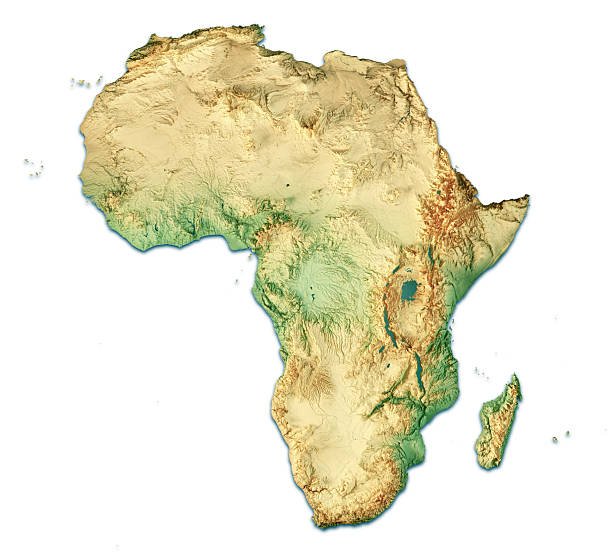
A boat found in African desert regions serves as a powerful archaeological indicator of the dramatic environmental shifts and complex funerary practices that have occurred across the continent over several millennia. These discoveries, predominantly located in the arid stretches of Egypt and the moving dunes of Namibia, reveal how ancient waterways once thrived where sand now dominates the landscape. Such findings are essential for researchers who aim to reconstruct the maritime history and geological transformation of these specific geographic zones.
To understand the significance of these vessels, one must examine the different contexts in which they were preserved, ranging from intentional religious burials to accidental shipwrecks stranded by receding coastlines. This article provides an extensive overview of the historical and geographic circumstances that led to these incredible maritime artifacts being uncovered in some of the driest places on Earth.
These are the locations where a boat found in African desert was discovered
The occurrence of a boat found in African desert environments is a phenomenon that links the modern era with ancient civilizations that revered the water as a source of life and spiritual passage. While Egypt is the most famous African country which boat found in African desert sites have been systematically excavated, other nations like Namibia offer modern examples of vessels swallowed by the advancing sands of the coast. In the following sections, we explore the primary instances of these discoveries, detailing the ship types, their age, and the scientific importance of each finding for the global community.
1. The Abydos Royal Boats of Ancient Egypt
In 1991, archaeologists working in the desert at Abydos uncovered a collection of fourteen wooden boats that are among the oldest ever found in a desert environment. These vessels were buried in mudbrick enclosures near the funerary complex of a First Dynasty pharaoh, dating back to approximately 3000 BC. Each boat measured between 18 and 24 meters in length and was constructed using a sophisticated technique of lashing wooden planks together with thick rope. This discovery was groundbreaking because it proved that ancient Egyptians possessed advanced nautical technology long before the construction of the Great Pyramids. The location, situated miles from the modern Nile, suggests that these boats were intended to serve the king in the afterlife, symbolizing his eternal journey through the celestial waters. Egypt remains a prominent country in Africa boat found in African desert remains are used to map the evolution of pre-dynastic naval architecture.
2. The Khufu Solar Ship of Giza
Perhaps the most famous boat found in African desert history is the Khufu Ship, discovered in 1954 in a sealed pit at the base of the Great Pyramid of Giza. This massive cedarwood vessel was found in over 1,200 separate pieces, which took decades of meticulous labor to reassemble into a complete 43-meter-long ship. Remarkably, the ship was built without the use of metal nails, relying instead on a system of mortise and tenon joints and vegetable fiber ropes that tightened when the wood became wet. While its primary purpose was likely ritualistic, representing the solar barque used by the sun god Ra, its construction shows clear signs of being seaworthy. The arid, airtight conditions of the limestone pit prevented the wood from decaying, allowing the ship to survive in nearly pristine condition for over 4,500 years. It stands as a testament to the incredible craftsmanship of the Old Kingdom and the importance of river travel in ancient Egyptian theology.
3. The Dahshur Boats and the Middle Kingdom
Dahshur is another critical site where several smaller boats were found buried in the sand near the pyramid of Senusret III, dating to the 12th Dynasty. These vessels, made from local tamarix and imported cedar, were much shorter than the Khufu ship, measuring about 10 meters each. Unlike the royal vessels at Giza, the Dahshur boats appear to have been used for more practical transportation on the Nile before being repurposed for the pharaohs burial. Their discovery in the desert sands provided valuable insights into the middle kingdom's construction methods and the variety of woods available to craftsmen. Because these boats were buried in simple pits rather than elaborate stone enclosures, they were more susceptible to the elements, yet many large sections survived. These finds confirm that African countries that boat found in African desert artifacts are located have a long history of integrating maritime tools into their most sacred desert monuments.
4. The Eduard Bohlen Ghost Ship in Namibia
Moving to Southern Africa, the Namib Desert contains one of the most visually striking examples of a modern boat found in African desert dunes. The Eduard Bohlen was a German cargo ship that ran aground in a thick fog in 1909 along the Skeleton Coast of Namibia. Over the last century, the relentless movement of the desert dunes and the receding shoreline have left the ship stranded more than 400 meters inland. Today, the rusted hull sits surrounded by an ocean of sand rather than water, serving as a haunting symbol of the deserts power to reclaim the coast. It is a popular subject for photographers and geologists who study the rapid changes in African coastal geography. This instance is a prime example of which country that boat found in African desert in Africa reveals the modern geological forces at play on the continent.
5. The Otavi Shipwreck of the Namib Dunes
Similar to the Eduard Bohlen, the Otavi was a vessel that met its end on the treacherous shores of the Namibian coast in the mid-20th century. While many shipwrecks remain at the water's edge, the Otavi has been slowly enveloped by the shifting sands, with its remains occasionally being covered and uncovered by the wind. These types of discoveries are common in countries in Africa that boat found in African desert sightings occur along the southwestern Atlantic coast. The Otavi was a cargo ship carrying guano when it struck a reef, and while its crew was saved, the ship itself became a permanent resident of the desert. The interaction between the cold Benguela Current and the hot desert air creates frequent fogs that have led to hundreds of such wrecks. These ships provide a chronological record of maritime trade and the dangers of the African coastline during the colonial and post-colonial eras.
6. The Lisht Boat Burials near the Pyramid of Senusret I
At the site of Lisht, located south of Cairo, archaeologists discovered a series of boat timbers used in the construction of the pyramid complex of Senusret I. These timbers were not complete boats but rather recycled planks from decommissioned ships that were used as structural support or ritual offerings within the desert sands. This practice highlights the value of timber in ancient Egypt, where wood had to be imported from Lebanon or the southern regions. By examining the wear patterns on these recycled planks, historians can estimate how long these ships were in service on the Nile before they were brought to the desert for burial. The Lisht discovery emphasizes that an African country which boat found in African desert remnants are present often utilized every available resource to honor their monarchs. It also shows the practical side of ancient Egyptian maritime life, where even old ships were given a second life in the service of the gods.
7. The Tarkhan Boat Burials of the First Dynasty
Tarkhan is a lesser-known but equally important archaeological site where First Dynasty boat burials were identified in the early 20th century. These desert graves contained small wooden vessels that accompanied officials and lower-ranking royalty, showing that boat burials were not exclusively reserved for pharaohs. The Tarkhan boats are significant because they represent the democratization of religious practices during the early dynastic period. Although many of these vessels were poorly preserved compared to the Giza finds, they provided the first evidence that the tradition of desert boat burials was widespread. This site helps map the geographical spread of maritime culture into the arid regions surrounding the Nile Delta. It reinforces the idea that the desert was seen as a transitional space where the tools of the water were still necessary for the spirit.
8. The Helwan Boat Pits and Early Nautical Design
Helwan, located on the eastern bank of the Nile near Cairo, has yielded several boat pits dating to the First and Second Dynasties. These pits were carved into the desert floor and lined with mudbricks to protect the wooden hulls of the vessels stored inside. While the wood has largely disintegrated over thousands of years, the shape of the pits and the remaining fragments have allowed researchers to reconstruct the sleek, pointed profiles of these early ships. These boats were designed for speed and maneuverability on the river, yet they were placed in the desert to satisfy the ritual requirements of the elite. The Helwan finds are essential for understanding the transition from reed boats to plank-built wooden ships. They represent the earliest stages of the long history of African countries that boat found in African desert sites define for modern scholars.
9. The Saqqara Mastaba Boat Enclosures
The vast necropolis of Saqqara, famous for the Step Pyramid of Djoser, also contains several mastaba tombs of high officials that feature boat-shaped enclosures. These structures were built from stone or mudbrick to resemble the hulls of Nile vessels, and in some cases, actual wooden components were found within them. These symbolic desert boats were intended to provide the deceased with a means of participating in the eternal procession of the gods. The architectural integration of boat shapes into desert tombs shows how deeply the maritime identity was woven into the fabric of Egyptian society. Even when a physical boat was not available, the representation of one in the sand was considered sufficient for the afterlife. This site remains a critical area for studying the symbolic use of nautical themes in desert architecture.
10. The Ancient Riverbeds of the Wadi Howar
In the Sudanese Sahara, the Wadi Howar was once a major tributary of the Nile known as the Yellow Nile, which flowed through a lush landscape thousands of years ago. Recent satellite imagery and ground surveys have identified the remains of small, ancient watercraft buried in the silt of this now-extinct riverbed. These boats were used by the neolithic populations that lived in what is now one of the harshest deserts on the planet. The discovery of fishing tools and boat fragments in this region provides direct evidence of the Green Sahara period, when water was abundant and life flourished in the interior. This area is a significant African country which boat found in African desert evidence helps prove the historical presence of large permanent lakes and rivers in the Sahara. It allows scientists to date the gradual drying of the continent and the migration of people toward the Nile Valley.
11. The Tassili n'Ajjer Rock Art Vessels
While not physical wooden boats, the rock art found in the Tassili n'Ajjer mountains of Algeria depicts numerous scenes of people using large boats in what is now the middle of the desert. These paintings date back to a time when the region was filled with rivers and lakes, providing a visual record of the maritime culture that existed before the desertification of North Africa. The depictions show multi-oared vessels that suggest a high level of social organization and trade. These artworks are often found alongside physical evidence of ancient aquatic life, such as hippopotamus and crocodile fossils. For historians, these paintings are as valuable as a physical boat found in African desert sites because they document a lost way of life. They prove that the desert was once a place where nautical skills were a daily necessity for survival.
12. The Shawnee Shipwreck of the South African Coast
In South Africa, the shifting sands of the West Coast have occasionally revealed the remains of ships like the Shawnee, which was lost in the early 20th century. This area is known for its moving dunes that can cover and uncover historical artifacts within a matter of weeks. The Shawnee was a tugboat that met its end in the surf, and parts of its engine and hull are now found embedded in the coastal dunes far from the high-tide mark. This illustrates the dynamic nature of the African shoreline and how the desert and sea are in a constant state of flux. Discoveries like this help maritime historians track the changes in sea levels and coastal currents along the southern tip of the continent. It adds to the rich tapestry of stories involving vessels that have been swallowed by the African sands.
Reasons Why These Countries Have a boat found in African desert in Africa
The discovery of ships and boats in the middle of arid landscapes is not a random event but the result of specific cultural practices and geological changes. Understanding why a boat found in African desert locations is so common requires an examination of the ancient beliefs and the environmental history of the continent.
1. Funerary and Religious Beliefs: In ancient Egypt, the belief in a journey through the afterlife was central to their funerary traditions, requiring the pharaoh to have a vessel for travel. This is the primary reason why so many boats were intentionally buried in the desert sands near pyramids and mastabas. The desert was seen as the Gateway to the West, the land of the dead, where the spirit would take a solar barque to cross the celestial Nile. These burials were meant to provide the deceased with the same mobility they enjoyed in life. Consequently, Egypt is the main country in Africa boat found in African desert remains are found in such a concentrated and intentional manner. This practice ensured that the king could continue his divine duties alongside the sun god.
2. Geological and Climatic Shifts: Much of the Sahara was once a fertile region with a vast network of rivers and lakes during the African Humid Period. As the climate shifted and the region began to dry out roughly 5,000 years ago, many communities were forced to abandon their waterways. Boats that were left behind or buried in the mud of drying lakes were eventually covered by the advancing desert sands. This process preserved the vessels for millennia, acting as a natural time capsule for ancient maritime technology. African country which boat found in African desert artifacts are discovered often sits atop these ancient paleochannels. These vessels provide direct evidence of how quickly the African landscape can transform from a lush environment to a hyper-arid desert.
3. Advanced Preservation by Sand and Aridity: The dry and often anaerobic conditions of the desert sand are perfect for preserving organic materials like wood, rope, and vegetable fibers. In a humid environment, these materials would rot away within decades, but the lack of moisture in the Sahara and Namib prevents the growth of bacteria and fungi that cause decay. This exceptional preservation is the reason why the Khufu ship and the Abydos boats were found in such remarkable condition. The sand acts as a protective shield, buffering the artifacts from temperature fluctuations and physical damage. This unique environmental factor is why countries in Africa that boat found in African desert remains are found are so important to global archaeology. It allows us to see the actual wood used by builders who lived thousands of years ago.
4. Shifting Shorelines and Coastal Siltation: Along the Skeleton Coast of Namibia, the desert is constantly expanding into the ocean through a process of siltation and dune movement. Shipwrecks that were originally at the shoreline are eventually left inland as the dunes move westward and the sea recedes. This creates the surreal sight of a modern steel ship sitting in the middle of a sand sea miles from the water. This geological process is a major reason why modern boat found in African desert instances occur in Southern Africa. The combination of strong winds and the Benguela Current facilitates this rapid coastal change. It makes Namibia a living laboratory for studying how deserts can reclaim territory from the sea.
5. Strategic Maritime Trade and Navigation Errors: The African coastline has always been a major route for international trade, but it is also one of the most dangerous due to reefs, currents, and fogs. Throughout history, many ships have been lost due to navigation errors or severe weather, leading them to be stranded on the shore. Once a ship is aground, the desert winds quickly begin to deposit sand around it, eventually burying the vessel or moving it further inland. This reason explains why many African countries that boat found in African desert sites are located along the Atlantic and Red Sea coasts. These wrecks provide a snapshot of the types of goods and technology being moved around the continent at different times. They are accidental monuments to the history of global seafaring.
6. Magnetic Anomalies and Modern Archaeological Surveys: The use of modern technology such as ground-penetrating radar and satellite imagery has allowed archaeologists to find boats buried under meters of sand without digging. These tools detect the magnetic anomalies or structural outlines created by the buried vessels, leading to new discoveries in previously unexplored desert areas. This technological advancement is a key reason why more boats are being found today than in previous centuries. It has opened up vast areas of the Sahara for non-invasive exploration, revealing the extent of ancient human activity. The ability to "see" through the sand has revolutionized our understanding of how ancient people lived near the desert's edge. This modern research continues to uncover the hidden maritime secrets of the African desert.
Conclusion
The discovery of a boat found in African desert landscapes offers a unique perspective on the resilience of ancient cultures and the dramatic changes in the earth's environment. From the ritualistic burials of the Egyptian pharaohs to the ghost ships of the Namibian coast, these vessels bridge the gap between the terrestrial and the maritime worlds of the continent. The exceptional preservation provided by the arid climate ensures that these artifacts remain available for study, providing a window into the naval engineering of 5,000 years ago. As researchers continue to utilize modern technology to peer beneath the sands, it is likely that even more African countries that boat found in African desert remnants are hidden will be identified. These discoveries remind us that the desert was once a place of water and life, holding the stories of sailors and kings within its golden dunes. Ultimately, the presence of boats in the desert is a testament to the enduring maritime spirit of Africa throughout its long and varied history.
Enjoyed this read?
Share it with your friends and colleagues.