Did Bob Marley Perform In Africa

BSC Insights Admin
October 01, 2026
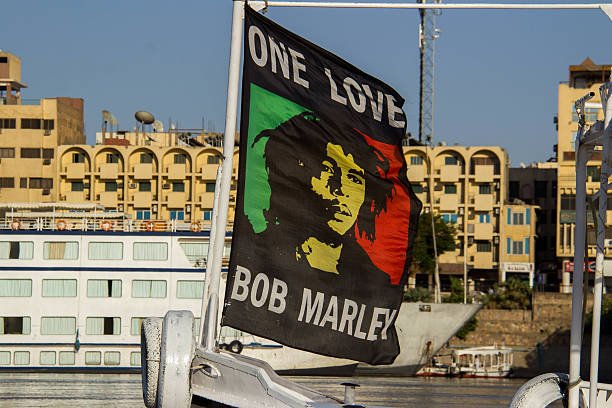
Did Bob Marley Perform In Africa? The Historic Truth Revealed
Yes, Bob Marley did perform in Africa, making one profoundly significant appearance on the continent during his lifetime. This singular, yet monumental, performance took place in Zimbabwe on April 18, 1980, at the Rufaro Stadium in Salisbury (now Harare), to celebrate the nation's independence from British rule. While he harbored dreams of a more extensive African tour, this concert remains a powerful testament to his deep spiritual connection to Africa and the continent's embrace of his revolutionary music.
The Historic Zimbabwe Independence Concert: A Symbol of Liberation
The year 1980 marked a pivotal moment for Southern Africa, as Zimbabwe gained independence after a protracted liberation struggle. This triumph resonated deeply with Bob Marley, who, through his Rastafari faith, viewed Africa as the spiritual homeland and a beacon of freedom. His song "Zimbabwe," released on his 1979 album Survival, had already become an anthem for the liberation fighters, solidifying his bond with the nation even before his arrival.
Marley's Personal Commitment and Self-Financed Journey
When the newly formed Zimbabwean government extended an invitation for Bob Marley to perform at the independence celebrations, he readily accepted. Demonstrating his profound commitment to the cause, Marley reportedly self-financed the trip for his entire band and crew, covering the costs of bringing his sound system and equipment from Jamaica to Zimbabwe. This act underscored his belief in the importance of the moment and his genuine solidarity with the African people. For Bob Marley, performing in Africa was not just another concert; it was a spiritual pilgrimage and a powerful political statement.
The Electrifying Performance at Rufaro Stadium
On the evening of April 18, 1980, thousands gathered at Rufaro Stadium. Among the dignitaries were Prince Charles, representing the Queen of England, and various international leaders. Marley and The Wailers took to the stage, delivering a legendary performance that included hits like "Get Up, Stand Up," "War," "Exodus," and, fittingly, "Zimbabwe." The atmosphere was electrifying, a mix of celebration, defiance, and unity. At one point, amidst the fervor, the stadium gates were breached, leading to a brief interruption due to tear gas deployed by authorities. However, Marley insisted on continuing the show, understanding the immense significance of the moment for the masses who had come to witness history.
Bob Marley's Profound Spiritual Connection to Africa
Marley's performance in Zimbabwe was not an isolated event but the culmination of a lifelong spiritual and ideological alignment with the African continent. His Rastafari faith is inherently Afrocentric, revering Emperor Haile Selassie I of Ethiopia as a divine figure and advocating for the repatriation of the African diaspora to their ancestral homeland. This deeply rooted belief system profoundly shaped his music and worldview.
Rastafari and the "Promised Land"
For Rastafarians, Africa, and specifically Ethiopia, represents Zion – the promised land and the source of spiritual strength. Bob Marley's lyrics are replete with references to this spiritual journey, the desire for freedom, and the call for African unity. Songs like "Exodus" metaphorically speak of a movement "out of Babylon (the Western world) and into Mount Zion (Africa)." This religious conviction fueled his passion for justice and his unwavering support for liberation movements across the continent.
Africa as a Central Theme in Marley's Music
Beyond "Zimbabwe," many of Marley's compositions explicitly championed African themes. "Africa Unite," from the Survival album, is a direct plea for pan-Africanism and solidarity. The album cover itself featured the flags of independent African nations, a powerful visual statement of his commitment. His music served as an inspiration for those fighting against colonialism, apartheid, and oppression, making him an icon for countless Africans who saw their struggles reflected in his powerful reggae rhythms and conscious lyrics.
The Enduring Impact of Bob Marley's Music Across Africa
Long before his performance in Zimbabwe, Bob Marley's music had already permeated the fabric of African societies. Reggae, with its powerful messages of resistance, unity, and social justice, found fertile ground among populations grappling with political instability, poverty, and post-colonial challenges.
Reggae as a Voice for the Voiceless
In many African nations, Marley's songs became anthems for change, providing a soundtrack for movements against injustice. His ability to articulate the universal human desire for freedom and dignity transcended cultural and linguistic barriers. From the townships of South Africa fighting apartheid to nascent democracies finding their footing, Bob Marley's influence in Africa was monumental. He gave a voice to the voiceless and hope to the oppressed.
Influence on African Musicians and Culture
Marley's impact extended beyond political spheres, profoundly influencing generations of African musicians. Artists across the continent embraced reggae, infusing it with local sounds and languages, creating vibrant new genres. His iconic image, with his dreadlocks and profound gaze, became a symbol of authenticity and defiance, inspiring fashion, art, and a distinctive counter-culture movement.
- Musical Inspiration: Numerous African reggae artists cite Marley as their primary influence.
- Political Awakening: His lyrics spurred discussions and actions against societal injustices.
- Cultural Symbolism: Marley's persona became synonymous with struggle and hope.
- Pan-Africanism: His music reinforced the idea of a united African identity.
More Than Just a Performance: Marley's African Dream
While the Zimbabwe concert was his only live performance on the continent, Bob Marley's vision for Africa was far grander. He deeply yearned to visit Ethiopia, the spiritual heartland of Rastafari, a dream that, tragically, remained unfulfilled in his lifetime.
The Desire for Repatriation and Spiritual Journey
Marley saw Africa not just as a place to perform, but as a place of spiritual return and cultural reconnection. His faith called for the diaspora to return home, and he embodied this aspiration in his life and music. The Zimbabwe concert was a step in this larger journey, a moment of profound significance that validated his spiritual convictions and connected him directly with the land and its people.
Bob Marley's Unfulfilled African Tour Aspirations
After the success and powerful impact of the Zimbabwe performance, Marley and his team had plans for a more extensive tour across Africa. He envisioned playing in countries like Kenya, Ethiopia, and possibly Nigeria, further solidifying his connection and spreading his message of peace, love, and unity. However, his battle with cancer, which began to seriously impact his health shortly after the Zimbabwe trip, cut these ambitious plans tragically short.
His untimely death in 1981 at the age of 36 left many of these dreams unfulfilled. Yet, the memory of his sole African concert and the pervasive influence of his music ensured that his spirit and message continued to resonate powerfully across the continent.
The Legacy of Bob Marley in Africa Today
Even decades after his passing, Bob Marley's legacy in Africa remains vibrant and potent. His music is played in homes, on radio stations, and in public spaces, continually inspiring new generations. He is revered not just as a musician, but as a prophet, a revolutionary, and a symbol of black pride and universal brotherhood. His single concert in Zimbabwe solidified his place in African history, but it was his unwavering message of liberation and unity that truly cemented his eternal bond with the continent.
The impact of Bob Marley's visit to Africa extended far beyond the Rufaro Stadium. It was a moment that underscored the power of music as a catalyst for change and demonstrated the deep spiritual and cultural ties between the Caribbean diaspora and their ancestral homeland. His songs continue to echo across deserts and through rainforests, a constant reminder of the fight for justice and the dream of a united Africa.
Conclusion: A Singular, Yet Monumental, African Performance
In summary, Bob Marley did perform in Africa, gracing the stage once in 1980 for Zimbabwe's independence celebrations. This singular event was far more than a concert; it was a deeply symbolic and spiritual homecoming, a powerful affirmation of his Rastafari faith, and a monumental statement of solidarity with African liberation. While plans for further Bob Marley African tours were cut short by his illness, his music and message continue to deeply resonate across the continent, solidifying his enduring status as an icon of hope, unity, and freedom for millions.
Enjoyed this read?
Share it with your friends and colleagues.