Is There Camels In Africa

BSC Insights Admin
September 30, 2026
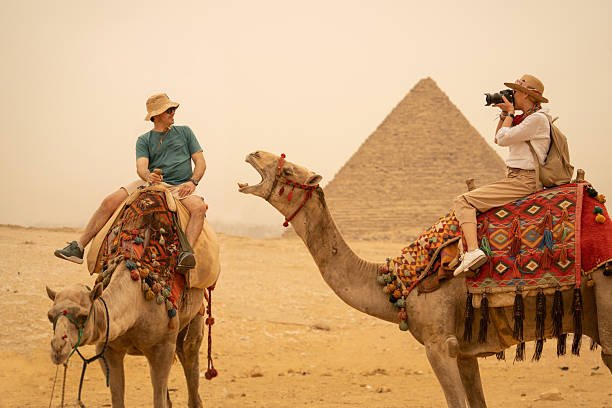
The question, “Is there camels in Africa?” is frequently asked, and the answer is a resounding yes. Camels are not only present in Africa but have also played an indispensable role in the continent's history, economy, and culture for thousands of years. While many associate them solely with the Middle East, Africa, particularly its northern and eastern regions, is home to a significant and thriving population of dromedary camels, often referred to as one-humped camels.
The Enduring Legacy: A Brief History of Camels in Africa
The introduction of camels to Africa marked a transformative period, particularly for trade and travel across vast, arid landscapes. Historical evidence suggests that dromedary camels were first domesticated in the Arabian Peninsula around 3000 BCE. Their arrival in North Africa is thought to have occurred in several waves, with significant migrations around 1000 BCE and again during the Roman era, consolidating their presence by the 1st century AD.
Initially, horses and donkeys were the primary beasts of burden in the Sahara. However, these animals proved less resilient to the extreme desert conditions. The camel, with its unparalleled ability to endure long journeys without water and carry heavy loads, quickly replaced them. This pivotal shift revolutionized trans-Saharan trade routes, allowing for the transportation of goods like salt, gold, textiles, and spices across the formidable desert, linking sub-Saharan Africa with North Africa and the Mediterranean world. The economic and cultural impact was immense, fostering the growth of powerful empires and facilitating the spread of ideas and religions.
Species Spotlight: Dromedary Camels Dominate the African Landscape
When discussing camels in Africa, it is almost exclusively the dromedary camel (Camelus dromedarius) that comes to mind. Characterized by its single hump, this species is perfectly adapted to the hot, arid, and semi-arid environments prevalent across much of the continent. The two-humped Bactrian camel (Camelus bactrianus), native to Central Asia, is rarely found in Africa, and if so, only in zoological parks or highly specialized private collections, not in the wild or as working animals.
The dromedary's dominance is due to its exceptional physiological traits, which have allowed it to thrive where other livestock struggles. These animals are not merely resilient; they are master survivors, embodying the spirit of the desert.
Where Do Camels Live in Africa? Distribution and Habitats
The distribution of African camels is largely concentrated in the continent's northern and eastern regions, mirroring the expanses of deserts and drylands. Their habitats are typically characterized by:
- Arid and Semi-Arid Climates: Regions receiving minimal rainfall.
- Desert Ecosystems: Including the vast Sahara Desert and the arid Horn of Africa.
- Savannas and Bushlands: Where vegetation is sparse but sufficient for grazing.
Key regions with significant camel populations in Africa include:
- North Africa: Countries like Egypt, Sudan, Libya, Algeria, Tunisia, Morocco, Mauritania, and Western Sahara have substantial camel populations, essential for nomadic communities and desert tourism.
- East Africa (Horn of Africa): Somalia, Ethiopia, Kenya, Eritrea, and Djibouti are major strongholds, with Somalia boasting one of the largest camel populations in the world. Here, camels are integral to pastoralist livelihoods.
- Sahel Region: The semi-arid belt south of the Sahara, stretching across countries like Chad, Niger, Mali, and Burkina Faso, also supports camel rearing, particularly among pastoralist groups.
These regions provide the specific environmental conditions—high temperatures, low humidity, and sparse vegetation—to which dromedaries are uniquely suited.
The Ecological Marvel: Adaptations of African Camels
The dromedary camel's ability to survive and thrive in Africa's most extreme environments is a testament to its extraordinary evolutionary adaptations. These adaptations make it the ideal creature for navigating the harsh realities of desert life:
Water Conservation and Management
- Efficient Water Use: Camels can drink vast amounts of water (up to 40 gallons) in minutes, replenishing their reserves.
- Temperature Regulation: Unlike many mammals, a camel's body temperature can fluctuate significantly (from 93°F to 105°F), reducing the need to sweat and thus conserving water.
- Kidney Efficiency: Their kidneys are highly efficient, producing concentrated urine to minimize water loss.
- Facial Adaptations: Slit-like nostrils can be closed to keep out sand, and long eyelashes protect their eyes from sand and sun.
The Role of the Hump
Contrary to popular belief, a camel's hump does not store water. Instead, it is primarily a reservoir of fat. This fat serves several crucial purposes:
- Energy Reserve: When food and water are scarce, the camel metabolizes the fat for energy and metabolic water.
- Thermal Regulation: Concentrating fat in one area minimizes insulation across the rest of the body, allowing for better heat dissipation from other body surfaces, which is vital in hot climates.
Physical Attributes for Desert Travel
- Broad, Padded Feet: These feet spread the camel's weight, preventing them from sinking into soft sand.
- Thick Hide: Provides insulation from the intense sun.
- Strong Legs: Capable of carrying heavy loads over long distances and rough terrain.
The Cultural and Economic Significance of Camels in Africa
The importance of African camels extends far beyond their biological adaptations; they are deeply woven into the socio-economic fabric of many communities, particularly pastoralist and nomadic groups.
The “Ship of the Desert”
For centuries, camels have been the primary mode of transportation across Africa's deserts. Their ability to cover long distances with heavy loads makes them invaluable for:
- Trade and Commerce: Transporting goods, as seen in the historic trans-Saharan trade routes.
- Nomadic Lifestyles: Moving families, homes, and possessions across vast territories in search of pasture and water.
- Tourism: Offering camel rides for tourists exploring deserts in countries like Egypt, Morocco, and Kenya, providing a unique cultural experience and contributing to local economies.
Source of Livelihood: Products from Camels
Camels provide a multi-faceted source of sustenance and income for millions of Africans:
| Product | Description | Significance in Africa |
|---|---|---|
| Camel Milk | Nutritious, low in fat, high in Vitamin C, and has medicinal properties. | Staple food for pastoral communities, growing commercial market. |
| Camel Meat | Lean protein source, particularly important during dry seasons. | Consumed in many regions, especially among nomadic groups. |
| Camel Hair/Wool | Used for weaving fabrics, blankets, and traditional crafts. | Economic value for local artisans and communities. |
| Camel Hides | Used for leather goods, sandals, and containers. | Traditional use, also for crafting durable items. |
| Dung | Used as fuel in areas where other resources are scarce. | Sustainable energy source in desert environments. |
Beyond these tangible products, camels are also a symbol of wealth and status in many African cultures. They are often used as dowry, for ceremonial purposes, and as participants in traditional races and festivals, reinforcing their deep cultural integration.
Challenges and the Future of Camels in Africa
While camels remain vital in Africa, their role is not without its challenges. Modernization brings new forms of transportation, reducing the camel's dominance as a pack animal. Climate change poses a threat through increased desertification and unpredictable rainfall, impacting grazing lands and water sources. Competition for resources with other livestock and wildlife is also a growing concern.
However, the camel's inherent drought resistance and ability to thrive in harsh conditions make it an increasingly relevant animal in a world grappling with climate change. Efforts are underway to support sustainable camel pastoralism, improve veterinary care, and develop value chains for camel products, ensuring that these remarkable animals continue to play a crucial role in Africa's future.
Research into camel genetics, breeding for enhanced productivity, and the health benefits of camel milk are areas gaining traction, highlighting a renewed appreciation for these desert dwellers. Their unique biology makes them a valuable asset in the face of environmental challenges, offering food security and economic stability to vulnerable communities.
Beyond Domesticity: Camels and African Wildlife
While the focus is predominantly on domestic dromedary camels, it's worth noting their interaction within African ecosystems. As grazers and browsers, they can influence vegetation patterns. However, unlike some introduced species, African camels have been an integral part of the landscape for so long that many ecosystems have adapted to their presence. They often co-exist with native wildlife, including antelopes, ostriches, and various birds, typically utilizing different niches or feeding patterns, especially in the more expansive desert and semi-desert areas.
The image of a camel caravan silhouetted against an African sunset is not just picturesque; it’s a living testament to a profound and enduring relationship between humans, animals, and the environment. These creatures have shaped economies, facilitated cultural exchange, and continue to sustain millions, making them an iconic and indispensable part of the African continent.
Conclusion: Camels Are Indeed an Integral Part of Africa
In conclusion, to answer the question, “Is there camels in Africa?”, unequivocally, yes, there are. The dromedary camel is not merely present but is a deeply integrated, highly valued, and economically significant animal across vast swathes of North and East Africa. From their historic role in transforming trade and nomadic lifestyles across the Sahara to their modern-day importance as a source of milk, meat, and transportation, African camels embody resilience and adaptation. Their unique physiological features allow them to thrive in the harshest desert environments, making them indispensable to the cultures and economies of many African nations. The future of these magnificent creatures in Africa remains promising, as their ability to withstand arid conditions becomes ever more critical in a changing world.
Enjoyed this read?
Share it with your friends and colleagues.