Did Canada Have African Slaves

BSC Insights Admin
September 30, 2026
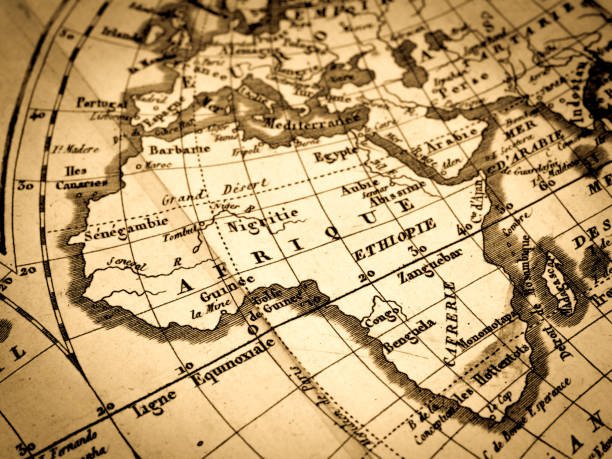
Yes, Canada did have African slaves, a historical reality that often surprises many given the nation's later reputation as a haven for those escaping slavery. The practice of slavery was deeply embedded in the colonial territories that would eventually form modern Canada, beginning with New France and continuing through British colonial rule until its abolition throughout the British Empire in 1834. Understanding this period is crucial for a complete picture of Canada's complex past and the enduring legacy of Black communities.
The Origins of Slavery in New France
Slavery in what is now Canada began long before British conquest, specifically under French colonial rule in New France. While Indigenous slavery (known as 'Panis') predated European arrival and was also adopted by the French, the focus here is on African slavery in Canada, which started with the transatlantic slave trade. The first recorded enslaved African in New France was a young boy named Olivier Le Jeune, brought to Quebec in 1629. Though initially thought to be from Madagascar, historical consensus now points to him being from West Africa.
The practice of owning enslaved people was formalized and legally sanctioned. In 1689, King Louis XIV of France officially authorized the importation of enslaved Africans into New France to address labor shortages, particularly in domestic service and agricultural work. While the scale of slavery was never as vast as in the Caribbean or the southern United States, it was a significant aspect of colonial society. Enslaved individuals were considered property, bought, sold, and inherited, their lives dictated by their enslavers.
Key Aspects of Slavery in New France:
- Domestic Focus: Many enslaved Africans were primarily used in domestic roles in urban centers like Montreal and Quebec City.
- Limited Numbers: Due to a colder climate less suited for large-scale plantation agriculture and challenges in transportation, the enslaved population remained relatively small compared to other colonies. Estimates vary, but suggest several thousand enslaved Africans over the French colonial period.
- Legal Status: The Code Noir, a set of regulations governing slavery in French colonies, influenced how enslaved people were treated, though it was not formally adopted in New France. Instead, local ordinances and customs prevailed.
- Notable Cases: The story of Marie-Joseph Angélique is particularly poignant. An enslaved African woman accused of setting fire to Montreal in 1734, she was tortured and publicly executed. Her case highlights the precarious and brutal realities faced by enslaved individuals and their lack of legal recourse.
Slavery Under British Rule in British North America
When the British conquered New France in 1760 and officially gained control in 1763, the institution of slavery not only continued but expanded in what became British North America. British common law recognized slavery, and with the influx of Loyalist refugees after the American Revolutionary War (1775–1783), the enslaved population significantly increased.
Many Loyalists who migrated to British North America (primarily Nova Scotia, New Brunswick, Prince Edward Island, and what would become Upper Canada and Lower Canada) brought their enslaved people with them. These Loyalist slaves often arrived under false promises of freedom for their service during the war, only to find themselves re-enslaved in their new homes. The Loyalist migration cemented slavery in these burgeoning British colonies.
The Economic and Social Impact:
In Upper Canada (present-day Ontario) and Lower Canada (present-day Quebec), enslaved Africans worked in a variety of capacities:
- Agriculture: On farms and estates, particularly in the fertile lands of Upper Canada.
- Domestic Service: As cooks, cleaners, and caregivers in the homes of wealthy merchants, loyalists, and government officials.
- Skilled Trades: Some were trained as blacksmiths, carpenters, or other artisans.
- Laborers: In ports, mills, and various infrastructure projects.
Slavery was an integral, though often overlooked, part of the colonial economy and social fabric. Enslaved people were dehumanized, subjected to brutal treatment, family separation, and denied basic rights and freedoms. Their contributions, often forced, were essential to the development of early Canadian settlements.
The Lives of Enslaved People and Acts of Resistance
Life for an enslaved person in Canada was marked by extreme hardship, lack of agency, and constant vulnerability. Despite the often-romanticized image of Canada as solely a land of freedom, the reality for enslaved Africans was one of forced labor, violence, and systematic oppression. Families were torn apart, individuals could be bought and sold at will, and the future was uncertain.
However, enslaved people were not passive victims. Acts of resistance, both overt and subtle, were common. These included:
- Running Away: Fleeing to freedom, often to neighboring colonies or sparsely populated areas.
- Sabotage: Breaking tools, feigning illness, or working slowly to disrupt production.
- Cultural Preservation: Maintaining African traditions, languages, and spiritual practices in secret.
- Rebellion: While large-scale revolts were rare in Canada, individual acts of defiance and resistance to authority were prevalent.
These acts of resilience underscore the enduring spirit of enslaved individuals striving for dignity and liberty in the face of immense adversity. The struggle for freedom was a constant, arduous journey for many enslaved Africans in colonial Canada.
The Abolitionist Movement in British North America
Towards the late 18th and early 19th centuries, growing abolitionist sentiments began to challenge the institution of slavery across the British Empire. In British North America, this movement gained traction, fueled by Enlightenment ideals, religious convictions (particularly among Quakers and Methodists), and the legal challenges mounted by enslaved individuals and their allies.
One of the most significant early challenges to slavery came in Upper Canada. In 1793, Lieutenant Governor John Graves Simcoe, influenced by the plight of an enslaved woman named Chloe Cooley who was violently sold against her will, pushed for legislation to curb slavery. While complete abolition was not politically feasible at the time, Simcoe's efforts led to the Act to Limit Slavery in Upper Canada.
The 1793 Act to Limit Slavery:
This landmark legislation, though not immediately abolishing slavery, was a crucial step:
- It prohibited the importation of new enslaved people into Upper Canada.
- It declared that children born to enslaved mothers after July 9, 1793, would be freed upon reaching the age of 25.
- It decreed that all existing enslaved people would remain enslaved for life, but their children's children would be born free.
This Act made Upper Canada the first jurisdiction in the British Empire to legislate against slavery. While it meant a gradual end rather than immediate freedom for existing enslaved people, it signaled a shift in policy and laid the groundwork for future abolitionist efforts. In Lower Canada, while no specific abolitionist legislation was passed, court rulings gradually chipped away at the legality of slavery, often siding with enslaved individuals seeking freedom.
The Role of Black Loyalists and Free Black Communities
The American Revolutionary War dramatically reshaped the Black population in British North America. Thousands of enslaved Africans who sided with the British were promised freedom for their service. After the war, an estimated 3,500 Black Loyalists were evacuated to Nova Scotia and other British colonies. They were promised land and freedom, but often faced discrimination, smaller land grants of poorer quality, and enduring racism.
Despite these challenges, Black Loyalists established vibrant communities like Birchtown, Nova Scotia, which became the largest free Black settlement in North America at the time. These communities were crucial for the development of Black culture, religion, and self-governance in Canada. However, facing ongoing discrimination and hardship, many Black Loyalists eventually emigrated to Sierra Leone in West Africa in 1792, seeking a truly free and equitable society.
Throughout the early 19th century, other free Black communities emerged, further strengthening the abolitionist cause and providing havens for those escaping slavery. These communities became vital waystations for the future Underground Railroad.
Canada as a Destination for Freedom: The Underground Railroad
By the 1830s, the official end of slavery in the British Empire (including Canada) dramatically altered Canada's role in the lives of enslaved people. The British Parliament passed the Slavery Abolition Act in 1833, which came into effect on August 1, 1834. This Act emancipated most enslaved people throughout British colonies, making Canada officially a land where slavery was outlawed.
This legal change, combined with the passage of the Fugitive Slave Act in the United States in 1850 (which made it legal to capture and return freedom seekers even from northern states), cemented Canada's reputation as a sanctuary. The Underground Railroad, a clandestine network of routes and safe houses, guided thousands of enslaved African Americans to freedom in Canada. Between 30,000 and 40,000 freedom seekers are estimated to have made their way to various parts of Canada, particularly Upper Canada (Ontario).
Life for Freedom Seekers in Canada:
Upon arrival, these new immigrants faced new challenges, including:
- Racism and Discrimination: Despite being free, they still encountered prejudice and systemic barriers.
- Economic Hardship: Many arrived with little to no possessions and had to establish new lives from scratch.
- Community Building: They built strong, resilient communities, establishing churches, schools, and businesses, notably in towns like Windsor, Chatham, and St. Catharines in Ontario.
The story of the Underground Railroad is a powerful testament to the courage of freedom seekers and the dedication of abolitionists, both Black and white, who risked their lives to help others find liberty. While Canada had its own history of slavery, its transformation into a destination for freedom is a critical part of its historical narrative.
The Enduring Legacy and Remembrance
The history of African slavery in Canada, though often marginalized in public consciousness, has a profound and lasting legacy. It shaped the demographic, economic, and social development of the country and contributed to the systemic racism that Black Canadians have faced for centuries.
Today, efforts are being made to acknowledge and educate the public about this often-overlooked chapter. Memorials, historical markers, and educational programs are helping to bring this history to light. Understanding that slavery was not solely an American phenomenon but also existed within Canada is vital for a comprehensive understanding of Canadian identity and its relationship to global histories of race and colonialism.
Key Takeaways on Canada's History with Slavery:
| Period | Key Characteristics | Impact on Enslaved People |
|---|---|---|
| New France (17th-18th Century) | Formalized under French rule, domestic focus, smaller scale, legal sanction. | Dehumanization, forced labor, limited legal protection, acts of resistance. |
| British North America (18th-19th Century) | Expansion with Loyalists, diverse labor roles, continued legal recognition. | Increased numbers, continued hardship, growing abolitionist challenges. |
| Abolition Era (Late 18th-Early 19th Century) | Gradual legislative limits (Upper Canada 1793), judicial challenges in Lower Canada. | Hope for freedom, creation of free Black communities, ongoing discrimination. |
| Post-1834 Abolition | Official end of slavery, Canada becomes a haven via the Underground Railroad. | New challenges of integration and systemic racism for freedom seekers and descendants. |
In conclusion, the question of 'Did Canada have African slaves?' can be unequivocally answered with a 'yes.' From the 17th century through the early 19th century, slavery was a legal and practiced institution in the colonies that would become Canada. While the scale differed from other parts of the Americas, its impact on the enslaved, their descendants, and the development of Canadian society was significant and enduring. Acknowledging this history is not just about recounting facts, but about recognizing the profound human cost of slavery and its continued reverberations in contemporary Canada, fostering a more complete and truthful national narrative.
Enjoyed this read?
Share it with your friends and colleagues.