Characteristics Of Africa

BSC Insights Admin
October 01, 2026
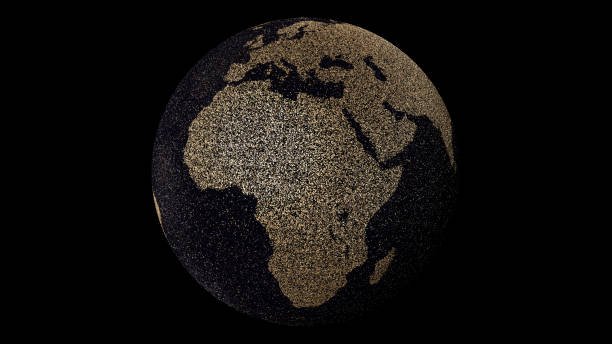
The varied Characteristics of Africa encompass a vast array of geographic, cultural, and economic features that define the second-largest continent on Earth. It is a landmass known for its incredible linguistic diversity, housing over two thousand distinct languages spoken across fifty-four recognized nations. These traits make it a unique area of study for researchers who want to understand the complexities of global development and human history.
Exploring these attributes provides a clearer picture of how the continent functions as a whole while respecting its significant internal differences. This article details the specific elements that contribute to the identity found across the northern, southern, eastern, and western regions.
These are the Characteristics Of Africa
The defining traits of the continent are as diverse as the people who live there, ranging from extreme physical landscapes to a young and rapidly growing population. To understand the current state of the region, one must look at the intersection of its natural environment and the social structures that have evolved over thousands of years. Below is an exhaustive list of the primary characteristics that highlight the uniqueness of the African continent in the modern world.
1. Massive Geographic Scale and Variety
One of the most striking physical traits of the region is its immense size, which covers about thirty million square kilometers and spans across both the northern and southern hemispheres. This scale allows for an incredible variety of landscapes, including the vast Sahara Desert, the lush Congo Rainforest, and the expansive savannas of the Serengeti. The geographic diversity is further enhanced by massive water systems like the Nile, which is the longest river in the world, and Lake Victoria, the largest tropical lake. These features dictate the lifestyles and economies of the people living near them, influencing everything from agriculture to transportation. In any country in Africa Characteristics Of Africa are often first noticed through these dramatic changes in terrain and natural beauty.
2. Unrivaled Linguistic and Ethnic Diversity
Africa is home to a staggering number of ethnic groups and languages, making it the most linguistically diverse continent on the planet. With over two thousand native languages, the continent represents a rich mosaic of oral traditions and cultural expressions that have been preserved for centuries. Major language families such as Afro-Asiatic, Nilo-Saharan, Niger-Congo, and Khoisan are spoken across various regions, with some nations housing hundreds of distinct dialects within their borders. Nigeria alone is home to over five hundred languages, highlighting the complexity of its social fabric. This diversity is a source of cultural pride and provides a deep well of indigenous knowledge that continues to influence modern African society. It is a core feature that defines the human landscape of the region.
3. Demographic Trends and the Youth Bulge
The continent possesses the youngest population in the world, with roughly sixty percent of its inhabitants under the age of twenty-five. This "youth bulge" represents both a significant challenge and a massive opportunity for future economic growth and social innovation. As many other parts of the world face aging populations, Africa is positioned to become a global hub for labor and consumer demand in the coming decades. Governments are increasingly focusing on education and vocational training to harness the potential of this young workforce. This demographic profile influences everything from digital technology adoption to political activism and urban culture. It is a defining trait that sets the continent apart from more developed regions like Europe or East Asia.
4. Natural Resource Wealth and Geological Diversity
Africa is exceptionally rich in natural resources, holding a significant portion of the worlds reserves of gold, diamonds, cobalt, and platinum. These minerals are essential for global industries, including electronics, jewelry, and the transition to renewable energy through battery production. Beyond minerals, the continent also possesses vast oil and gas reserves, particularly in nations like Nigeria, Angola, and Algeria. The soil in many regions is also highly fertile, offering immense potential for large-scale agriculture and food production for a growing global population. Managing this wealth remains a central theme for many governments as they work toward sustainable development and economic diversification. The presence of these resources has historically shaped the continents relationships with global powers.
5. The Impact of the Great Rift Valley
The Great Rift Valley is a massive geological feature that stretches thousands of kilometers from the Middle East down to Mozambique, shaping the topography of East Africa. This rift system is responsible for the formation of the continents highest mountains, including Mount Kilimanjaro and Mount Kenya, as well as several deep freshwater lakes. The valley is also a site of great archaeological significance, as it has yielded some of the oldest hominid fossils ever discovered, earning it the title of the cradle of mankind. The volcanic activity associated with the rift has created fertile soils that support diverse ecosystems and intensive agriculture. It is a perfect example of an African country which Characteristics Of Africa are defined by tectonic forces and ancient history. This geographic wonder continues to attract scientists and tourists from around the world.
6. Historical Civilizations and Ancient Empires
Long before the colonial era, Africa was home to some of the worlds most powerful and sophisticated empires, including ancient Egypt, Aksum, Mali, and Great Zimbabwe. These civilizations were centers of trade, learning, and architectural innovation, establishing trans-Saharan trade routes that connected the continent to Europe and Asia. The University of Timbuktu in the Mali Empire was a renowned center of Islamic scholarship, housing thousands of ancient manuscripts. The stone structures of Great Zimbabwe and the pyramids of Sudan are lasting testaments to the engineering skills of ancient African peoples. This deep historical heritage provides a foundation for the modern continental identity and challenges the narrative that Africa had no history before the arrival of outsiders. These empires left behind a legacy of social organization and regional influence.
7. Climate Zones and Ecological Adaptation
The continent is unique because it is bisected by the equator, resulting in a symmetrical distribution of climate zones ranging from tropical rainforests to arid deserts. This climatic variety requires humans and wildlife to develop specific adaptations to survive in extreme conditions. In the tropical regions, high rainfall supports dense biodiversity, while in the arid zones, nomadic lifestyles have evolved to track seasonal water sources. The seasonal patterns of the savanna dictate the massive wildlife migrations that are characteristic of regions like the Maasai Mara and the Serengeti. Climate change is currently a major concern for the continent, as rising temperatures and shifting rainfall patterns threaten food security and water availability. Understanding these climate zones is essential for anyone studying the environmental Characteristics of Africa.
8. Urbanization and the Rise of Megacities
Africa is currently undergoing the fastest rate of urbanization in the world, with millions of people moving from rural areas to cities every year in search of better opportunities. Megacities like Lagos, Cairo, and Kinshasa have become massive economic and cultural hubs, each housing over ten million inhabitants. This shift is transforming the social and economic landscape, leading to the growth of a new urban middle class and a vibrant informal economy. While urbanization brings challenges like housing shortages and infrastructure strain, it also fosters innovation in sectors like transportation and finance. The rise of these cities is a major indicator of the continents changing economic structure and its integration into the global market. It represents a move away from traditional agrarian societies toward a more connected urban future.
9. Cultural Heritage in Art and Music
The cultural output of the continent in terms of art, music, and literature is immense and has had a profound influence on global culture. From the intricate bronze castings of Benin to the modern rhythms of Afrobeat and Amapiano, African artists continue to push the boundaries of creativity. Traditional art forms often serve social or religious purposes, while contemporary African literature has gained international acclaim through the works of authors like Chinua Achebe and Chimamanda Ngozi Adichie. The diverse festivals, dances, and culinary traditions across the continent reflect a deep-seated respect for heritage and community. Music, in particular, has become a powerful tool for storytelling and social commentary in the modern era. This cultural vibrancy is one of the most recognizable and celebrated aspects of the region.
10. Political Landscapes and Post-Colonial Evolution
The political map of the continent was largely drawn during the Berlin Conference of the late nineteenth century, resulting in borders that often ignored existing ethnic and linguistic boundaries. Since the independence movements of the mid-twentieth century, African nations have worked to establish stable democratic systems and regional cooperation through the African Union. While some regions have faced challenges like civil unrest or governance issues, others have emerged as models of stability and peaceful transitions of power. The ongoing effort to promote pan-Africanism and economic integration is aimed at giving the continent a stronger voice in global affairs. This political evolution is a constant process that reflects the aspirations of the people for self-determination and progress. It is a key characteristic of the modern state-building process in the region.
11. Economic Potential and the African Continental Free Trade Area
Africa is often described as the last frontier of global economic growth, with several of the worlds fastest-growing economies located on the continent. The establishment of the African Continental Free Trade Area aims to create a single market for goods and services, making it the largest free trade area in the world by the number of participating countries. This initiative is designed to boost intra-African trade, which has historically been lower than trade with external partners. By reducing tariffs and harmonizing trade regulations, the continent hopes to attract more investment and create millions of jobs for its young population. This economic shift is supported by a growing service sector and a focus on industrialization. It is an exciting period of transition for those asking which country that Characteristics Of Africa in Africa are most promising for investment.
12. Technological Leapfrogging in Telecommunications
One of the most remarkable trends on the continent is technological leapfrogging, where nations have bypassed older technologies like landline telephones to go straight to mobile and digital solutions. Africa is a global leader in mobile money services, with platforms like M-Pesa in Kenya revolutionizing financial inclusion for millions of unbanked people. The tech sectors in hubs like Nairobi, Lagos, and Cape Town are booming, with startups focusing on solving local problems in healthcare, agriculture, and education. This digital revolution is powered by high rates of smartphone penetration and a tech-savvy youth population. It shows the continents ability to adapt and innovate in the face of infrastructure challenges. Technology is becoming a primary tool for driving social and economic change across the region.
13. The Resilience of Indigenous Knowledge Systems
Traditional knowledge systems remain a vital part of life in many African societies, particularly in areas like herbal medicine, sustainable farming, and environmental conservation. These systems are based on centuries of observation and interaction with the local environment, providing solutions that are often more sustainable than modern alternatives. In many rural communities, elders still play a key role in passing down this wisdom to younger generations through oral storytelling and apprenticeship. There is a growing movement to integrate this indigenous knowledge into modern scientific research and policy-making. This resilience shows the strength of African cultural values and their continued relevance in a changing world. It is a characteristic that highlights the continents deep connection to its roots.
14. Vibrant Traditions of Communalism and Ubuntu
A central philosophy in many sub-Saharan cultures is the concept of communalism, often expressed through the South African term "Ubuntu," which means "I am because we are." This focus on the interconnectedness of individuals and the importance of community support is a defining social trait across the continent. It influences everything from family structures to business practices and social welfare. In times of crisis, these communal networks often provide a safety net that formal institutions may lack. This social cohesion is a major strength that helps societies navigate the challenges of poverty and political change. It fosters a culture of hospitality and mutual respect that is often noted by visitors to the region. This communal spirit is a pillar of the continents social identity.
15. Environmental Conservation and Wildlife Heritage
Africa is world-famous for its incredible wildlife, including the "Big Five" and thousands of endemic species found nowhere else on earth. The commitment to environmental conservation is evident in the vast networks of national parks and transfrontier conservation areas that protect these natural assets. Nations like Botswana and Namibia have become global leaders in sustainable wildlife tourism, where the benefits of conservation are shared with local communities. This natural heritage is a major economic driver and a source of national pride for many countries. However, the continent faces significant challenges from poaching and habitat loss, requiring constant vigilance and international cooperation. Protecting this biodiversity is essential for the ecological health of the entire planet. It is a defining Characteristic of Africa that captures the global imagination.
Reasons Why These Countries Exhibit Specific Characteristics Of Africa in Africa
The unique attributes of the continent are not accidental but are the result of deep-seated historical, geological, and social drivers. These reasons explain why certain African countries that Characteristics Of Africa are most evident in have developed in such distinct ways over time.
1. Tectonic History and Continental Drift: The physical geography of the continent was shaped by its position at the center of the ancient supercontinent Gondwana. As the other continents broke away, Africa remained relatively stable, resulting in its massive plateau-like structure and the formation of the Great Rift Valley. This geological history explains the lack of long mountain ranges like the Andes or the Himalayas and the presence of ancient, mineral-rich soils. The tectonic forces still at work in East Africa continue to create new landscapes and influence the climate patterns of the region. This is a fundamental reason for the geographic Characteristics of Africa seen today.
2. The Legacy of the Berlin Conference: The political and social Characteristics of Africa were profoundly altered by the arbitrary drawing of borders by European powers in 1884. This colonial partitioning often split ethnic groups across different nations or grouped rival groups together, leading to complex internal dynamics in the post-colonial era. Many African countries that Characteristics Of Africa identify as diverse are still navigating the challenges of creating national unity within these inherited borders. This history explains the prominence of colonial languages like English, French, and Portuguese as official languages in many nations. It also created the administrative structures that many governments have had to reform over the decades.
3. High Fertility Rates and Cultural Values: The demographic Characteristic of a young population is driven by high fertility rates and a cultural emphasis on large families and the value of children. In many agrarian societies, having many children is seen as an economic asset and a form of social security for parents in their old age. As healthcare improves and infant mortality rates decline, the population has grown rapidly, creating the youth bulge seen today. This trend is slowly changing in urban areas as education and economic opportunities increase, but the young demographic profile will remain a defining feature for many years. This is a primary driver of the social and economic energy found in a country in Africa Characteristics Of Africa are observable in.
4. Geographic Isolation and the Sahara Barrier: For centuries, the Sahara Desert acted as a major barrier between sub-Saharan Africa and the Mediterranean world, leading to the development of unique social and cultural systems in the interior. While trade did occur via caravans, the isolation allowed for the preservation of indigenous religions, art forms, and social structures that were distinct from those in the north. This geographic separation explains the differences in religious and cultural Characteristics of Africa between the Arab-influenced north and the predominantly Christian or traditional south. The desert itself is a defining geographic feature that influences the climate and ecology of the entire northern half of the continent. It is a major factor in the continental diversity.
5. Diverse Geological Formations and Mineralization: The wealth of natural resources is the result of ancient geological processes that created high concentrations of minerals in specific cratons and mobile belts across the continent. For instance, the Bushveld Complex in South Africa contains the worlds largest reserves of platinum group metals, while the Copperbelt in Zambia and the DRC is a global hub for copper and cobalt. These geological anomalies have made the continent a primary target for global mining interests for over a century. This resource endowment dictates the economic Characteristics of Africa and its role in the global supply chain. It also influences the geopolitical importance of certain regions.
6. Adaptation to Diverse Ecosystems: The human Characteristic of resilience is born from the need to adapt to a wide range of environments, from the hyper-arid deserts to the humid tropics. Traditional knowledge of water management, cattle herding, and forest conservation has allowed African communities to thrive where others might fail. This adaptability is seen in the nomadic groups of the Sahel and the fishing communities of the Great Lakes. Modern innovations in agriculture and technology are often built on these foundational adaptations to the environment. It is a reason why the continent maintains such a vibrant and varied lifestyle across its many nations. This adaptability is a core part of the African spirit.
Conclusion
The diverse Characteristics of Africa represent a continent in transition, balancing its rich ancient heritage with a rapidly modernizing and youthful society. From the geological wonders of the Great Rift Valley to the technological innovations of its megacities, the region continues to redefine itself on the global stage. While challenges like economic integration and political stability remain, the continents immense natural wealth and human potential provide a solid foundation for a prosperous future. Understanding these traits is essential for anyone wishing to engage with the vibrant and complex reality of the African nations. As a country in Africa Characteristics Of Africa are always evolving, ensuring that the continent will remain a central part of the global narrative for centuries to come.
Enjoyed this read?
Share it with your friends and colleagues.