Did Christianity Originate In Africa

BSC Insights Admin
October 01, 2026
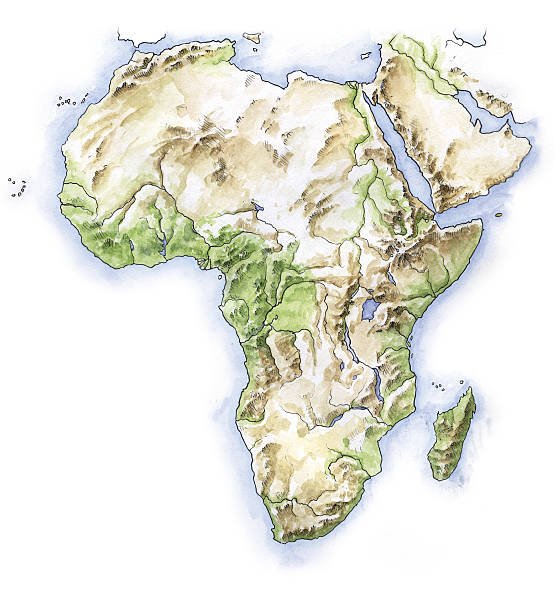
The question of Did Christianity originate in Africa often arises due to the continent's profound and undeniable historical connections to the faith. While the undisputed geographical origin of Christianity is the Middle East, specifically ancient Judea (modern-day Israel/Palestine), Africa played an absolutely pivotal and foundational role in its very early spread, development, and theological shaping, becoming home to some of the world's oldest and most influential Christian communities.
The True Geographical Origins of Christianity
To understand the full picture, it is essential to first clarify the primary genesis of Christianity. The faith began in the Roman province of Judea, in the region often referred to as the Levant.
- Birth of Jesus Christ: Jesus, the central figure of Christianity, was born in Bethlehem and lived and ministered predominantly in Galilee and Judea. His life, crucifixion, and resurrection are the core events from which Christianity emerged.
- Apostolic Era: Following Jesus' ascension, the apostles, led by Peter and Paul, began spreading his teachings. The Day of Pentecost, described in the biblical book of Acts, saw the Holy Spirit descend upon believers in Jerusalem, marking the birth of the Christian Church. This event drew people from many nations, including those from African regions like Egypt, Libya (Cyrene), and Ethiopia.
Thus, the initial spark of Christianity ignited in the Middle East. However, its embers quickly traveled across the Mediterranean, finding fertile ground in Africa.
Africa's Immediate Connection and Early Embrace of Christianity
Africa was not merely a recipient of Christianity; it was an active participant in its formative stages, almost immediately after the faith's inception. The continent's proximity to the Holy Land, coupled with established trade routes and diverse populations, facilitated this swift adoption.
The Biblical Link: The Ethiopian Eunuch
One of the earliest and most significant biblical accounts of Christianity reaching Africa is found in the Book of Acts (Chapter 8). This narrative details the conversion of an Ethiopian eunuch by the Apostle Philip.
- First Recorded African Convert: This event is often cited as the first recorded instance of a non-Jewish African convert to Christianity.
- Impact: The eunuch, a high official serving the Queen of Ethiopia (Candace), returned to his homeland carrying the Christian message, potentially sowing the seeds for one of the oldest continuous Christian communities in the world. This narrative highlights Africa's early and direct connection to the apostolic mission.
St. Mark and the Alexandrian Church
Tradition holds that St. Mark the Evangelist, the author of the Gospel of Mark, was the founder of the Church in Alexandria, Egypt, around 42 AD. Alexandria was one of the largest and most influential cities in the Roman Empire, a bustling hub of trade, philosophy, and diverse cultures.
- Founding of the Coptic Church: Mark's evangelism in Alexandria is considered the origin of the Coptic Orthodox Church, which remains a vibrant and significant Christian denomination in Egypt today.
- Center of Learning: Alexandria quickly became a major intellectual and theological center of early Christianity, rivaling Rome and Antioch in influence.
Key African Centers Shaping Early Christianity
By the 2nd and 3rd centuries AD, North Africa, particularly Egypt and Carthage, emerged as crucial intellectual and spiritual powerhouses that profoundly influenced the direction and doctrine of Christianity.
Alexandria, Egypt: A Theological Powerhouse
The origins of Christianity in Alexandria led to it becoming a beacon of theological thought and scholarship. The Catechetical School of Alexandria was world-renowned.
- Pioneering Theologians: Figures like Clement of Alexandria (c. 150-215 AD) and Origen Adamantius (c. 185-254 AD) were instrumental in developing early Christian philosophy and biblical interpretation. Their writings laid much of the groundwork for Christian doctrine.
- Development of Monasticism: Egypt is also considered the birthplace of Christian monasticism, with figures like St. Anthony the Great (c. 251-356 AD) and St. Pachomius (c. 292-348 AD) establishing the first communities of hermits and cenobitic (communal) monks in the deserts. This practice profoundly influenced Christian spirituality worldwide.
- Council of Nicaea: Alexandrian theologians, notably Athanasius, played a critical role in the Council of Nicaea (325 AD), which formulated the Nicene Creed, a foundational statement of Christian belief.
Carthage, Roman Africa: Latin Christianity's Cradle
Located in modern-day Tunisia, Carthage was another vital center for Christianity in North Africa. It was a focal point for Latin-speaking Christianity and produced some of the most influential Church Fathers.
- Tertullian (c. 160-225 AD): Often called the "Father of Latin Christianity," Tertullian was a prolific theologian and apologist. He coined many theological terms in Latin that became standard in Western Christianity, such as "Trinity" (trinitas) and "substance" (substantia).
- Cyprian of Carthage (c. 200-258 AD): A bishop and martyr, Cyprian addressed critical issues regarding the unity of the Church and the treatment of lapsed Christians during persecutions.
- Augustine of Hippo (354-430 AD): Arguably the most influential theologian in Western Christianity, Augustine was born in Thagaste (modern Algeria) and served as Bishop of Hippo Regius (modern Annaba, Algeria). His writings, such as Confessions and City of God, shaped Western theology for centuries, profoundly influencing concepts of sin, grace, predestination, and the nature of the Church. His impact is immeasurable.
Nubia and Ethiopia: Ancient African Christian Kingdoms
Beyond the Roman provinces of North Africa, Christianity flourished independently in kingdoms further south, demonstrating the indigenous spread of the faith.
- Nubian Christianity: By the 6th century, the ancient kingdoms of Nubia (modern Sudan) were largely Christianized, constructing numerous churches and monasteries. This region maintained its Christian identity for centuries, even after the spread of Islam in North Africa.
- Ethiopian Orthodox Tewahedo Church: Ethiopia boasts one of the oldest continuous Christian traditions globally, tracing its roots back to the 4th century through the missionary efforts of Frumentius and Aedesius, who converted King Ezana of Aksum. This church developed unique liturgical practices, a distinct biblical canon, and a rich cultural heritage, showcasing a truly indigenous form of African Christianity that was not beholden to Rome or Byzantium.
African Contributions to Early Christian Theology and Practice
The notion that Did Christianity originate in Africa might be technically incorrect in its absolute sense, but the continent's role in developing Christian thought, structure, and practice is undeniable and central to its global identity.
African theologians and communities contributed significantly in several areas:
- Theological Foundations: From Clement and Origen defining early Christology and biblical hermeneutics to Tertullian's Latin terminology and Augustine's monumental works on grace and sin, African thinkers provided critical intellectual architecture for Christian dogma.
- Monasticism: The Egyptian desert fathers and mothers pioneered monastic living, influencing Christian spirituality, discipline, and community life across the world.
- Martyrdom and Perseverance: North African Christians, like Saints Perpetua and Felicity, demonstrated immense courage during Roman persecutions, inspiring believers and shaping the concept of sainthood and witness.
- Biblical Preservation: Early African churches played a role in copying and preserving biblical texts, contributing to the transmission of scripture.
- Unique Traditions: The Ethiopian Church developed distinct traditions, including its own liturgy, calendar, and monastic practices, demonstrating a vibrant, independent expression of the faith.
Distinguishing Origin from Early Development and Influence
It is crucial to differentiate between the geographical birthplace of a religion and the regions that were instrumental in its early growth, intellectual refinement, and widespread dissemination. Christianity was born in the Middle East, but it found a second home, a powerful incubator, and a vital source of leadership and innovation in Africa.
Misconceptions surrounding the origins of Christianity sometimes arise from a Eurocentric view of history, which may overlook or downplay the significant contributions from non-European regions like North Africa. However, a comprehensive historical understanding reveals Africa as indispensable to the formation of early Christianity.
The Enduring Legacy of African Christianity
Today, Africa is home to one of the fastest-growing Christian populations globally. The ancient traditions, such as the Coptic Orthodox Church of Egypt and the Ethiopian Orthodox Tewahedo Church, continue to thrive, maintaining practices and beliefs that link directly back to the very early centuries of Christianity. New Protestant and Pentecostal movements are also flourishing, building upon a deep historical foundation.
The rich history of Christianity in Africa serves as a powerful reminder of the faith's global and diverse nature from its very inception. The continent's role was not peripheral but central to the formation of Christian thought, practice, and institutional development.
Conclusion
In conclusion, while the answer to Did Christianity originate in Africa is historically no – its birth occurred in the Middle East – the continent of Africa undeniably played an extraordinary and foundational role in the early development, theological shaping, and widespread dissemination of Christianity. From the immediate biblical connections of the Ethiopian eunuch to the theological genius of Alexandria and Carthage, and the independent ancient Christian kingdoms of Nubia and Ethiopia, Africa was a vital cradle for the faith. The contributions of African Church Fathers and the emergence of monasticism profoundly influenced Christian thought and practice worldwide, making early African Christianity an indispensable chapter in the global history of the faith.
Enjoyed this read?
Share it with your friends and colleagues.