Which Is The Coldest Country In Africa

BSC Insights Admin
September 30, 2026
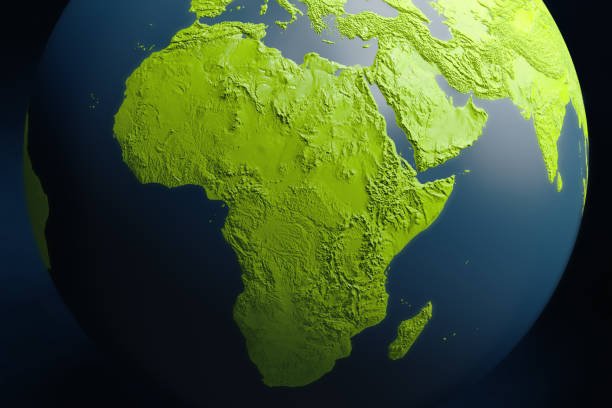
Lesotho is officially recognized as the African country which is the coldest primarily because it is the only sovereign state in the world that lies entirely above one thousand meters in elevation. This unique geographic characteristic results in a temperate climate where winter temperatures frequently plummet below freezing across the entire territory, unlike the tropical heat found in most other regions. Snowfall is a regular occurrence in the mountain ranges during the months of June, July, and August, making it a distinct exception to the common perceptions of the continental climate.
The varied topography of the continent means that while some regions are famous for scorching heat, others are defined by alpine conditions, frost, and seasonal ice. Understanding the coldest regions requires looking at how altitude, latitude, and oceanic currents intersect to create pockets of near-arctic environments in various parts of the continent.
These are the Countries that showcase Which Is The Coldest Country In Africa
When determining which nation takes the lead in low temperatures, we must distinguish between countries that have a consistently cold national average and those that merely possess high-altitude peaks with permanent ice. While several nations in the north and south experience cold winters, the landlocked kingdom of Lesotho maintains the lowest average temperature due to its extreme elevation. The following list identifies the nations where cold weather is a defining feature of the local environment, providing specific data and examples of the freezing conditions found within their borders. These countries represent the diverse ways that cold manifests across the African landscape, from the snowy peaks of the Atlas Mountains to the frosty plains of the Highveld.
1. Lesotho
Lesotho is the definitive answer for those asking which country that is the coldest in Africa because of its position as the "Kingdom in the Sky." With its lowest point being 1,400 meters above sea level, it is the highest country globally by its base elevation, which naturally leads to significantly lower temperatures than its neighbors. During the southern winter, temperatures in the Maloti Mountains frequently drop to -10 degrees Celsius, and the record low in the country was a staggering -20.4 degrees Celsius recorded in the late 1960s. This is one of the few places on the continent where skiing and snowboarding are legitimate tourist activities, centered around the Afriski Mountain Resort. The cold is not just a high-altitude phenomenon here; even the capital, Maseru, experiences regular frost and biting winds that sweep across the open plateaus. For the residents of Lesotho, the cold is a central part of their culture, famously represented by the traditional Basotho blanket which is worn as primary protection against the sub-zero temperatures.
2. Morocco
Morocco is home to the Atlas Mountains, which contain some of the most consistently snowy and cold regions in North Africa. The town of Ifrane, often referred to as "Little Switzerland," holds the record for the lowest temperature ever measured on the entire continent at -23.9 degrees Celsius in 1935. During the winter months, from December to February, the high-altitude regions are covered in deep snow, attracting skiers to resorts like Oukaïmeden, located just south of Marrakech. While the coastal cities remain mild, the interior and the mountain passes can be treacherous due to ice and heavy snowfall that often blocks roads for days. The contrast between the Saharan heat in the south and the alpine chill of the Atlas range is one of the most remarkable features of the Moroccan climate. As a country in Africa that is the coldest in the northern sub-region, Morocco demonstrates how proximity to the Mediterranean and high elevation can create a European-style winter in Africa.
3. South Africa
South Africa possesses a wide range of climates, but its interior plateau and southern mountain ranges make it one of the coldest nations on the continent during the winter. The town of Sutherland, located in the Northern Cape province, is widely considered the coldest town in the country, with average winter minimums reaching -6 degrees Celsius and frequent snow. South Africa's cold is driven by its latitude, as it sits far enough south to be influenced by cold air masses moving up from the Southern Ocean and Antarctica. The Drakensberg Mountains are regularly capped with snow, and the high-altitude plains of the Eastern Cape often experience "black frost" that can be devastating to local agriculture. In 2021, the country made headlines when it broke several all-time cold records, with some areas reaching -10 degrees Celsius during a particularly intense cold front. This African country which is the coldest in terms of its southern reach proves that the continent's weather is far from monolithic.
4. Ethiopia
Ethiopia is characterized by its massive central plateau, which keeps the average temperature of the nation much lower than the surrounding lowlands of the Horn of Africa. The Simien Mountains and the Bale Mountains frequently experience nighttime temperatures that drop below freezing, especially in areas above 3,000 meters. Ras Dashen, the highest peak in the country at 4,550 meters, often sees frost and occasional snow, creating an alpine moorland environment that is unique to the tropics. In cities like Addis Ababa, which is one of the highest capital cities in the world, the weather is often described as a "permanent spring," but the nights can be surprisingly chilly, requiring heavy clothing throughout the year. The Ethiopian highlands act as a thermal regulator, preventing the intense heat of the Sudanese plains from reaching the interior. This high-altitude cooling effect ensures that Ethiopia remains a consistent member of the group of nations with the most temperate and at times cold climates on the continent.
5. Tanzania
Tanzania’s status as a cold region is primarily due to Mount Kilimanjaro, which is the highest free-standing mountain in the world and contains the continent's most famous glaciers. While the base of the mountain is tropical, the summit at Uhuru Peak is a permanent arctic zone where temperatures can drop to -20 degrees Celsius at night. The high-altitude plateaus in the southern highlands, particularly around Mbeya and Iringa, also experience cold winter nights with temperatures reaching as low as 5 degrees Celsius. These highland areas are essential for the production of crops that require cooler climates, such as tea and certain types of coffee. Tanzania represents a classic example of "vertical zonation," where a person can travel through five different climate zones in a single trek, ending in a frozen desert at the top. Even though the glaciers are receding due to climate change, the summit remains one of the most consistently frozen points in the entire African region.
6. Namibia
Namibia presents a unique type of cold that is driven by the cold Benguela Current flowing along its Atlantic coast and the rapid radiation of heat in its desert interior. During the winter months, the coastal town of Walvis Bay can be shrouded in a thick, cold fog that keeps temperatures low, while the inland desert can drop to below freezing once the sun goes down. The lack of cloud cover in the Namib and Kalahari deserts allows for the quick escape of heat, leading to sharp temperature drops from 30 degrees Celsius during the day to -5 degrees Celsius at night. This extreme diurnal temperature range is one of the most challenging aspects of the Namibian climate for wildlife and humans alike. Snow has even been recorded in the central highlands around Windhoek on very rare occasions, surprising residents who are more accustomed to arid conditions. Namibia’s cold is a reminder that the desert is often as much a land of ice as it is a land of fire.
7. Kenya
Kenya is situated on the equator, yet its geography is dominated by the Kenyan Highlands and Mount Kenya, which provide significant cold zones. Mount Kenya is the second-highest peak in Africa and, like Kilimanjaro, it hosts permanent glaciers and experiences freezing conditions every night of the year. The high-altitude towns like Nyahururu and Limuru are famous for their cold, misty weather, where morning frost is a common sight and temperatures can linger around 10 degrees Celsius for days. These regions are the heart of Kenya's dairy and tea industries, as the cool air is perfect for high-yield agriculture. The Aberdare Range also offers a cold, damp environment characterized by moorlands and bamboo forests that feel entirely different from the savannahs of the Maasai Mara. Kenya’s cold zones are essential for its water security, as the mountains act as "water towers" that trap moisture and feed the nation's major rivers.
8. Algeria
Algeria is the largest country on the continent and features the Saharan Atlas, a mountain range that sees significant snowfall and freezing temperatures during the winter. In the northern Djurdjura Mountains, the Kabylie region is often covered in deep snow, and mountain passes like Tizi n'Kouilal become beautiful but frozen landscapes. Like Morocco, Algeria has several towns at high elevations where the winter is long and cold, requiring significant heating for homes and businesses. The desert regions also experience extreme cold at night during the winter months, with the mercury often dipping below zero in the open dunes of the Sahara. The contrast between the burning sun of the day and the freezing chill of the night is a defining characteristic of the Algerian desert climate. This variety of cold environments makes Algeria one of the most climatically diverse nations in North Africa, with a winter season that surprises many foreign visitors.
9. Tunisia
Tunisia may be small, but its northern highlands and its position in the Mediterranean basin allow for some very cold winter weather. The town of Thala is often cited as the coldest point in the country, where snow is a regular winter feature and temperatures frequently reach -5 degrees Celsius. These cold spells are often brought by polar air masses moving across the sea from Europe, resulting in wet, freezing conditions that can last for several weeks. While the coastal resorts are famous for summer heat, the interior "Tell" region is much more mountainous and prone to frost and ice. Tunisia’s history of Roman and Carthaginian settlement was often influenced by these climate patterns, as the cooler interior was prized for its agricultural potential. The presence of snow-capped hills in a North African country highlights the reach of temperate weather systems into the northern edge of the continent.
10. Uganda
Uganda is home to the Rwenzori Mountains, also known as the "Mountains of the Moon," which are famous for their permanent glaciers and high-altitude cold. This range is one of the few places in the world where snow-capped peaks sit directly on the equator, creating a surreal environment of giant lobelias and ice. The higher reaches of the Rwenzori are perpetually cold, damp, and shrouded in mist, with temperatures rarely rising above freezing at the summits. Even in the lower highland areas, such as the Kigezi region in the southwest (often called the "Switzerland of Africa"), the mornings are remarkably cold and foggy. These hills are intensely cultivated with terraced farms that benefit from the cool, moist air. Uganda’s cold is largely a product of its spectacular geological features, providing a sharp contrast to the humid heat of the Victoria basin.
Reasons Why These Countries Which Is The Coldest Country In Africa in Africa
1. The Impact of High Altitude: The single most important reason which country that is the coldest in Africa holds its title is its elevation above sea level. As a general rule of meteorology, the temperature drops by about 6.5 degrees Celsius for every 1,000 meters of altitude gained. This is why Lesotho, with its high base elevation, and the mountain peaks of Morocco and Ethiopia remain so cold despite their geographic locations. High altitude also means thinner air, which cannot hold as much heat as the denser air at sea level. Consequently, even under a bright sun, the ambient air in these highland nations remains crisp and cool, often plunging into sub-zero territory as soon as the sun sets.
2. Latitudinal Distance from the Equator: Nations located at the northern and southern extremes of the continent are significantly colder because they are further away from the direct rays of the sun. South Africa and Morocco are the best examples of this, as they experience four distinct seasons, including winters that are directly influenced by polar weather systems. In the south, cold fronts moving from the Antarctic circle frequently sweep across the Cape and the interior, bringing freezing rain and snow. In the north, cold air from the European continent and the North Atlantic flows into the Maghreb, resulting in a temperate winter climate that is entirely different from the tropical belt. The further a country is from the equator, the more likely it is to experience significant seasonal cooling.
3. Low Humidity and Radiational Cooling: Many of the countries in Africa that are the coldest are located in arid or semi-arid regions where the lack of moisture in the air leads to extreme temperature drops at night. Water vapor acts as a greenhouse gas, trapping heat near the earth's surface; without it, the heat absorbed during the day escapes rapidly into space. This is why the desert regions of Namibia, Algeria, and Libya can reach freezing temperatures at night even if they were scorching during the afternoon. This process, known as radiational cooling, is a primary driver of cold in the vast open spaces of the continent. For residents of these areas, the "cold" is a daily nighttime reality that requires as much preparation as the daytime heat.
4. Influence of Cold Ocean Currents: The oceans surrounding Africa play a vital role in regulating the climate of coastal nations. The Benguela Current, which flows from the cold Southern Ocean up the western coast of Africa, brings cool air and moisture-rich fog to the shores of Namibia and South Africa. This current keeps the coastal temperatures much lower than they would be otherwise, creating a cool, damp environment that contrasts with the hot desert nearby. Similarly, the Canary Current in the north has a cooling effect on the coast of Morocco and the Western Sahara. These "oceanic air conditioners" ensure that even coastal regions in the lower latitudes can experience surprisingly cold and misty weather throughout the year.
5. Continental Interior Effects: Large landmasses like the African continent heat up and cool down much faster than the surrounding oceans. Nations located deep in the interior, away from the stabilizing influence of the sea, often experience more extreme cold during the winter months. This continental effect is seen in the high plateaus of Zambia and Zimbabwe, where winter nights can be surprisingly frosty despite the tropical daytime sun. When combined with high altitude, this interior cooling makes the central plateaus of the continent some of the most temperate regions on earth. The lack of maritime air means that once a cold front settles into the interior, it can remain trapped, leading to prolonged spells of cold weather.
6. Topographical Sheltering and Rain Shadows: Some African countries that are the coldest feature valleys and depressions that act as "cold air sinks" where the heaviest, coldest air settles at night. This topographical effect is often seen in the mountain valleys of Lesotho and the Atlas range, where the valley floor can be significantly colder than the surrounding slopes. Additionally, mountains can block warm, moist air from reaching certain areas, creating "rain shadows" that result in dry, cold environments. These microclimates are essential for understanding why certain specific locations, such as Sutherland in South Africa, are so much colder than the rest of the country. The physical shape of the land is a crucial architect of the continent's cold zones.
Conclusion
Lesotho remains the undisputed choice when identifying which country that is the coldest in Africa due to its unparalleled high-altitude geography and consistent sub-zero winter temperatures. However, the icy peaks of the Atlas Mountains in Morocco and the frosty towns of South Africa’s Northern Cape also demonstrate the surprising range of cold climates found across the continent. These cold regions are vital for local biodiversity, agriculture, and a growing winter tourism industry that includes unique activities like skiing and alpine trekking. As global climate patterns continue to shift, the preservation of these unique cold environments and their associated water sources becomes increasingly important for regional stability. Ultimately, the presence of these frozen landscapes highlights the incredible geographic diversity of Africa, proving it is a land of snow and ice as much as it is a land of sun and sand. This complexity is what makes the study of African climates so fascinating for researchers and travelers alike.
Enjoyed this read?
Share it with your friends and colleagues.